In the Seto Inland Sea, between Hiroshima and Shikoku, lies a small green fleck of land that feels almost impossibly tranquil at first glance. Ōkunoshima is better known to today’s travellers as “Rabbit Island”, a place where hundreds of tame rabbits dart across lawns and coastal paths, nudging open daypacks and noses with equal enthusiasm. Yet beneath this disarming charm is a landscape inscribed with one of modern Japan’s darkest chapters. The island’s crumbling concrete shells, sealed tunnels and stern warning plaques reveal that Ōkunoshima once produced large quantities of poison gas for the Imperial Japanese Army. The ruins scattered through its woods and along its shorelines are not mere relics of industry; they are the bones of a secret war machine, and they pose complex questions about memory, responsibility and the way places transform after catastrophe.
Geography and first impressions
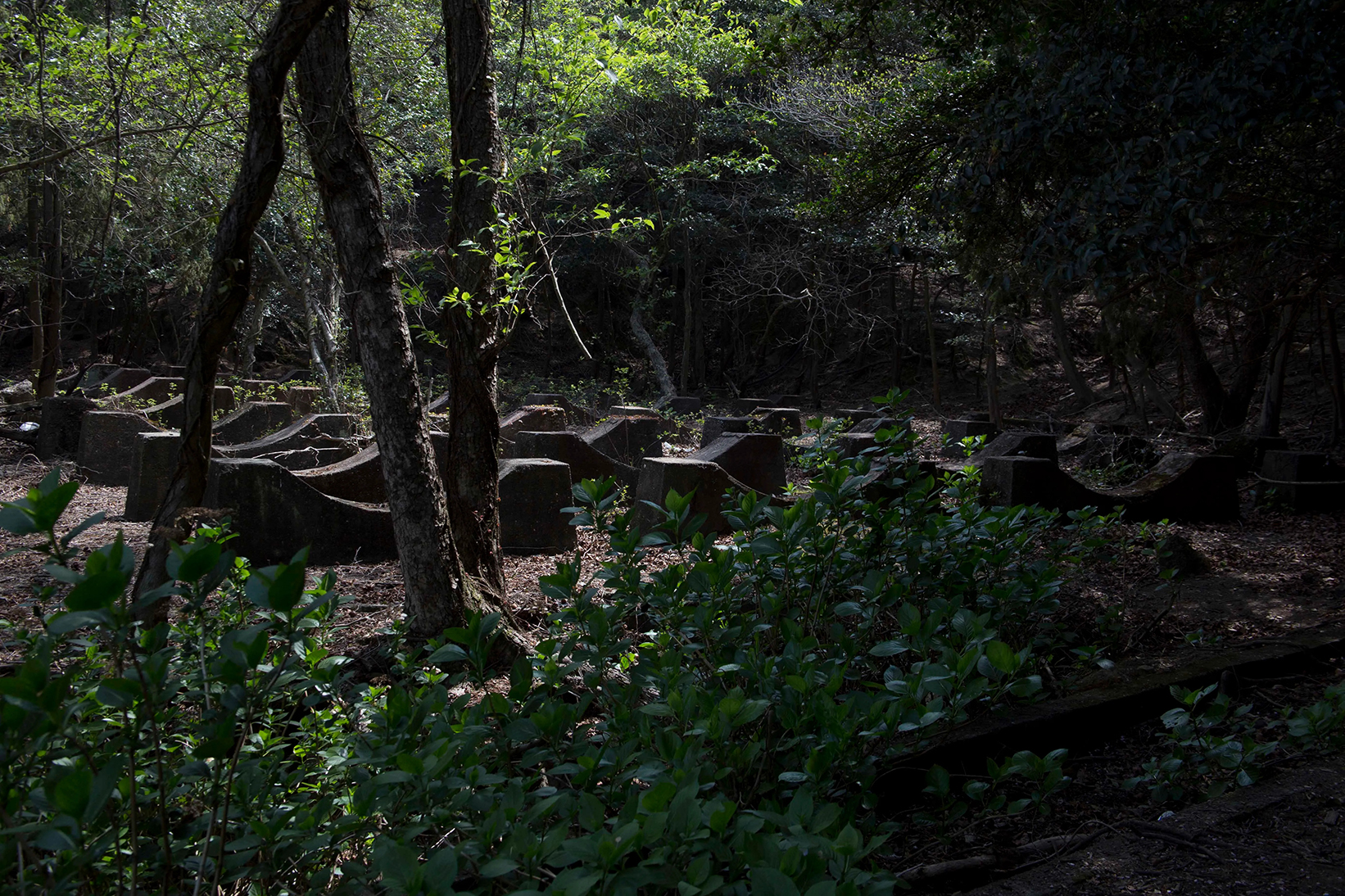
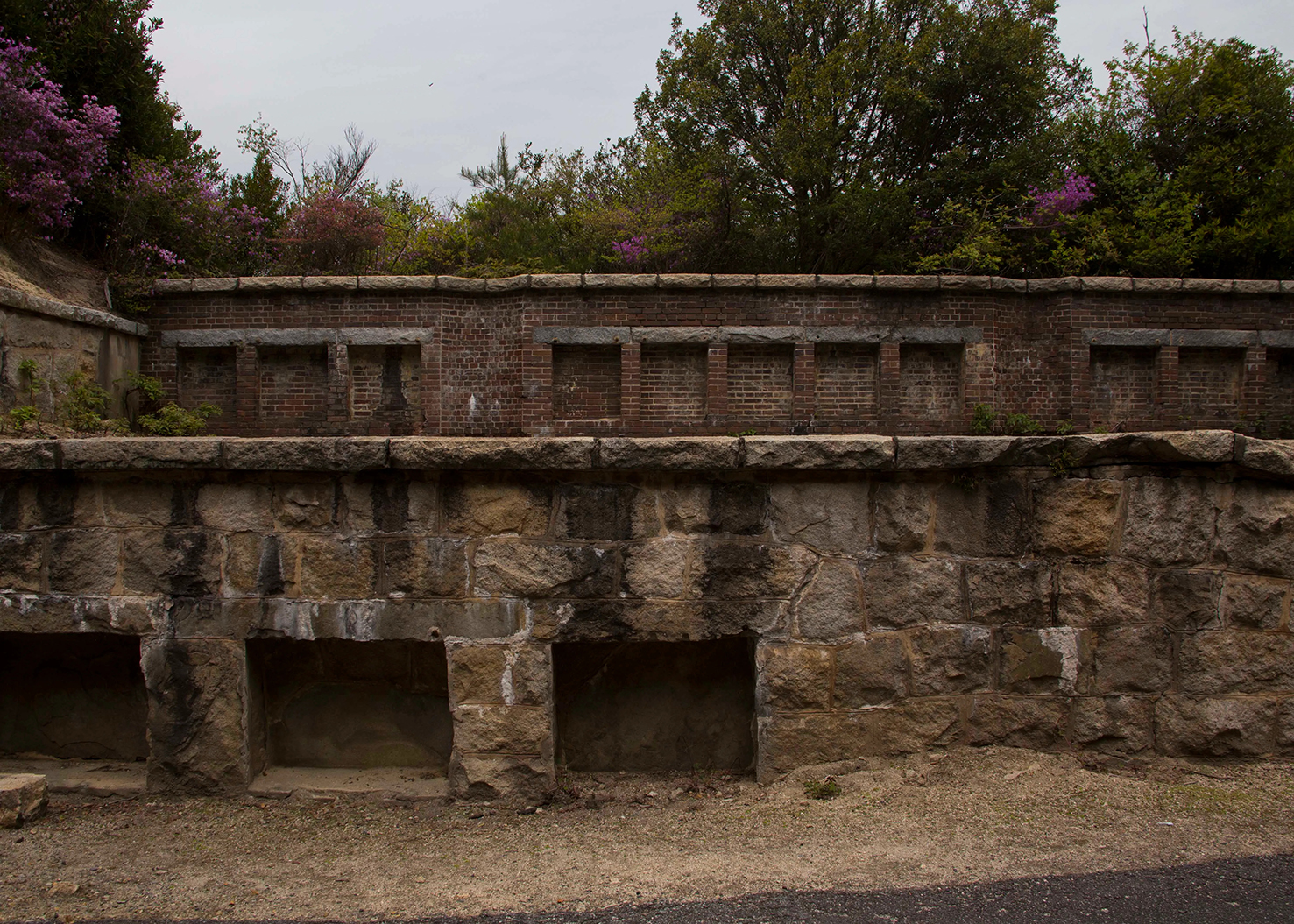
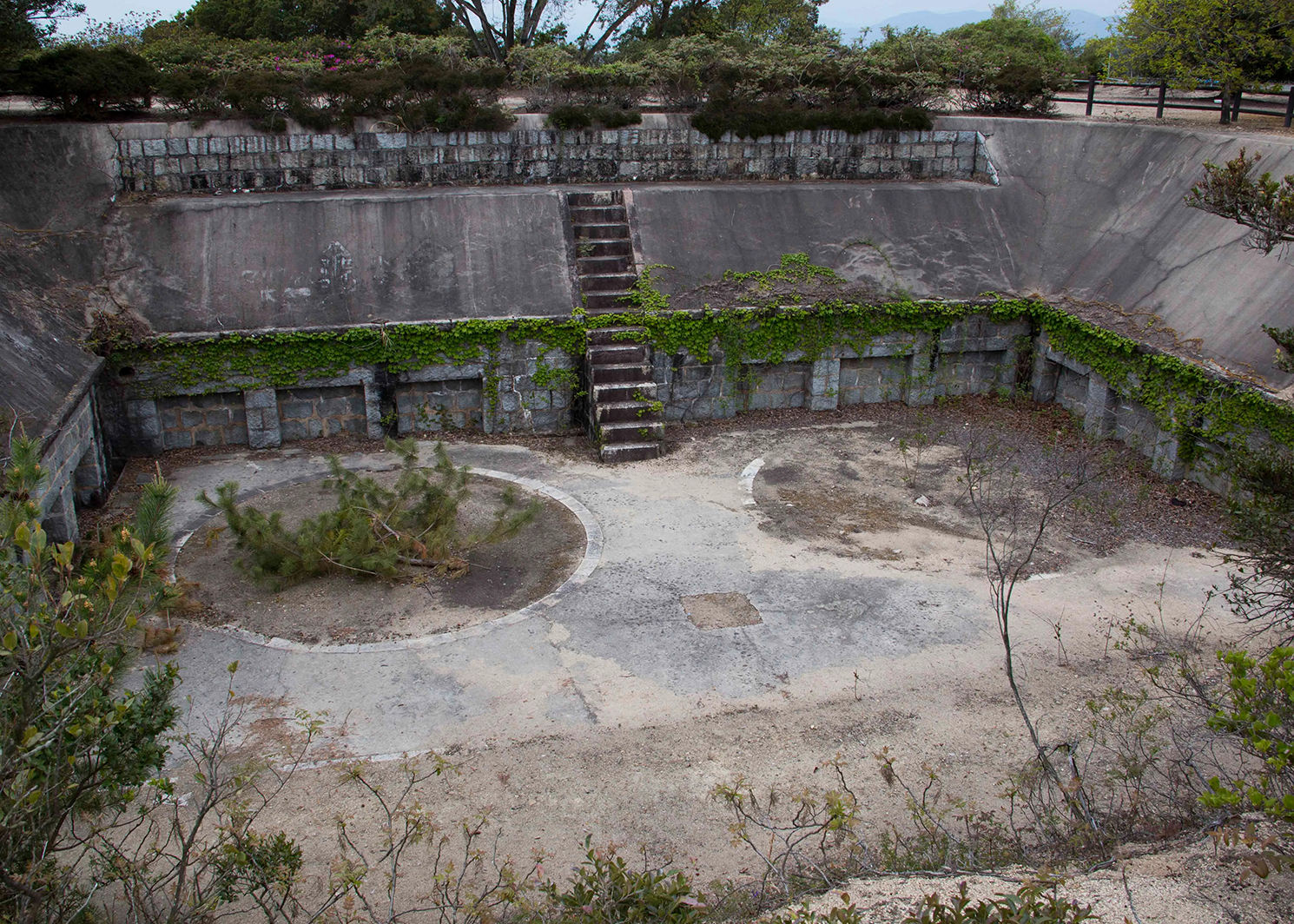
Ōkunoshima measures barely a few kilometres around. From the ferry that shuttles across from Tadanoumi on the mainland, the island appears gentle and low, folds of pine and camphor rising from a web of paths. A modest resort hotel and camping area sit near the pier, where visitors often encounter their first rabbits. The further one walks inland, however, the more the island’s other identity announces itself. Blocky foundations appear in the undergrowth, rusted bolts sprout from cracked slabs, and round, domed structures—once gas storage tanks and defensive emplacements—loom like half-buried moons. It is a place where the pastoral and the industrial share the same narrow strip of soil, and where the nineteenth-century fortifications, interwar factories and post-war ruins overlap like palimpsests.
The secrecy that shaped an island
The decision to establish a chemical weapons facility on Ōkunoshima arose from a mixture of strategy and subterfuge. Isolated yet accessible, the island had already seen military attention: coastal defences were built there in the late nineteenth and early twentieth centuries to guard approaches to the Inland Sea and important naval installations in Kure. In the late 1920s, amid international attempts to prohibit chemical warfare following the horrors of the First World War, the Japanese government secretly chose Ōkunoshima as a production site. Its remoteness made it ideal for keeping activities out of public view while remaining convenient for shipping materials and personnel.
Secrecy was absolute. Maps omitted the island by name, civilian access was restricted, and employees were expected to keep their work hidden even from their families. This culture of silence seeped into the landscape itself. Buildings were built behind tree cover and connected by discreet service roads. Storage caverns and semi-buried tanks were designed to be as unobtrusive as possible, and many were camouflaged. The overall effect was to create a fully functioning industrial settlement that pretended not to exist, an invisible island devoted to making weapons of suffocation and blindness.
Building and running the chemical works
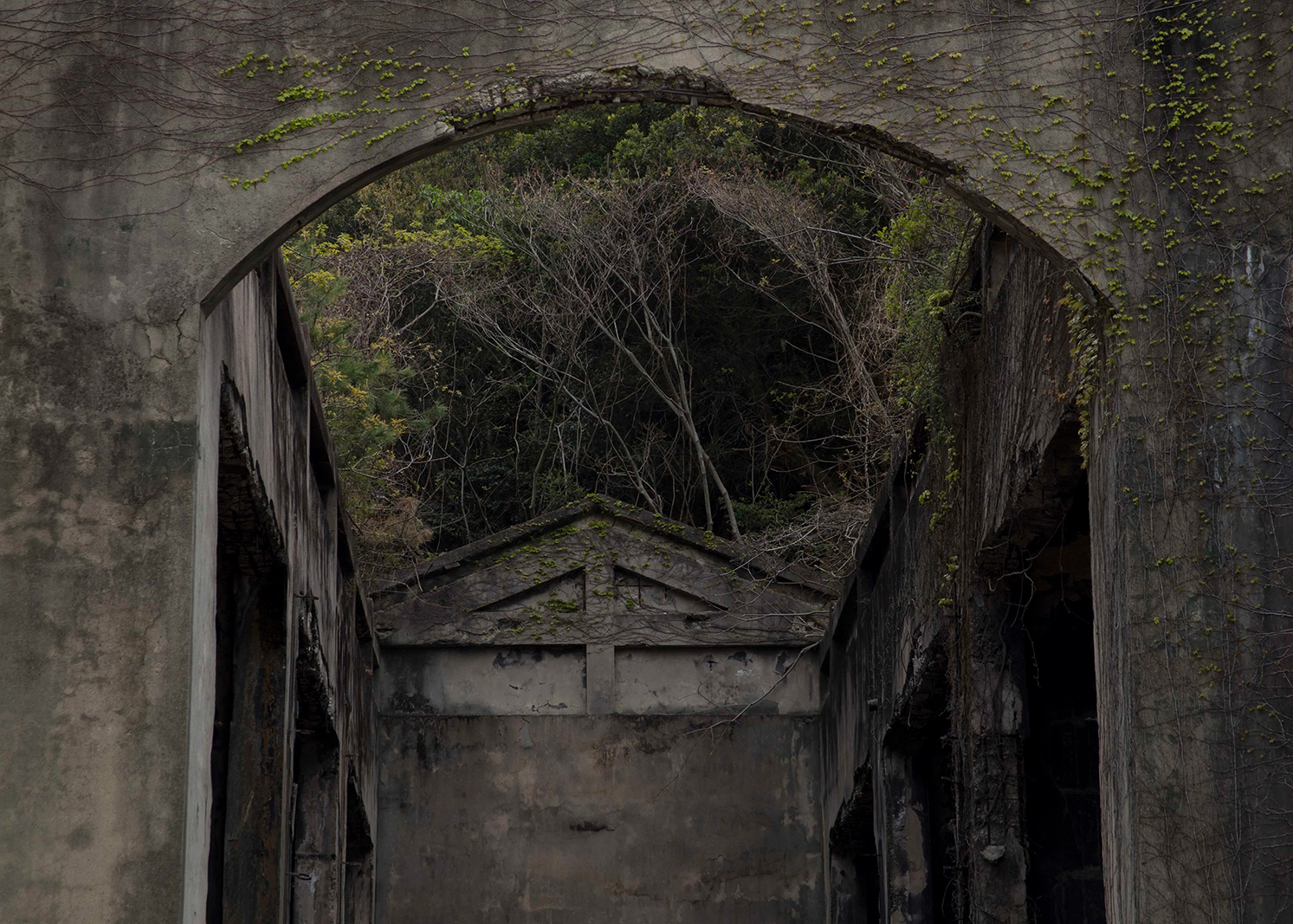
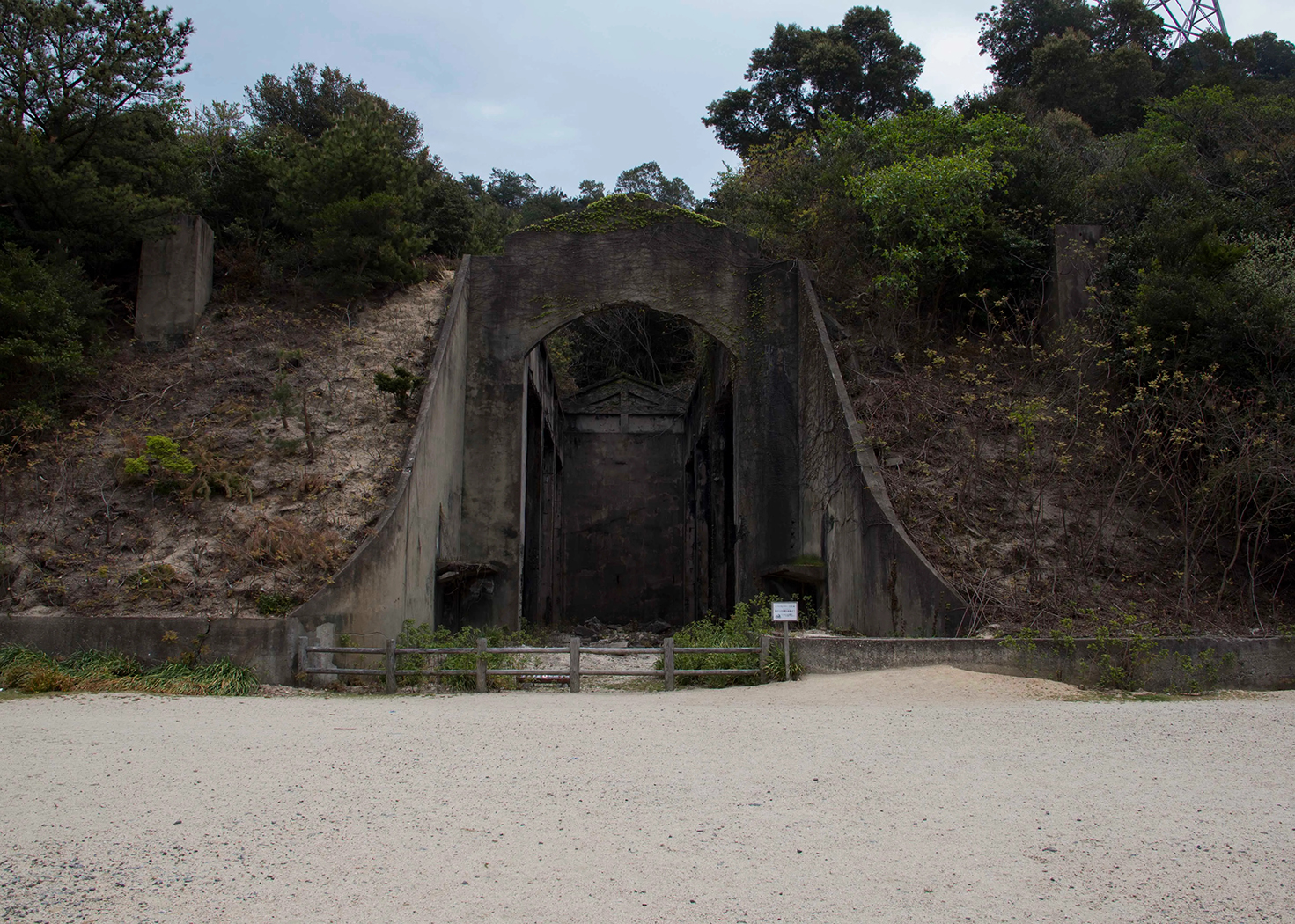
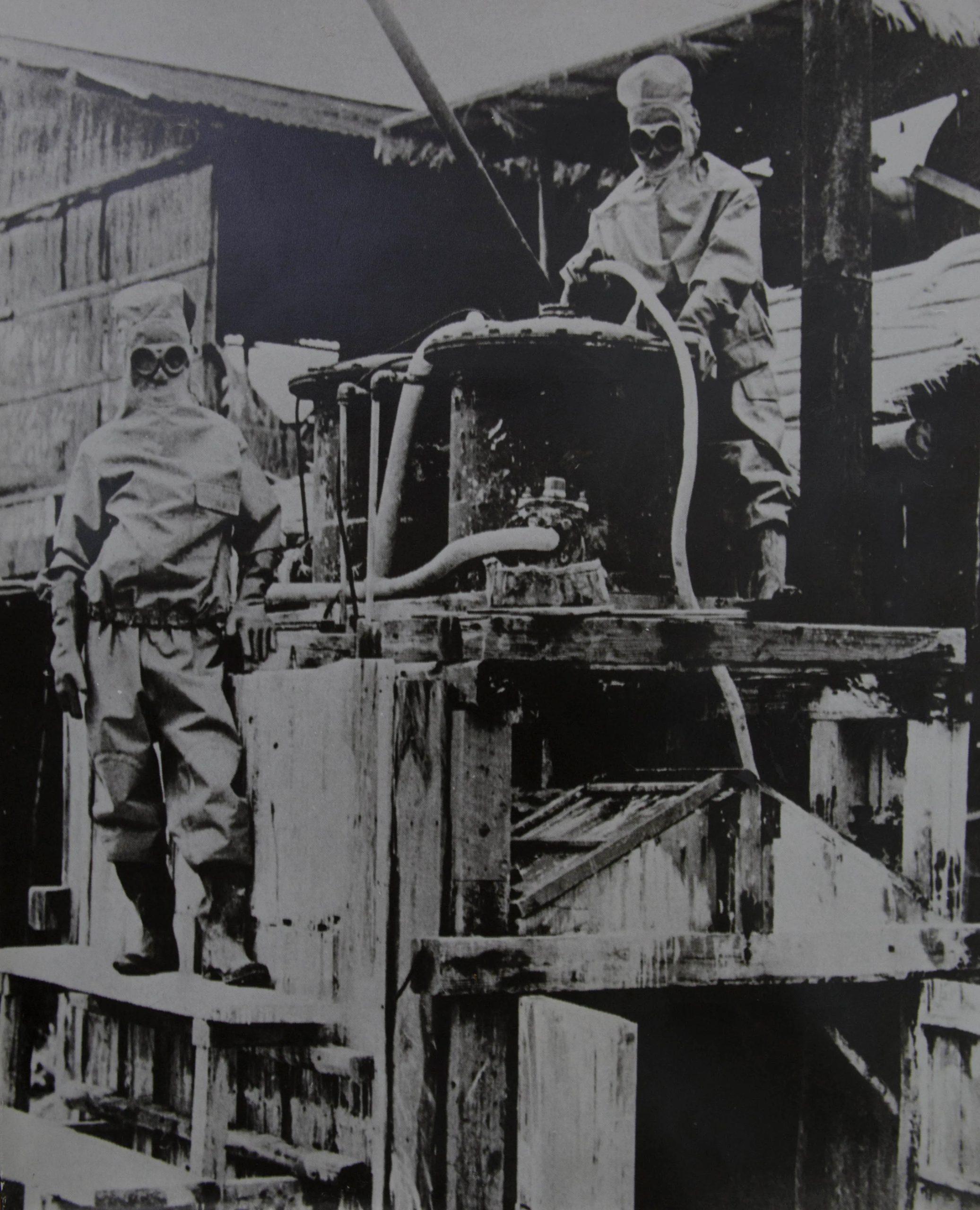
Construction began at the turn of the 1930s, when the Imperial Japanese Army’s Institute of Science and Technology oversaw facilities dedicated to the synthesis of blister and choking agents. The most infamous among these were sulphur mustard and lewisite, both designed to burn skin and mucous membranes, damage lungs and eyes, and incapacitate soldiers as much through terror as through physical injury. Production required a network of roles and buildings: reaction halls with high roofs and vast ventilation stacks, warehouses for precursors and finished product, laboratories for quality control, pipelines to connect mixing and filling stations, and a dedicated power plant to ensure the process remained stable and uninterrupted.
The island’s industrial rhythm followed strict routines. Deliveries of precursors arrived at night or in low-visibility weather when possible, and finished agents were sealed in canisters or artillery shells for transport and storage elsewhere. Workers navigated a labyrinth of internal rules and safety practices that, by later standards, were rudimentary and often inadequate. Protective clothing existed but was imperfect. Ventilation could fail. Spills and leaks, by their nature, could be catastrophic even when small. The factories were both precision instruments and hazardous environments, and the island’s climate—humid summers, salt air, frequent rain—was not kind to metal gaskets and seals.
Labour, injury and the human cost
Behind the official secrecy lay human stories that remained untold for decades. Employees were recruited from local towns on the mainland and further afield, drawn by wages and patriotic appeals. Many were young men and women who understood little about the exact chemicals they helped produce. Exposure was not rare. Some suffered immediate burns and respiratory distress when equipment malfunctioned; others experienced cumulative damage that only became fully apparent years later. The difference between a routine day and a poisoning could be a cracked pipe, a worn glove, a moment of inattention. For those who fell ill, medical records were often incomplete and public acknowledgement absent. Silence was part of the job.
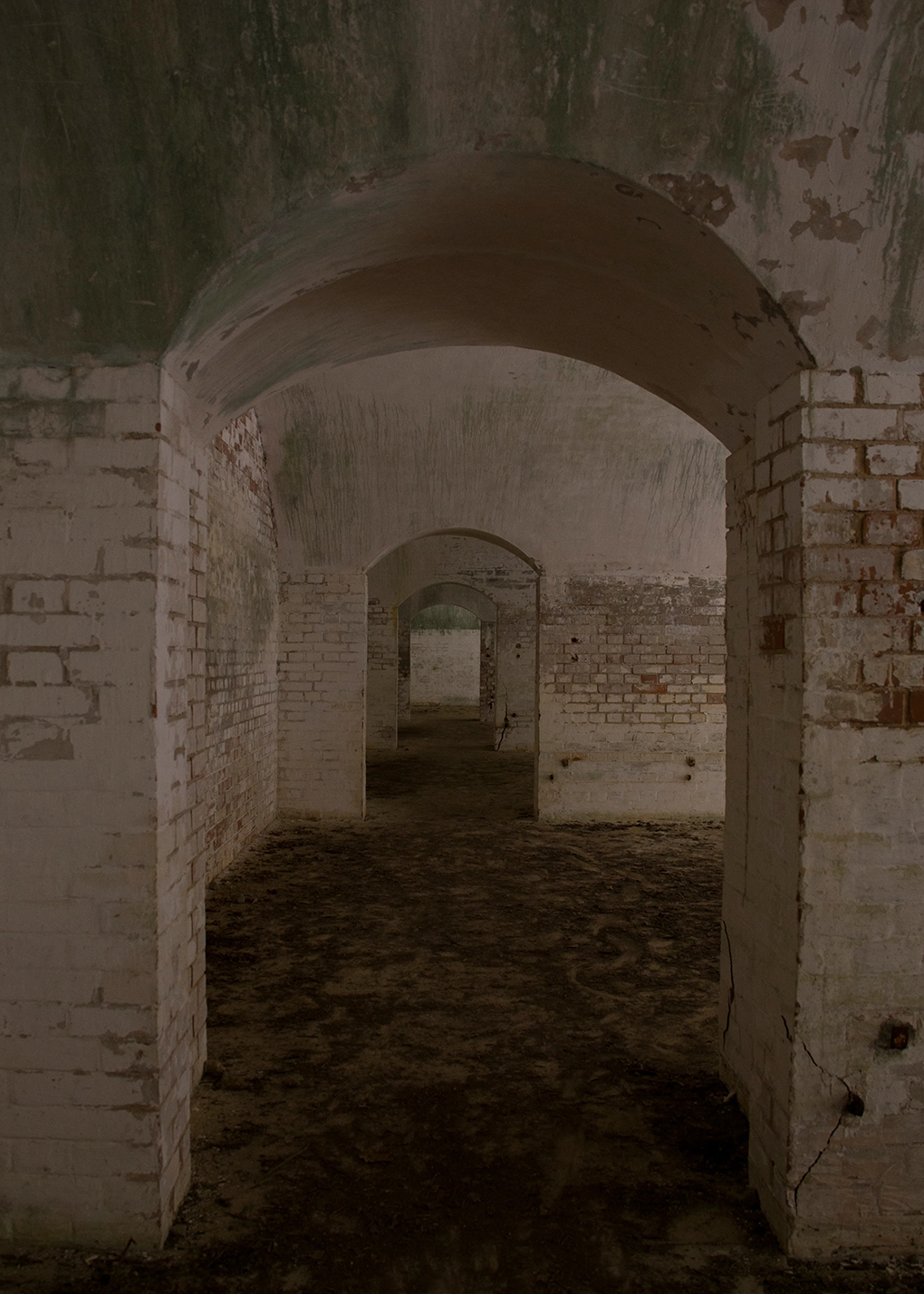
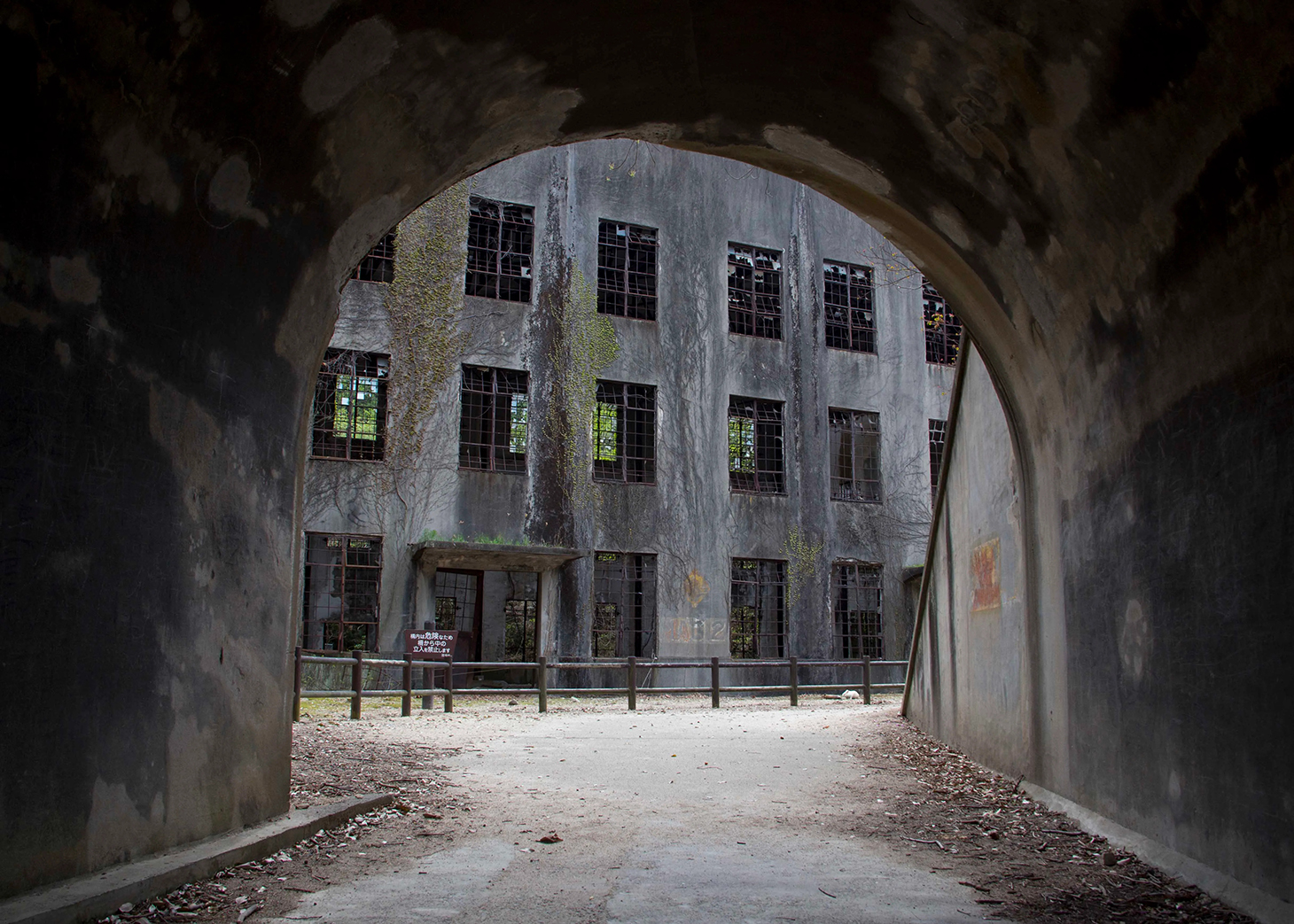
These realities lend the surviving buildings a grave weight. A blank wall with a row of small, high windows reads differently when one remembers that it once housed vats of choking gas; a smooth concrete platform becomes the last trace of a filling station where shells were sealed. The ruins are not mere ruins; they are instruments left open on the surgical table after the theatre has emptied.
War’s end and attempted erasure
When Japan surrendered in 1945, the chemical programme became a liability to be dismantled as quickly as possible. Stocks of gas were disposed of in various ways, including at-sea dumping, while equipment was smashed or scrapped. Allied occupation forces supervised much of this process, but the island’s infrastructure was not entirely obliterated. Some buildings resisted demolition; others were stripped to their frames and left to decay. Trees pushed roots into cracks, sea winds peeled off paint and coatings, and moss crept over every surface. The official narrative for many years minimised or ignored what had taken place on Ōkunoshima, leaving veterans, workers and their families without public recognition.
This attempted erasure is visible in the material fabric. The island feels oddly incomplete, as if an entire village had been removed overnight and the earth had simply tried to forget the shapes of its foundations. Yet the forgetting was never total. Locals knew that the island had been a place of danger. Fishermen avoided certain waters. Former workers carried scars and memories. The ghosts of chemicals lingered in anecdote and in the tightness of breath that arrived uninvited on damp winter mornings.
The slow return and the rabbits
In the decades after the war, Ōkunoshima began to transition from secret installation to public park. Facilities for holidaymakers were built, the ferry timetable became regular, and schoolchildren arrived on field trips to learn a carefully curated version of the island’s past. The rabbits, which now define the island’s popular image, multiplied during this period. Their exact origin remains debated. Some stories insist they are descendants of laboratory animals set free with the close of the factory, while others suggest that a later, benign release by visitors or a local school seeded the current population. Whatever their provenance, they found a predator-free sanctuary and a steady stream of tourists armed with snack food, and they flourished.
The result is a startling juxtaposition: a family-friendly destination where ruins of a poison-gas factory stand among soft-furred ambassadors. The rabbits shape how people move through the island, drawing them along paths and across clearings that also contain sealed bunkers and semi-collapsed warehouses. For some, the animals are an expression of renewal, life reclaiming the ground once used to make death. For others, they are a distraction from the human suffering the island represents. Both views are present in the chatter on the ferries and the comments in guest books.


The ruins as they stand
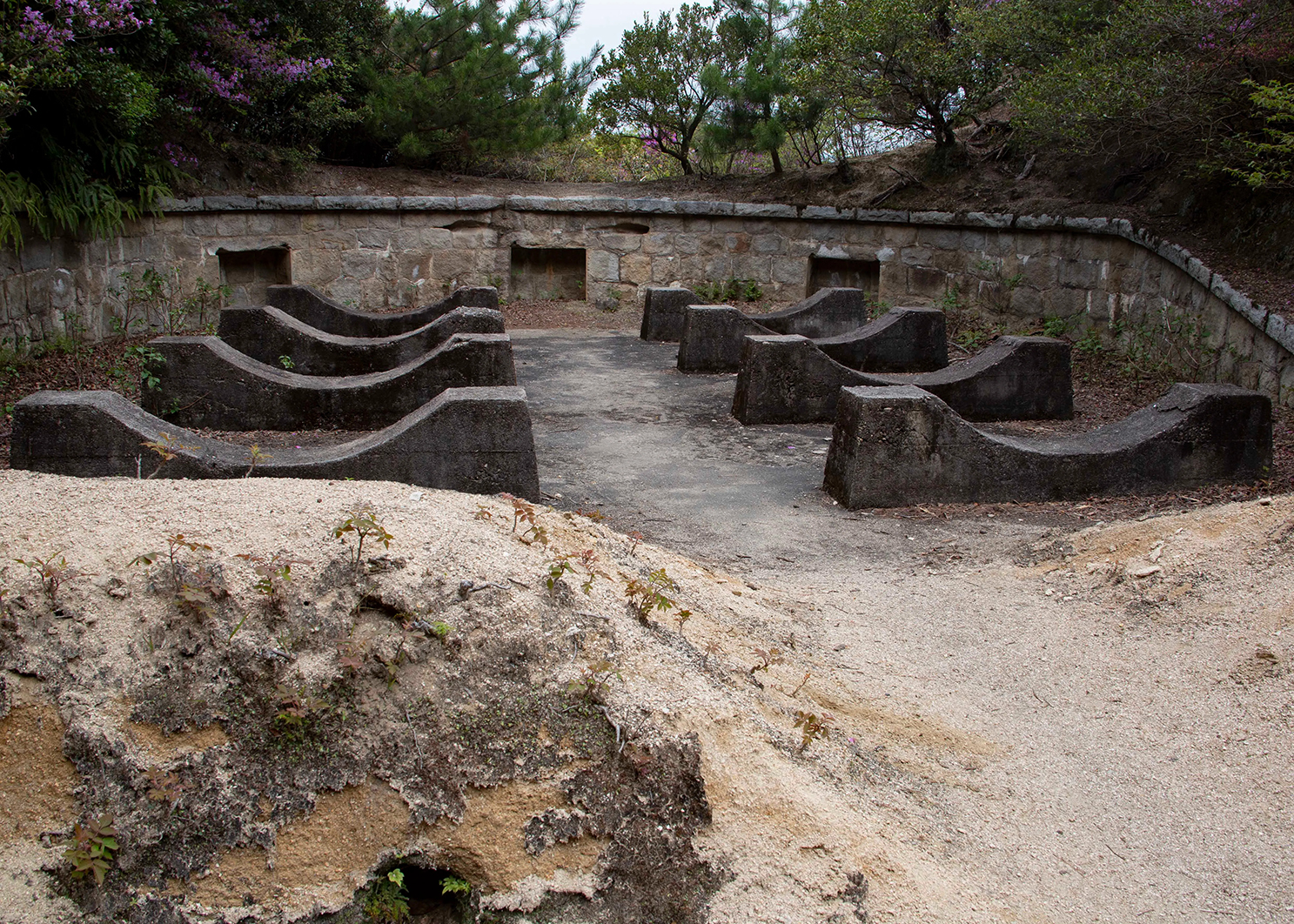
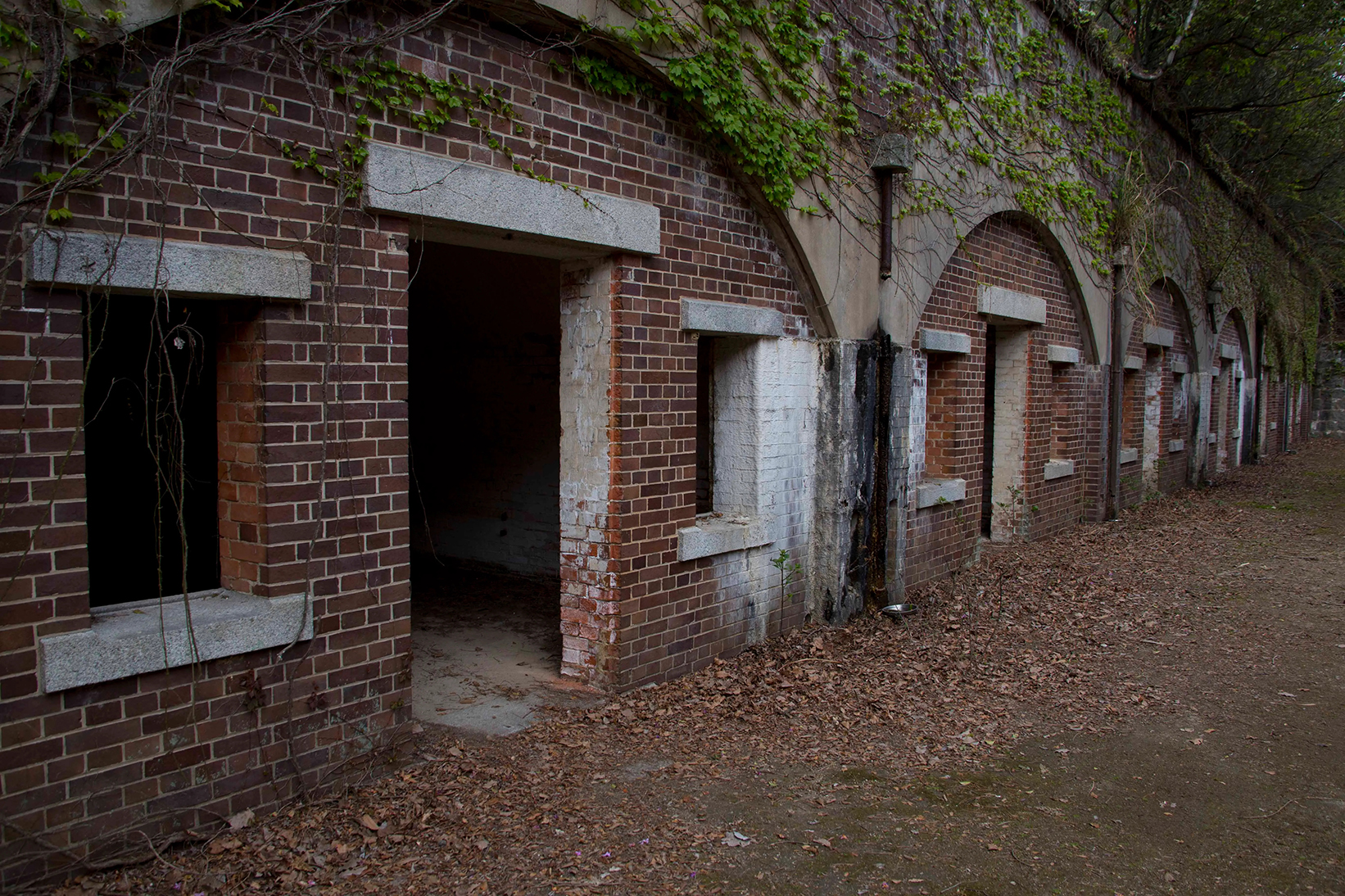
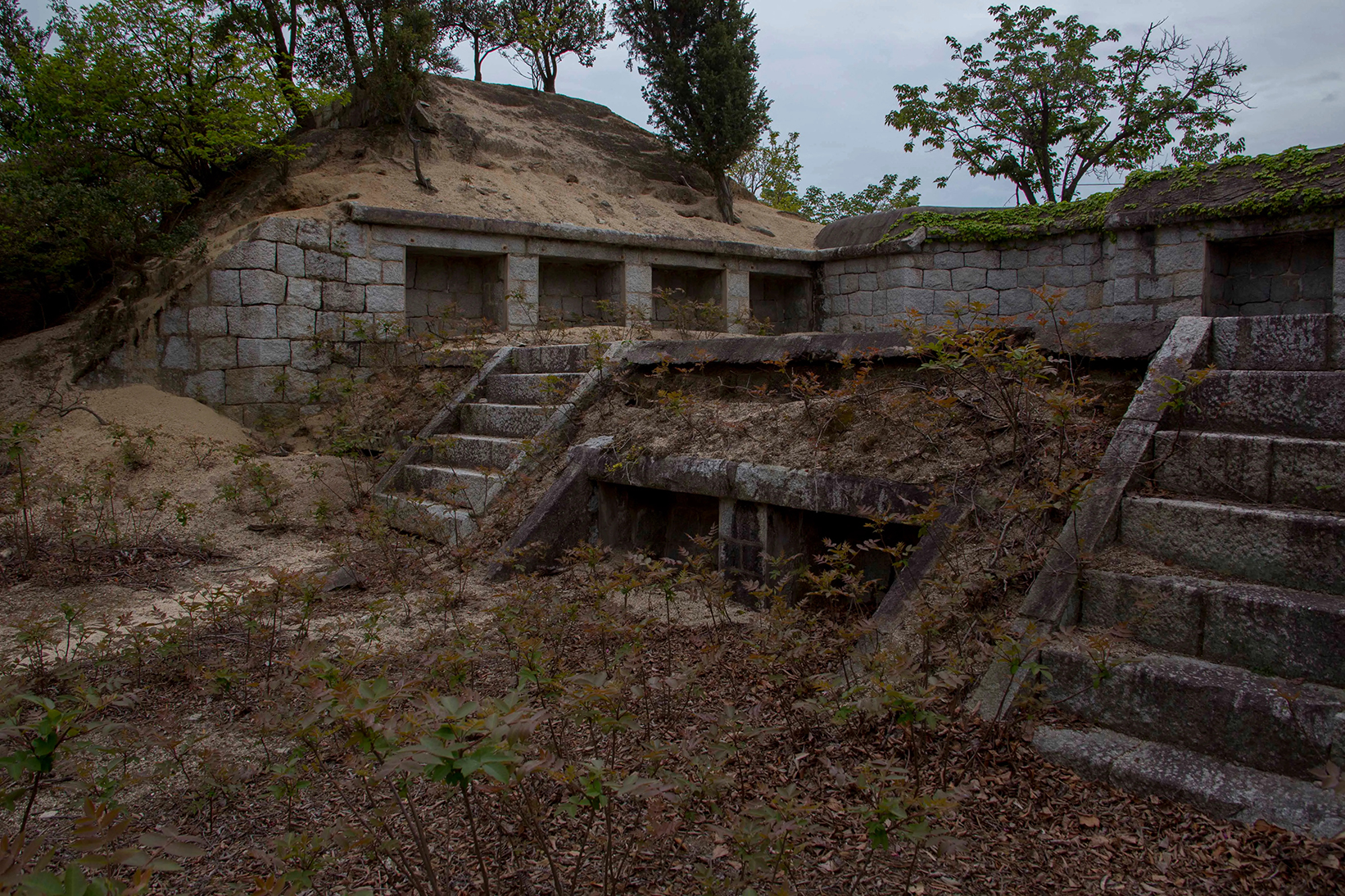
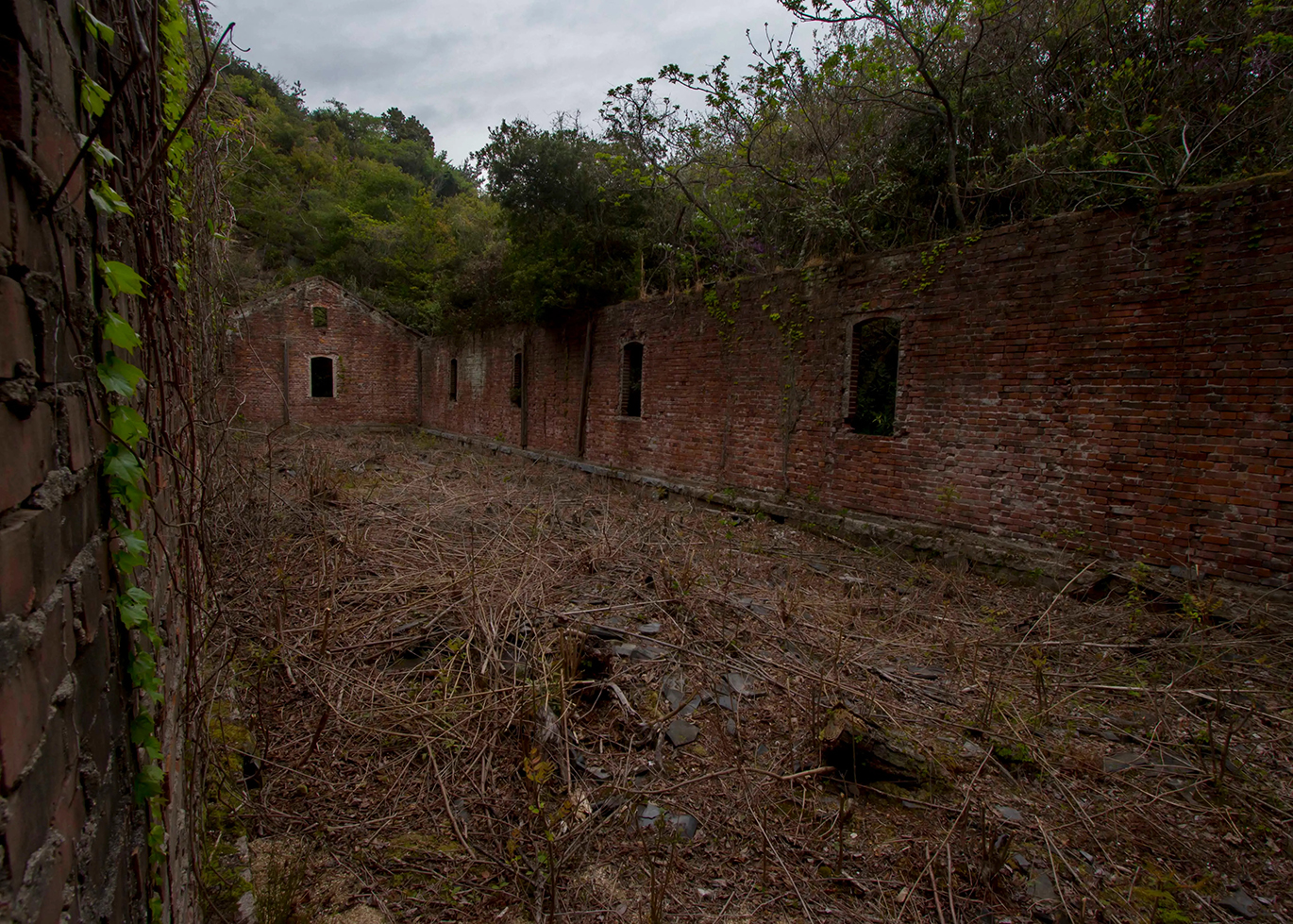
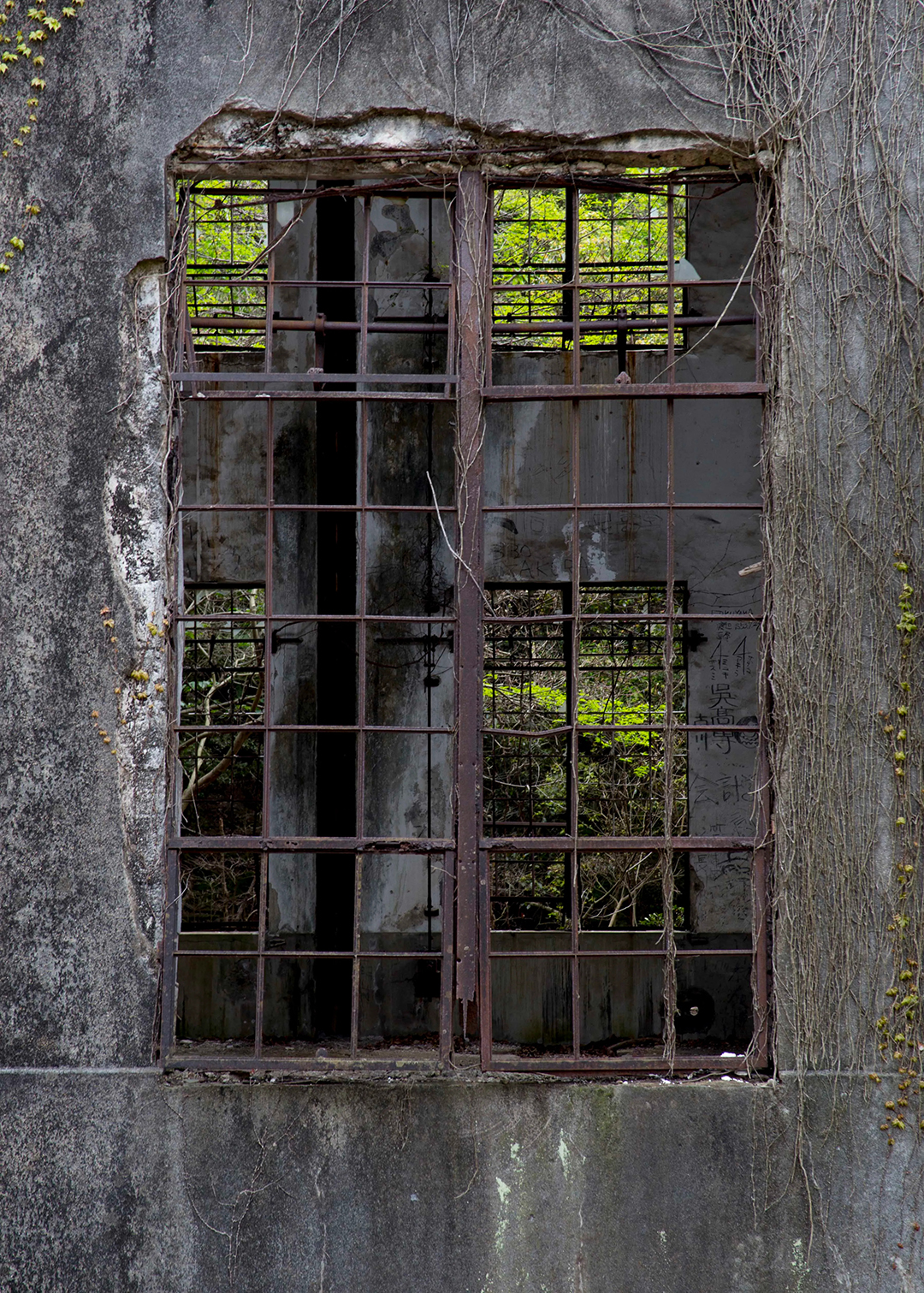
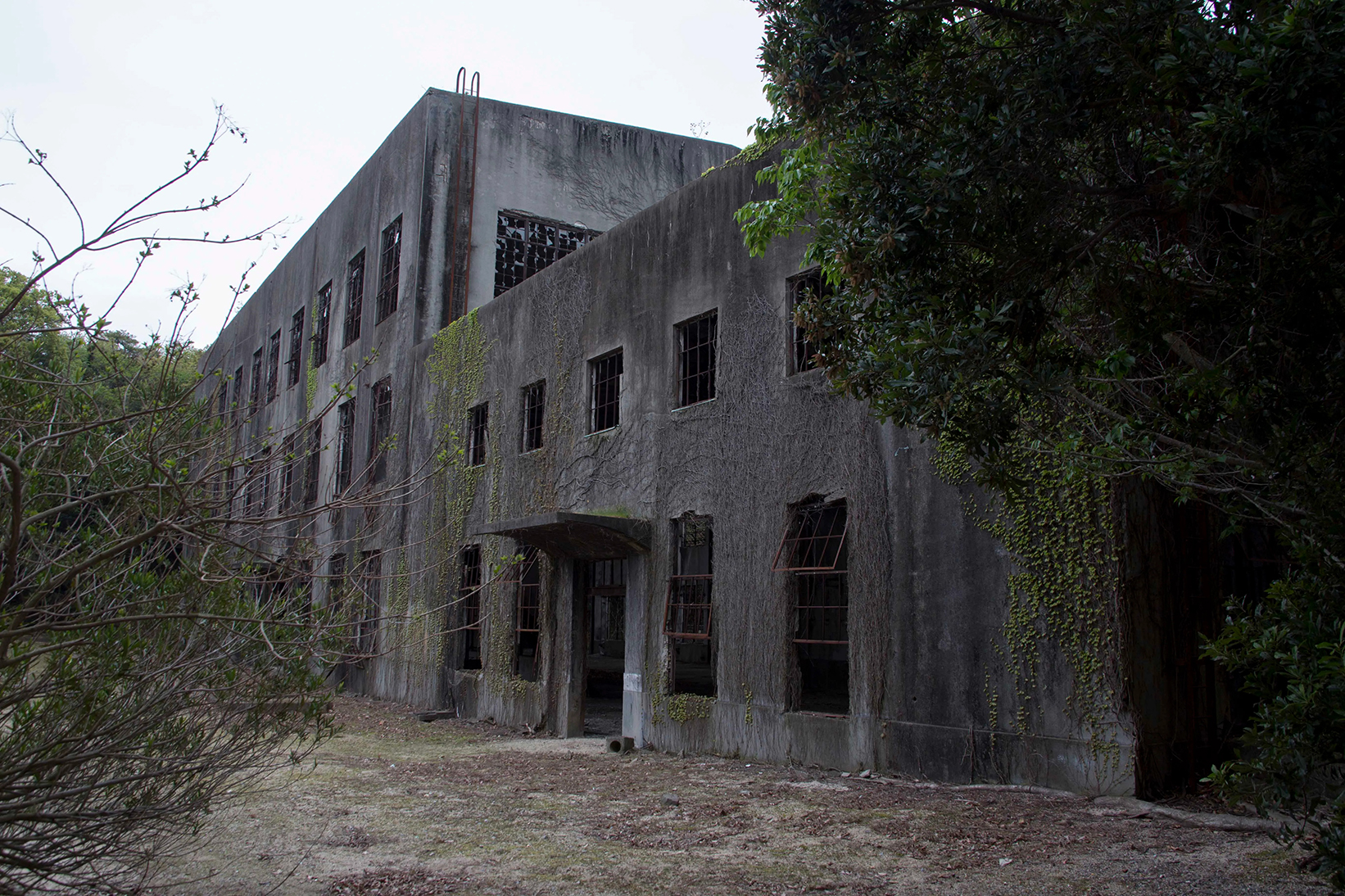
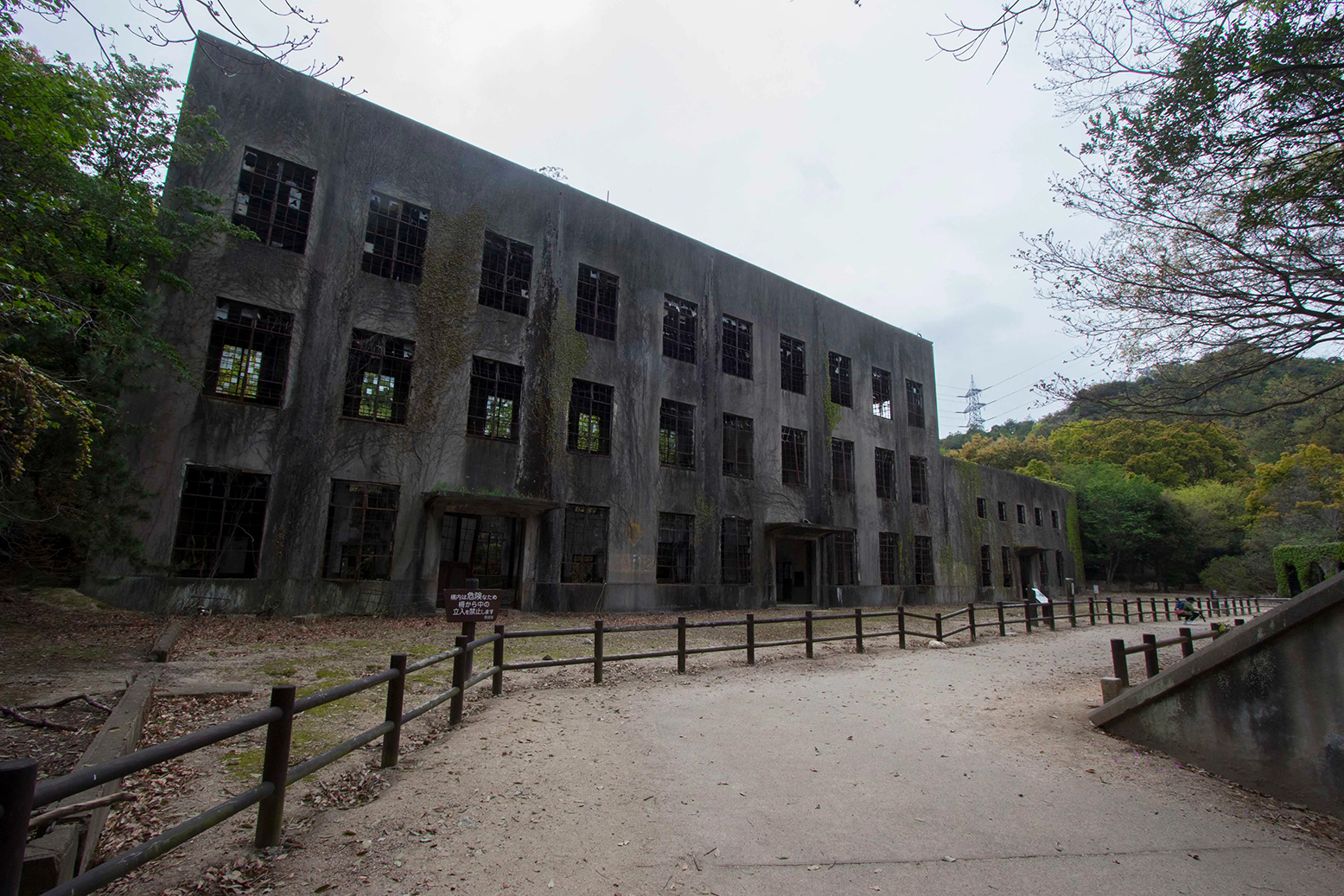
To walk Ōkunoshima’s loop roads is to encounter a sequence of architectural fragments that speak different dialects of the same language. One comes across the weathered shell of the power station, its window apertures like eye sockets, flanked by scattered ceramic insulators and stubs of cable. There are stout, circular structures set into the hillside that once stored chemical agents, now padlocked and signposted to warn against entry. Long, rectangular foundations reveal the footprints of workshops and filling lines, while the earth hides narrower tunnels leading to observation posts and gun platforms from an earlier period of coastal defence.
Nature has perhaps been the site’s most decisive architect. Pine needles mulch the floors of roofless halls. Ivy scales blank walls and then spills over their tops, disguising jagged edges and giving an illusion of softness. Wildflowers take root in the fine cracks of concrete and asphalt, and the same salt-laden winds that once rusted valves now rasp the metal fences erected to keep the curious at a safe distance. There is quiet here, but it is not the quiet of peace; it is the quiet of a place still thinking through what it was made to do.
Remembering through interpretation
Recognition of Ōkunoshima’s wartime role eventually led to the creation of a small museum dedicated to poison gas and its victims. Though modest, it serves a vital function. It explains the science of the agents produced, provides context about international treaties and wartime doctrine, and, most importantly, gives voice to those who worked on the island and were harmed by it. Their testimonies, photographs and personal effects transform the visit from a picturesque stroll into a lesson on accountability.
Interpretation on the island is purposeful rather than theatrical. Signs near ruins caution against entry while summarising the function of each structure. This restraint is important. It avoids sensationalising suffering and allows the ruins themselves to carry meaning. The museum and signage also connect Ōkunoshima to the broader history of chemical weapons, acknowledging that such agents were not a uniquely Japanese endeavour, even if the island’s story is distinctly Japanese in its mixture of secrecy, sacrifice and post-war silence.
Ethical travel in a fragile place
For those who come to Ōkunoshima now, the experience invites reflection on how we behave in places where trauma and leisure coexist. The island’s popularity can put stress on its ecosystems, and the rabbits, beloved as they are, are vulnerable to illness and malnutrition when fed inappropriate foods. Responsible visiting means keeping to marked paths, respecting fences and closures around unstable structures, and refraining from treating the rabbits as toys. It also means engaging with the historical material rather than skipping directly to the photo opportunity. The ruins are not stage props; they are evidence.
Safety is part of ethical travel, too. Time and weather weaken concrete and steel, creating unexpected hazards in seemingly solid walls and floors. Authorities have sealed many of the most dangerous interiors, and visitors would do well to accept these limits. To cross a barrier for the thrill of a photograph is to misunderstand the nature of the site. The island’s lesson is not about daring but about restraint: the restraint the world failed to exercise when it pursued weapons that blind and choke, and the restraint required of us now as we walk among the consequences.
Conservation, scholarship and the work of memory
Preserving the ruins of Ōkunoshima is an ongoing challenge. Coastal environments corrode metals swiftly and undermine foundations with shifting soils and salt-laden air. Conservation here is less about cosmetic restoration than about stabilisation and interpretation. Decisions must be made about which structures to shore up, which to allow to weather naturally, and how to balance visitor access with safety. Scholars of industrial heritage argue that sites like Ōkunoshima demand interdisciplinary care, combining engineering expertise with historical research and community participation. The island is both an artefact and a cemetery of sorts; any intervention must respect both dimensions.
As academic and public interest in dark tourism and conflict archaeology grows, Ōkunoshima has attracted attention as a case study. It exemplifies how a place can be refashioned by narrative: from confidential production site to erasure, then from muted local knowledge to explicit memorialisation. It also shows how non-human actors—in this case, rabbits—can become powerful mediators of place identity, complicating how history is consumed and remembered. This complexity is not a flaw. It is the truth of living landscapes that have carried multiple, contradictory meanings over time.
Conclusion
Ōkunoshima’s poison-gas factory ruins endure as stark reminders of what human ingenuity can do when turned toward harm. Yet the island is more than a cautionary tale. It is a living, evolving environment where memory competes with forgetfulness, where playfulness brushes up against grief, and where the built and the natural worlds share a single, contested ground. To visit is to hold these tensions without trying to resolve them, to accept that an island can be a sanctuary for soft-footed animals and a memorial to invisible weapons, and to leave with a sharpened sense of responsibility.
In the end, the most haunting thing about Ōkunoshima is not any one building or exhibit but the simple act of walking from a sunlit lawn scattered with rabbits into the shade of a ruined hall whose walls once trapped poisonous air. The distance between those two experiences is a few dozen steps and a century of history. If the island teaches anything, it is that such distances are fragile and must be guarded with care.