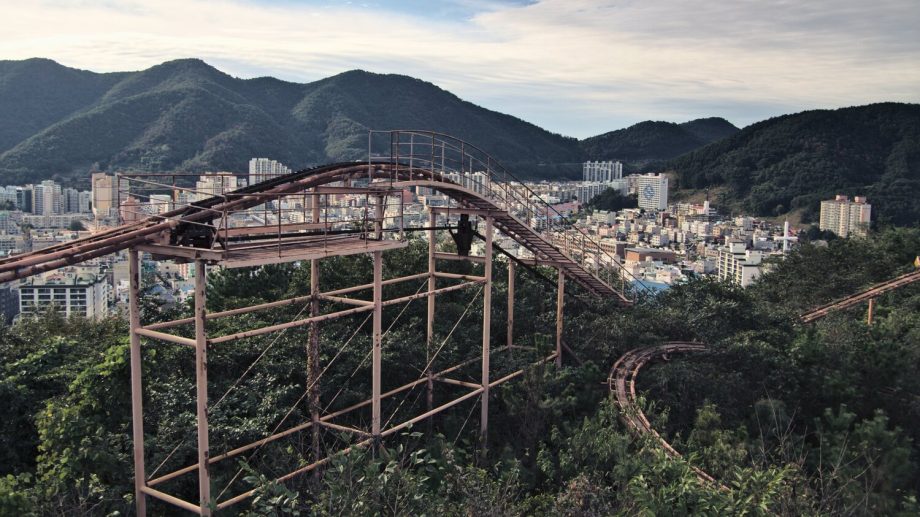
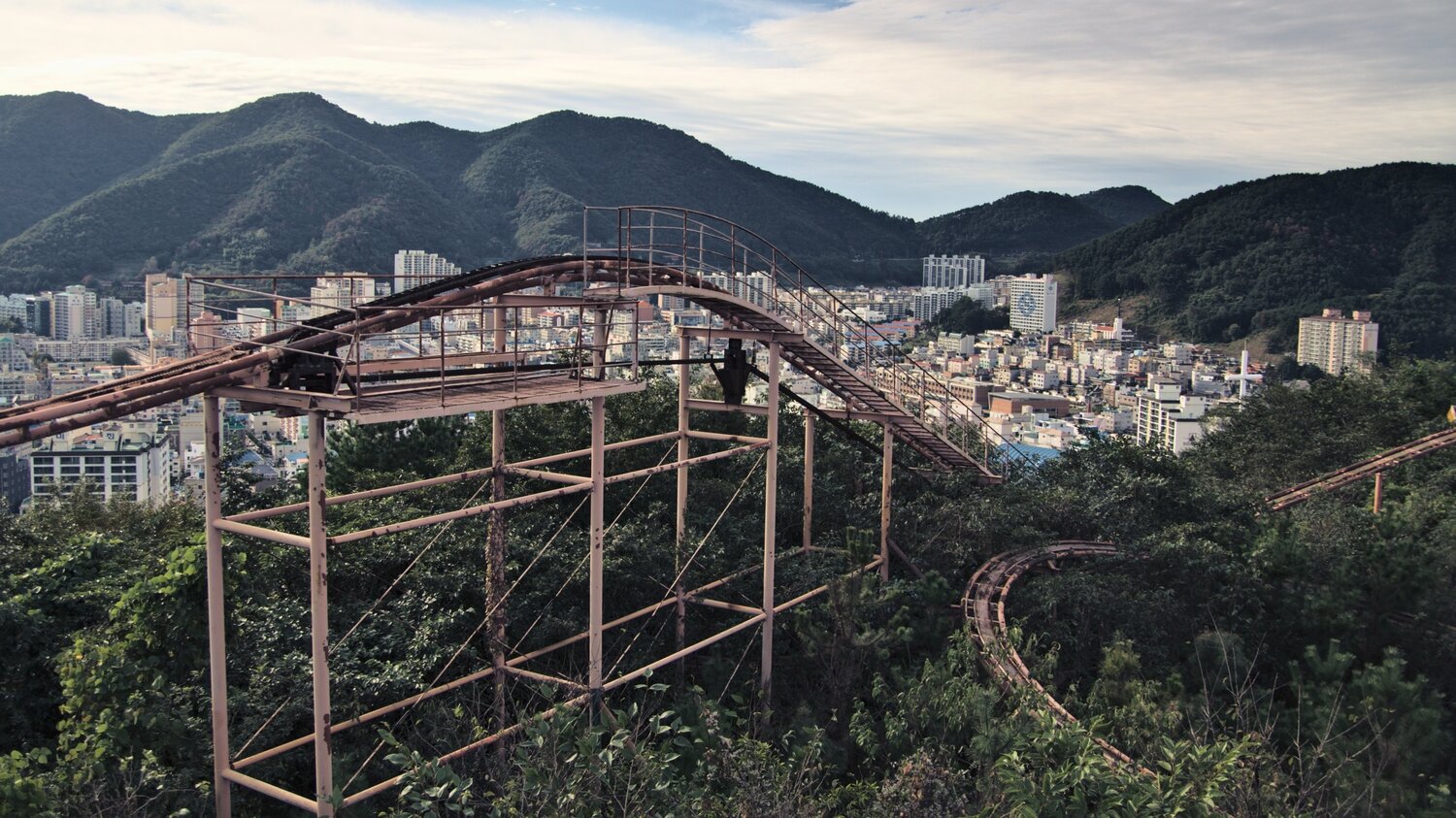
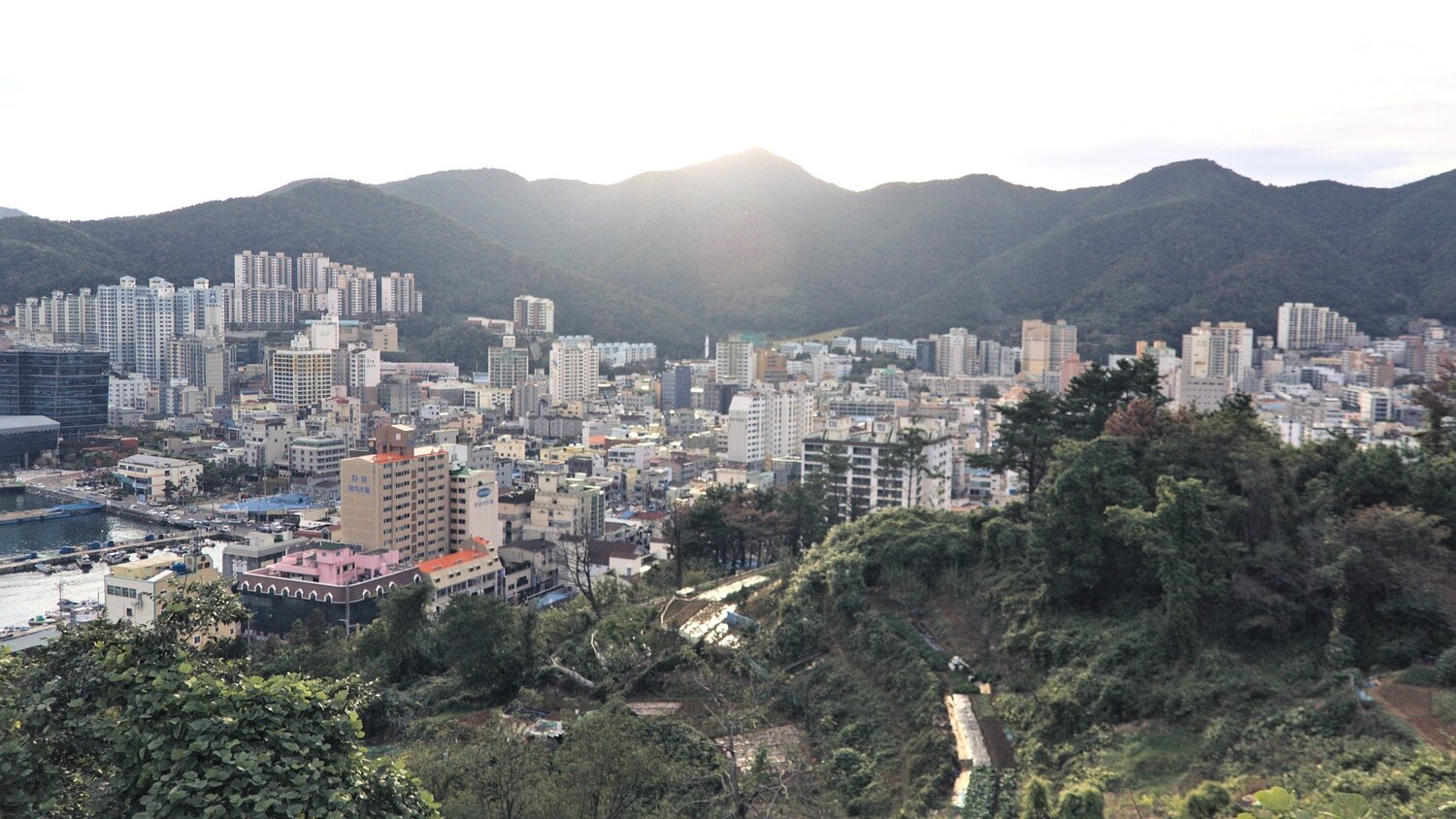
On the southern coast of South Korea, in the city of Geoje, there once stood an amusement park that would go on to gain an eerie kind of fame: Okpo Land. Now demolished, Okpo Land became an icon of urban legends, ghost stories, and internet lore—largely due to its sudden closure, disturbing rumors, and haunting imagery that circulated in the early 2000s. This article explores the history, mystery, and cultural impact of Okpo Land, shedding light on the real story behind one of South Korea’s most infamous abandoned theme parks.

Origins and Development
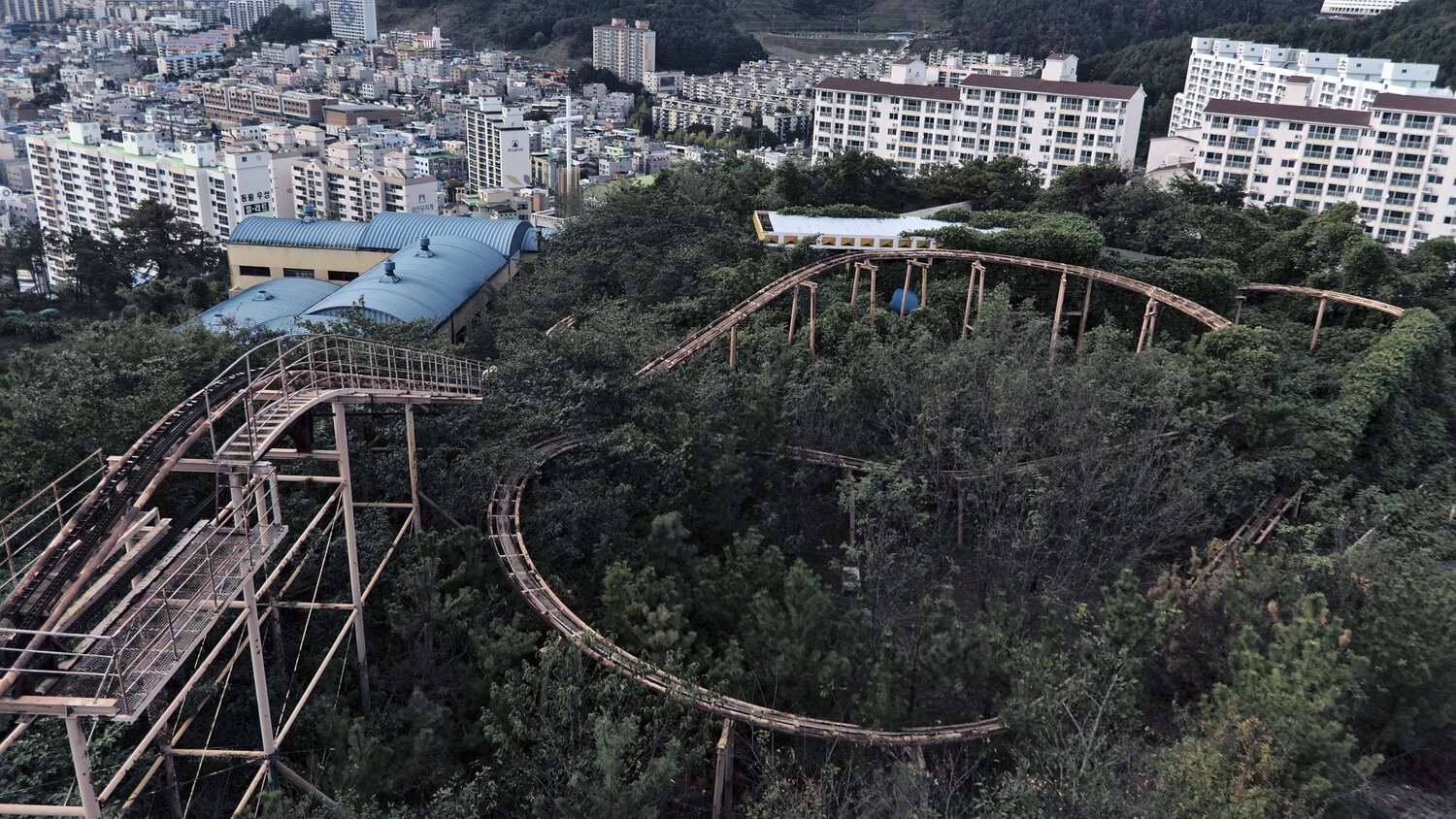
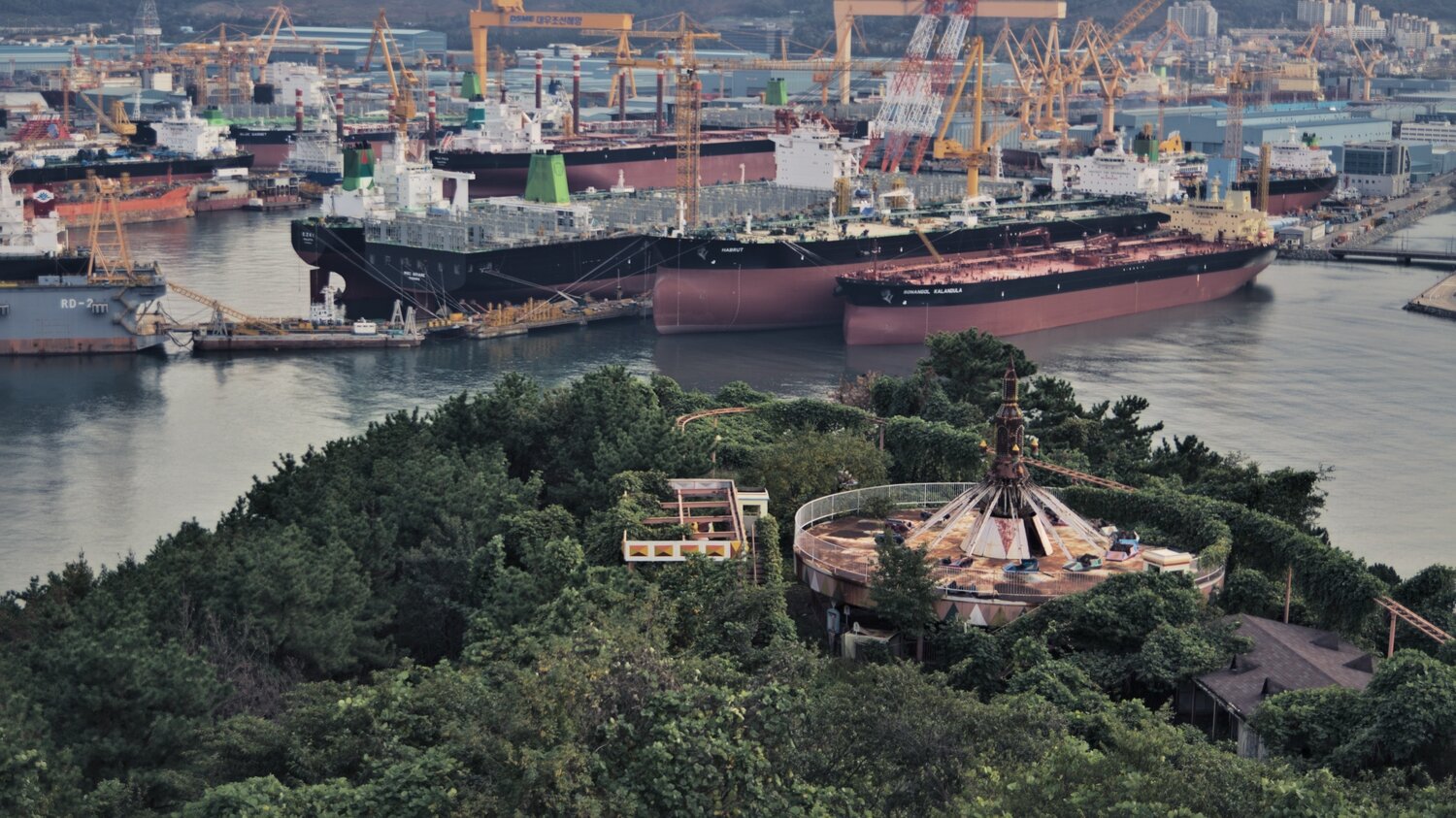
Okpo Land was built in the early 1990s on Geoje Island, near the industrial city of Okpo-dong. Geoje is home to one of the world’s largest shipbuilding yards, and during South Korea’s rapid economic development, the island saw an influx of workers and families. Okpo Land was intended to be a family-friendly destination offering entertainment for locals and tourists alike.
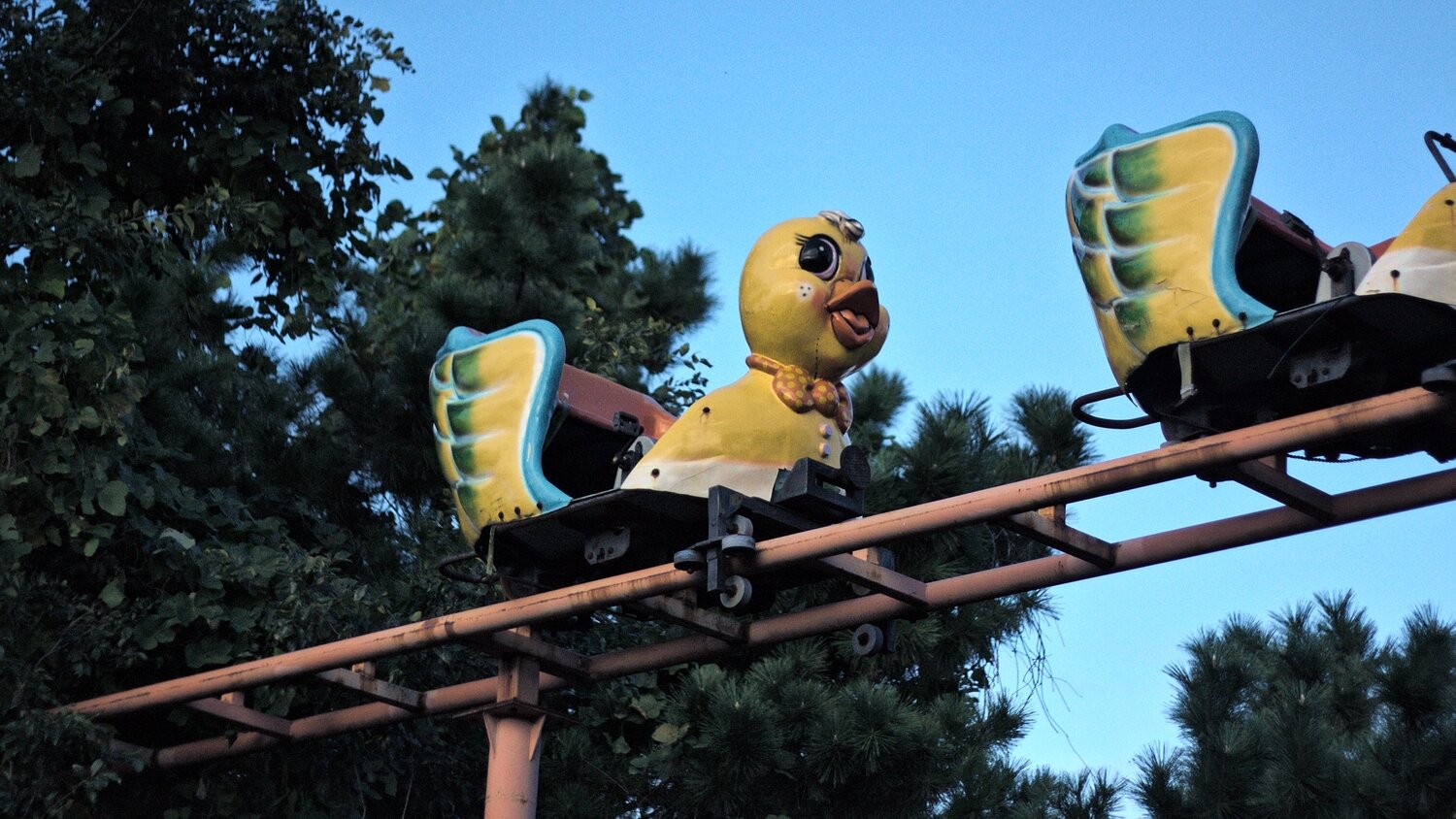
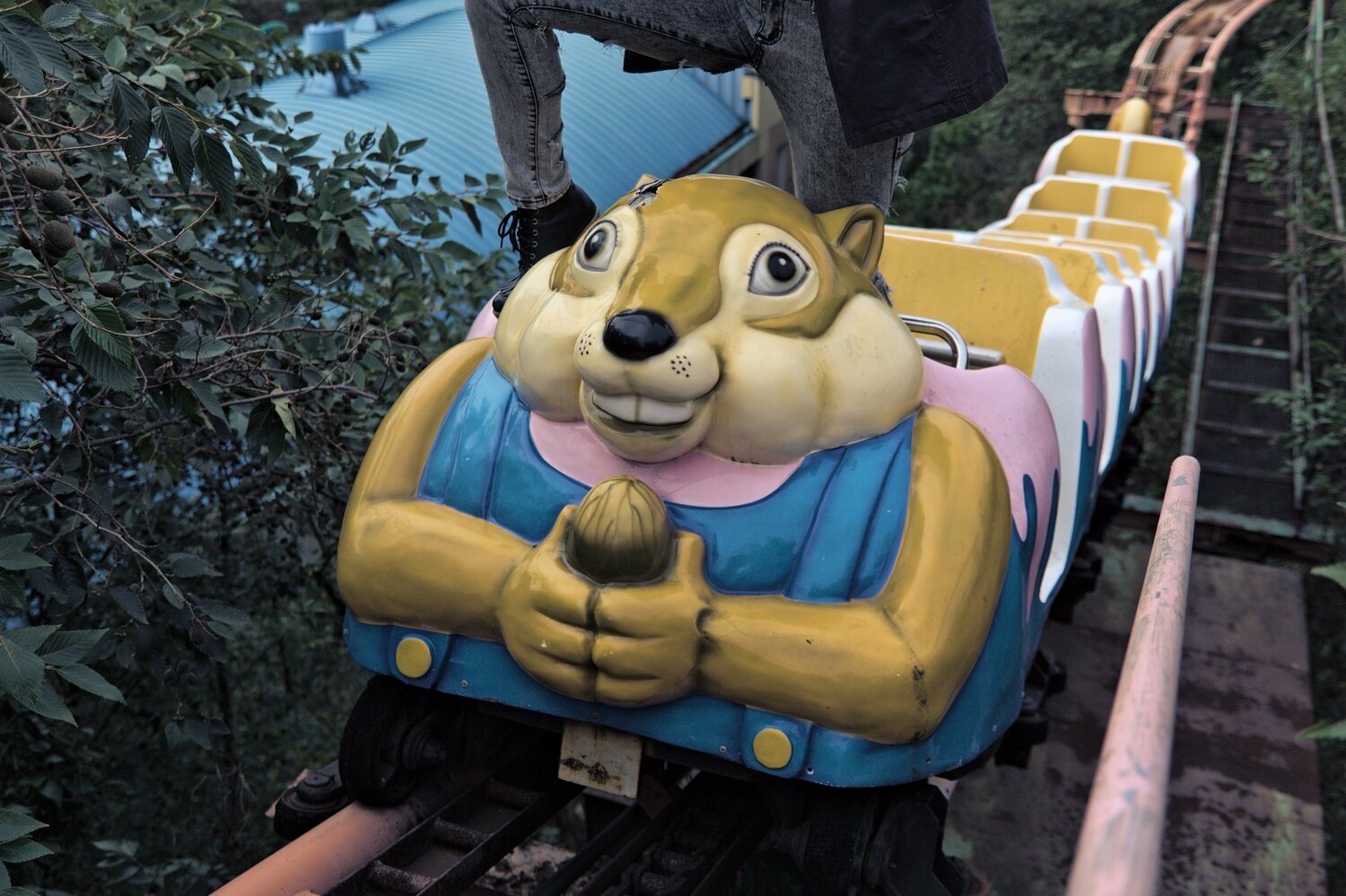
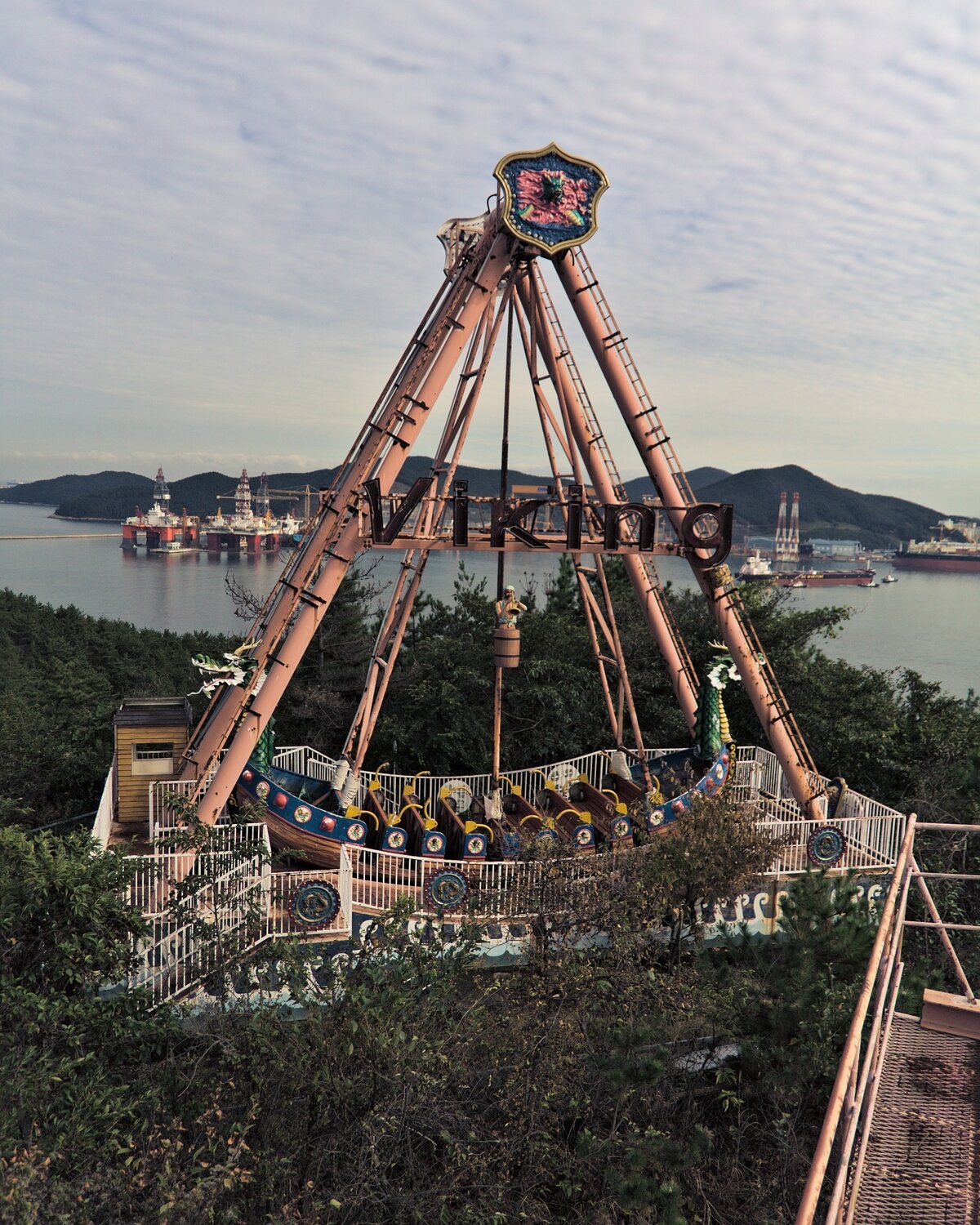
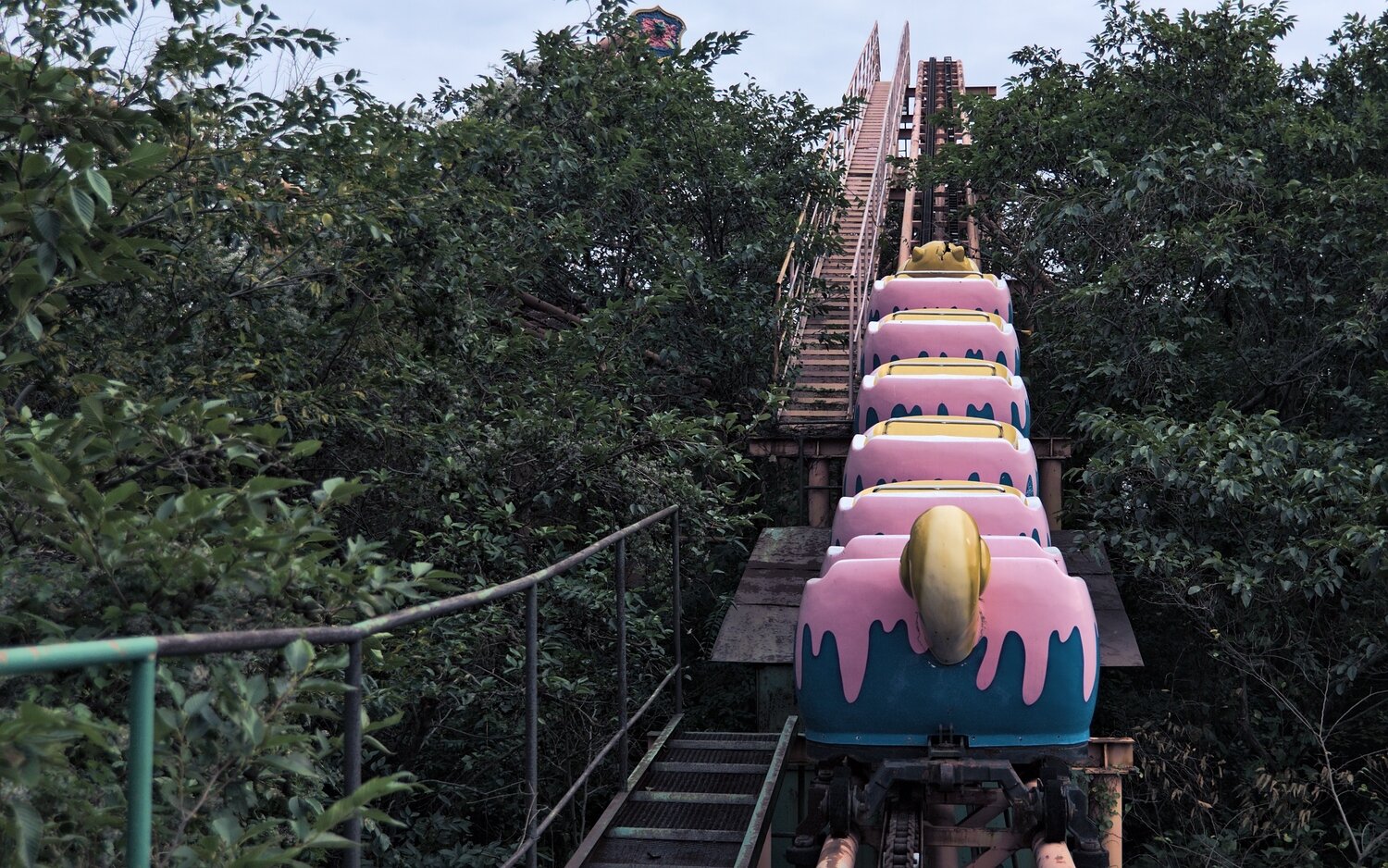
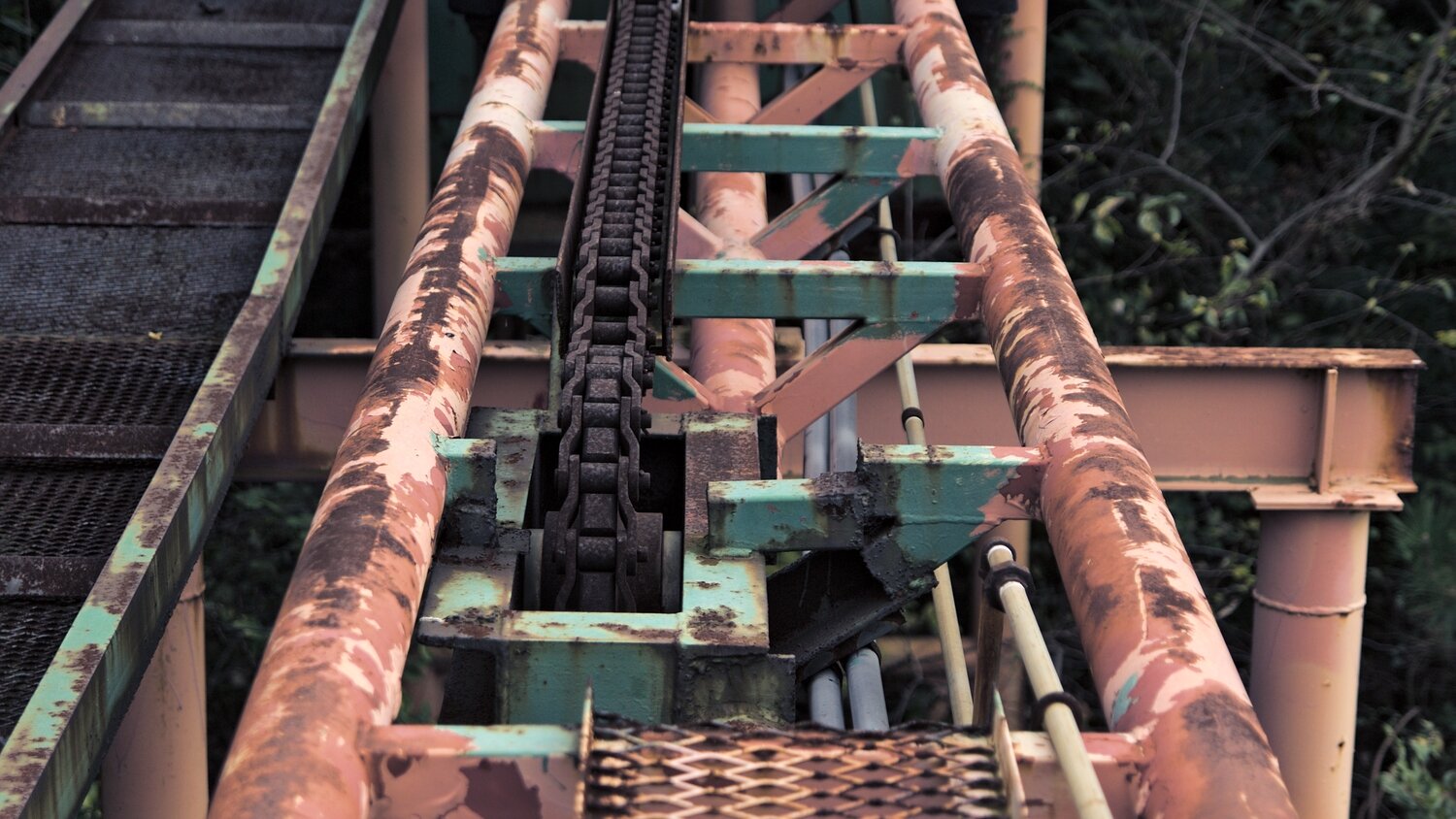
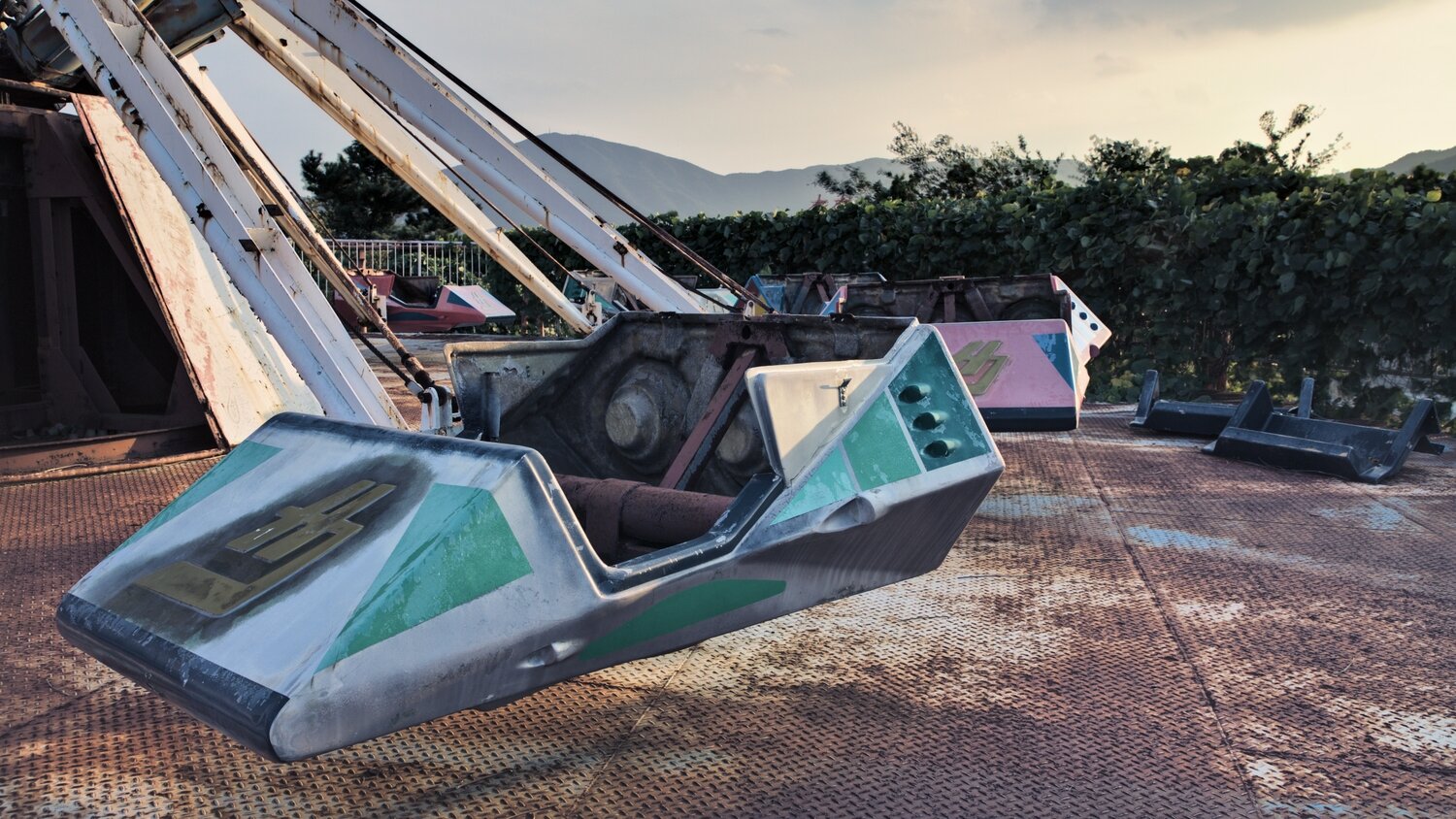
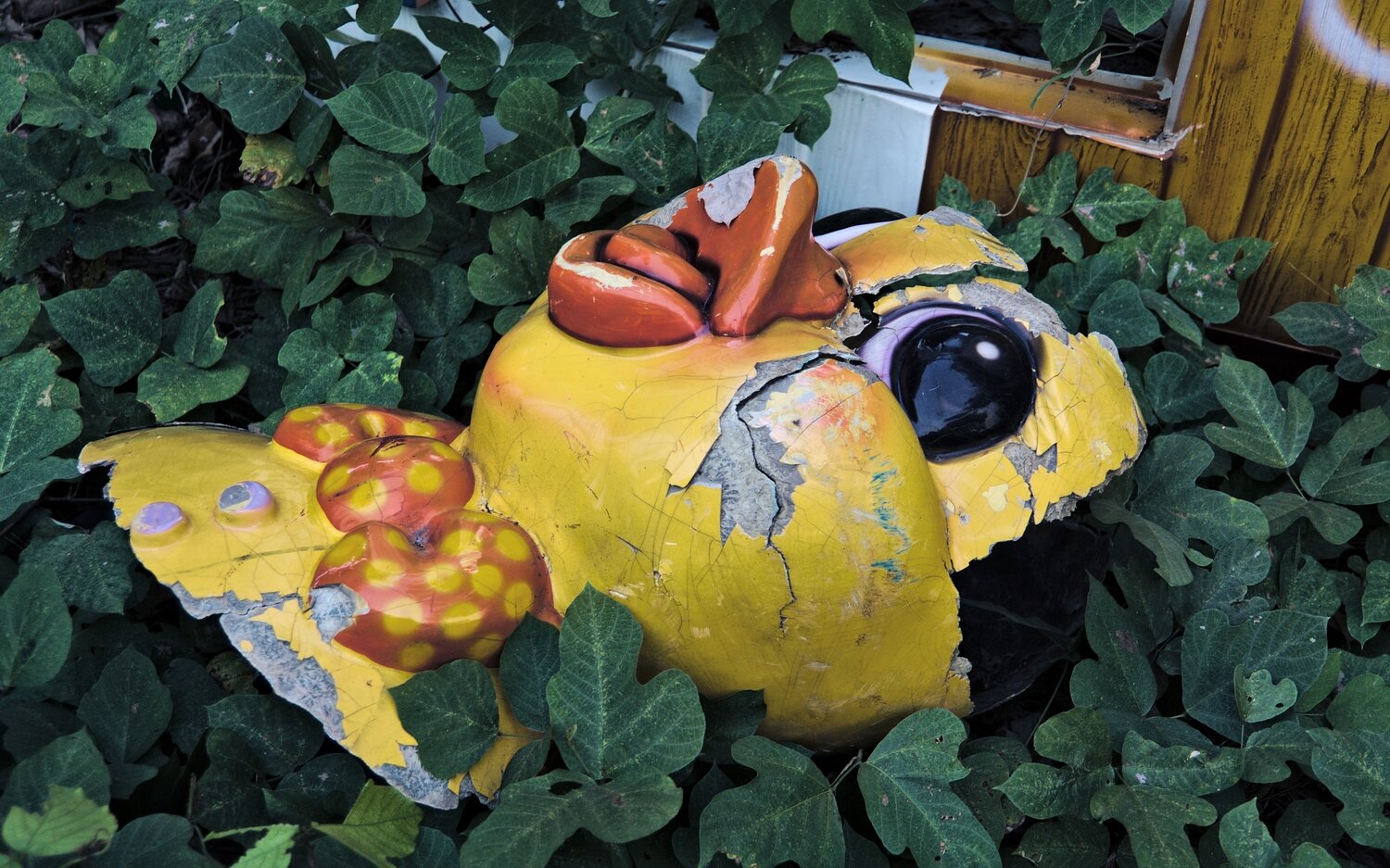
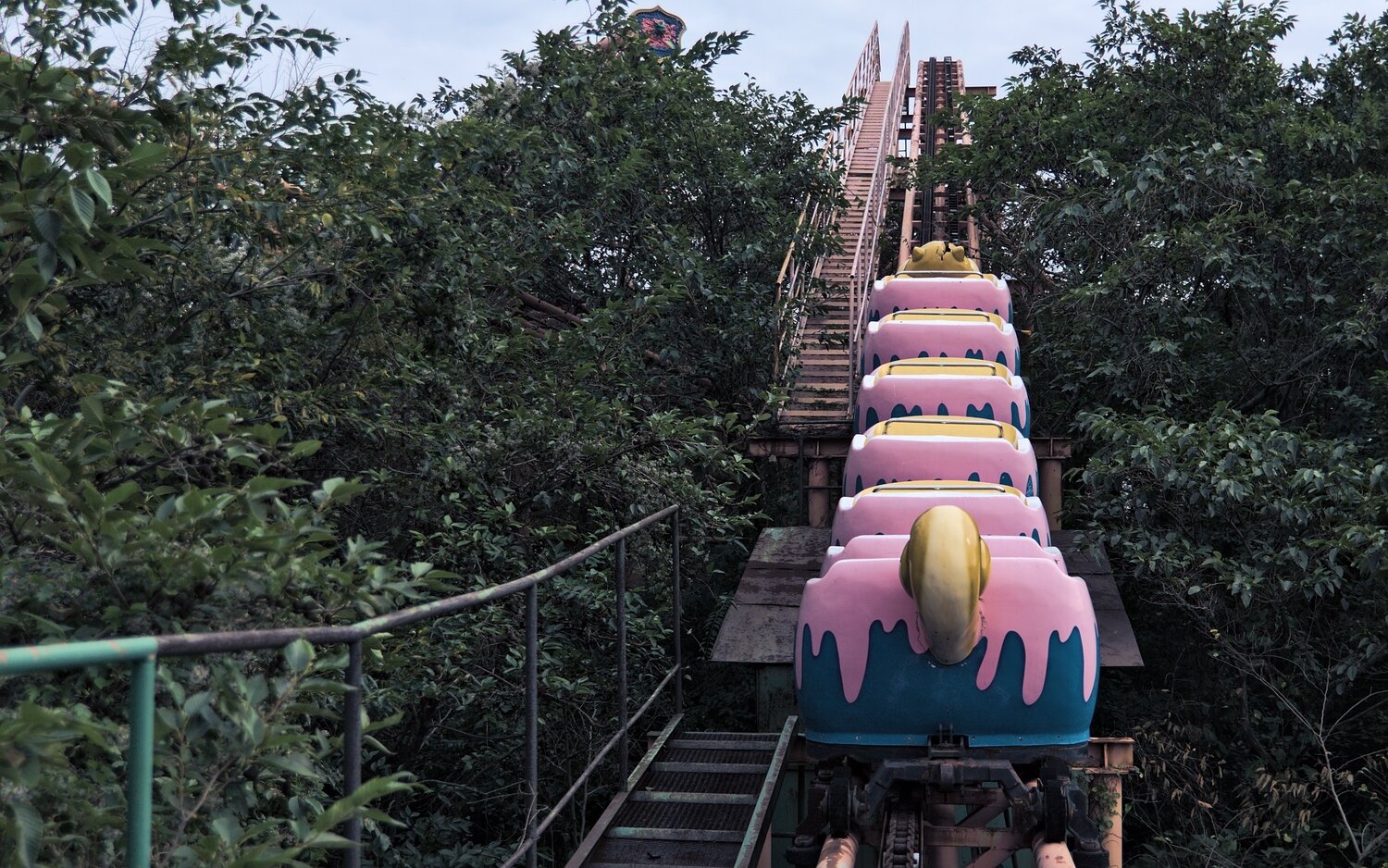
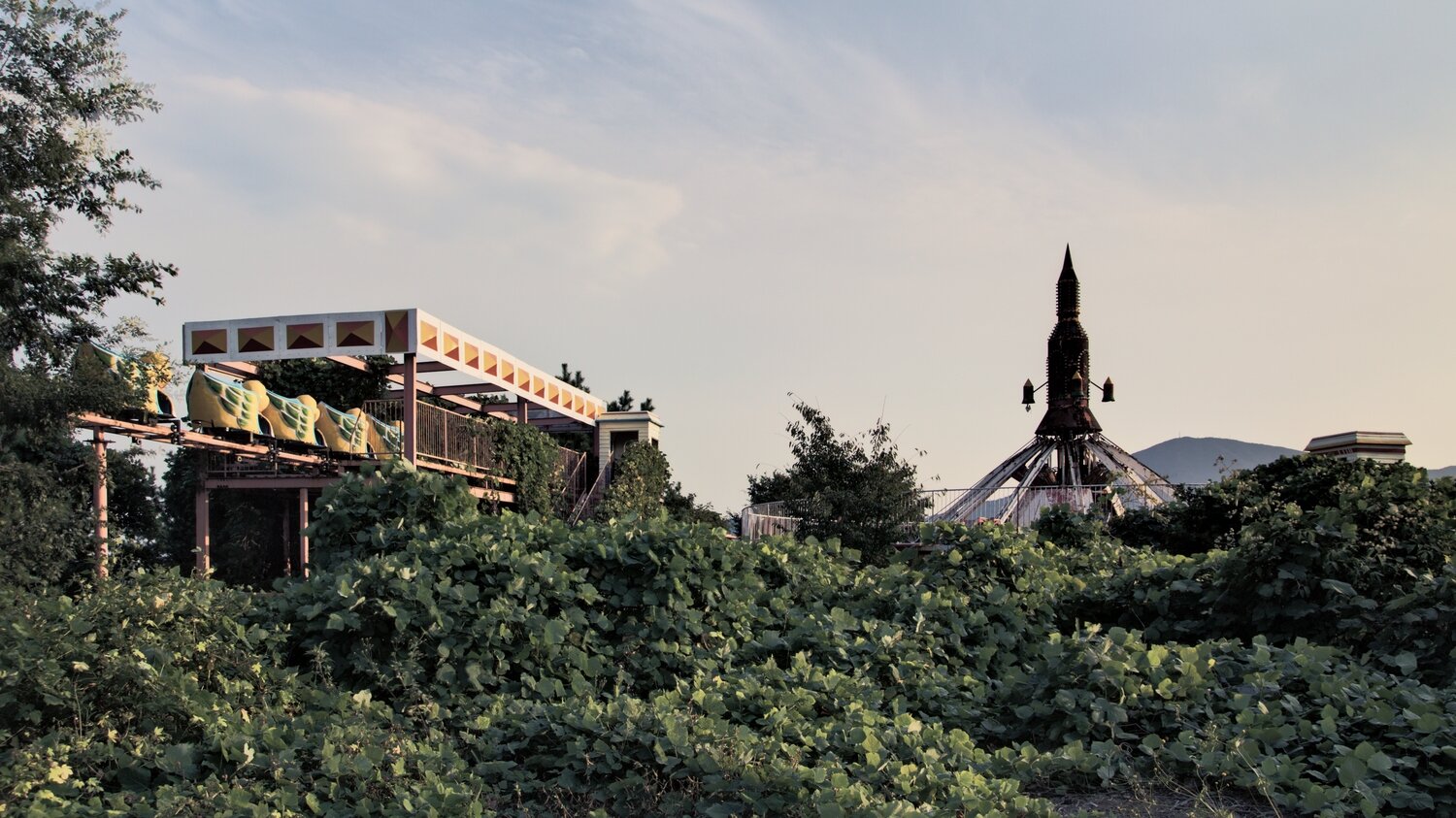
The park was relatively small compared to larger amusement parks like Lotte World or Everland, but it featured typical rides: a roller coaster, a Viking ship, bumper cars, a merry-go-round, and most infamously, a duck-themed roller coaster that would become the symbol of its decline.
The Closure and the Urban Legends
Okpo Land was abruptly closed in 1999, leaving behind unanswered questions and the skeletons of forgotten rides. The suddenness of its shutdown gave rise to numerous urban legends.
The most popular—and macabre—legend involves the duck roller coaster. According to the tale, a young girl fell from the ride and died. Park officials allegedly failed to take responsibility or make safety improvements. A year later, another fatal accident occurred—supposedly involving another child on the same ride—prompting the park’s immediate and permanent closure. While no official government records or credible news reports confirm these events, the story spread rapidly online, fueled by unsettling photos of the abandoned duck ride, with one cart eerily teetering at the edge of the track.
Other stories tell of hauntings, curses, and the spirits of children lingering among the ruins. These tales, while likely exaggerated or fictional, contributed to Okpo Land’s legendary status among urban explorers and horror enthusiasts.
The Rise of Internet Fame
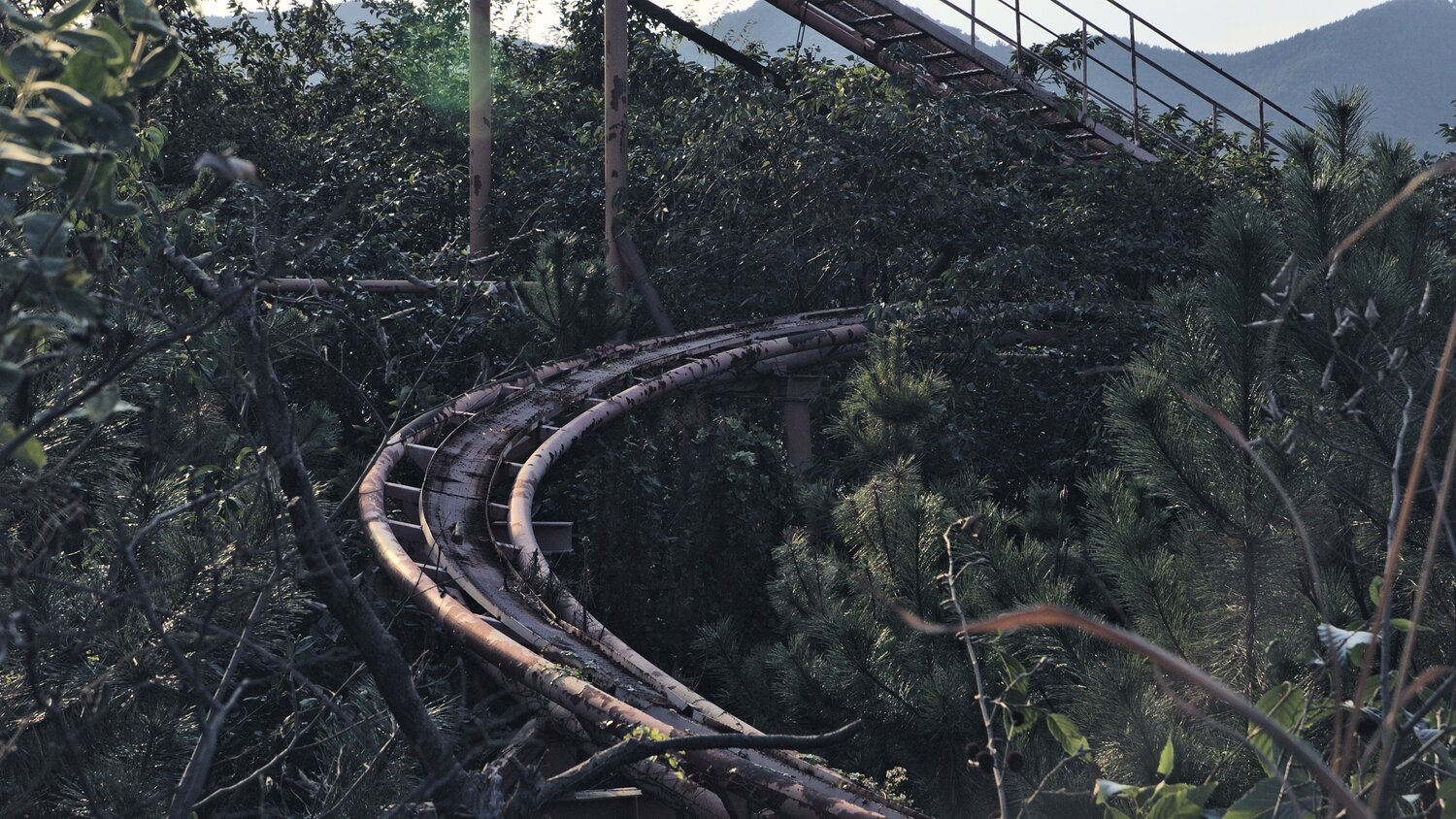
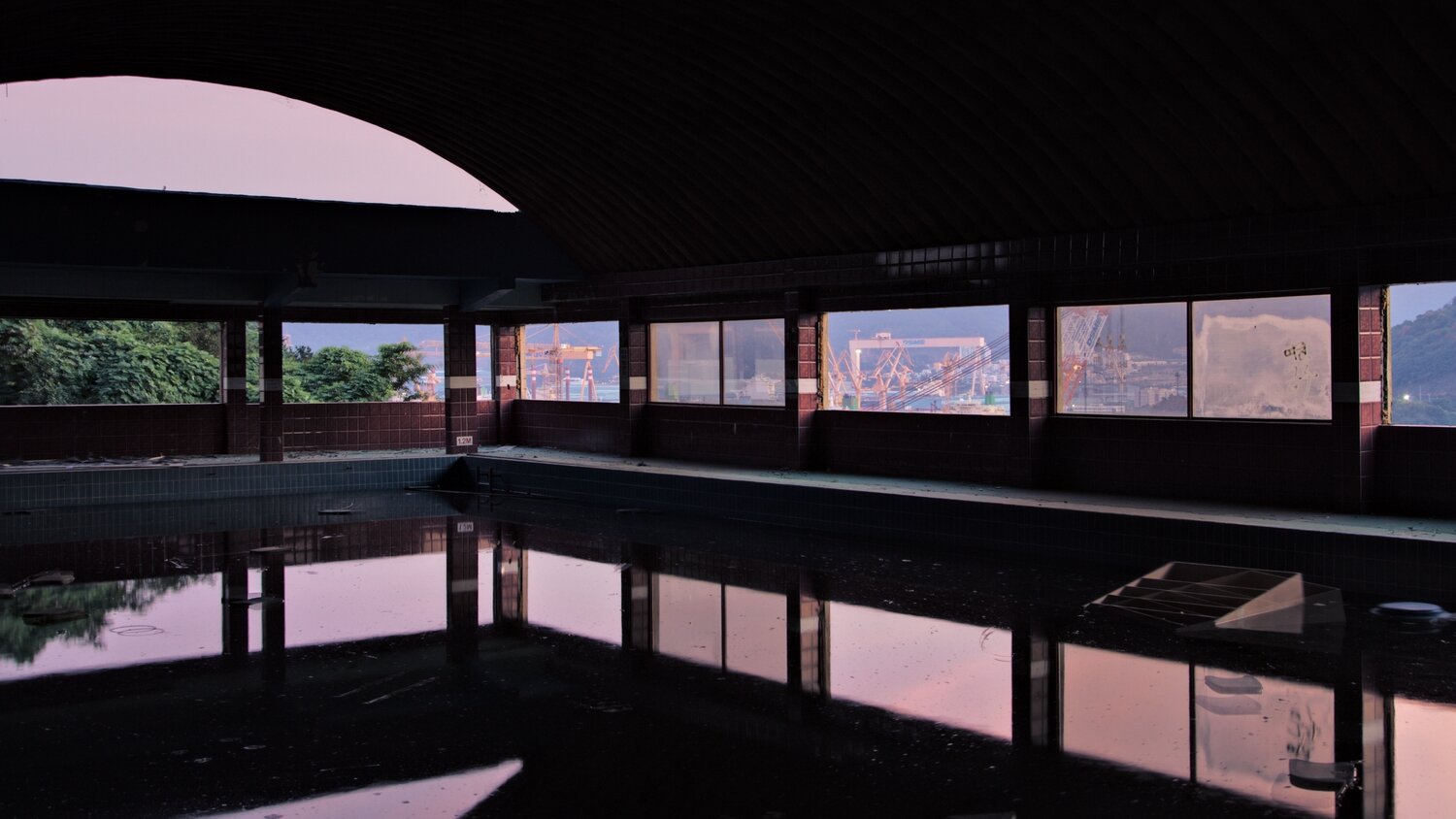
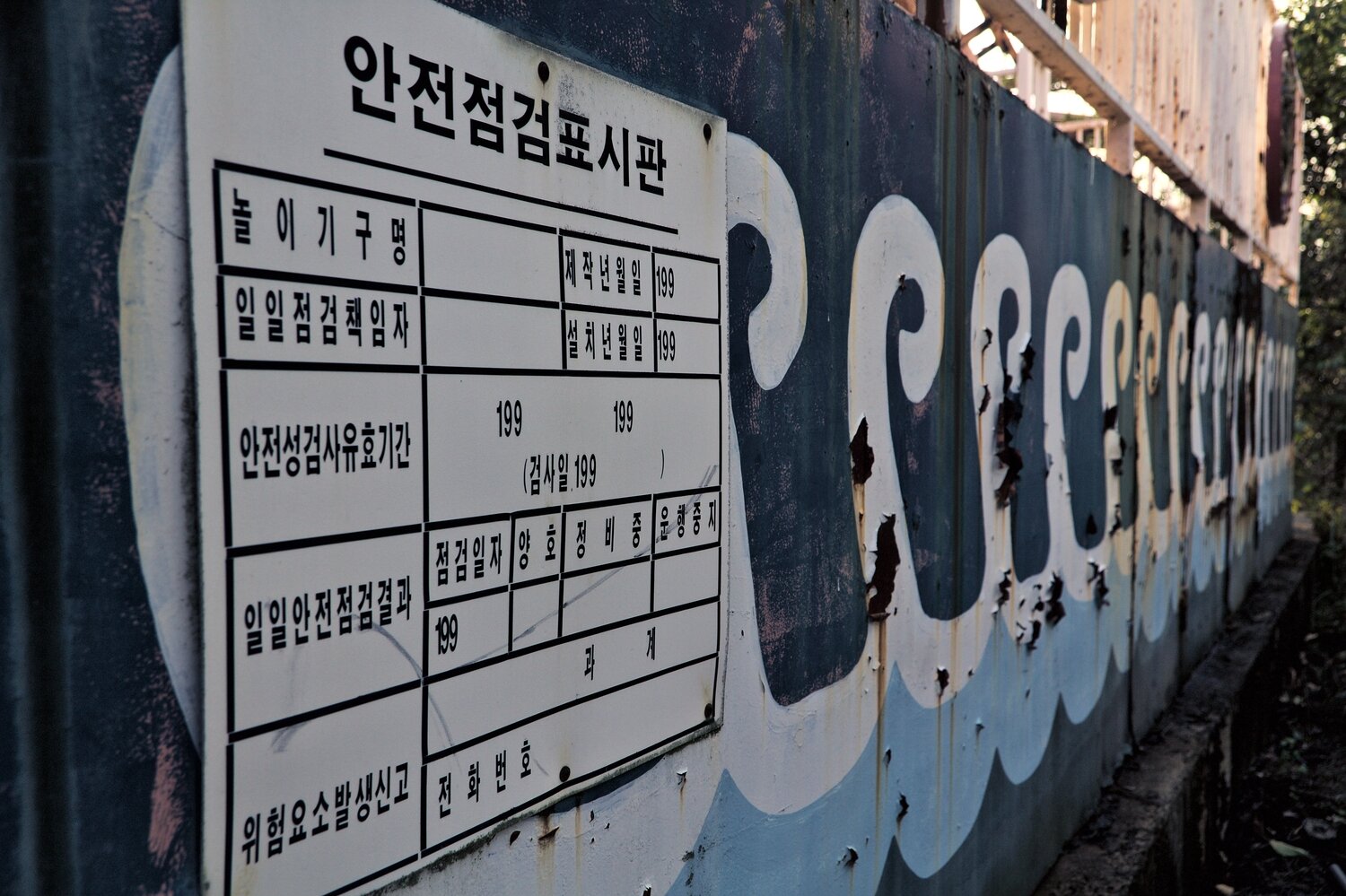
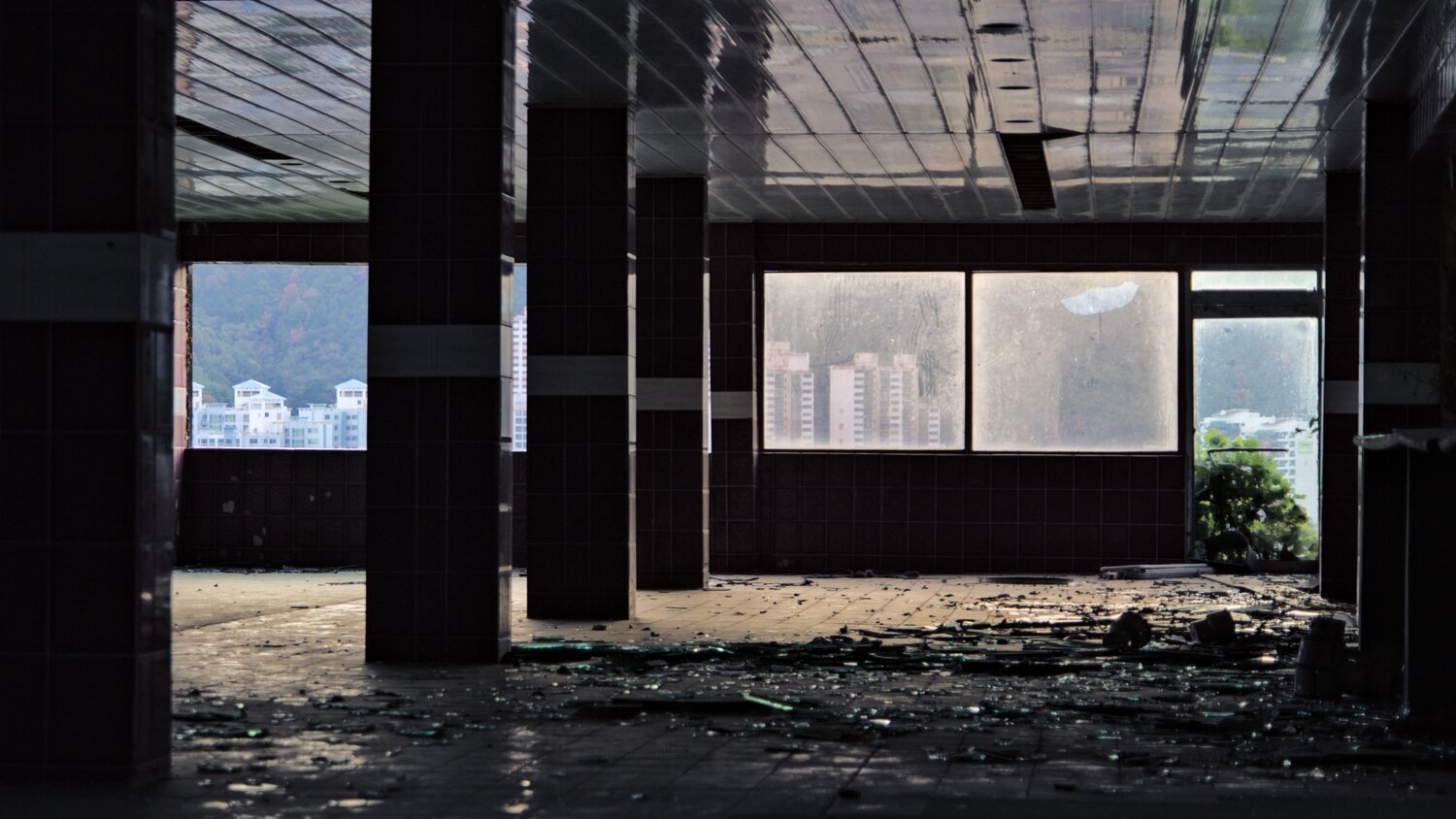
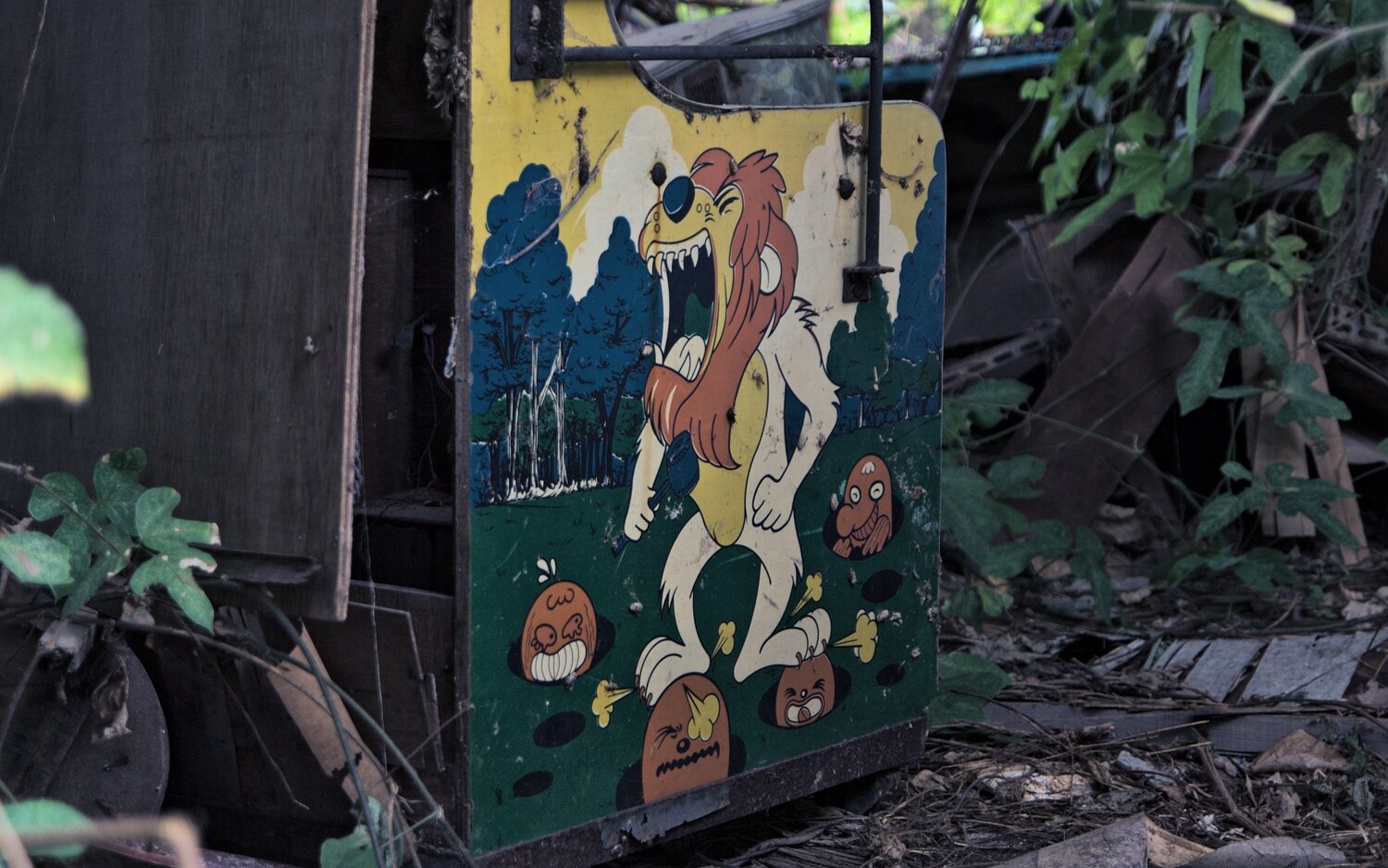
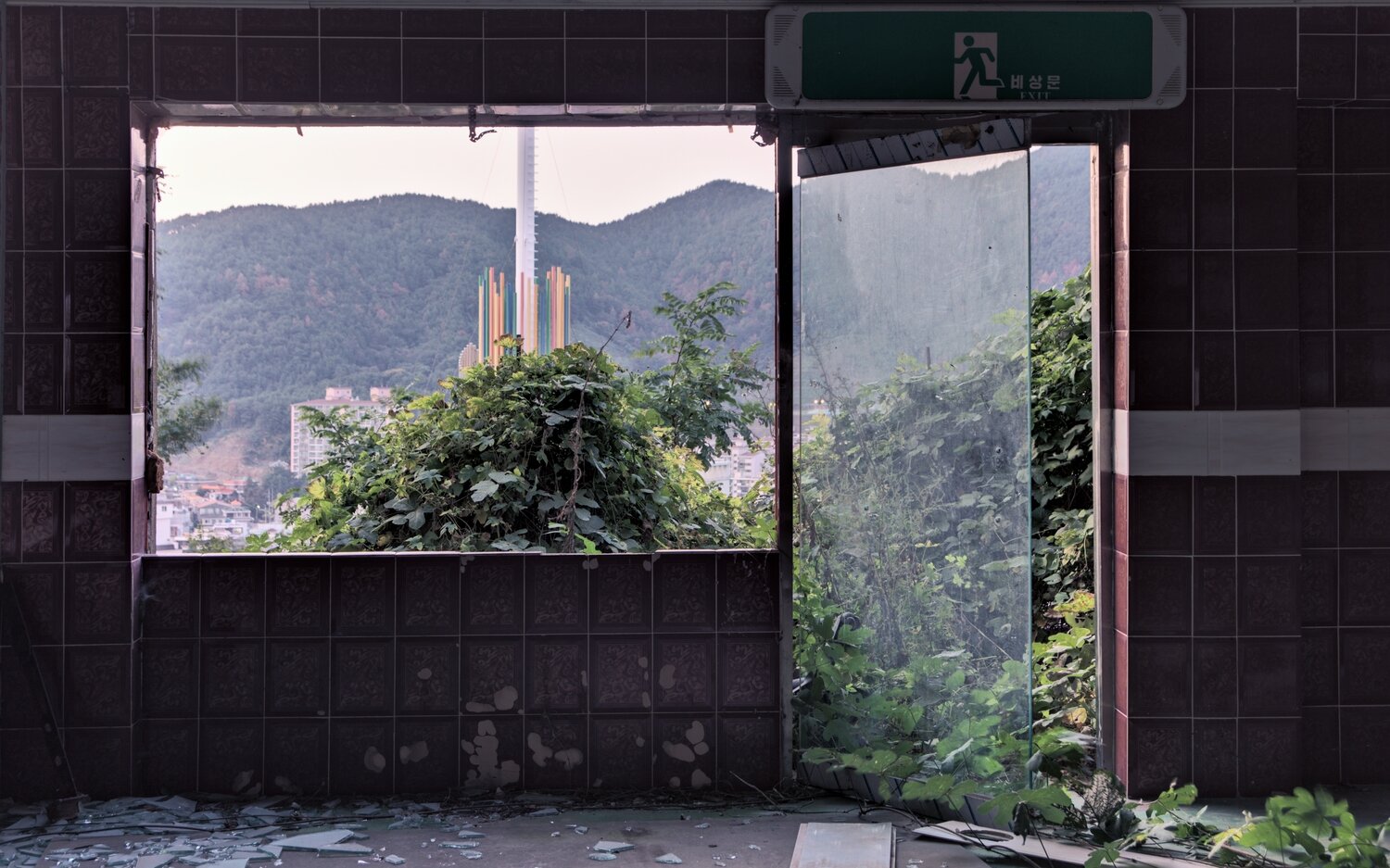
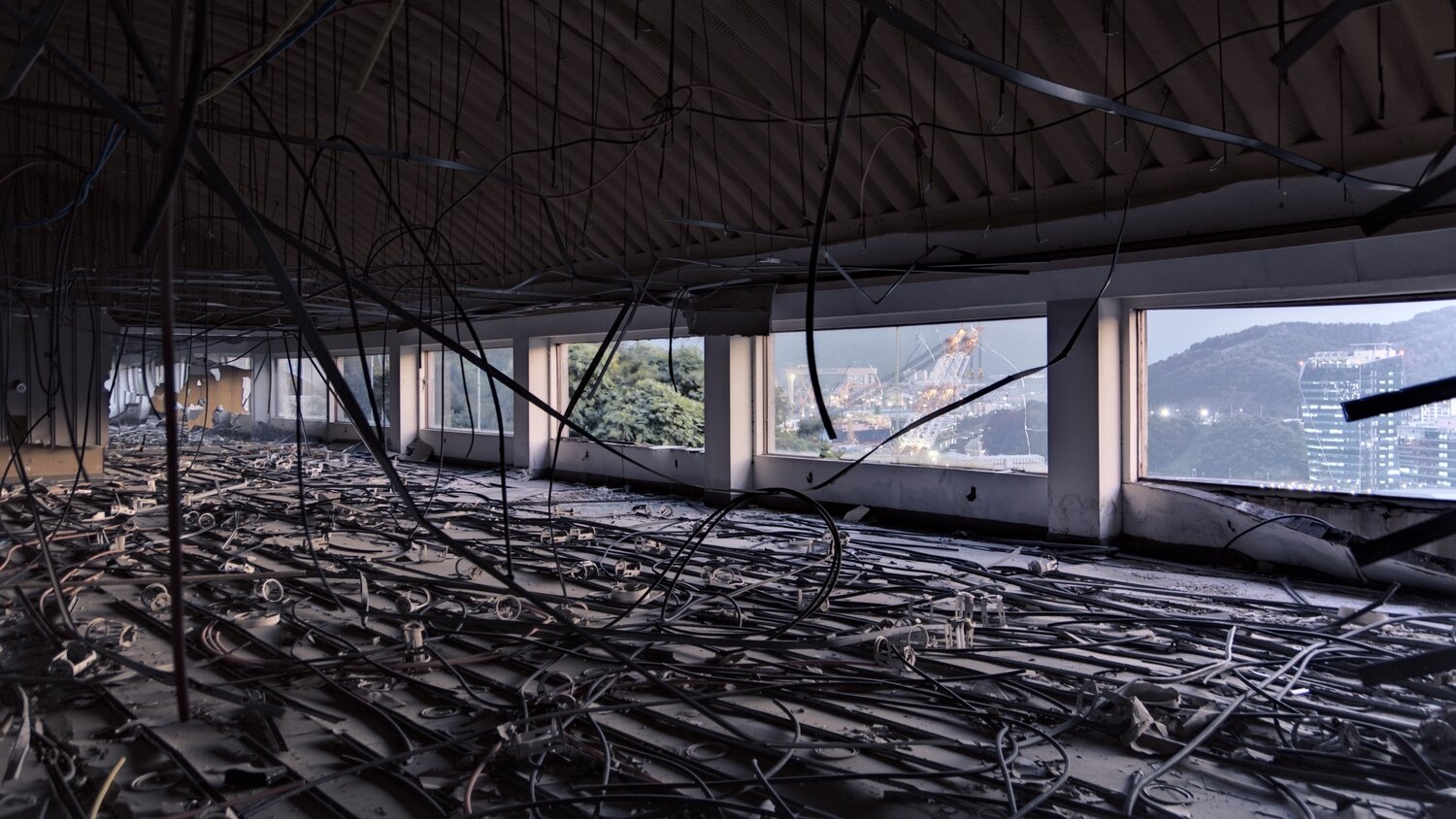
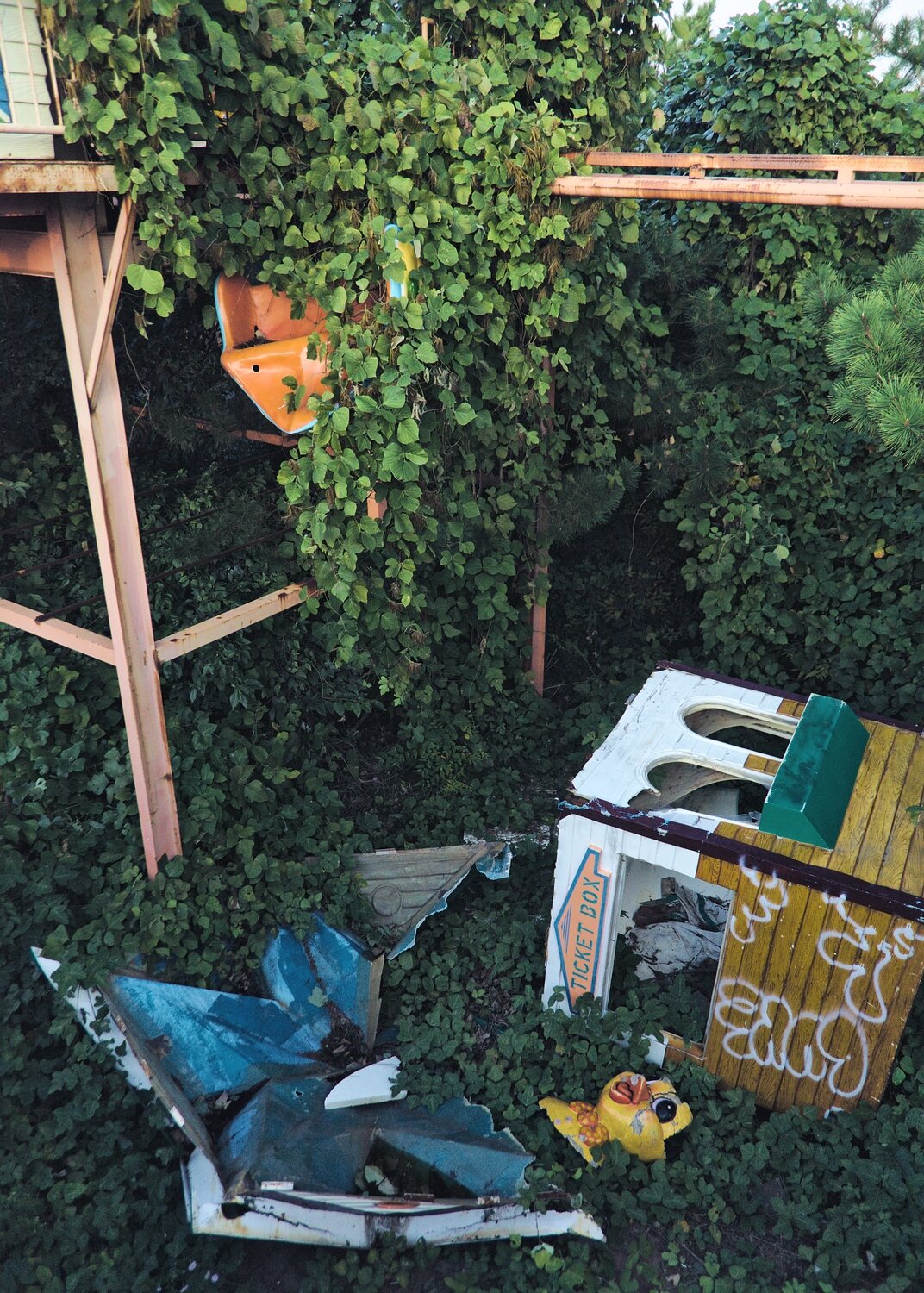
In the mid-2000s, Okpo Land became a fixture in abandoned places blogs and “haunted amusement park” lists worldwide. Photographers, thrill-seekers, and digital documentarians ventured into the dilapidated park to capture haunting images of rusted rides, graffiti-covered walls, and overgrown pathways. The juxtaposition of childhood joy and silent decay proved irresistible to a growing subculture fascinated by ruin porn—the aestheticization of decaying buildings and infrastructure.
Photos of the duck coaster became iconic. The image of the derailed duck cart hovering over a drop with the empty, cartoonish duck face staring blankly became symbolic of lost innocence and industrial decline.
Demolition and Redevelopment
By 2011, Okpo Land was completely demolished. The local government, citing safety concerns and redevelopment plans, cleared the land to make way for a hotel. Today, no trace of the original amusement park remains. The site is now home to The High1 Hotel, and visitors would have no idea that a notorious amusement park once stood there.
Despite its physical disappearance, Okpo Land continues to live on in digital memory and urban legend.
Separating Fact from Fiction
While the chilling stories surrounding Okpo Land add to its mystique, very little verified information supports the claims of fatal accidents. There are no publicly accessible police or media records documenting any deaths at the park. It’s likely that the real reasons for its closure were economic—declining attendance, financial losses, and safety concerns typical of small, underfunded amusement parks.
The lack of transparency or official statements may have fueled speculation. In South Korea, smaller amusement parks often operated with minimal oversight during the economic boom of the 1980s and ’90s, and many were unable to keep up with safety standards or compete with larger attractions.
Cultural Impact
Okpo Land remains a potent symbol in internet horror culture and is frequently mentioned alongside other haunted or abandoned amusement parks like Pripyat’s park in Chernobyl, Takakanonuma Greenland in Japan, and Spreepark in Germany. It has inspired horror stories, fan fiction, and even appeared in lists on YouTube and Reddit about creepy abandoned places.
For many, it symbolizes not only physical decay but also the loss of childhood wonder, industrial oversights, and the human fascination with places that were once full of life but now lie silent.
The story of Okpo Land is a mixture of truth, myth, and the cultural power of imagery. Though gone for over a decade, its legacy continues to fascinate and haunt those drawn to the forgotten corners of modern history. Whether a simple business failure or the site of a tragic mystery, Okpo Land occupies a unique space in South Korea’s urban legendscape—forever perched, like its infamous duck cart, on the edge of reality and myth.


