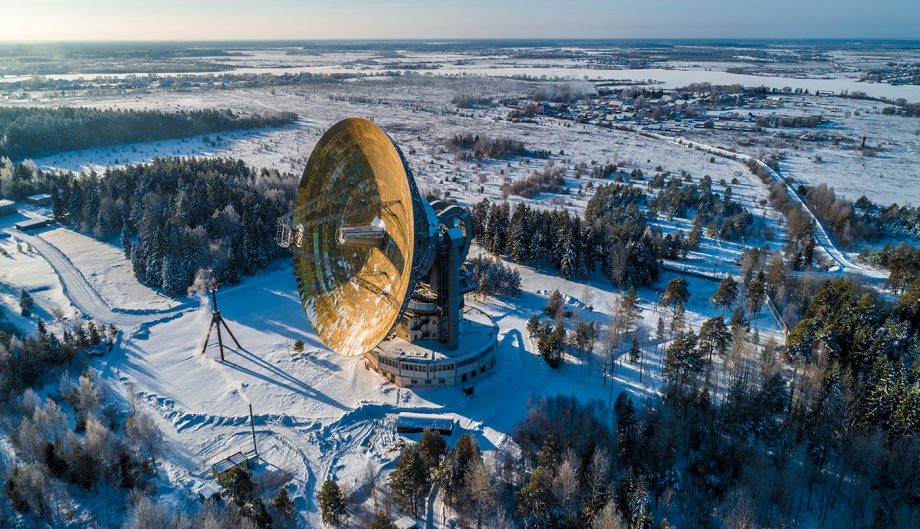
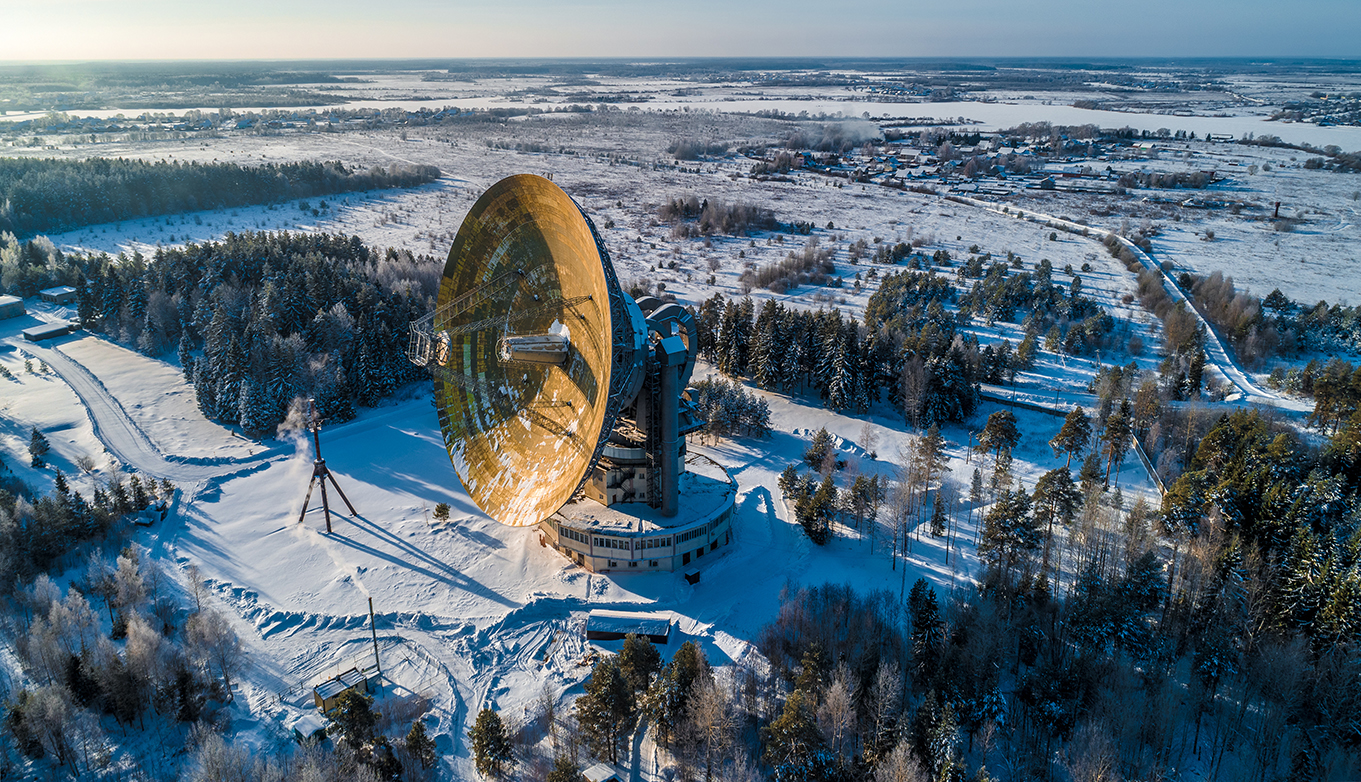
Russia’s RT-64, also known as the 64-meter radio telescope, is one of the most powerful and enduring assets in the country’s space communication infrastructure. Built during the Soviet era, the RT-64 serves a critical role in deep-space tracking, planetary exploration, and radio astronomy. This article examines the technical specifications, strategic importance, and operational history of the RT-64, highlighting its ongoing relevance in an increasingly competitive space domain.
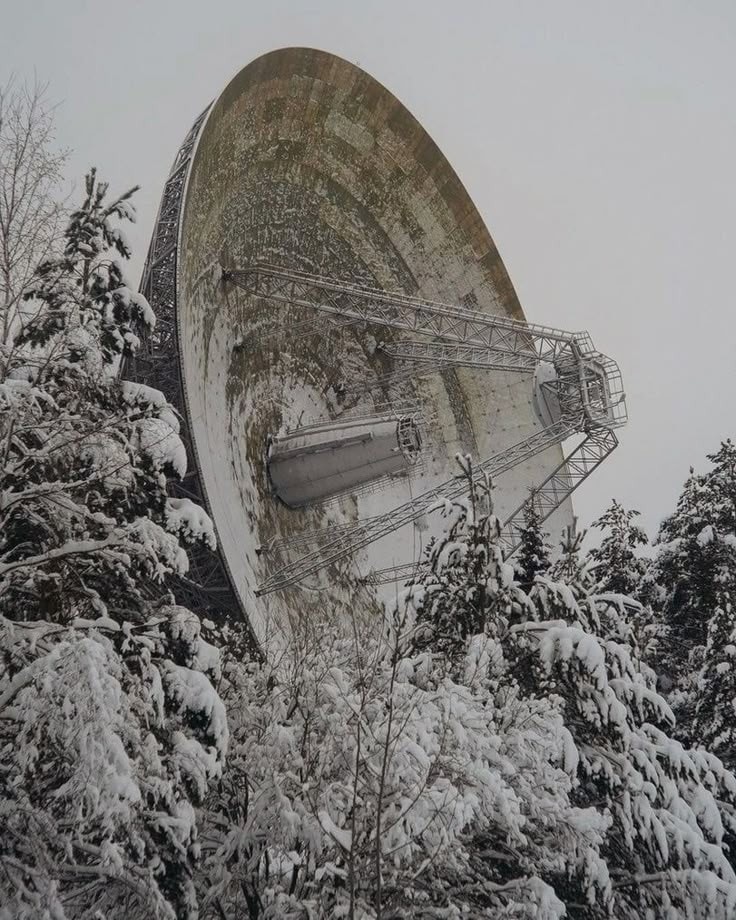
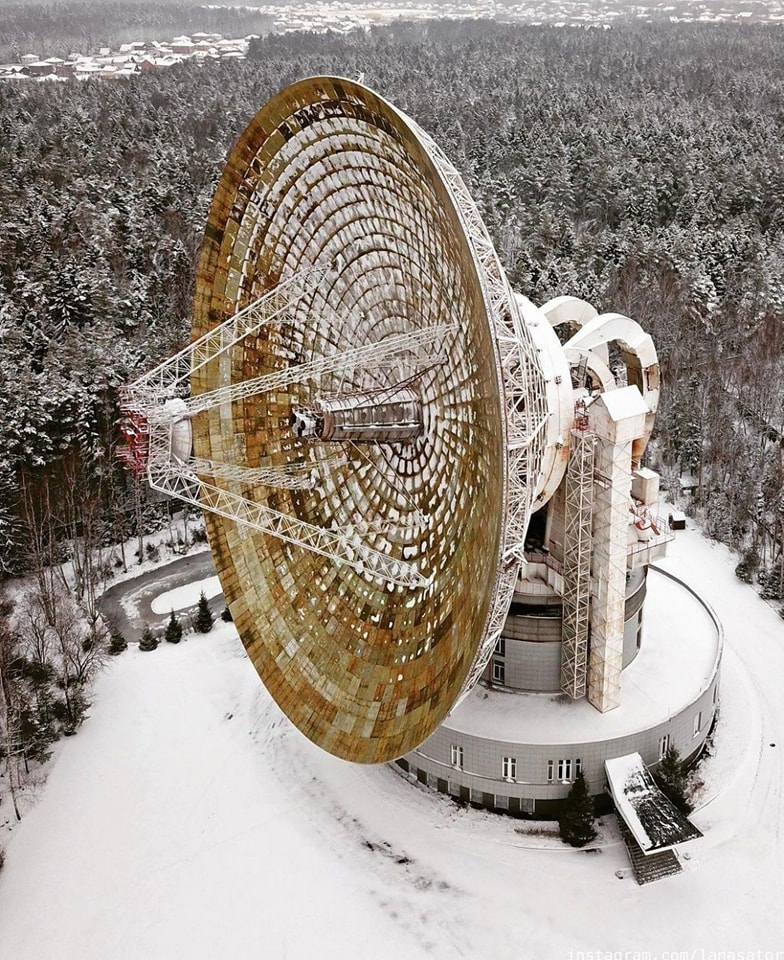
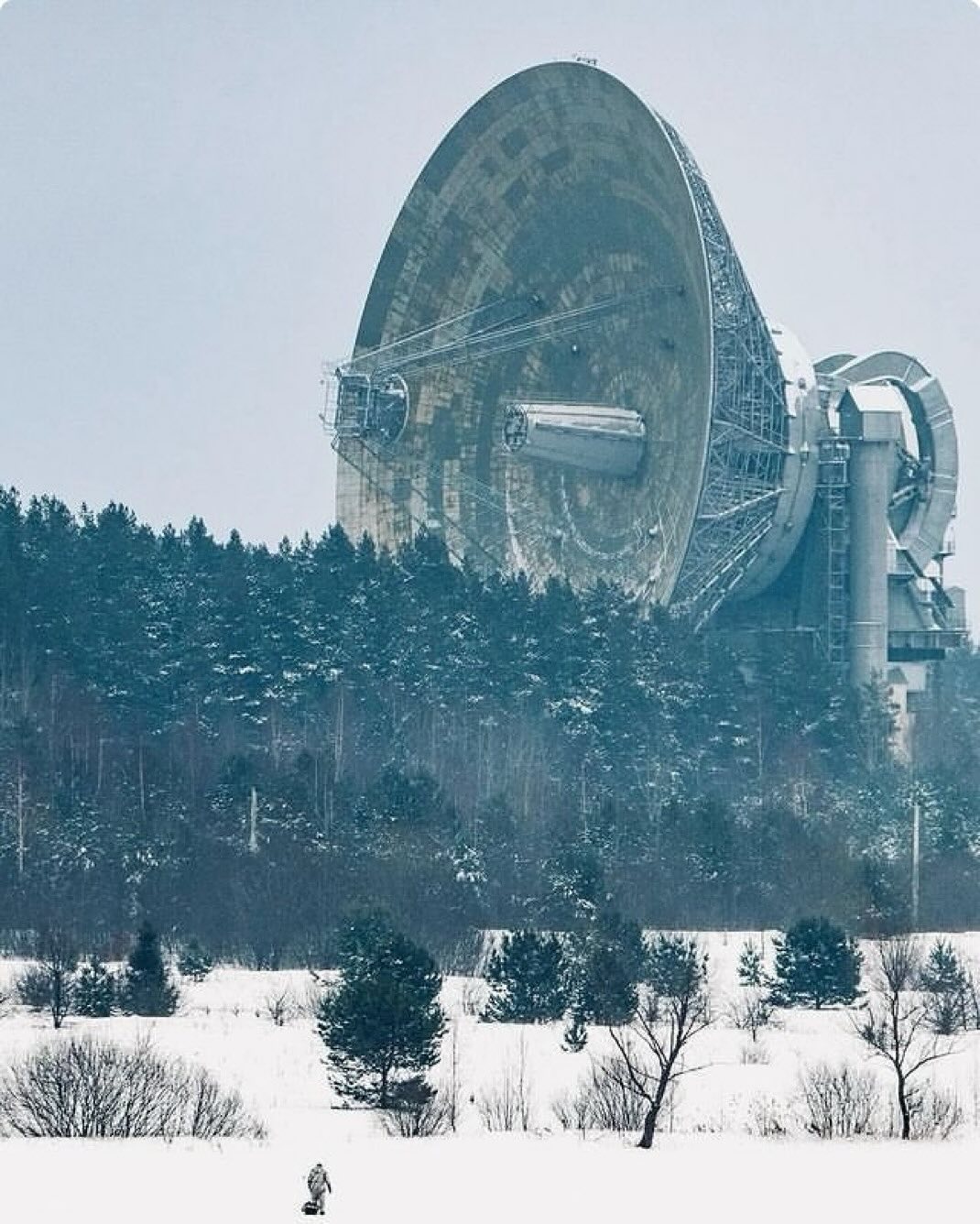
The RT-64 refers to a class of large parabolic radio antennas with a dish diameter of 64 meters (about 210 feet). There are two known RT-64 installations:
- Bear Lakes RT-64 (near Moscow)
- Simeiz RT-64 (Crimea, near Yalta)
Both were constructed in the 1960s-1970s as part of the Soviet Union’s expansion into deep space communications and interplanetary missions.
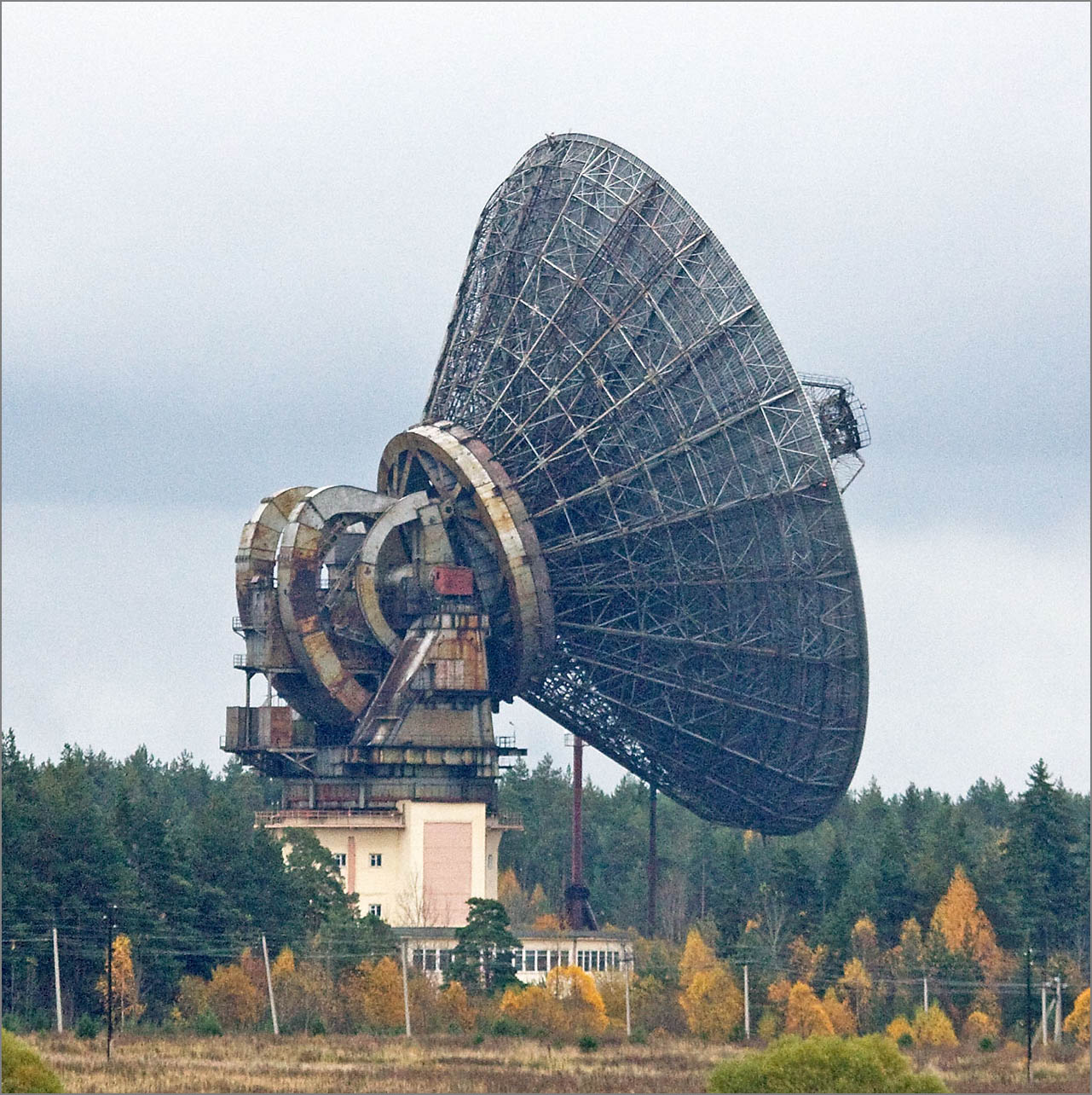
Technical Specifications
- Antenna Diameter: 64 meters
- Frequency Range: Typically 2 GHz to 32 GHz (S, X, Ka bands), depending on the specific upgrade or mission
- Tracking Precision: High-accuracy tracking of interplanetary spacecraft
- Operational Range: Earth-Moon and interplanetary distances
- Mobility: Fully steerable azimuth-elevation mount
- Key Systems: Cryogenic receivers, radar transmitter (in some configurations), advanced signal processing hardware
These antennas are designed to send commands to and receive telemetry from spacecraft, measure cosmic signals, and support planetary radar observations.
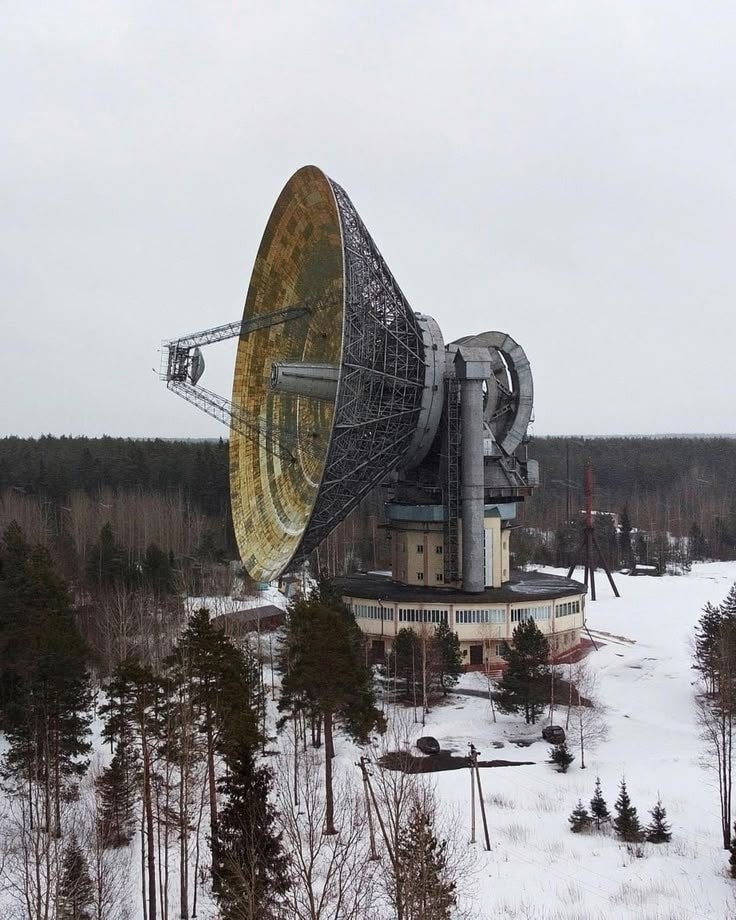
Strategic Roles and Capabilities
1. Deep Space Communication
The RT-64 is part of Russia’s Deep Space Network (DSN), analogous to NASA’s DSN. It provides high-gain signal transmission and reception for missions beyond low Earth orbit (LEO), including lunar, Mars, and Venus probes. The powerful dish and sensitive receivers are capable of detecting extremely weak signals over hundreds of millions of kilometers.
2. Space Science and Radio Astronomy
Besides spacecraft tracking, the RT-64 is used in Very Long Baseline Interferometry (VLBI), where it works in coordination with other radio telescopes globally to simulate a much larger dish. This is crucial for high-resolution imaging of distant cosmic sources like quasars, pulsars, and black holes.
3. Military and Intelligence Support
Given its deep space capabilities and potential for radar imaging, the RT-64 may support military satellite communication and intelligence-gathering operations, though such uses are not officially disclosed.
Historical Highlights
- Luna and Venera Missions: The RT-64 supported Soviet missions to the Moon and Venus during the space race era, acting as a communication relay and scientific data collector.
- Phobos Program: The Bear Lakes RT-64 played a key role in the ill-fated Phobos 1 and Phobos 2 Mars missions in the late 1980s.
- International VLBI Cooperation: Post-Cold War, Russia integrated the RT-64 into global networks such as the European VLBI Network (EVN), contributing to international astrophysical research.
Upgrades and Modernization
In recent years, efforts have been made to modernize RT-64 systems to keep pace with newer technologies:
- Installation of updated cryogenic receivers
- Digitization of signal processing chains
- Improved tracking software
- Integration with fiber-optic data links for faster communication with research centers
These upgrades allow the RT-64 to remain relevant for both scientific and strategic missions amid rising competition from China, the U.S., and private space firms.
Challenges and Geopolitical Context
Russia’s space infrastructure, including the RT-64, faces aging hardware and limited funding due to economic sanctions and internal budget constraints. The annexation of Crimea in 2014 brought the Simeiz RT-64 under full Russian control, ending Ukrainian access to the facility and complicating international scientific cooperation.
Despite these hurdles, the RT-64 remains a cornerstone of Russia’s space capability, especially as Roscosmos pushes for lunar missions and expanded Mars exploration in the 2030s.