Beneath the bustling streets of Moscow lies a network whispered about in tense tones: Metro‑2—a covert subterranean transport system rumoured to be hidden beside the public Metro. A blend of documented fact, speculation, and Cold War intrigue, Metro‑2 continues to ignite imaginations. This article delves into its alleged origins, supposed architecture, conflicting accounts, and enduring mystery.
Origins: Stalin’s Underground Lifeline
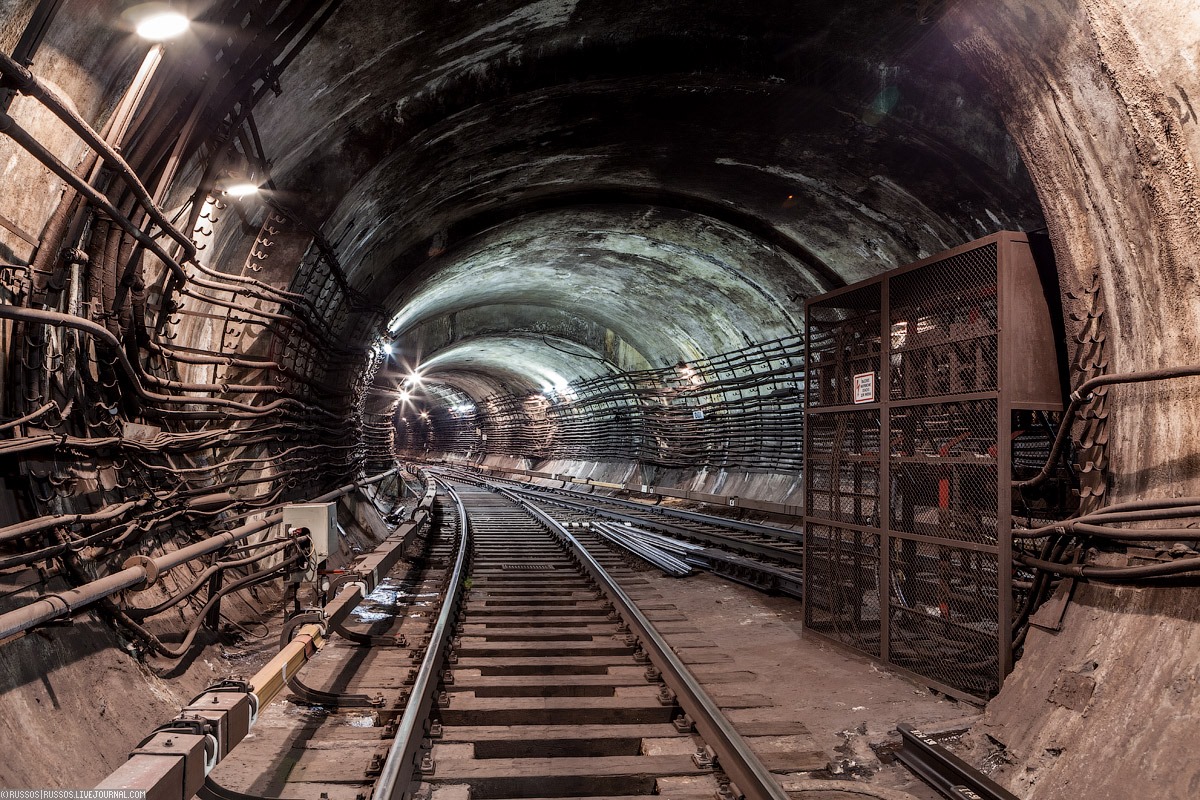
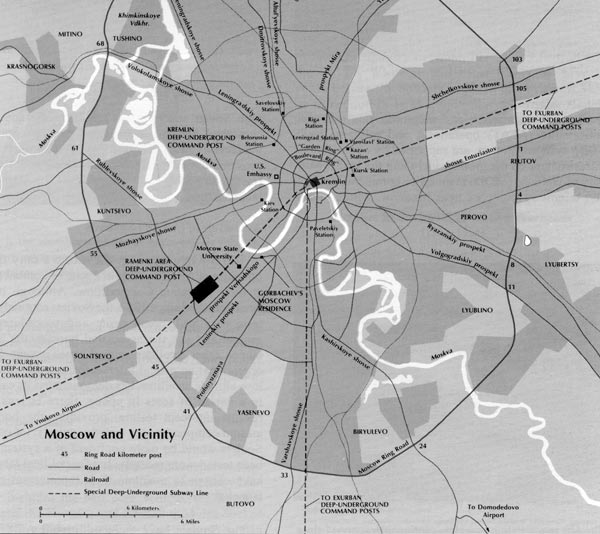
Metro‑2—or D‑6, as it was codenamed within Soviet security circles—emerged during the height of Stalin’s paranoia. Its purpose was to offer secure evacuation routes and wartime communication links for the Soviet leadership, far beneath the reach of nuclear strikes or aerial bombardment. The system is reputedly parallel to the public Metro, connecting military and government strongholds, including:
- The Kremlin, possibly with bunkers beneath.
- FSB headquarters, the Ministry of Defence, and other critical command facilities.
- The Vnukovo‑2 airport, used for state arrivals and potential evacuations.
- The Ramenki underground complex, described by some as an “underground town.”
Unravelling the Truth: What Evidence Exists?
Archival Fragments and Expert Commentary
Post-Soviet declassification has offered glimpses into Metro‑2’s reality. According to declassified files, by the late 1960s a single-track tunnel existed between the Kremlin and a location south of Moscow State University, with a branch skirting Matveevskaya railway platform. Later rumours extended lines to Vnukovo and other strategic points, though those remain speculative.
Figures within the system have offered restrained affirmations:
- Vladimir Shevchenko acknowledged an underground rail between the Kremlin and Stalin’s dacha, plus links between the General Staff and other facilities.
- Mikhail Poltoranin described a vast network of tunnels for command and control in wartime, with branches extending out to the suburbs.
Physical Clues in Plain Sight
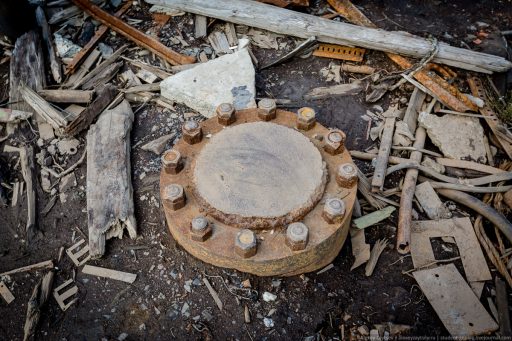
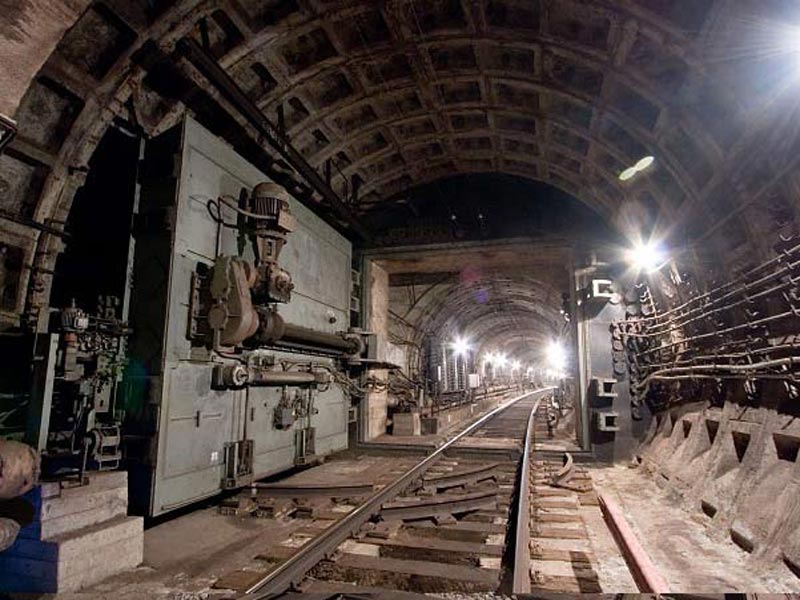
Several surface markers fuel speculation. Unusual ventilation shafts or sealed mining caps in central Moscow—apparently inactive subway shaft remnants—have been spotted near iconic locations such as Red Square and Kitay-Gorod. Abandoned stairwells and blocked passages inside Metro stations, along with a suspicious dead-end track by Sportivnaya station, are sometimes cited as possible entry points to this hidden system.(Russia Beyond, The Guardian, blogs.ubc.ca, garagemca.org)
Anatomy of the Rumoured Network
Although official details are scant, descriptions of Metro‑2 converge on several key aspects:
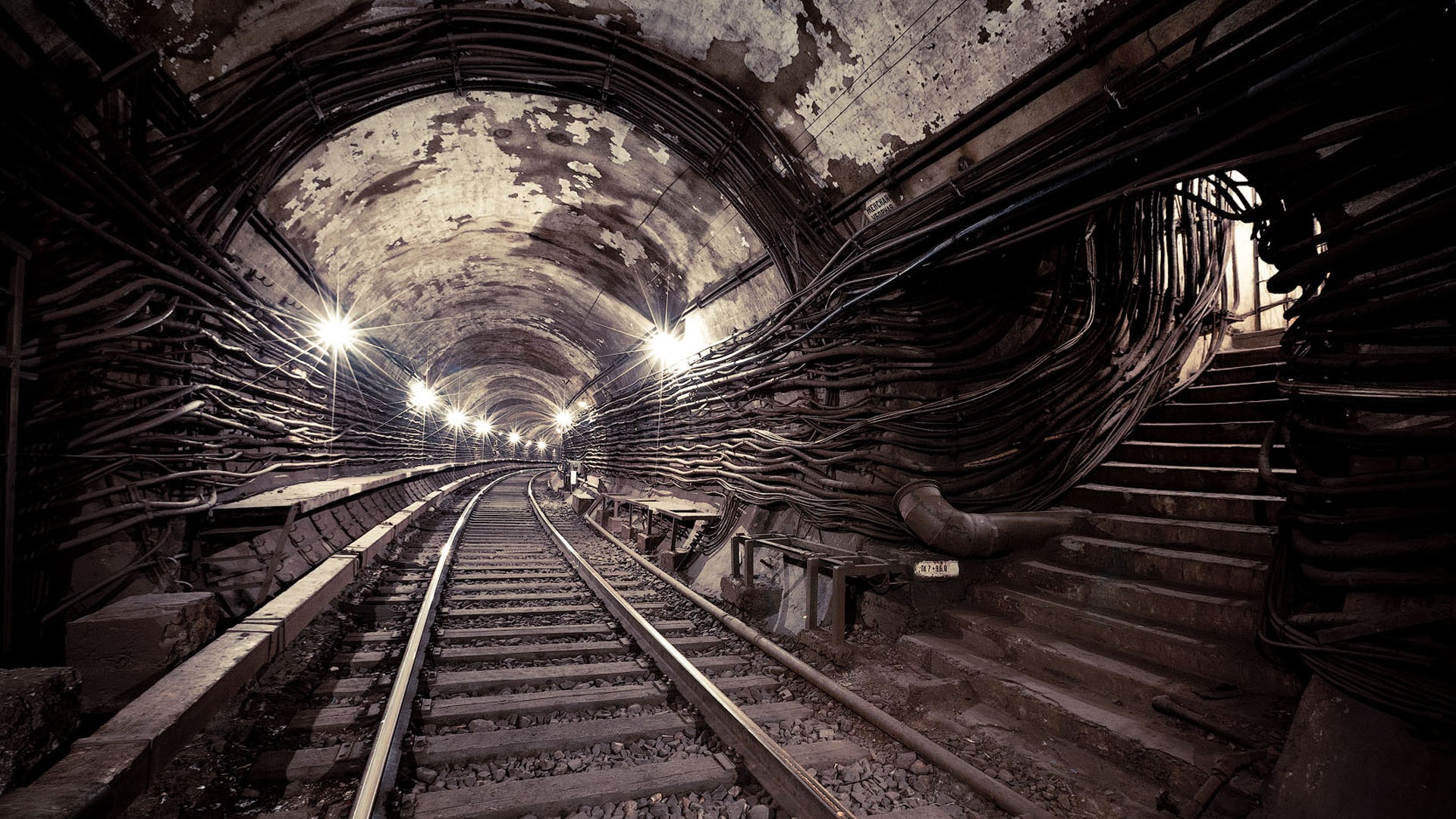
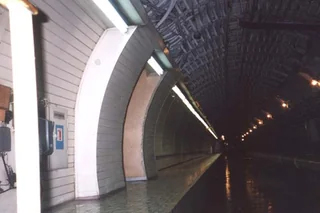
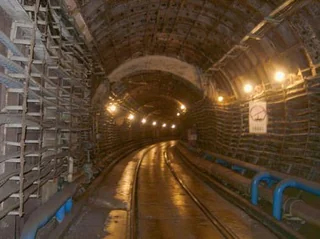
- Depth: Reportedly sits 50 to 200 metres below ground—far deeper than public lines.
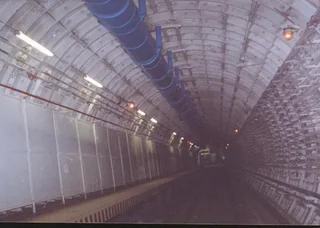
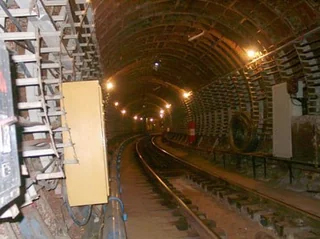
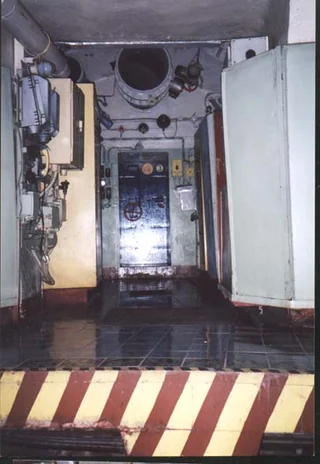
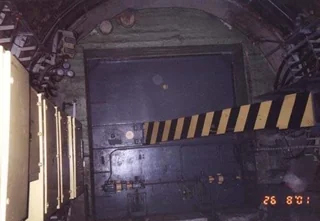
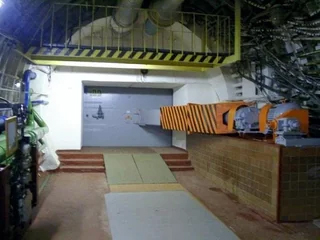
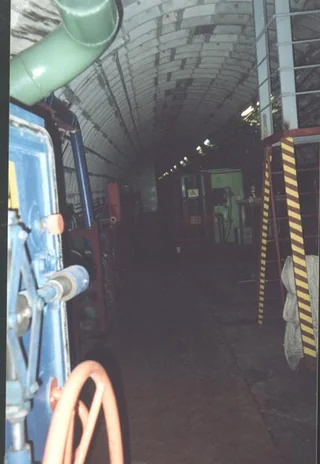
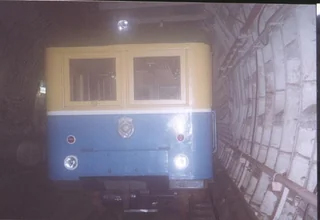
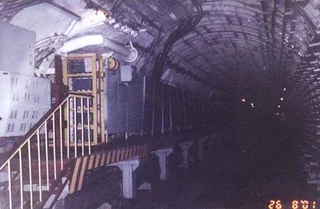
- Structure: Rumoured to include up to four lines, with concrete‑embedded rails, hermetic gates, blast-resistant doors, and fully capable living and working quarters.
- Purpose: Beyond transport, Metro‑2 is believed to serve as an emergency command centre, fully equipped for extended wartime use.(Wikipedia, OrangeSmile, In Your Pocket)
Urban Myth or Reality?
Metro‑2 occupies a space between myth and lived experience:
- Urban explorers, particularly the “Diggers of the Underground Planet,” claimed to have discovered an entrance in 1994—but their evidence remains unverified.(Wikipedia)
- Cultural memory has kept the concept alive—with stories of mutant rats, spectral figures, and frozen corridors. Some officials have never openly denied the system’s existence, fuelling speculation.(Russia Beyond, In Your Pocket)
- Alternate uses have been floated over time. In the 1970s and onwards, planners may have considered tapping Metro‑2 for civilian use, though its strategic value likely outweighed such plans.(Wikipedia, Vocal)
Why Metro‑2 Remains Shrouded
Several factors maintain Metro‑2’s secrecy:
- National security: Its function as a strategic evacuation and command system makes public disclosure unlikely.
- Compartmentalisation: Even officials are said to only have partial knowledge—no one person holds the full blueprint.
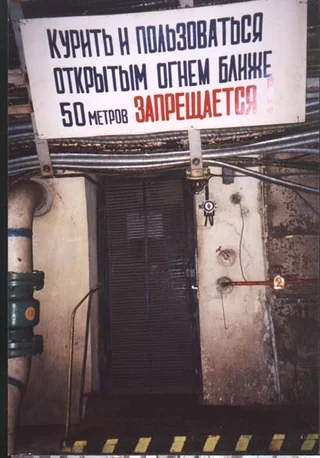
- Safety and access: Official denial stifles research, while potential hazards inside classified tunnels make public access unrealistic. Any attempt to explore them is strictly prohibited.(Russia Beyond, garagemca.org, Vocal)
Metro‑2 in Popular Culture
Metro‑2 has emerged as one of Russia’s most enduring urban legends. Emerging from Cold War fears, it also highlights Soviet-era architectural audacity and the country’s fixation on survival infrastructure. Media coverage, conspiracy theories, and speculative literature keep the narrative alive—entwining truth, half-truths, and the unknown.
Final Thoughts
Metro‑2 lies at the crossroads of myth and history. Evidence suggests a secret track, likely conceptualised as a lifeline for Soviet leadership under siege, was built beneath Moscow. Even so, the full extent, operation period, and present status remain unknown—guarded by official silence and layered in intrigue.
As long as entrances remain hidden and the tunnels lie under silent guard, Metro‑2 will endure as one of the most fascinating—and elusive—remnants of a bygone era of espionage and strategic engineering.
If ever the truth emerges, it will illuminate not just Soviet paranoia, but the enduring power of secrecy in shaping history’s hidden passages.