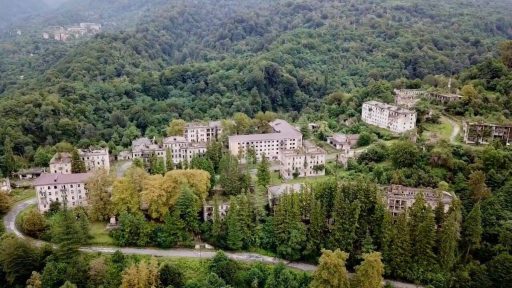
Nestled in western Georgia’s Imereti region, approximately 9 km from Kutaisi, lies Tskaltubo—a town once celebrated as one of the grandest spa resorts of the Soviet era. Known for its warm radon-carbonate springs, architectural splendor, and state-sponsored balneotherapy, this resort town now stands at a crossroads: part eerie time capsule, part burgeoning redevelopment project. This is the story of its rise, fall, and potential rebirth.
Origins of a Spa Legend
Tskaltubo has been renowned for its mineral springs since at least the 18th century, but it entered medical prominence in the 1920s when chemical tests revealed its waters to emerge at 33–35 °C—ideal for balneotherapy without modification. In 1920, the Georgian Soviet government nationalized the area and declared it a medical spa complex. Construction began in 1926, and in 1931 Tskaltubo was formally designated a premier balneological resort, with master plans implemented in subsequent decades.
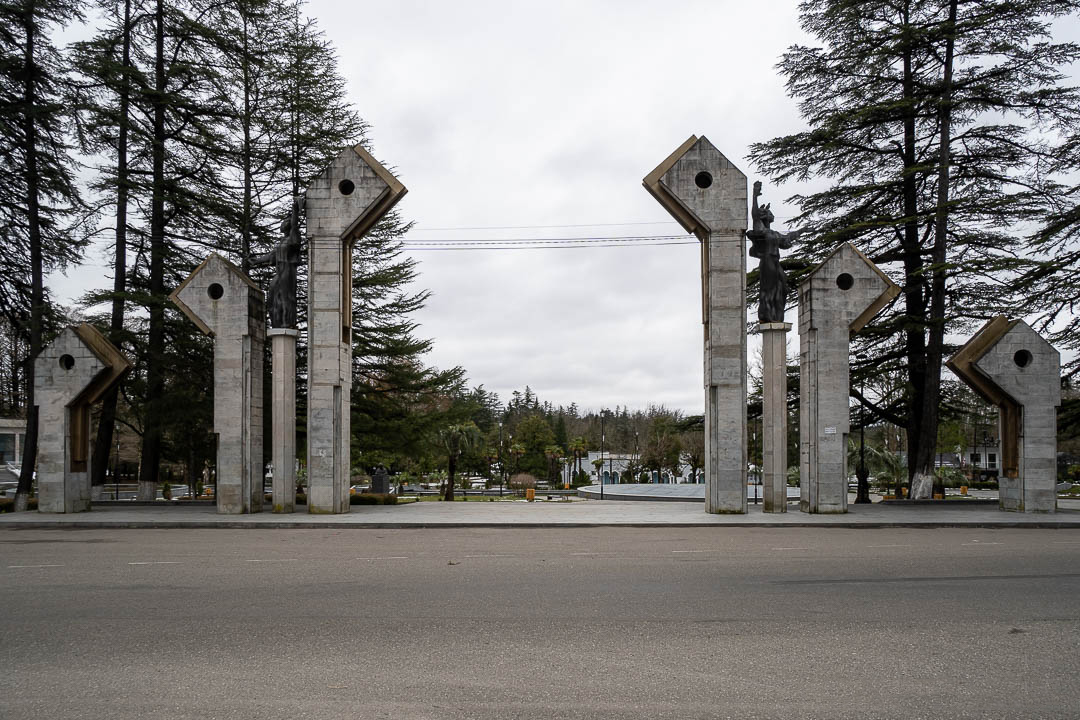
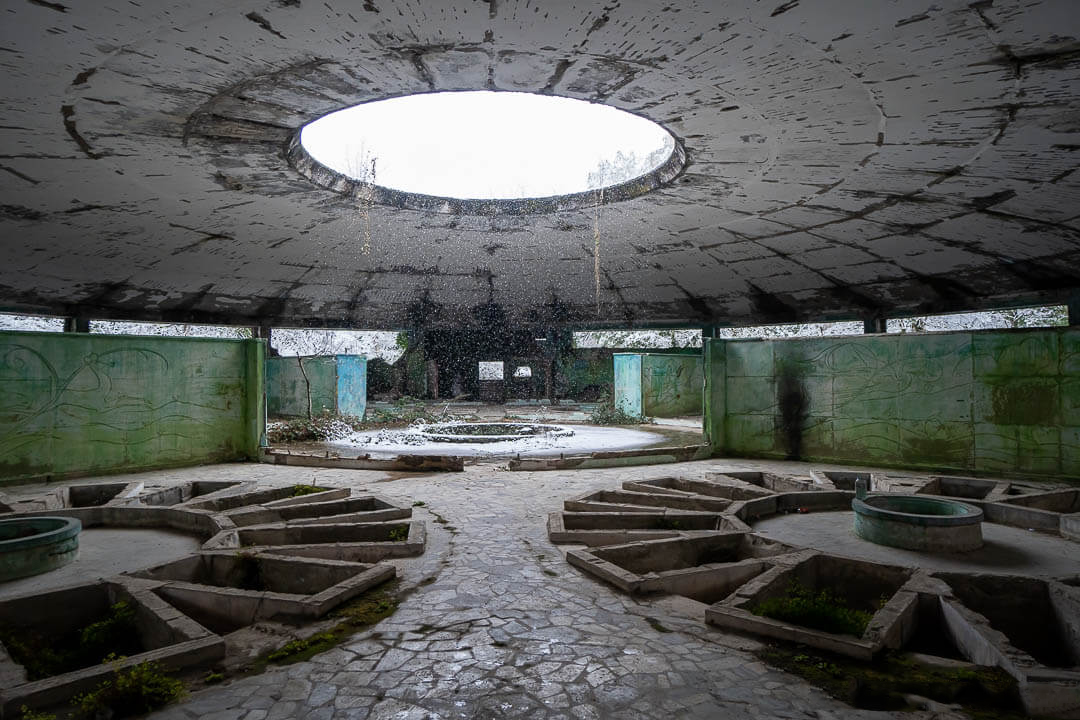
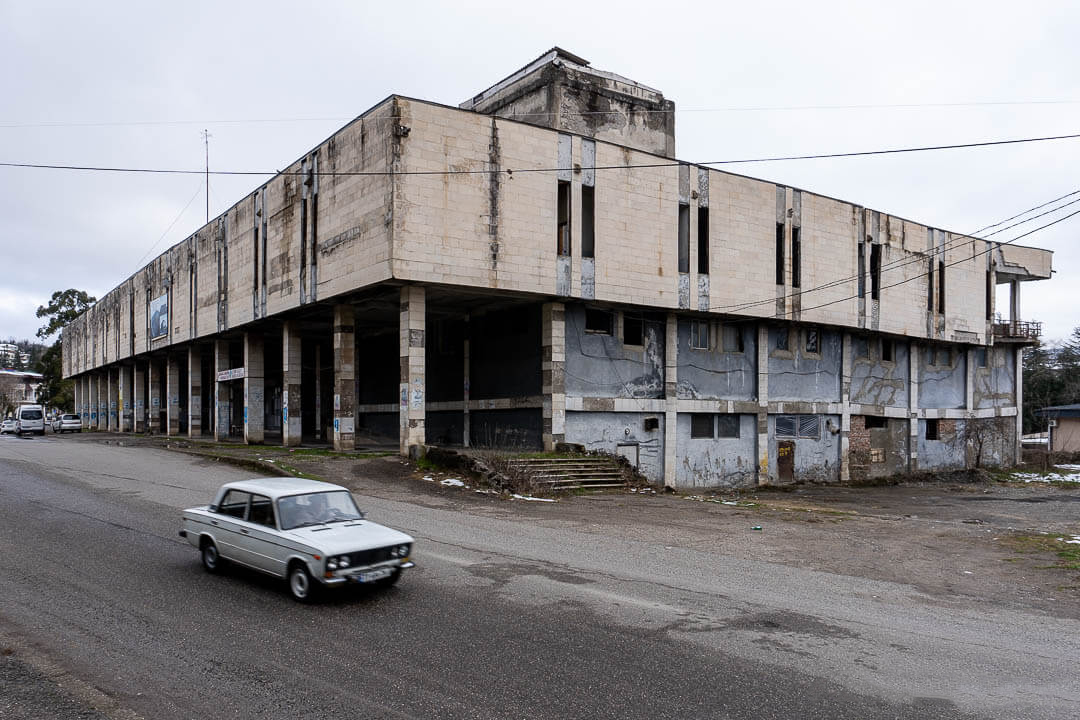
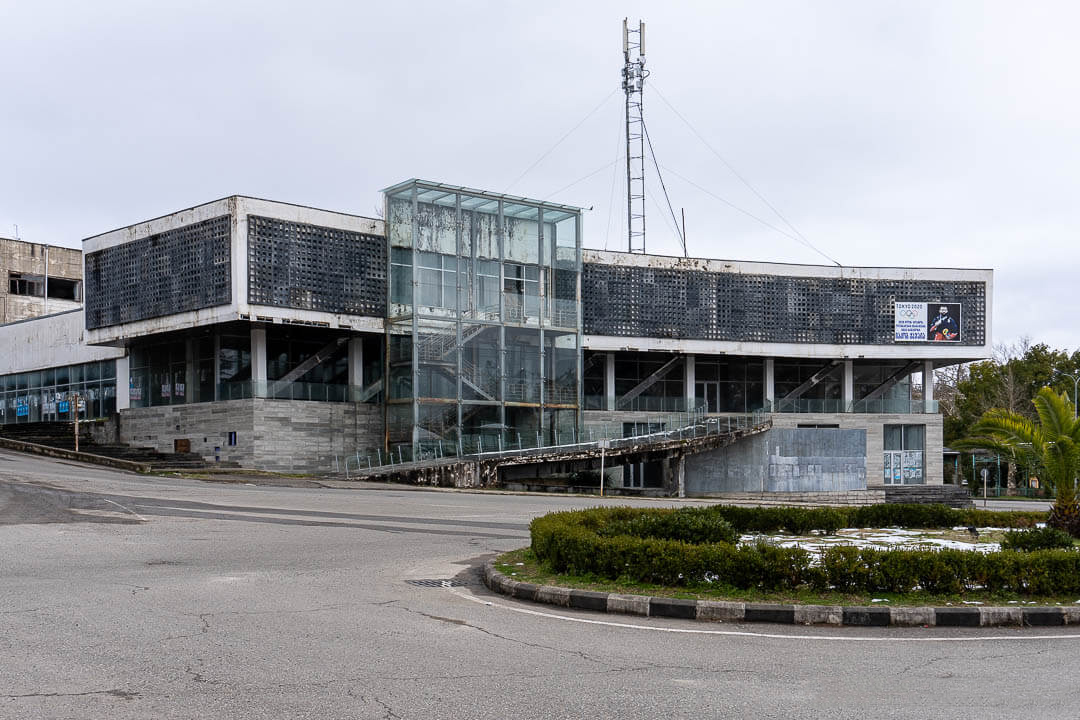
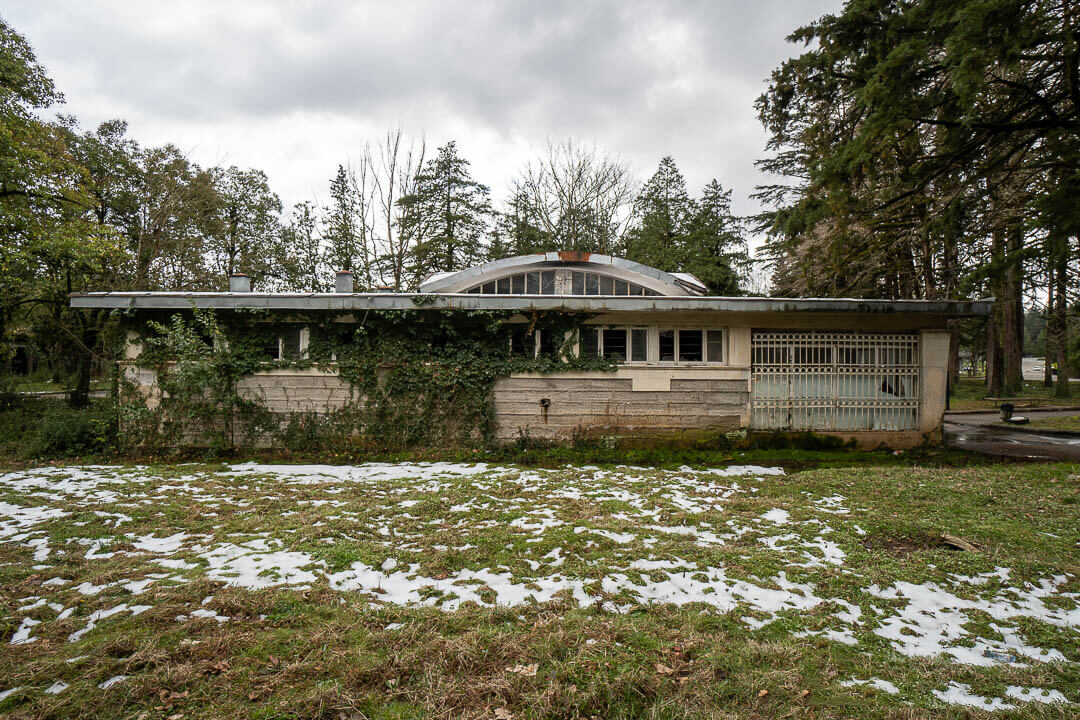
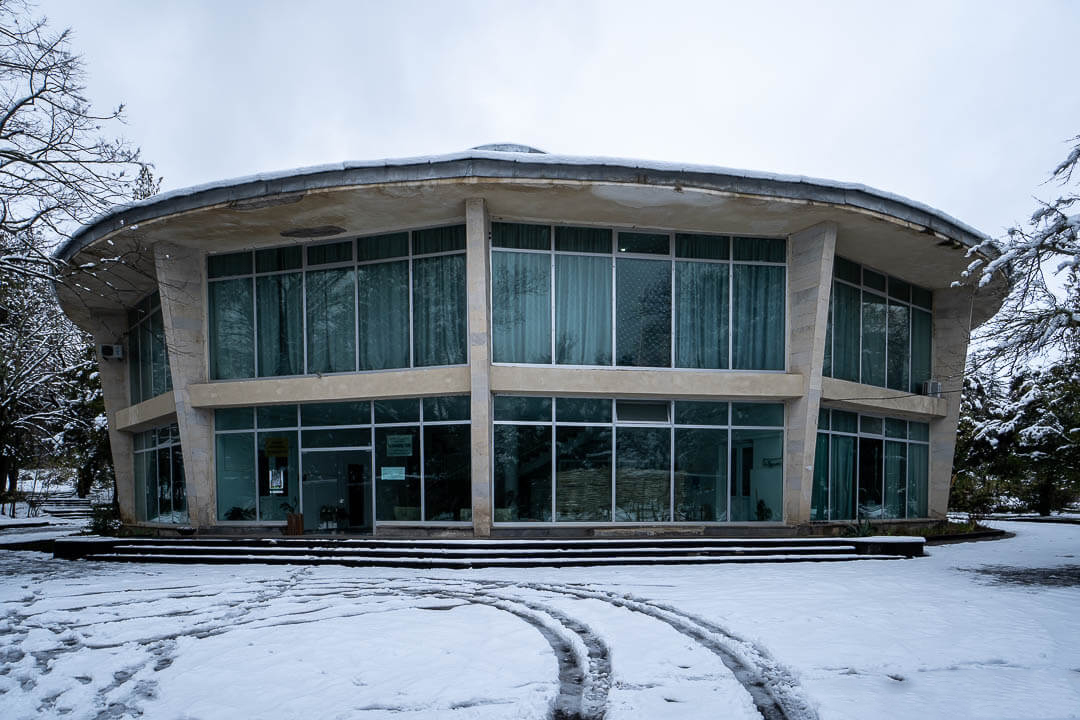
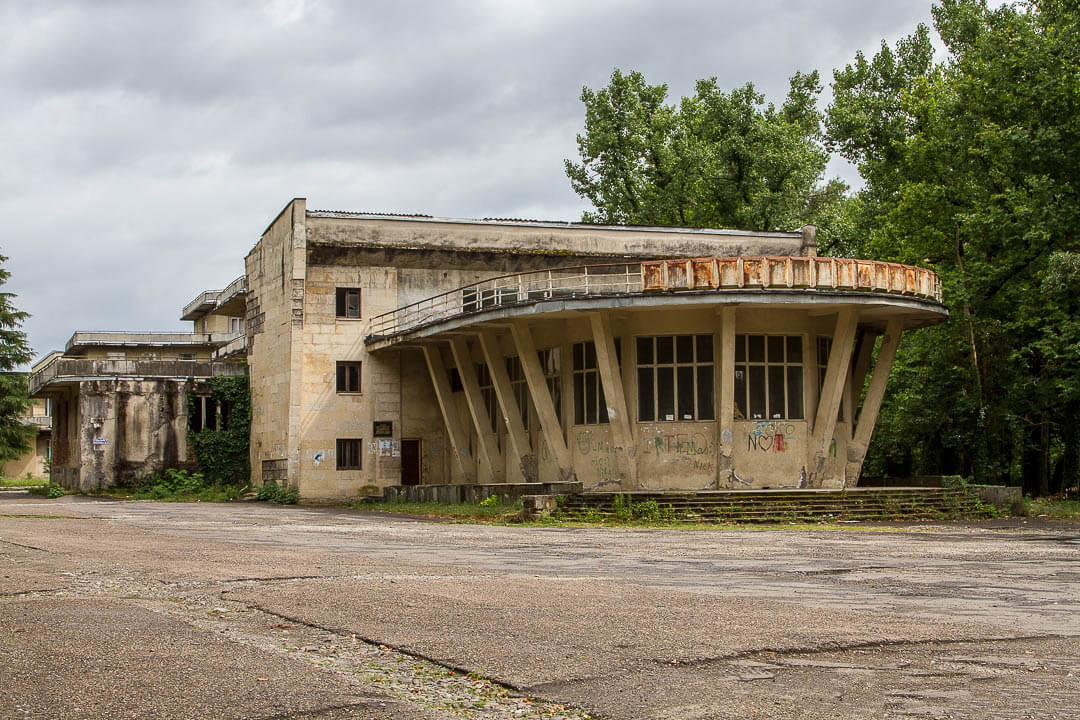
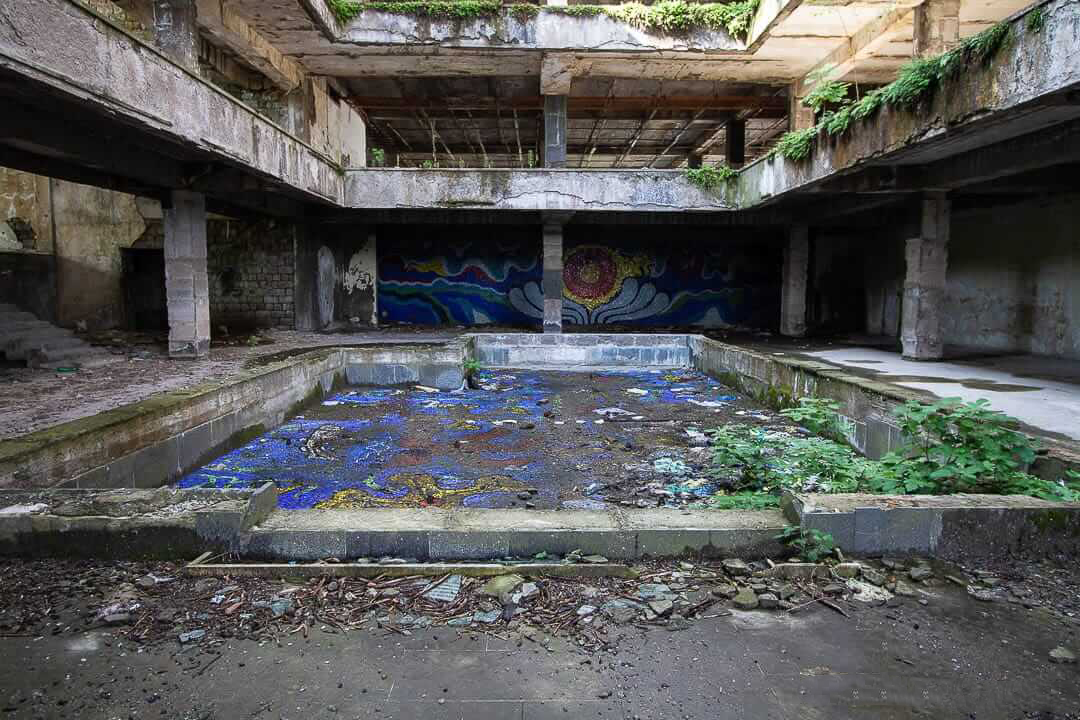
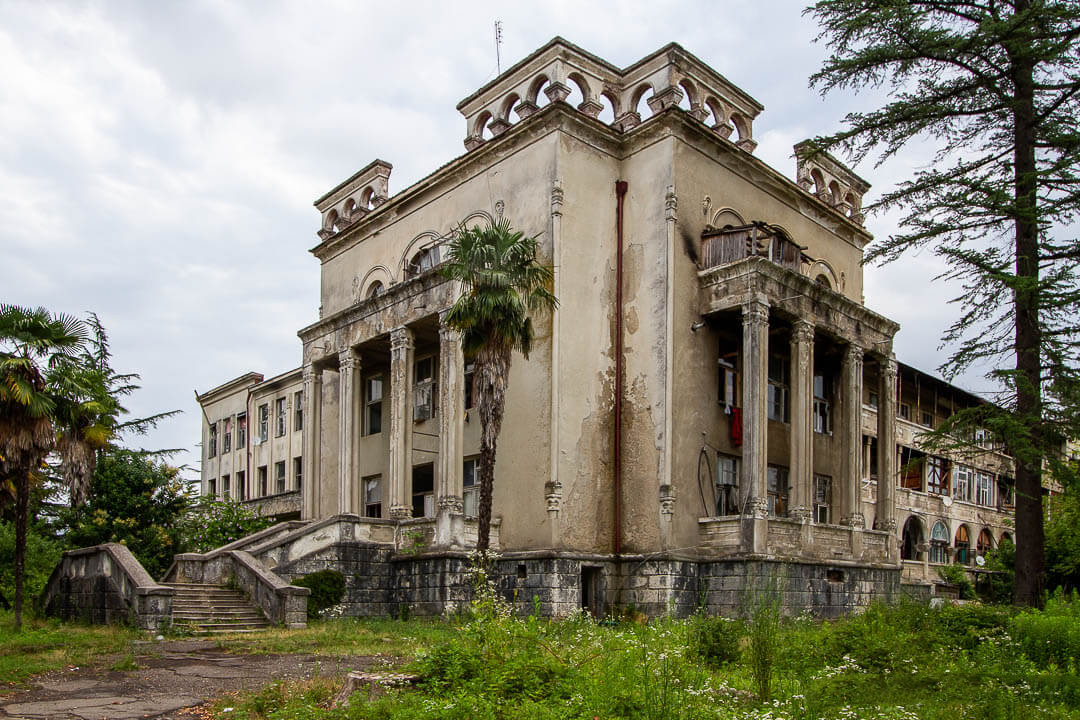
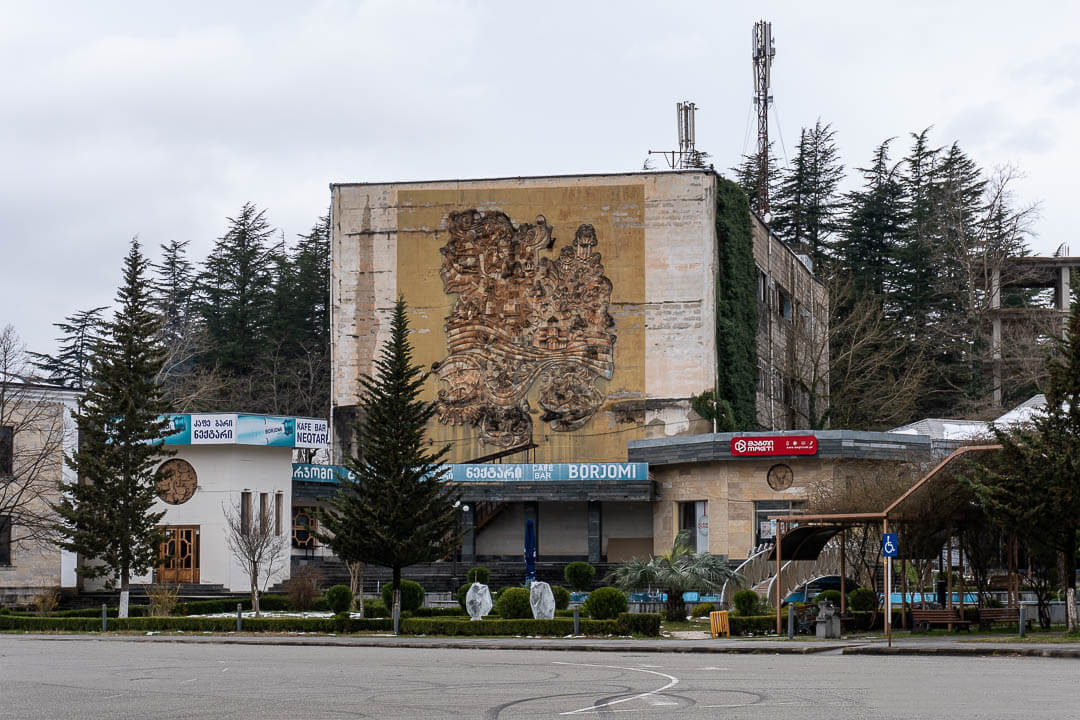
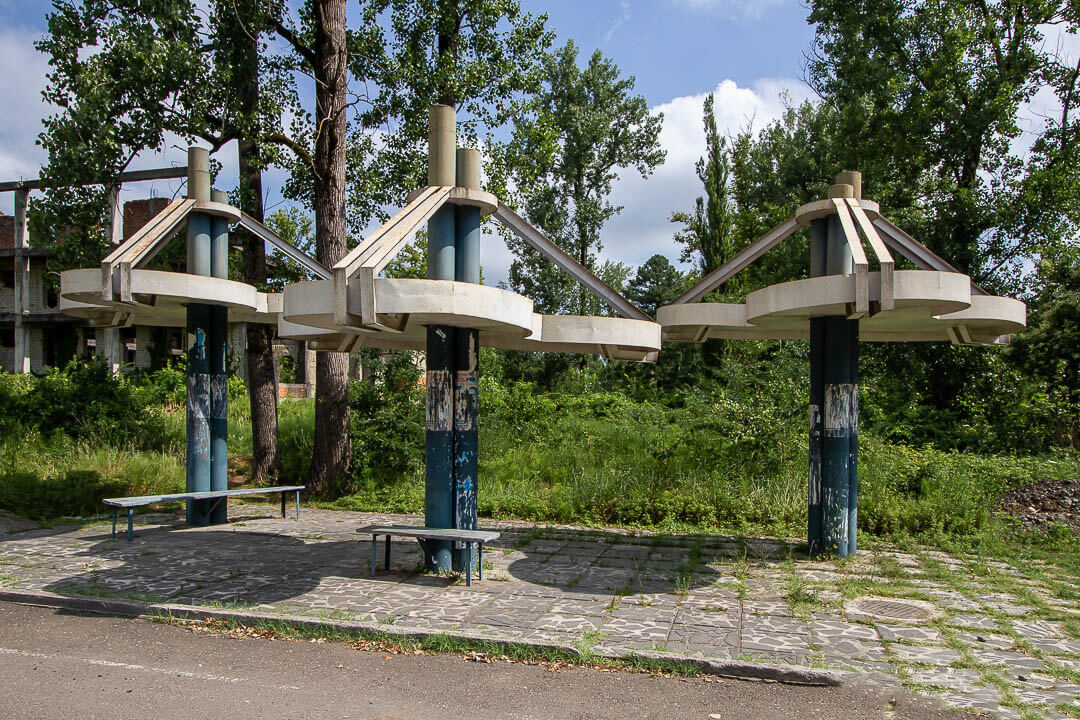
By the 1950s, the town had 22 state-owned sanatoriums, nine bathhouses, a resort park, and a balneology institute. Its architecture fused Stalinist classicism with Georgian motifs, accented by Gothic and Roman features. One notable bathhouse—Bathhouse No. 8—boasted a UFO‑like curved roof, glass courtyard, and mosaic art, and even contained a private pool once used by Joseph Stalin himself.
During the Soviet era, Tskaltubo hosted around 125,000 visitors annually, many traveling by train from Moscow. Clients ranged from factory workers to party elites, enjoying state-sponsored rest under the USSR’s constitutionally protected “right to rest”.
Soviet Spa Infrastructure and Treatments
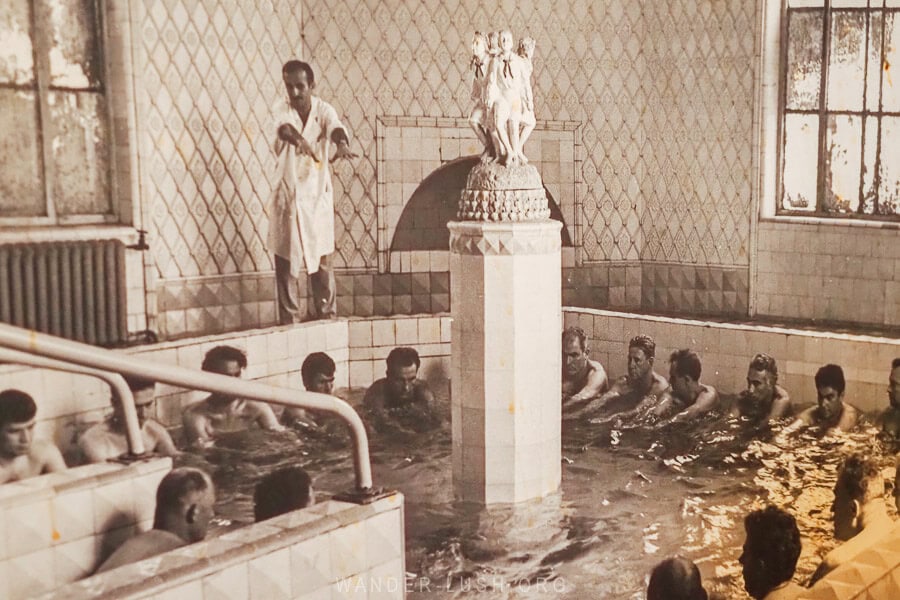
Designed as self-contained medical-holiday complexes, each sanatorium featured lodging, medical treatment facilities, dining halls, cultural amenities, and access to massage, physiotherapy, and mineral baths. Bathhouse No. 6—built for Stalin—was equipped with five pools, over 37 private bathing cabins, and hydro-massage units.
The waters, labeled “Waters of Immortality,” were believed to aid circulatory, nervous, musculoskeletal, gynecological, and skin ailments. Their slightly radioactive properties were embraced in European-style therapy, though later scrutiny flagged radon as a potential health hazard.
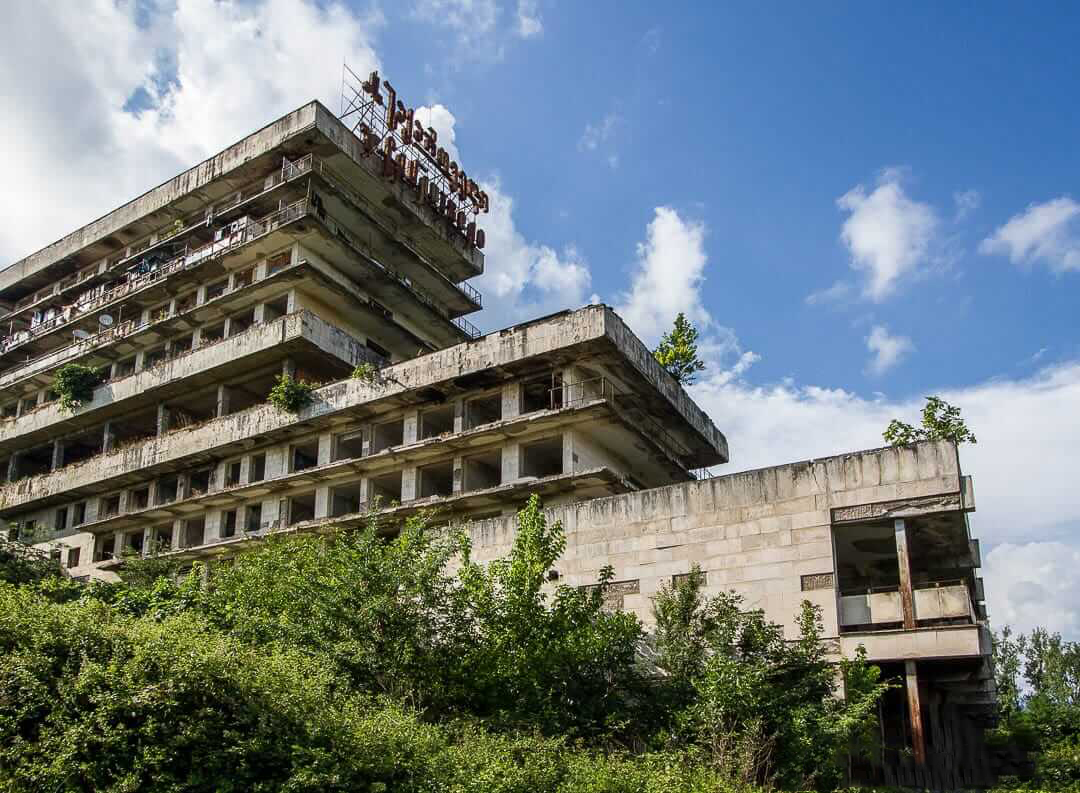
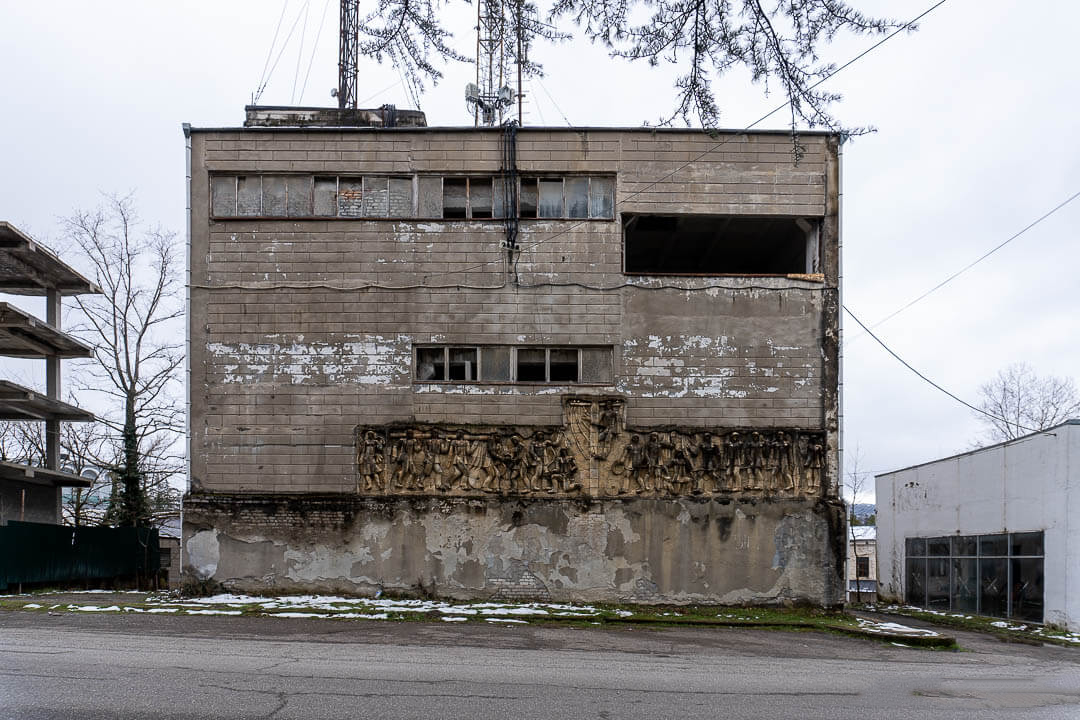
Fast-forwarding to the 1970s, new modernist architectural additions expanded the resort. A balneological research institute advanced speleo‑therapy—using nearby karst caves such as Prometheus, Tetra, and Satsurblia as therapeutic environments for respiratory conditions.
Decline after Collapse
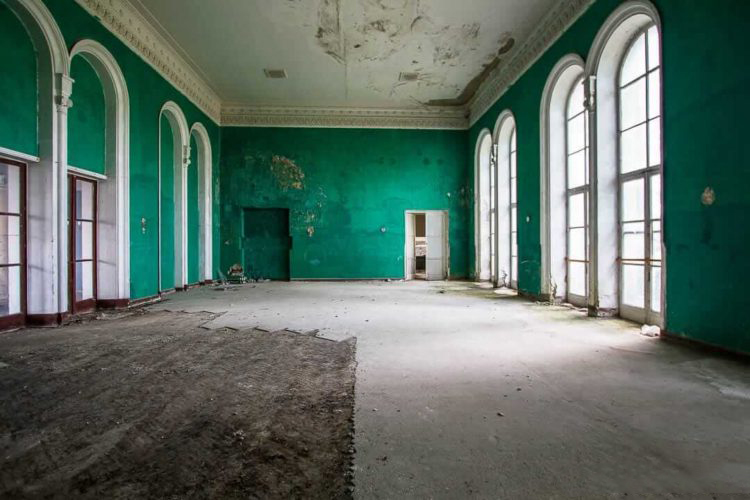
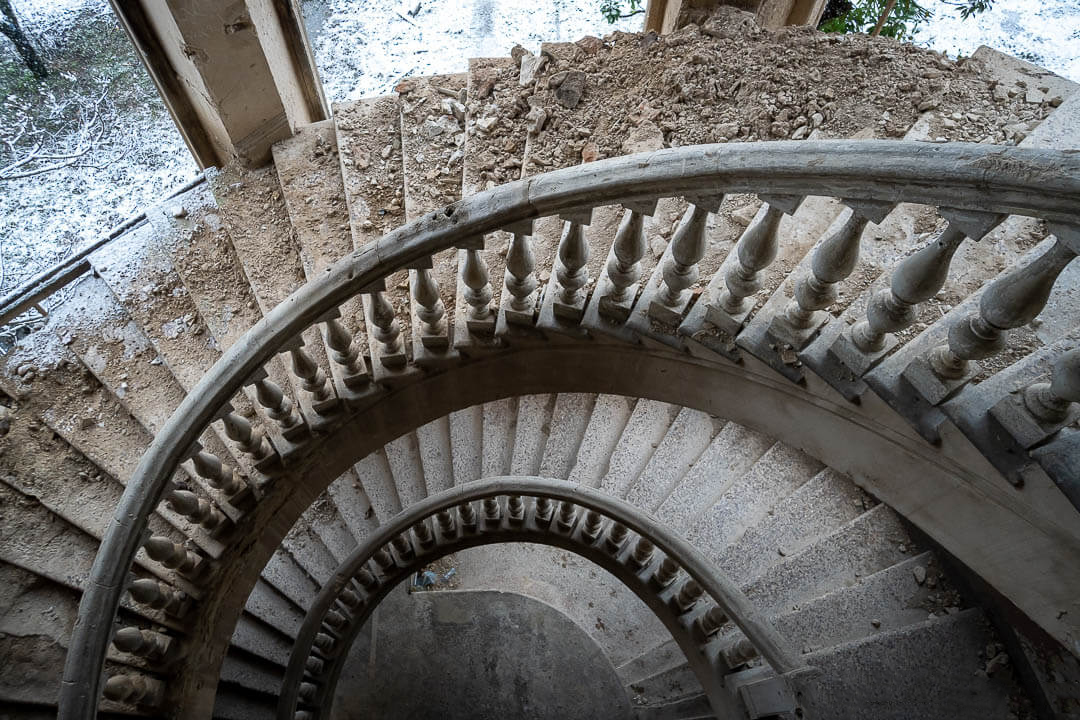
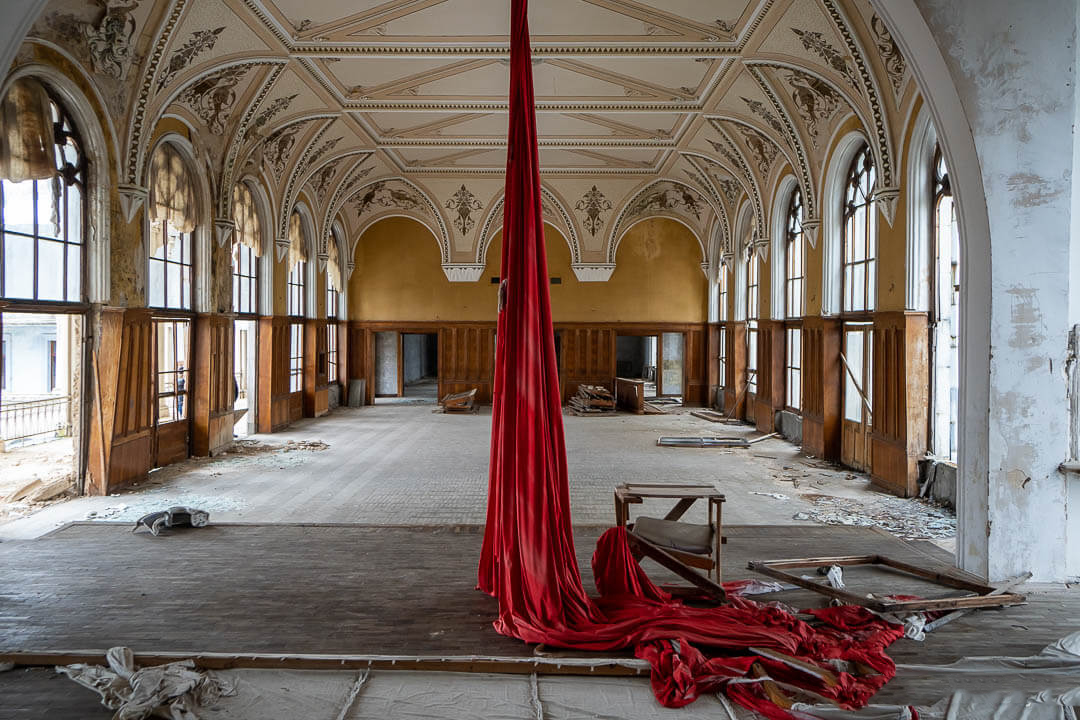
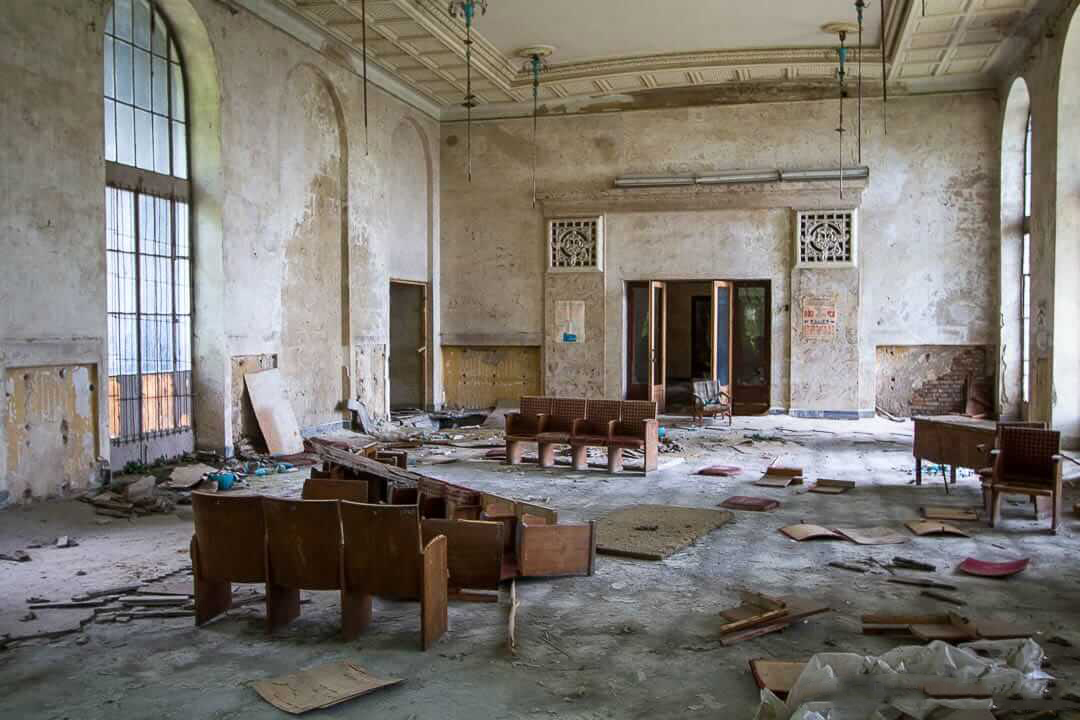
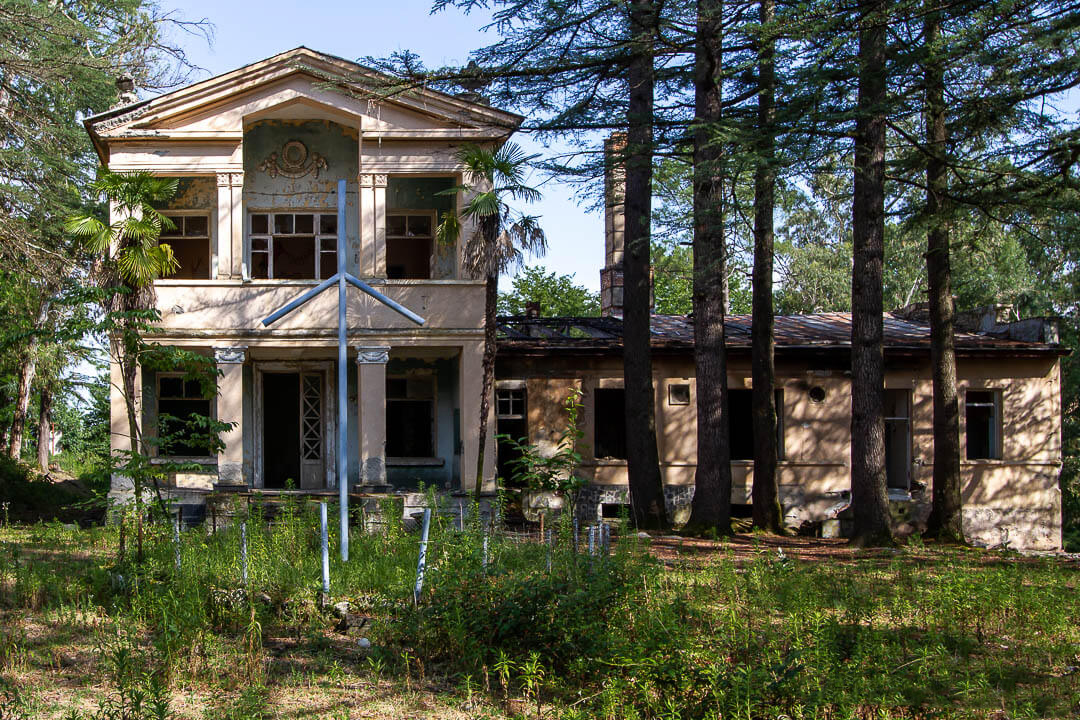
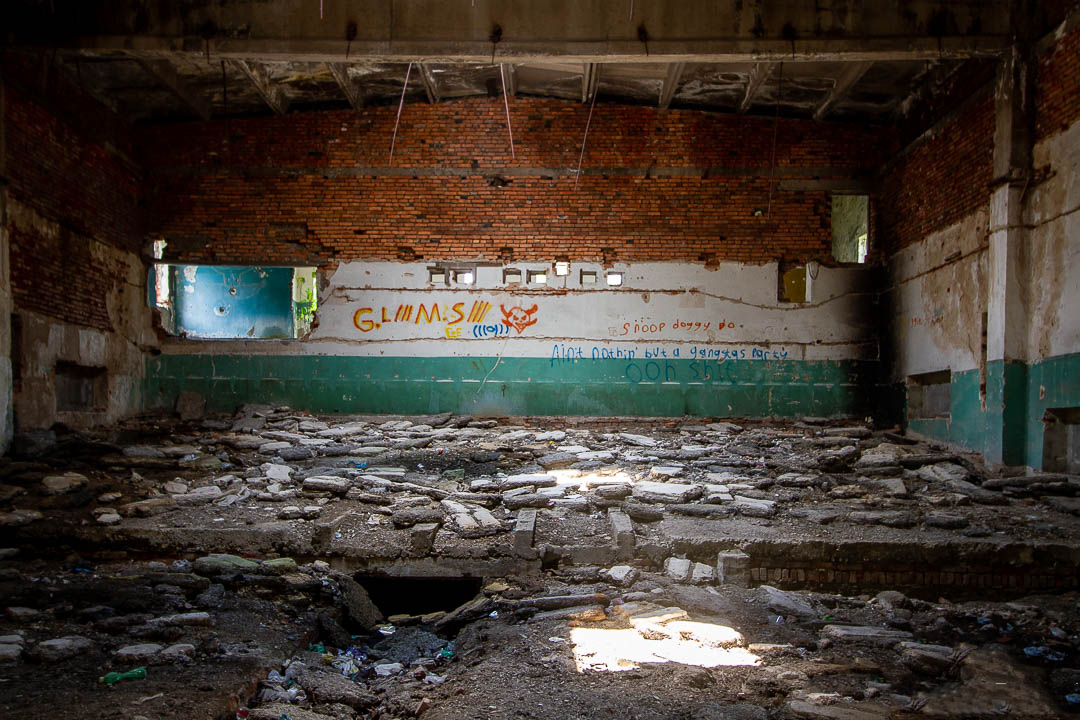
The Soviet collapse in 1991 triggered a rapid decline. Tourist numbers evaporated, and sanatoriums were stripped of tiles, fixtures, pipes, furniture, and anything of value. By early 1990s many buildings stood abandoned and vandalized.
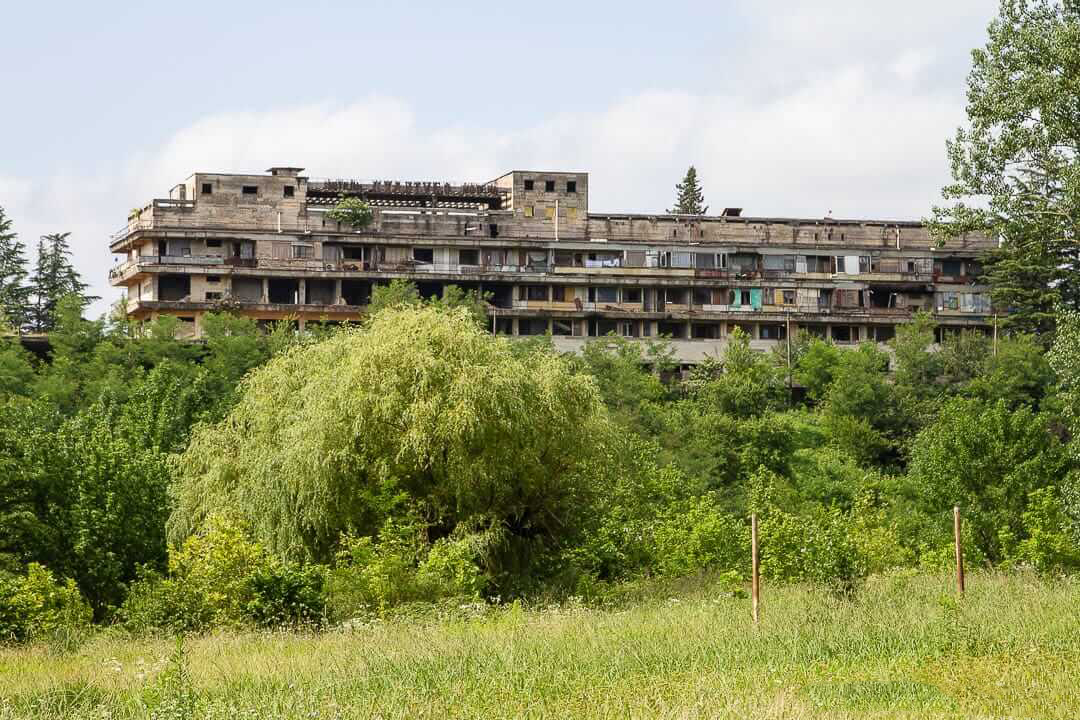
The 1992–93 conflict in Abkhazia displaced up to 250,000 ethnic Georgians. Roughly 9,000 to 12,000 of them were relocated into empty sanatorium buildings in Tskaltubo—a population that remained largely through the next three decades, with up to 2,000–6,000 still living in derelict structures by the 2020s.
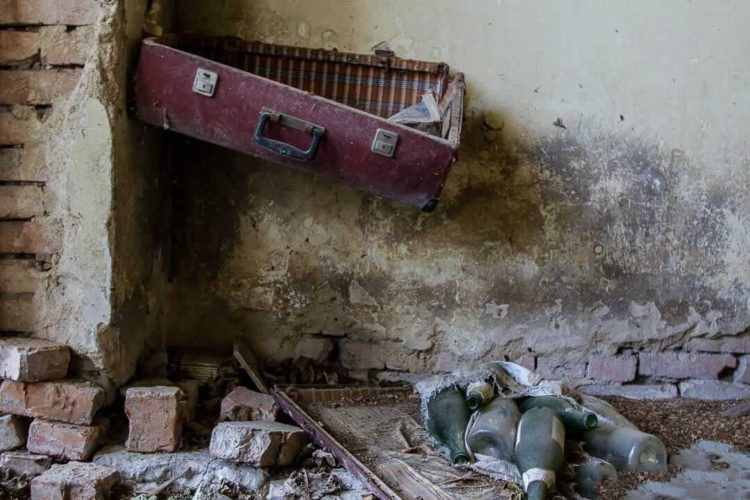
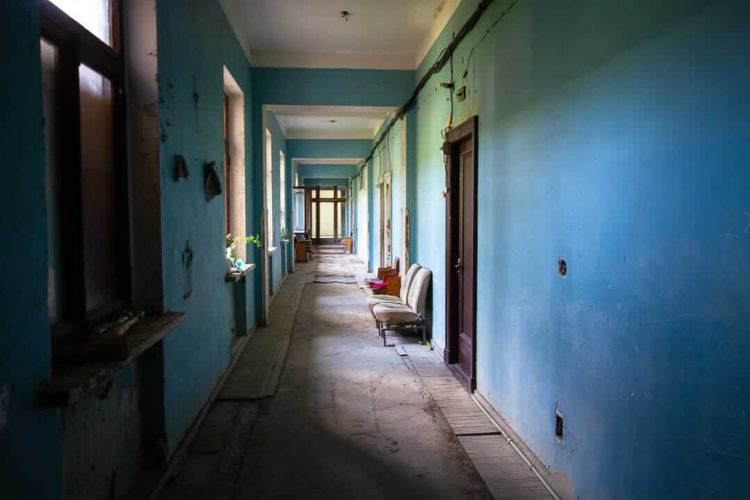
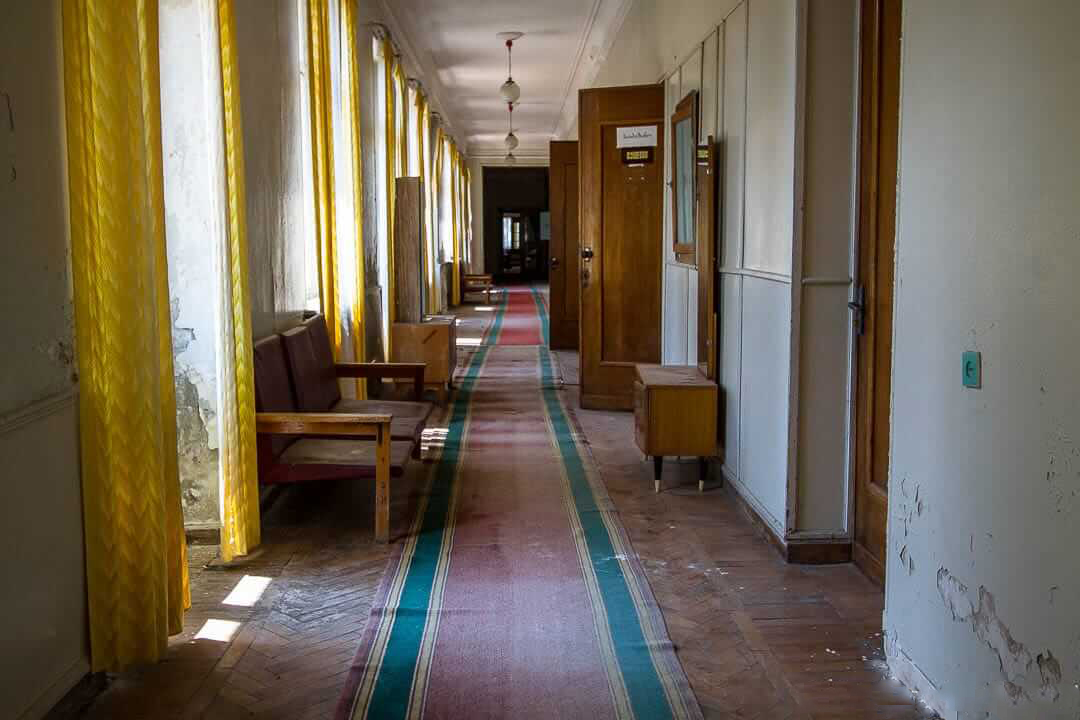
Photographer Ryan Koopmans spent years documenting the town’s eerie aesthetics and its human stories: laundry strung in crumbling halls, toys on broken floors, and homes fashioned amid dilapidation. He portrayed the local occupants with empathy—families eking out lives amid ruin, raising livestock, growing food, and living out of necessity within architectural relics.
Urbex Appeal and Cultural Rediscovery
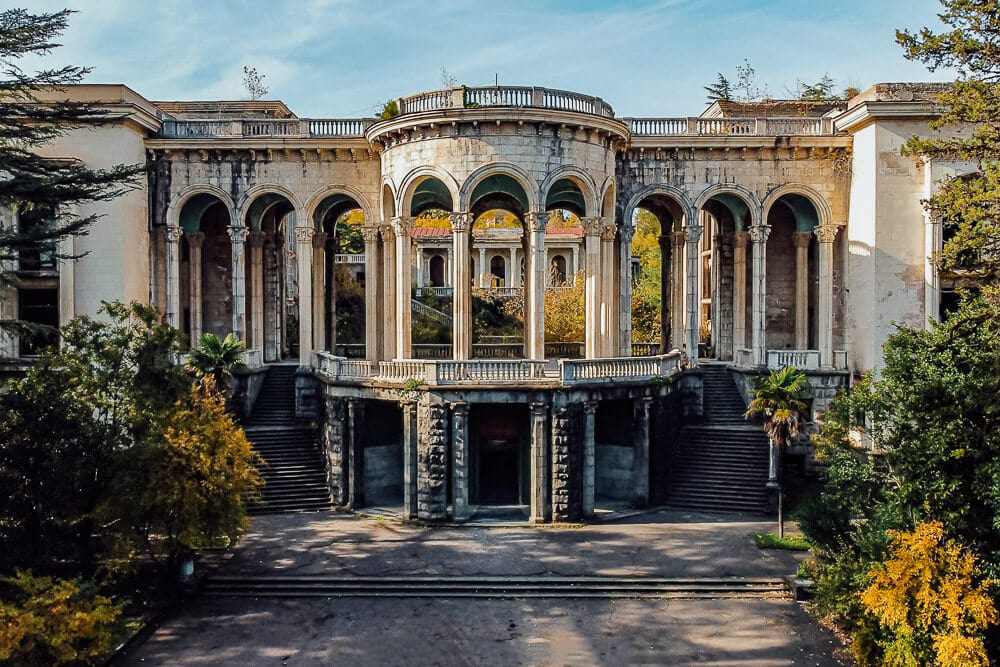
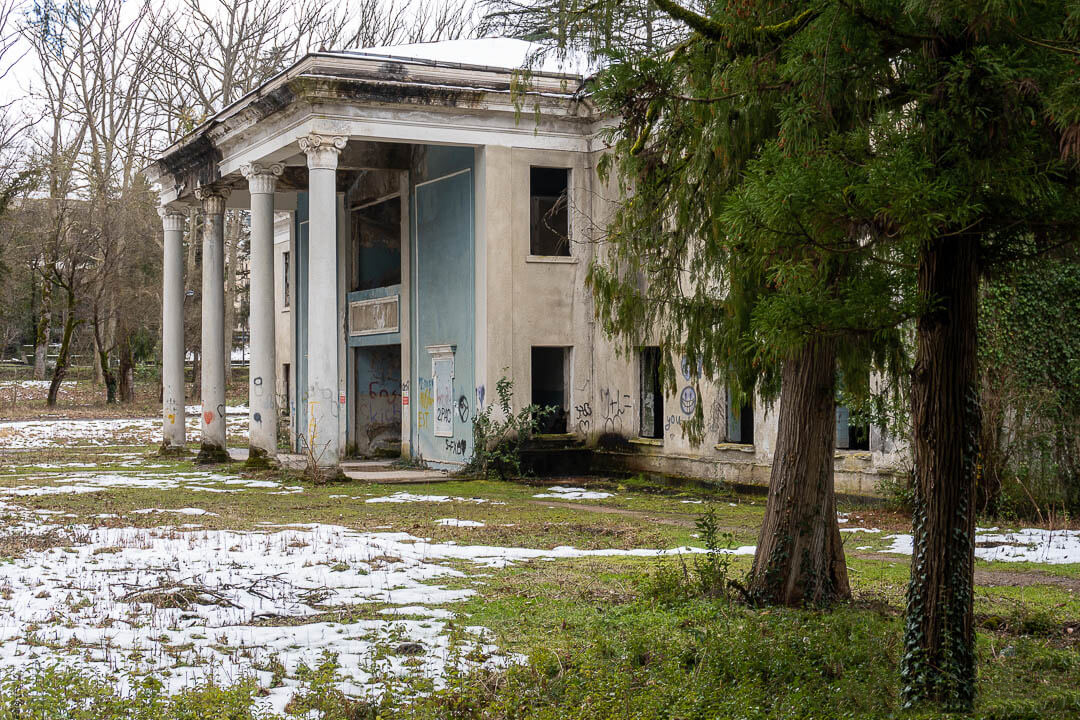
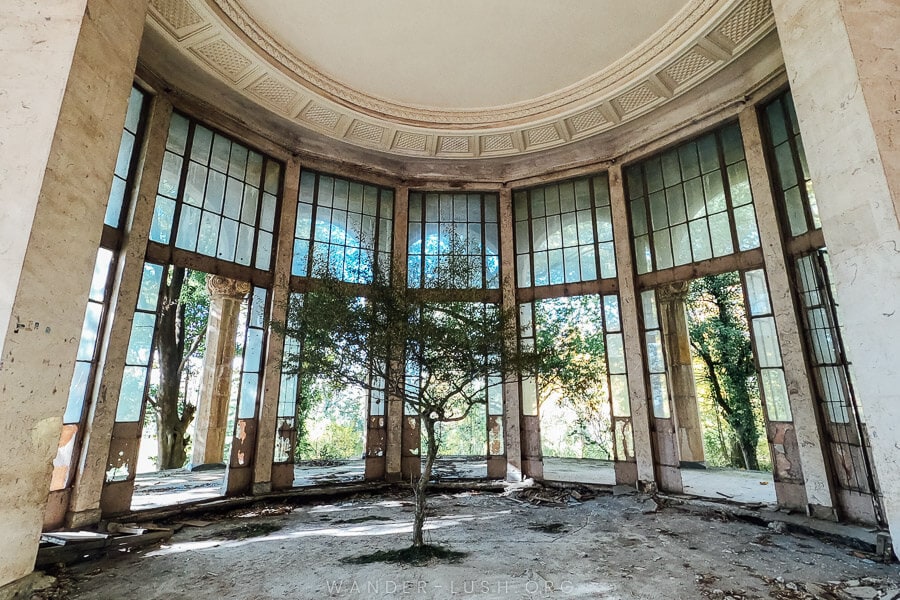
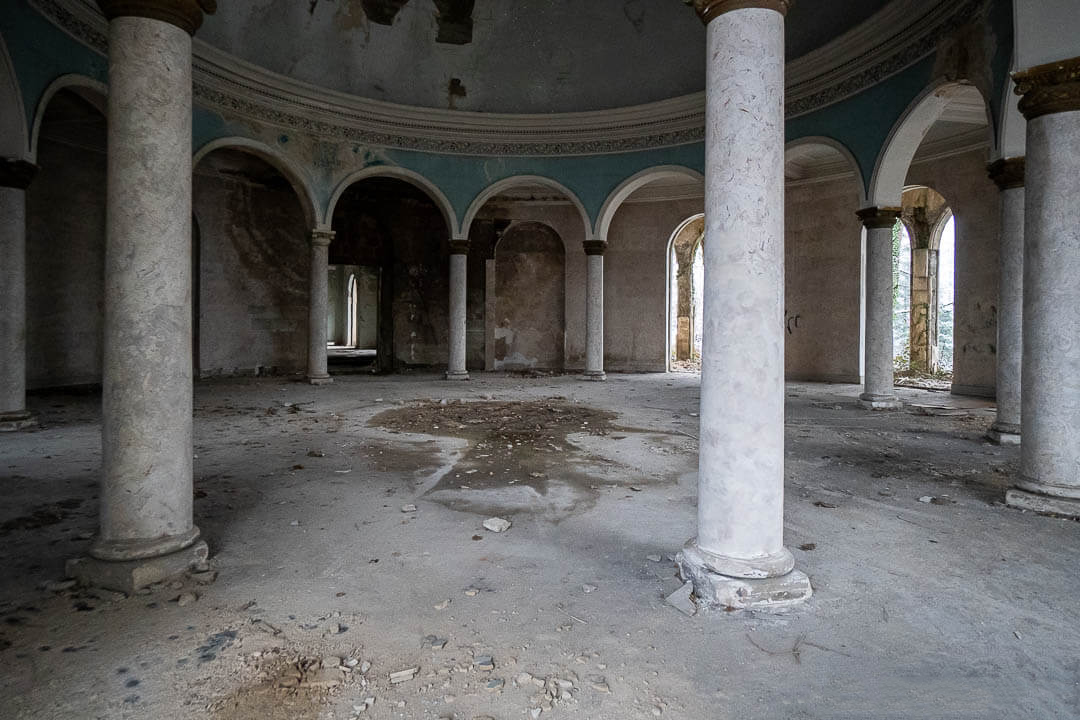
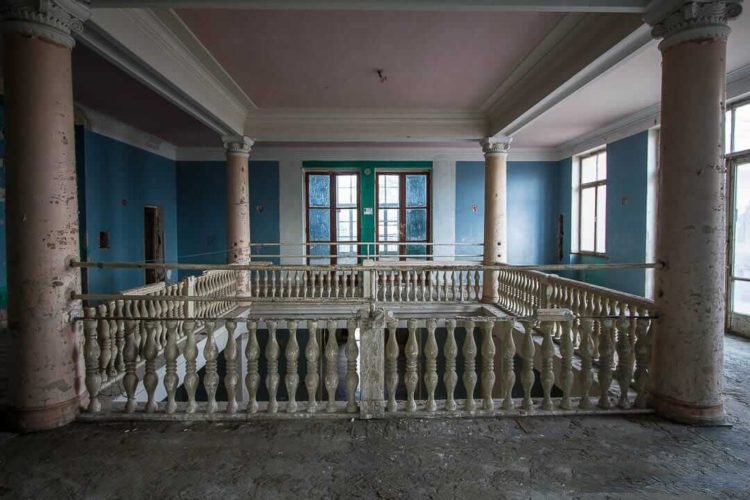
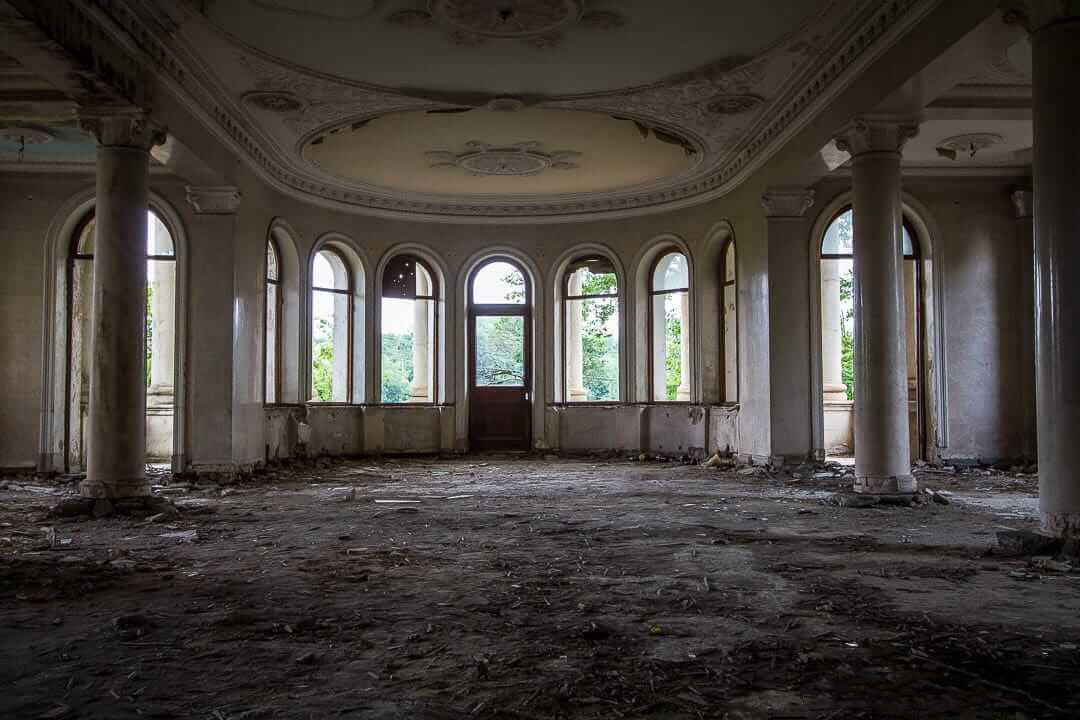
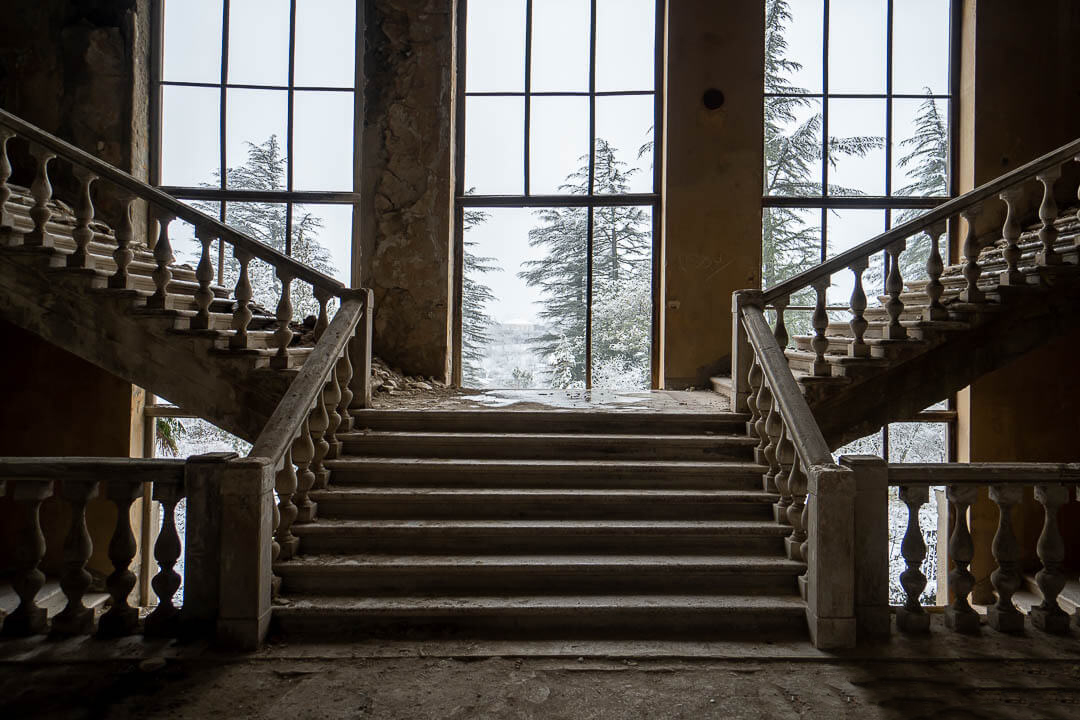
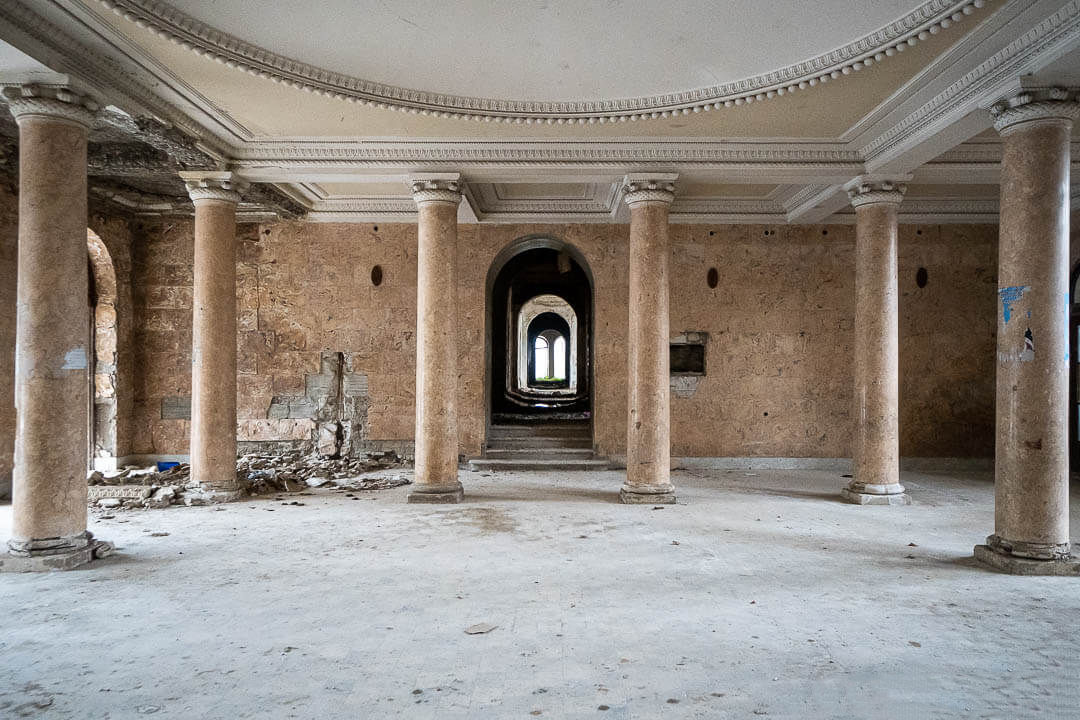
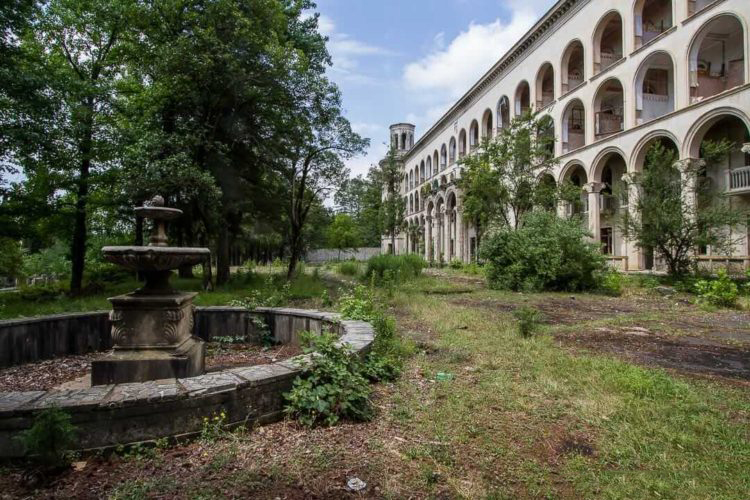
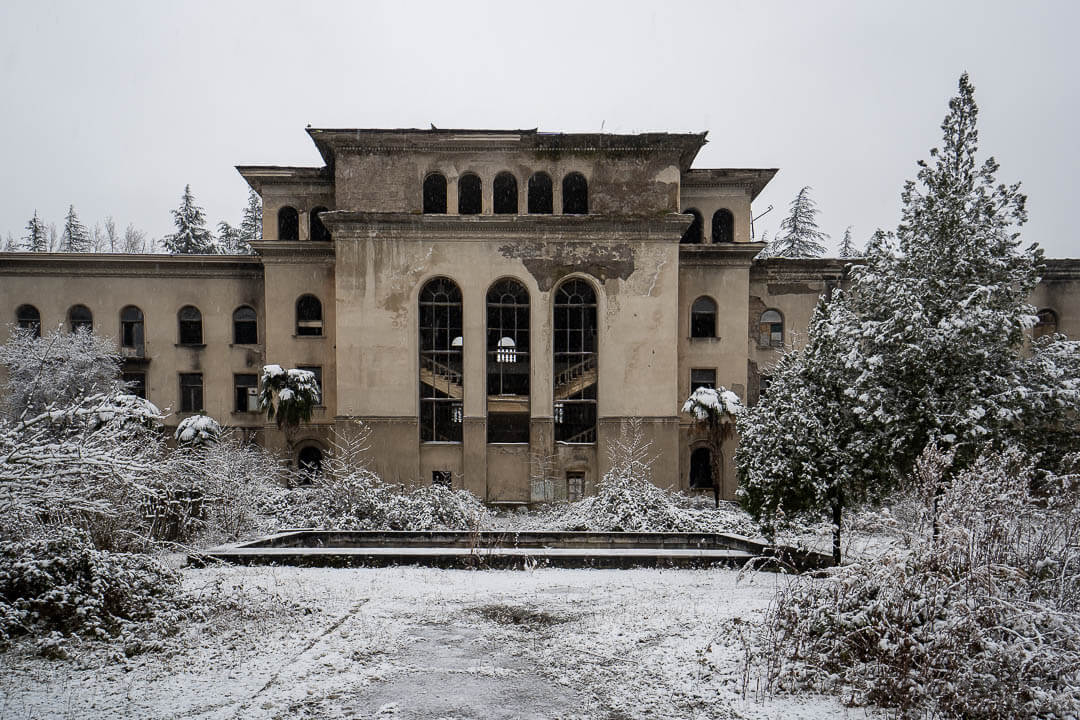
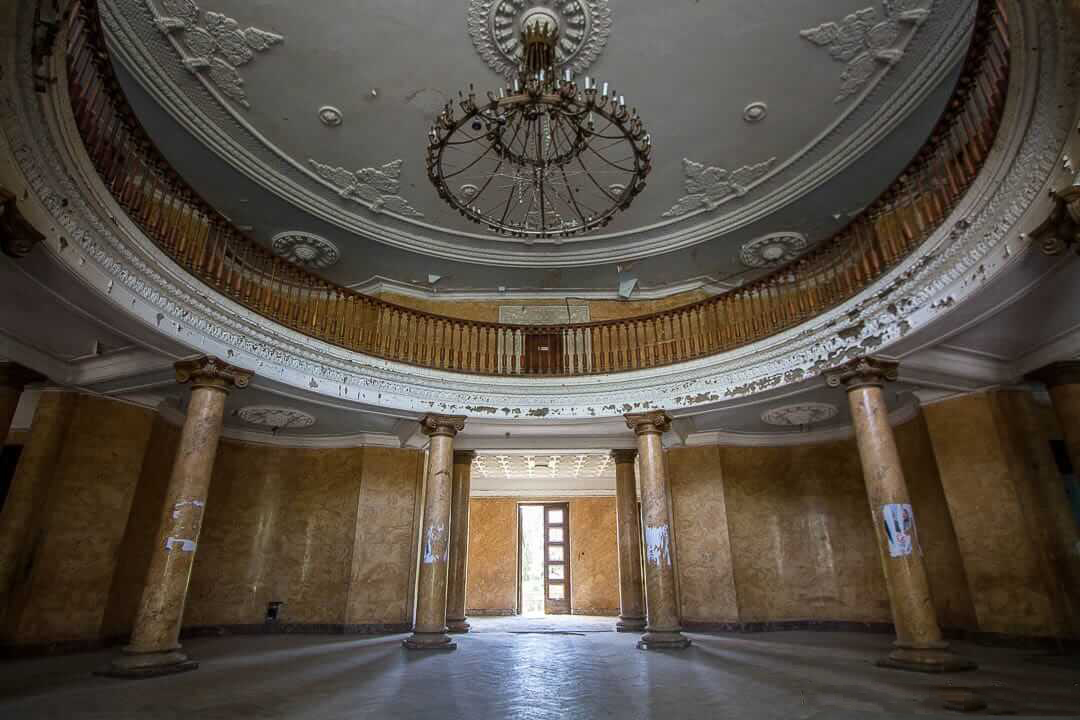
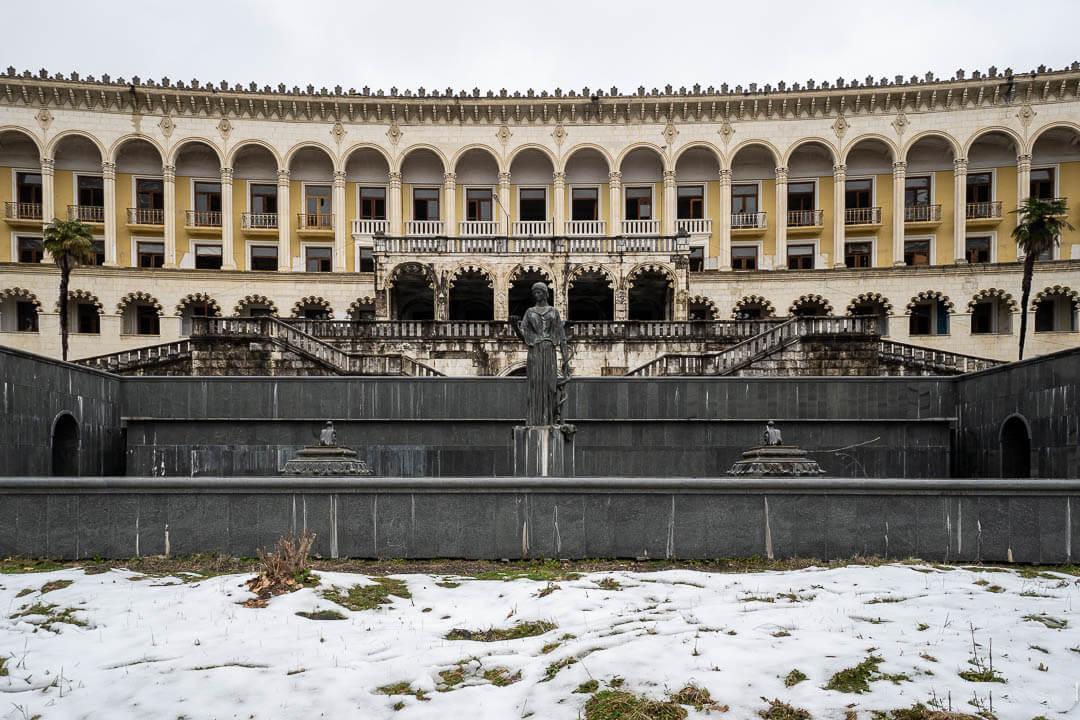
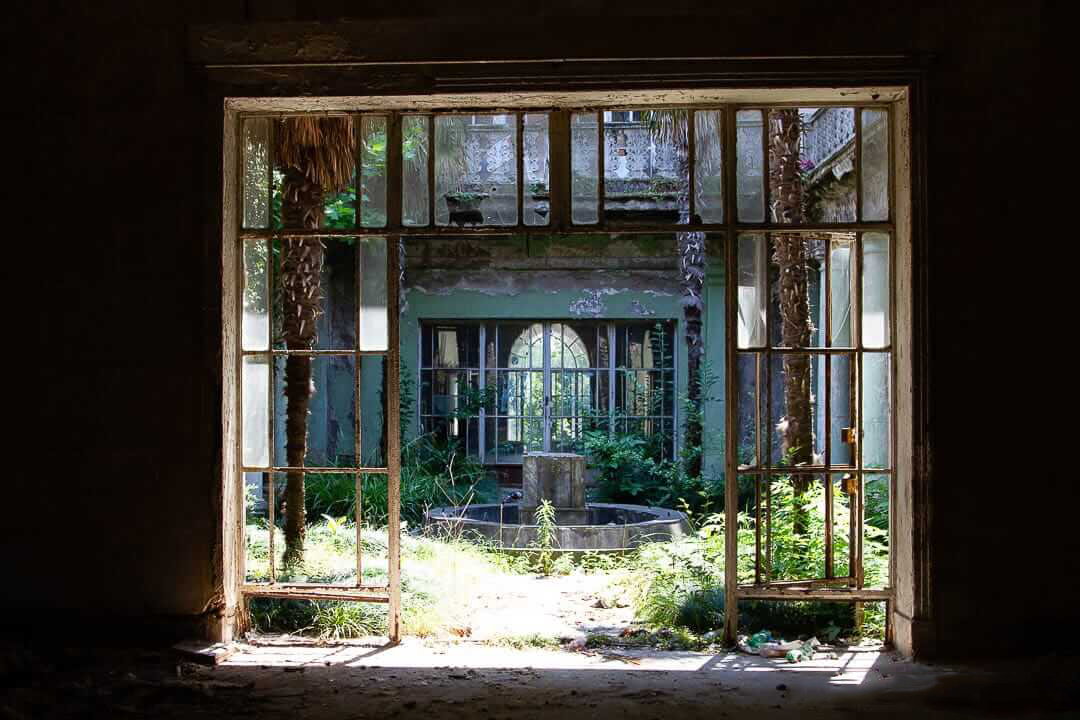
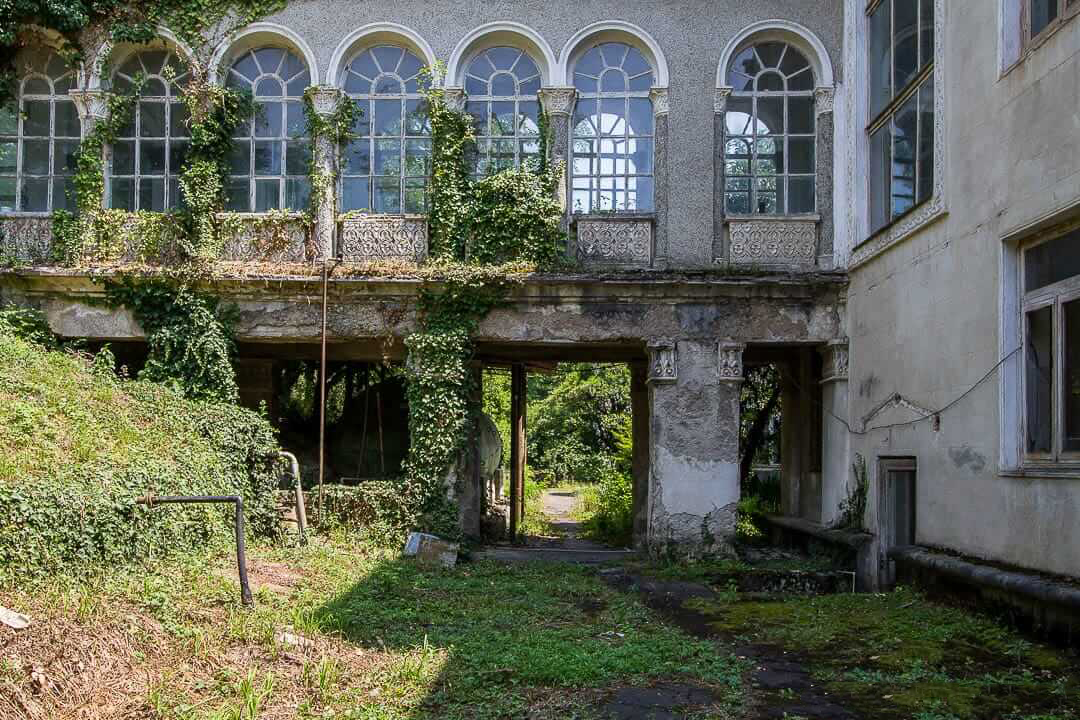
For travelers fascinated by urban decay and Soviet history, Tskaltubo became a magnetic destination. Wander‑Lush, National Geographic, BBC, and other outlets described the atmospheric abandoned sanatoria—structures like Sanatorium Medea, Metalurgist, Imereti, and Savane. Medea features a dramatic colonnade façade and large courtyard fountain; Metalurgist’s marble columns, amber hues, and chandelier-adorned lobby evoke lost grandeur.
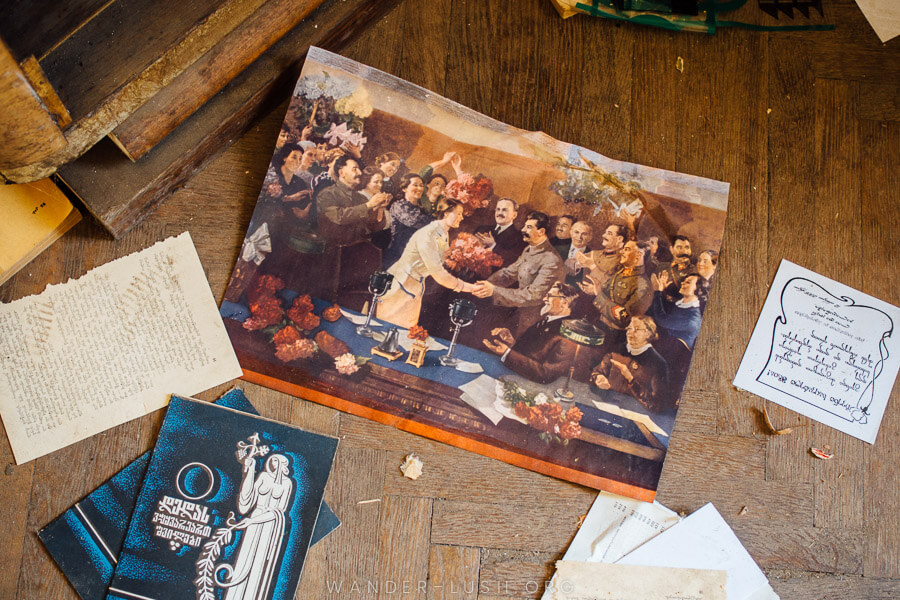
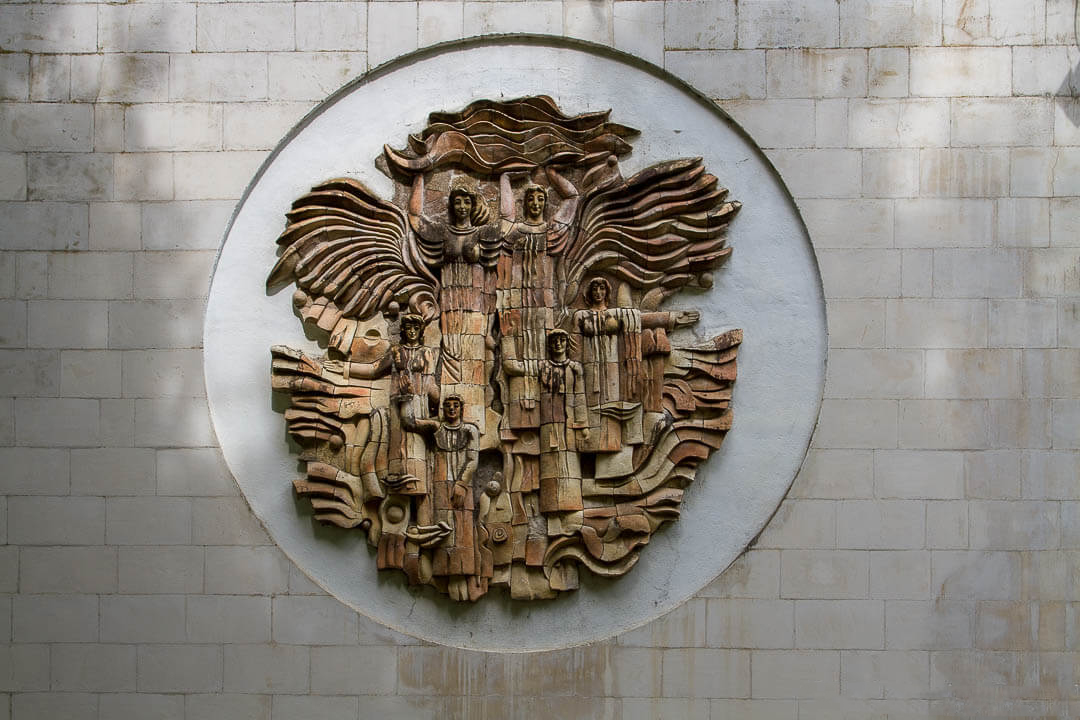
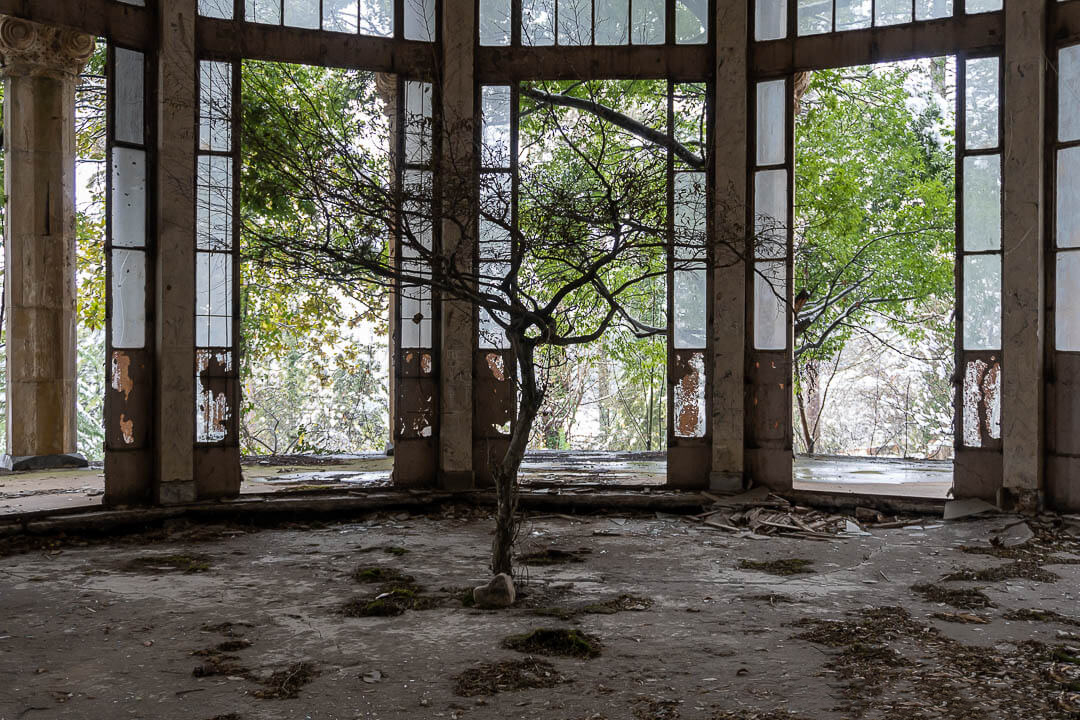
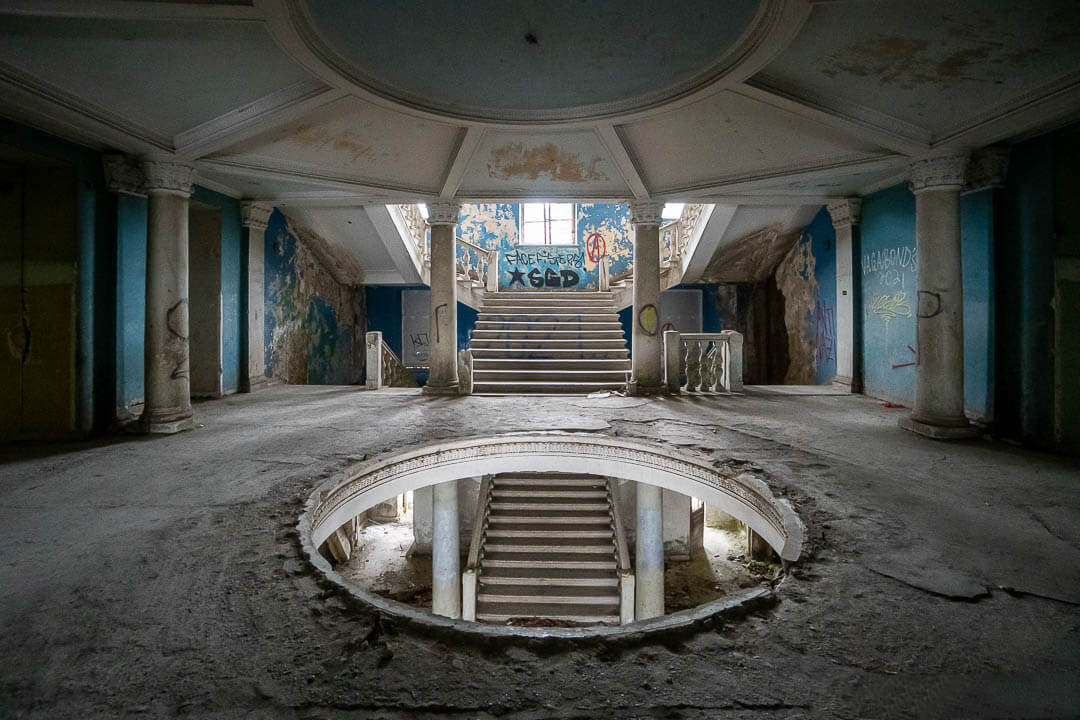
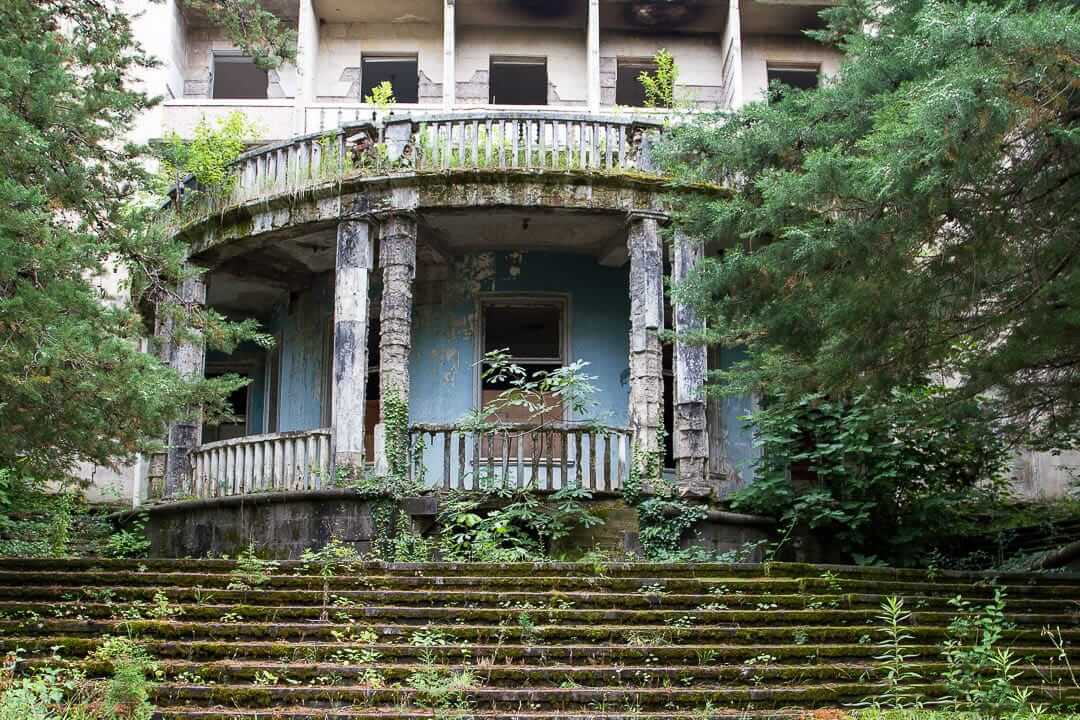
Bathhouse No. 8’s UFO form and original murals, along with other sites, offered haunting backdrops. Urban explorers reported nature reclaiming corridors: plants sprouting from cracked floors, stray dogs seeking shelter, and ivy draping faded masonry. These visuals spread across Instagram feeds, attracting art‑photographers and historians.
Simultaneously, displaced families remained within these buildings, living amid decay but also preserving traces of living history. Observers noted the haunting blend of past opulence and present survival.
Plans for Revival
In 2012–13, the Georgian government pledged redevelopment, supported by World Bank funds, but most projects stalled. Only one sanatorium—originally Legends Spa Resort—was refurbished and reopened in 2011 as a four-star hotel with convention center facilities.
A more ambitious revival initiative, “New Life for Tskaltubo”, emerged in the late 2010s. In 2019, Georgian billionaire and former prime minister Bidzina Ivanishvili offered to take over the sanatoria for a symbolic 1 GEL and redevelop them in exchange for rehousing the residents currently squatting there.
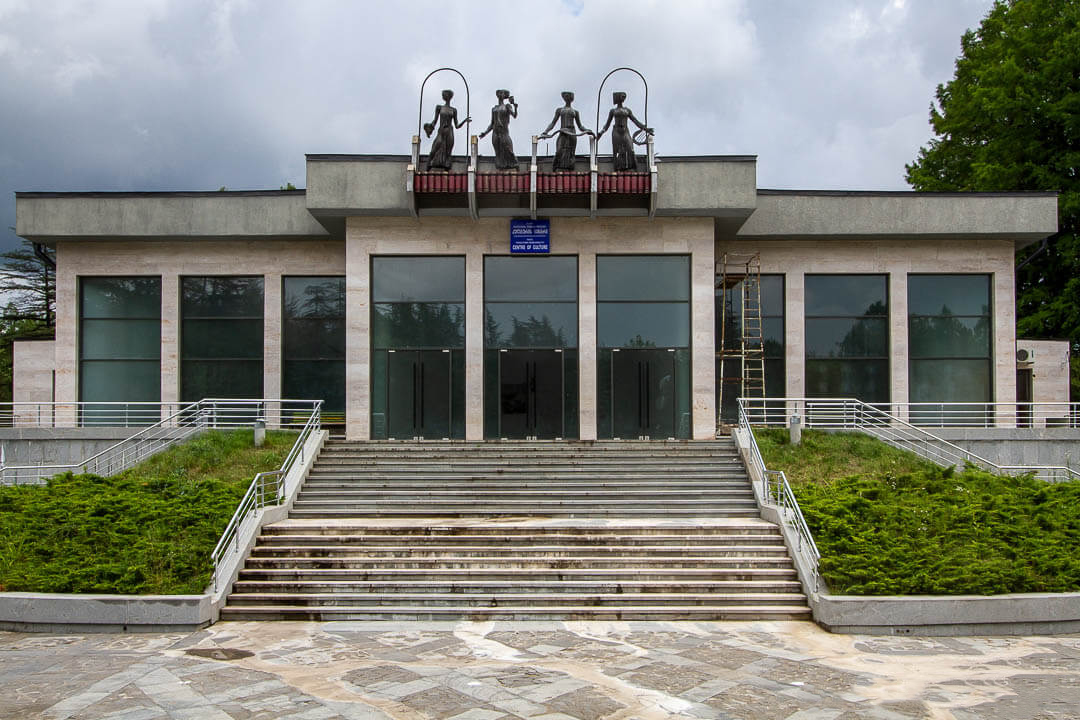
By 2022, several buildings were auctioned and acquired by investors from Georgia, Egypt, and Qatar. Works began in select complexes, and families were gradually relocated to temporary housing so restoration could proceed. Fences and site preparations became visible, marking a transition from frozen decay to active redevelopment.
Features of the Resort Today
Sanatorium Highlights
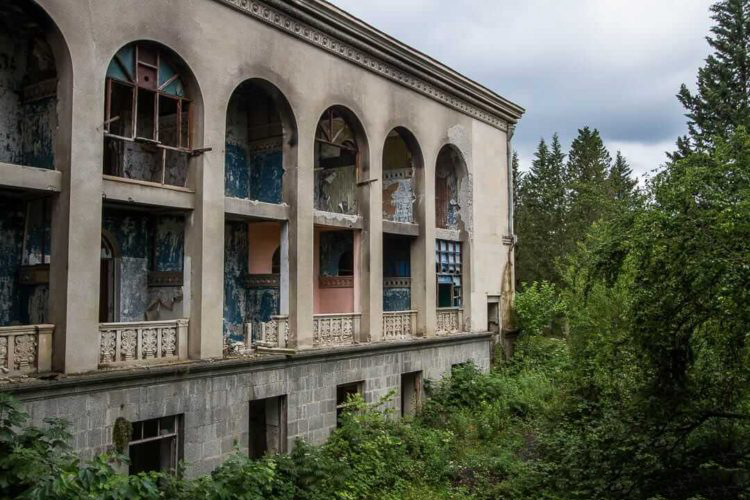
- Sanatorium Medea: Completely abandoned, with majestic arched facades and courtyards; popular with photographers and explorers.
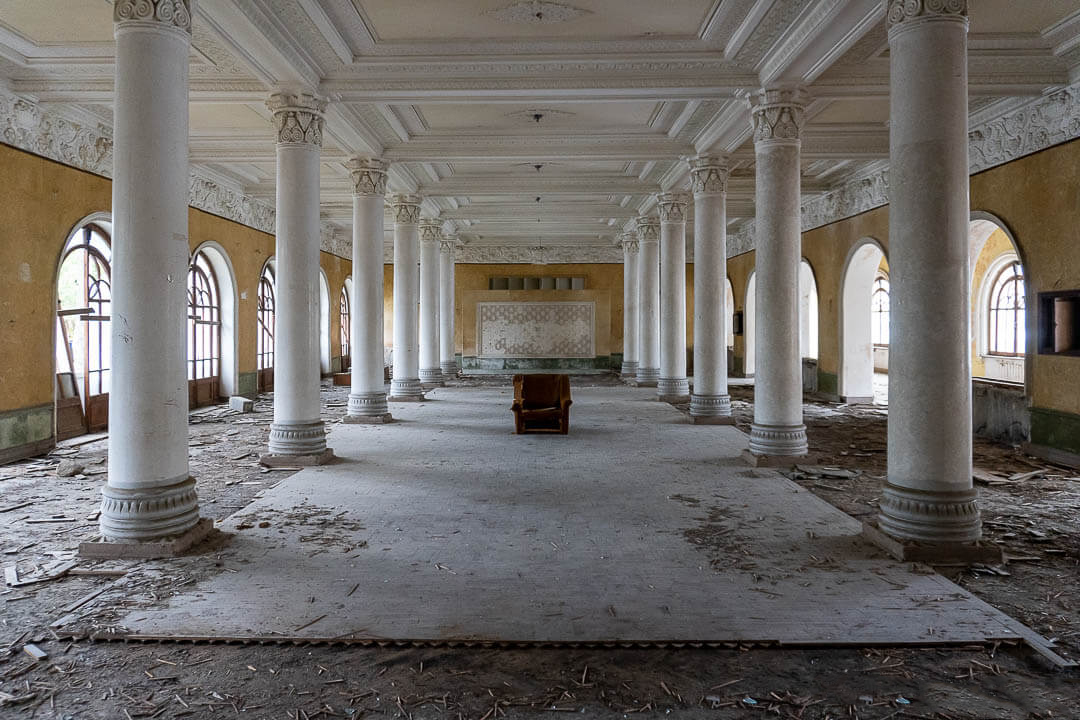
- Sanatorium Metalurgist: Best-preserved; features marble finishes, decorative railings, theatre spaces, library remnants, and atrium areas awash in natural light.
- Imereti and Savane: Partially occupied, partially decayed; function as spirited snapshots of Soviet luxury entwined with deterioration.
Bathhouse No. 8
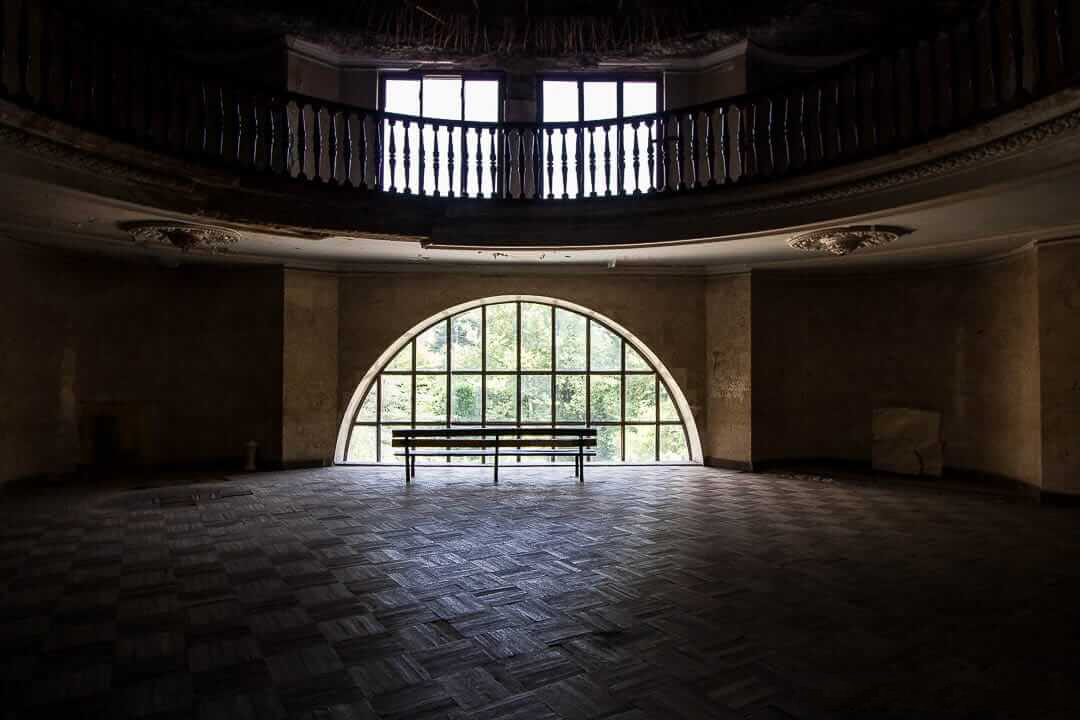
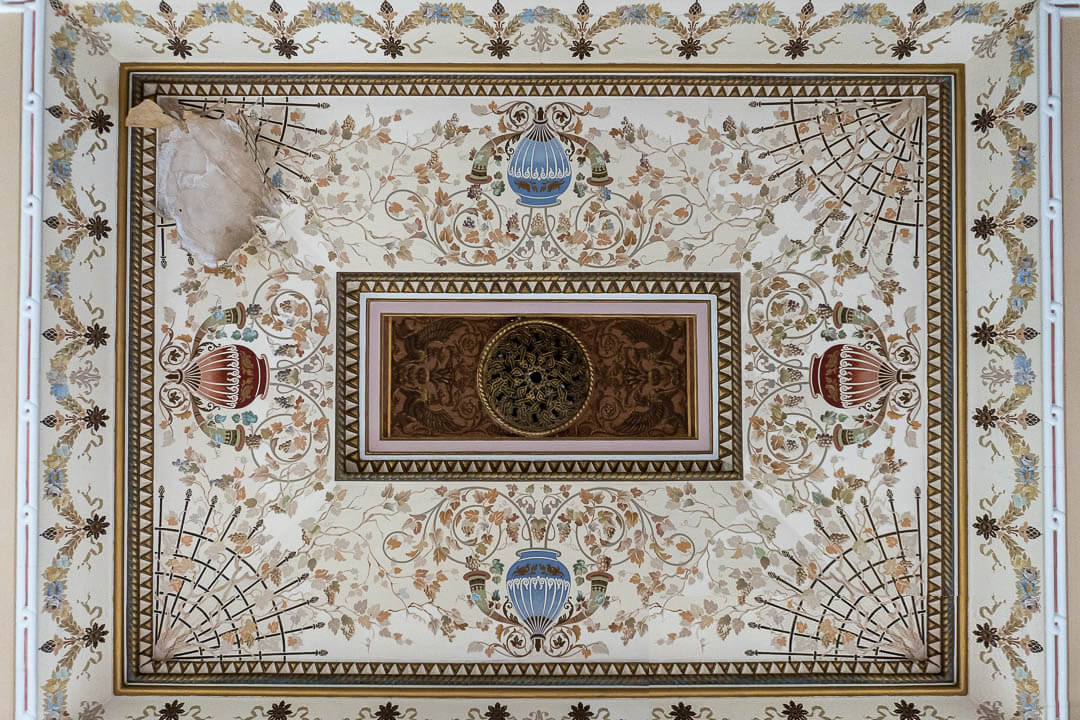
This distinctive round bathhouse was part of the Balneological Zone. Its circular layout, mural-covered walls, and central fountain reflect a once‑utopian vision. Now, fragments of art mingle with erosion and flora.
Safety and Responsible Travel
Exploring Tskaltubo comes with risks. Floors collapse, glass and metal fragments abound, and some spaces are unstable. Visitors are advised to go with guides, watch for hole-prone flooring, and avoid private residences where families still live. Yet locals report minimal issues—the ambience tends more eerie than menacing.
Responsible tourism is encouraged: respect inhabitants, avoid trespassing personal spaces, and understand the fragile balance between ruins and redevelopment.
The Natural and Regional Context
The wider Tskaltubo municipality encompasses karst landscapes and cave systems like Prometheus, Tetra, and Satsurblia. These sites offer therapeutic speleotherapy and attract adventure and eco‑tourists alike. Nearby lakes such as Tavshava Lake and Cracked Lake and cave natural monuments add geological richness to any resort itinerary.
The region features a humid subtropical climate that supports agriculture, horticulture, and grape cultivation—forming part of a tourism economy centered on.