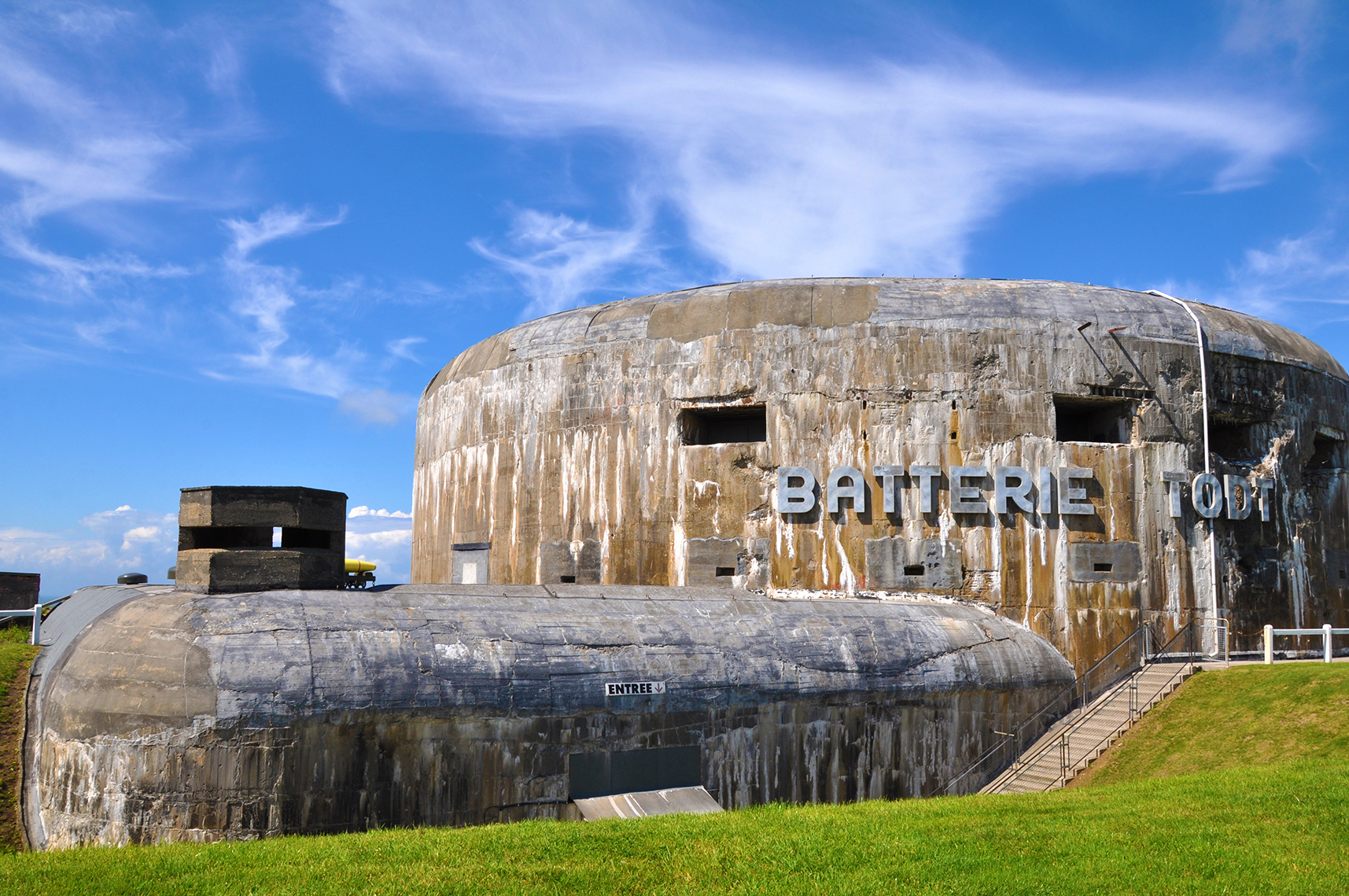
On the windswept cliffs of the Cap Gris-Nez headland in northern France stands an immense reminder of the Second World War: the Battery Todt. Part of Hitler’s Atlantic Wall, this massive coastal artillery position once commanded the narrow waters of the English Channel. Designed to dominate one of the most strategically important maritime chokepoints in Europe, the battery was both a feat of engineering and a symbol of Nazi Germany’s determination to hold Western Europe against any Allied invasion. Today, one of its colossal gun casemates houses a museum, preserving the memory of a time when the Channel was one of the most heavily fortified stretches of coastline in the world.
Strategic Importance of Cap Gris-Nez
The location of Battery Todt was no accident. Cap Gris-Nez, in the Pas-de-Calais region, is the point on the French coast closest to England—only about 34 kilometers separate it from the English shore. This narrow gap had been a strategic prize for centuries, serving as a staging ground for invasions, raids, and defensive operations. During the Second World War, after the fall of France in 1940, the German Wehrmacht quickly recognized the site’s potential as a platform for heavy artillery capable of controlling shipping in the Dover Strait.
From Cap Gris-Nez, German guns could shell targets across the Channel and threaten Allied naval movements. In combination with other coastal batteries along the French side of the Strait, including the Batterie Lindemann and Batterie Grosser Kurfürst, the Germans sought to establish a deadly crossfire that would deter Allied convoys and complicate any potential invasion of continental Europe.
Construction and Engineering
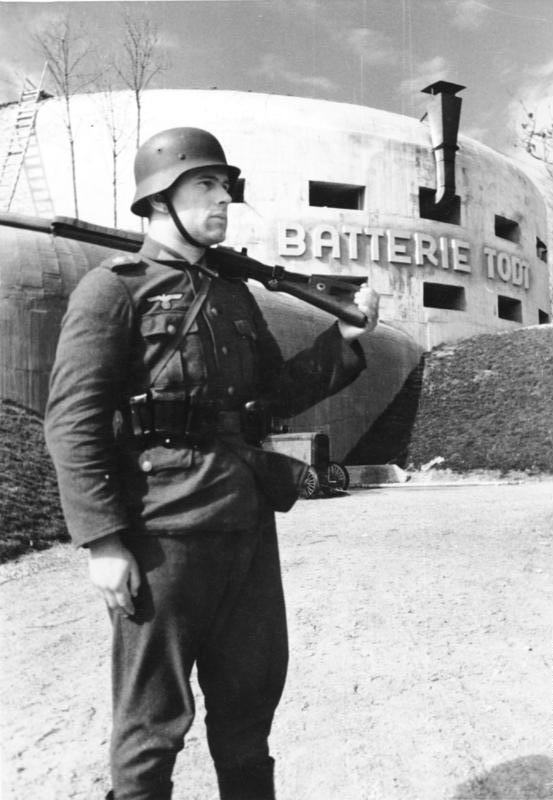
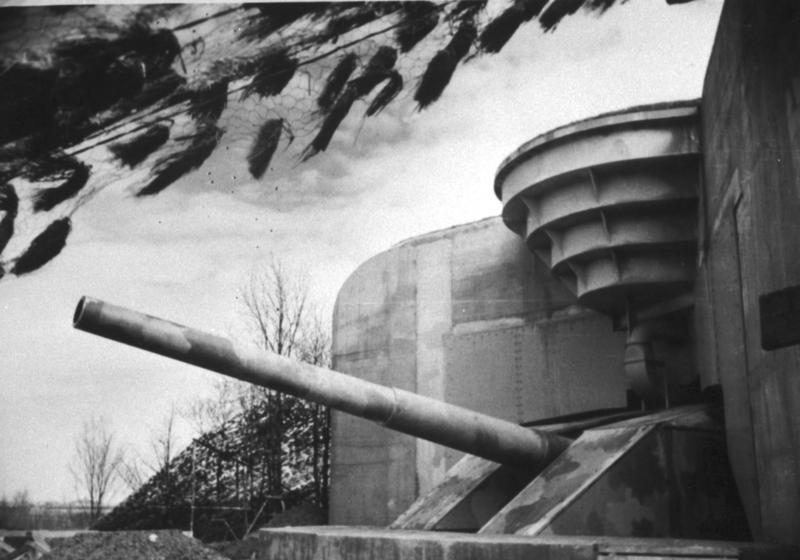
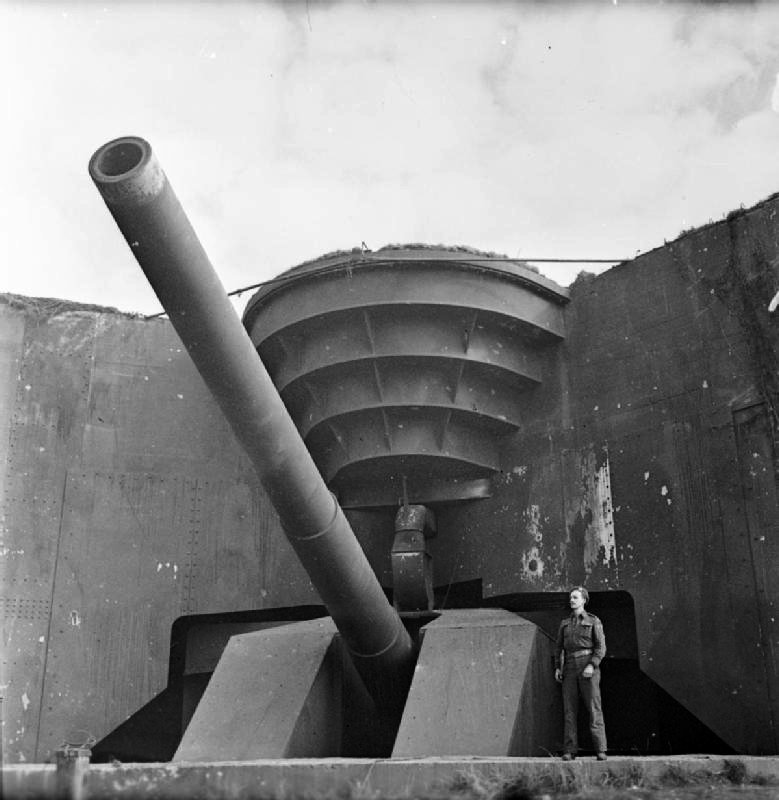
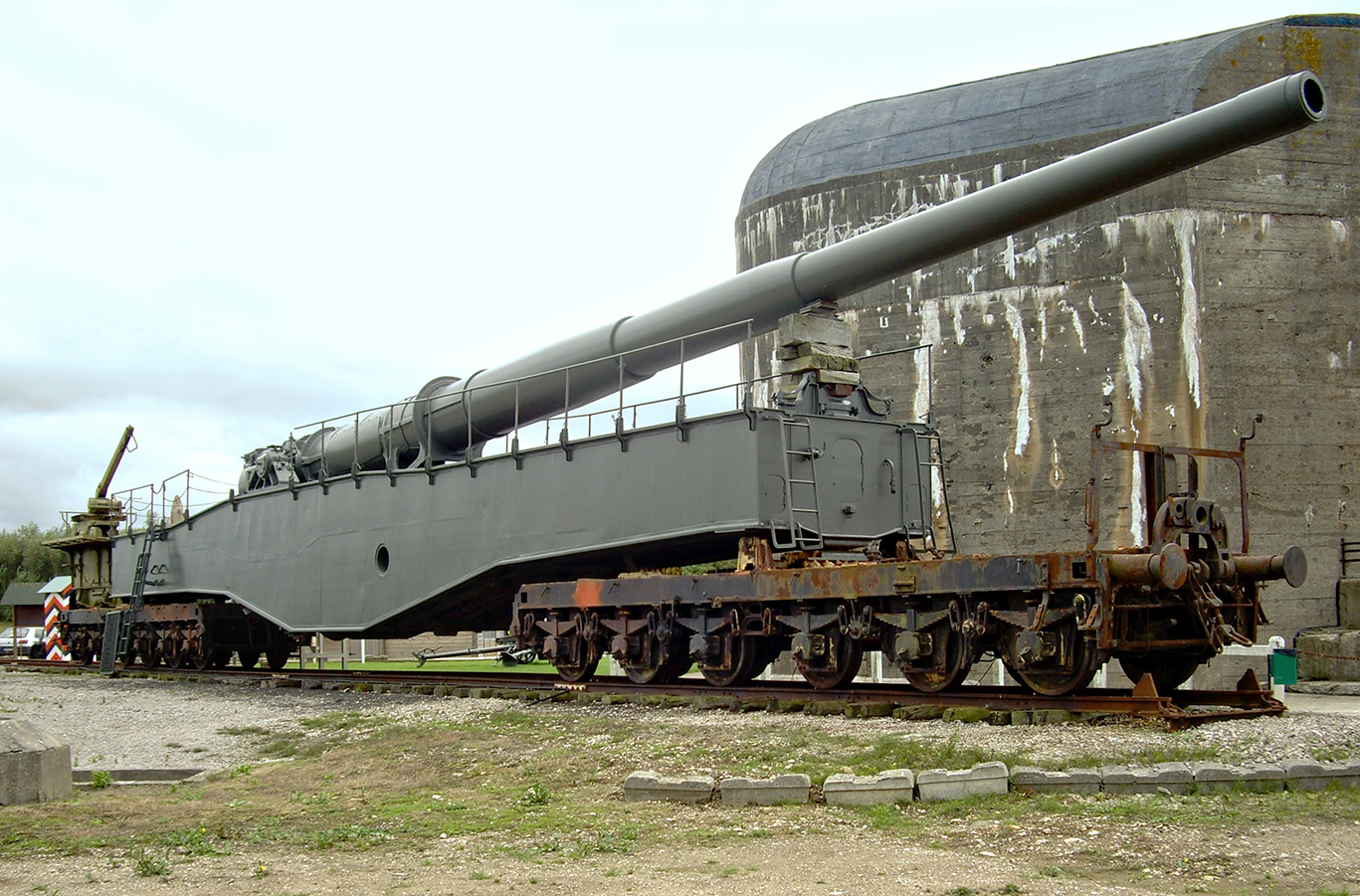
Battery Todt took its name from Fritz Todt, the founder of Organisation Todt, the engineering and construction group responsible for much of the Third Reich’s military infrastructure. Construction began in 1940, and the scale of the project was immense. Four reinforced concrete casemates were built, each designed to house a single 380 mm SK C/34 naval gun. These guns, originally intended for battleships, were repurposed for coastal defense. Each barrel measured over 19 meters in length, and each shell weighed nearly 800 kilograms. The maximum range of these weapons exceeded 40 kilometers, allowing them to bombard targets deep into the English coastline.
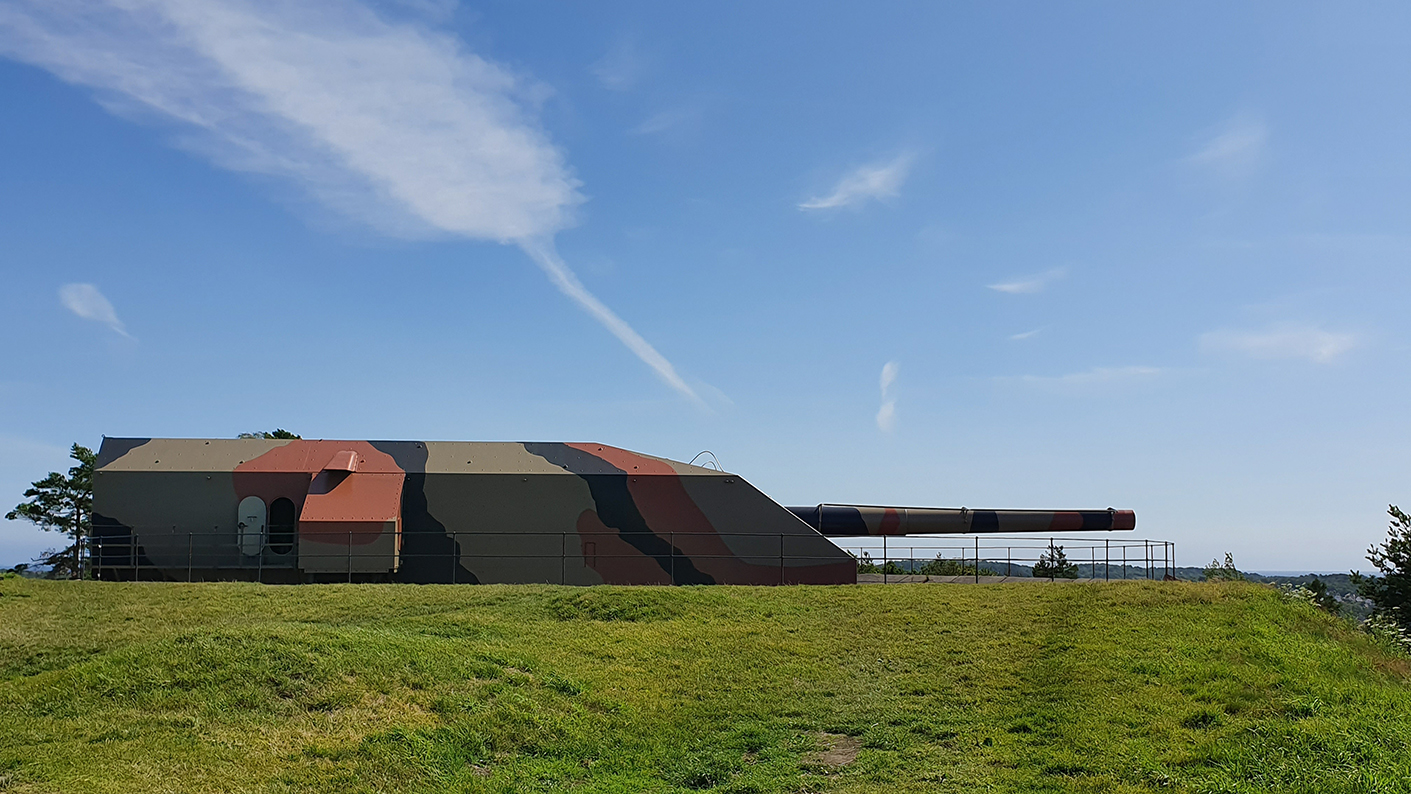
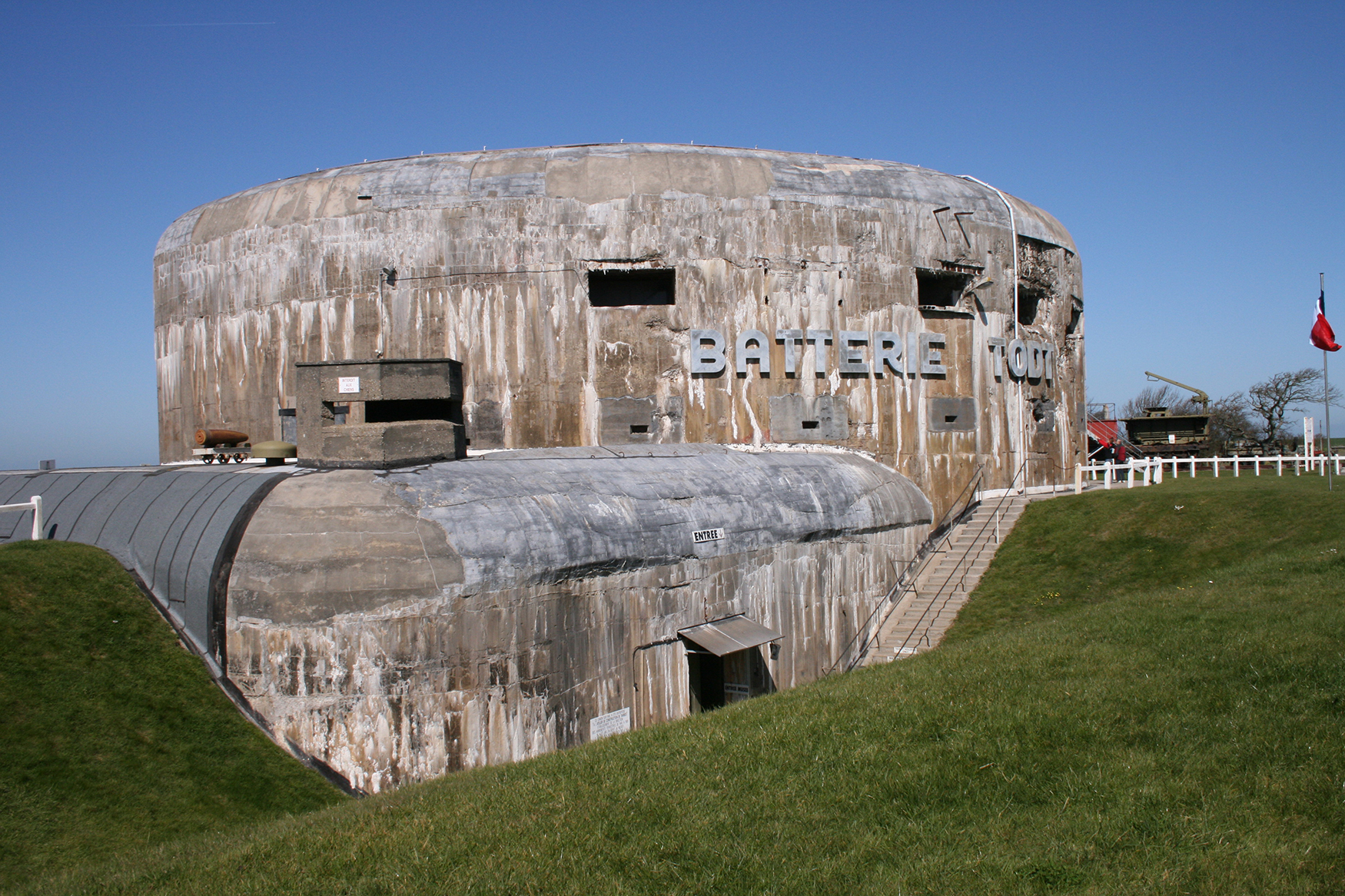
The casemates themselves were extraordinary feats of wartime engineering. Each was constructed of reinforced concrete several meters thick, capable of withstanding repeated hits from Allied bombs and shells. The structures were built into the cliffs, blending into the landscape from the seaward side but looming above the surrounding countryside. Underground chambers and tunnels linked ammunition stores, crew quarters, and command posts, creating a self-contained fortress that could sustain prolonged bombardment.
Organisation Todt employed thousands of workers to complete the battery, including German military engineers, forced laborers from occupied territories, and local conscripts. The work was grueling and dangerous, carried out under the constant threat of air raids. By the time the battery was completed in 1942, it was one of the most powerful coastal artillery positions in the world.
Operational Role During the War
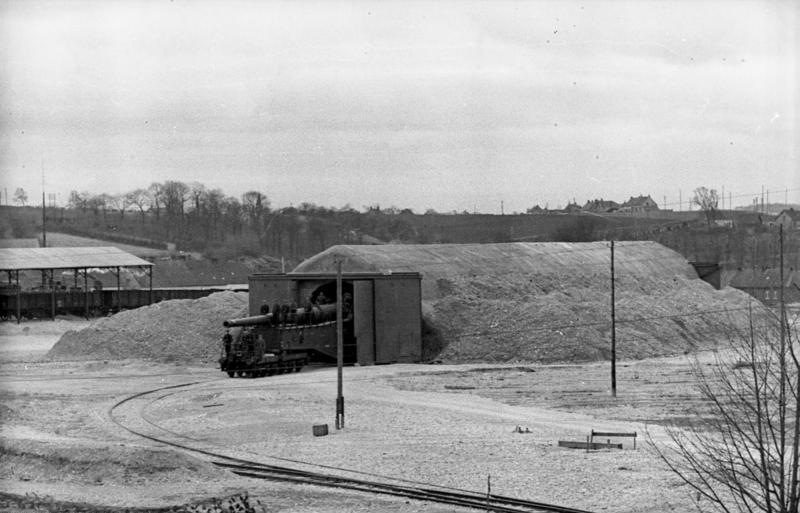
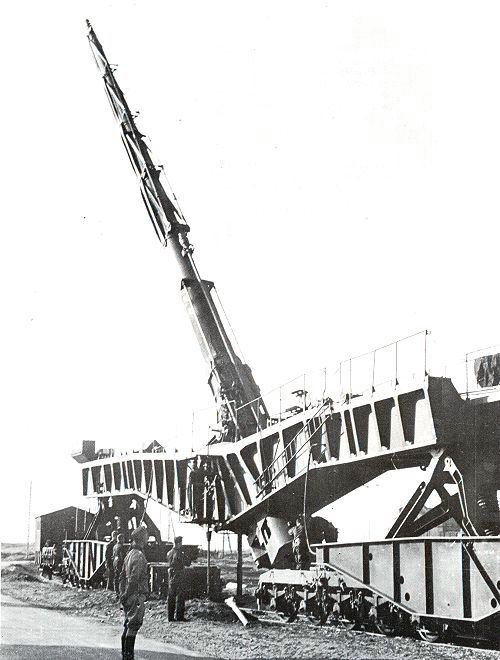
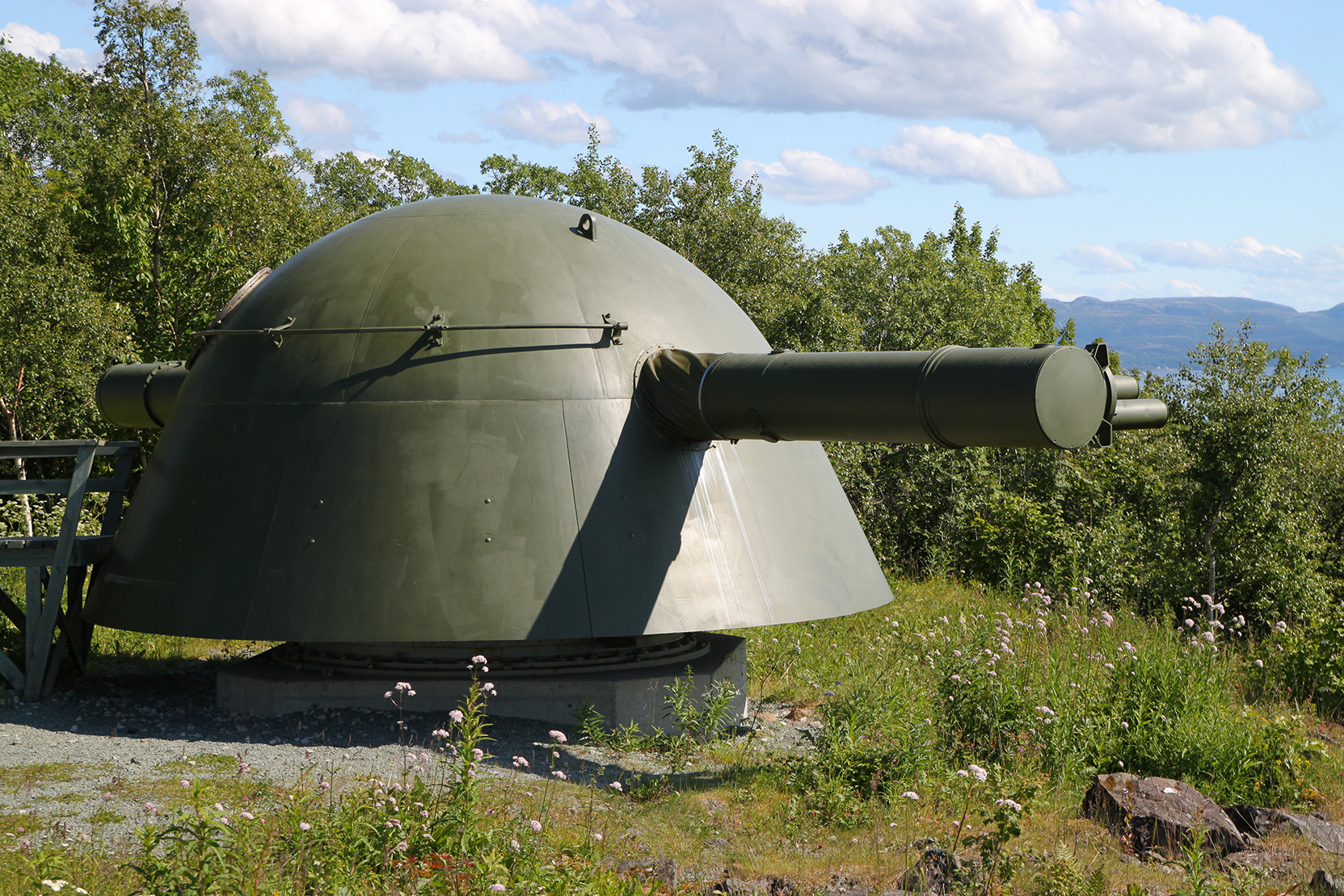
Battery Todt entered service in January 1942, and its presence was immediately felt on both sides of the Channel. The four massive guns, positioned to cover a wide arc, were capable of bombarding shipping lanes, coastal towns, and military installations in England. The battery took part in shelling Dover and other coastal points, contributing to what became known as the “Channel Guns” duels between German coastal artillery and British heavy guns along the southern coast.
These exchanges, while often more about psychological impact than military effect, created a constant sense of tension for those living in range. Shells from Battery Todt occasionally caused damage and casualties in England, though the inaccuracy inherent in long-range gunnery limited their effectiveness. Still, the existence of such firepower constrained Allied naval operations in the Dover Strait and forced convoys to take longer, more dangerous routes.
The battery’s guns also targeted Allied shipping attempting to move supplies and troops between English ports, as well as naval vessels patrolling the Channel. Allied aircraft made repeated attempts to neutralize the battery, but its heavy armor and camouflage, combined with the depth of its construction, made it resistant to conventional bombing. Even direct hits from large bombs often failed to penetrate the thick concrete roofs of the casemates.
The Decline of German Coastal Defenses
By 1944, the strategic situation had begun to change. The Allies, preparing for the invasion of Normandy, focused their attention further to the southwest. While Battery Todt remained a dangerous asset, the main thrust of the Allied landing forces would bypass the Pas-de-Calais. German High Command, however, still believed that the region was a likely invasion point, and significant forces were kept there in reserve.
After D-Day in June 1944, the Allied advance through France eventually brought Canadian forces to the Pas-de-Calais in September. Battery Todt’s garrison, part of the German 15th Army, continued to resist despite being cut off from the rest of the German front. On September 29, 1944, Canadian troops from the 3rd Infantry Division, supported by artillery and air strikes, launched an assault on the battery. In the ensuing battle, several casemates were heavily damaged, and the surviving German forces surrendered. One of the massive 380 mm guns was destroyed, while others were captured intact.
Postwar Fate and Preservation
In the years after the war, the remains of Battery Todt were largely abandoned, its guns scrapped and its bunkers left to the elements. The thick concrete structures proved nearly indestructible, standing as silent sentinels over the Channel. Local communities, long accustomed to their looming presence, began to see them as both eyesores and reminders of the war.
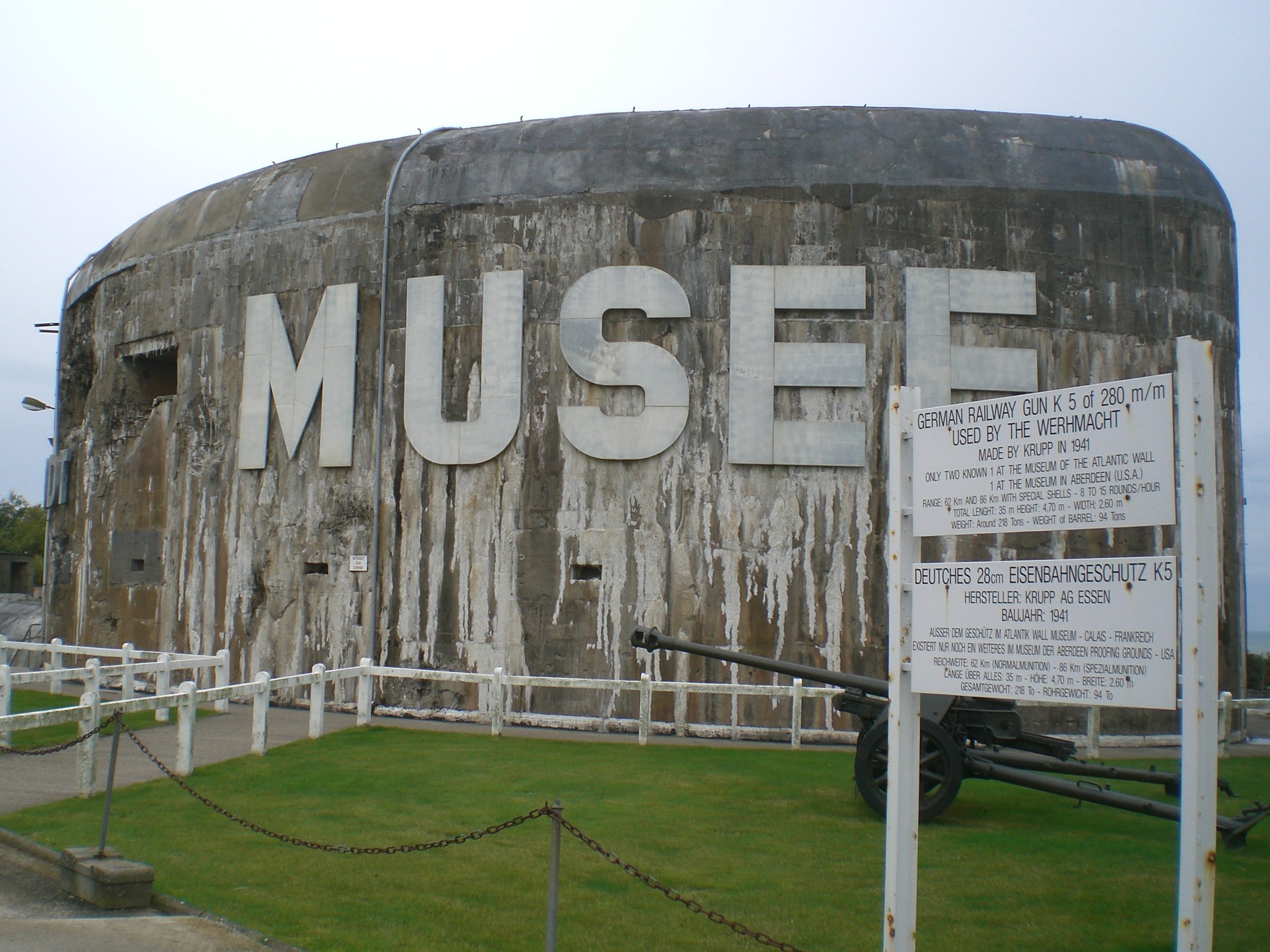
In the late 20th century, efforts were made to preserve part of the battery as a historical site. One of the surviving casemates, known as Casemate No. 1, was transformed into the Musée du Mur de l’Atlantique (Atlantic Wall Museum). Inside, visitors can see one of the original 380 mm guns, recovered from a German battleship and installed to illustrate the scale of the weapons used. The museum also contains exhibits on the construction of the Atlantic Wall, life in the occupied region, and the role of coastal artillery in the war.
The other casemates remain closed to the public, their interiors either unsafe or inaccessible, but they stand as stark reminders of the military ambition and industrial scale of Nazi Germany’s defensive works.
Legacy of Battery Todt
Battery Todt represents a convergence of engineering ambition, military strategy, and human endurance. It was an embodiment of Hitler’s vision for an impregnable Atlantic Wall, designed to repel the Allies from the shores of Western Europe. Yet it also highlights the limits of static defenses in the face of modern warfare. The battery’s enormous guns and fortifications could dominate a narrow stretch of sea, but they could not prevent the Allies from choosing their own point of attack or from advancing through France once the front shifted.
For historians, the site offers a tangible link to the technological and strategic realities of the Second World War. For visitors, the battery’s massive scale is a sobering reminder of the destructive potential that once threatened both sides of the Channel. The museum’s preserved gun and wartime artifacts help convey not only the military might of the installation but also the human stories—of gunners manning their posts under bombardment, of forced laborers building the casemates, and of civilians living in the shadow of these weapons.
Today, Battery Todt is not merely a relic of war but also a site of education and remembrance. Its survival into the 21st century ensures that future generations can stand before its immense walls, look out across the narrow sea to England, and grasp the reality of a time when this coastline was a frontline in a global conflict. In its silence, the battery speaks volumes about the scale of the war, the ambitions that built it, and the resilience of the people who endured its presence.