A Haunting Jewel of 17th‑Century France
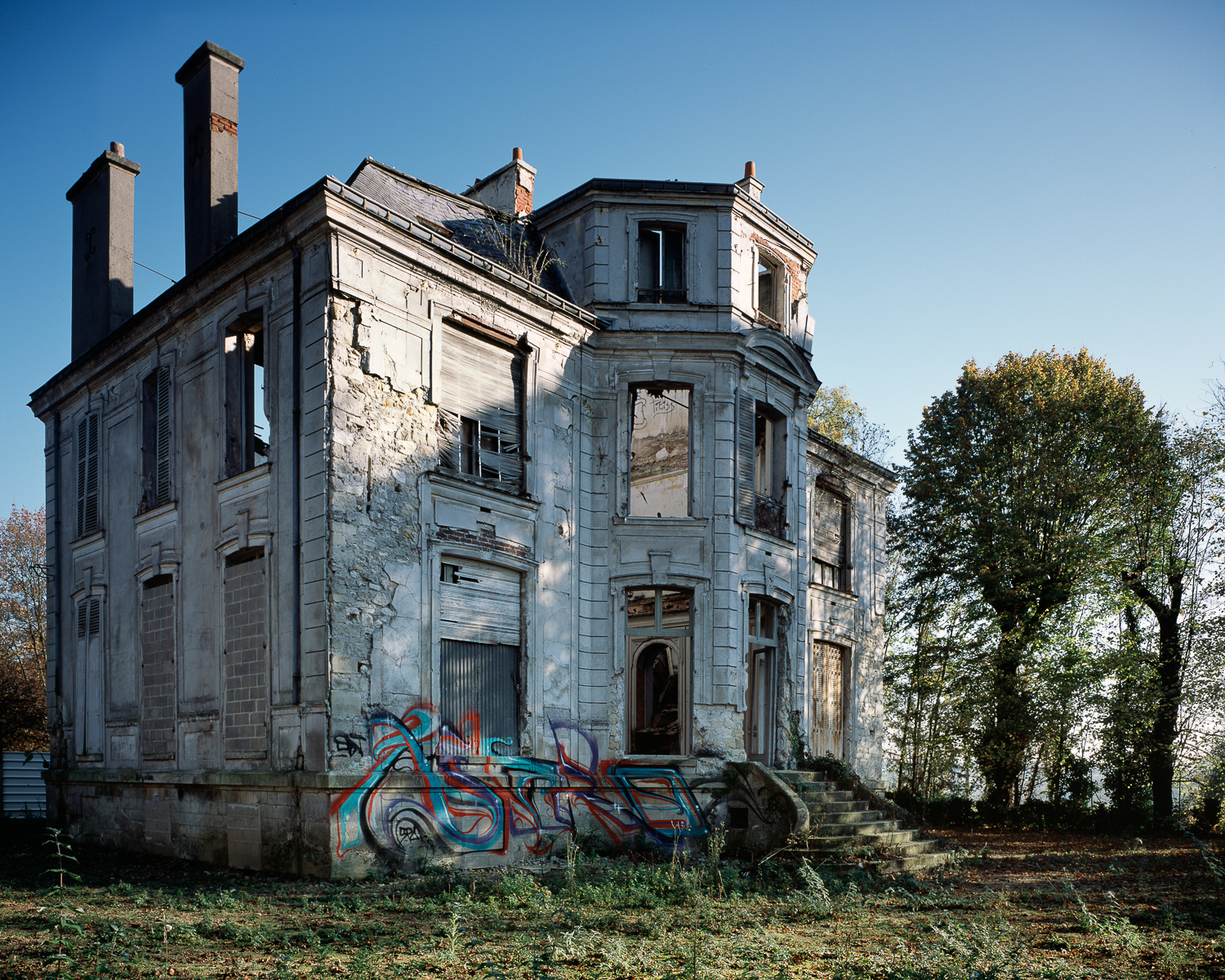
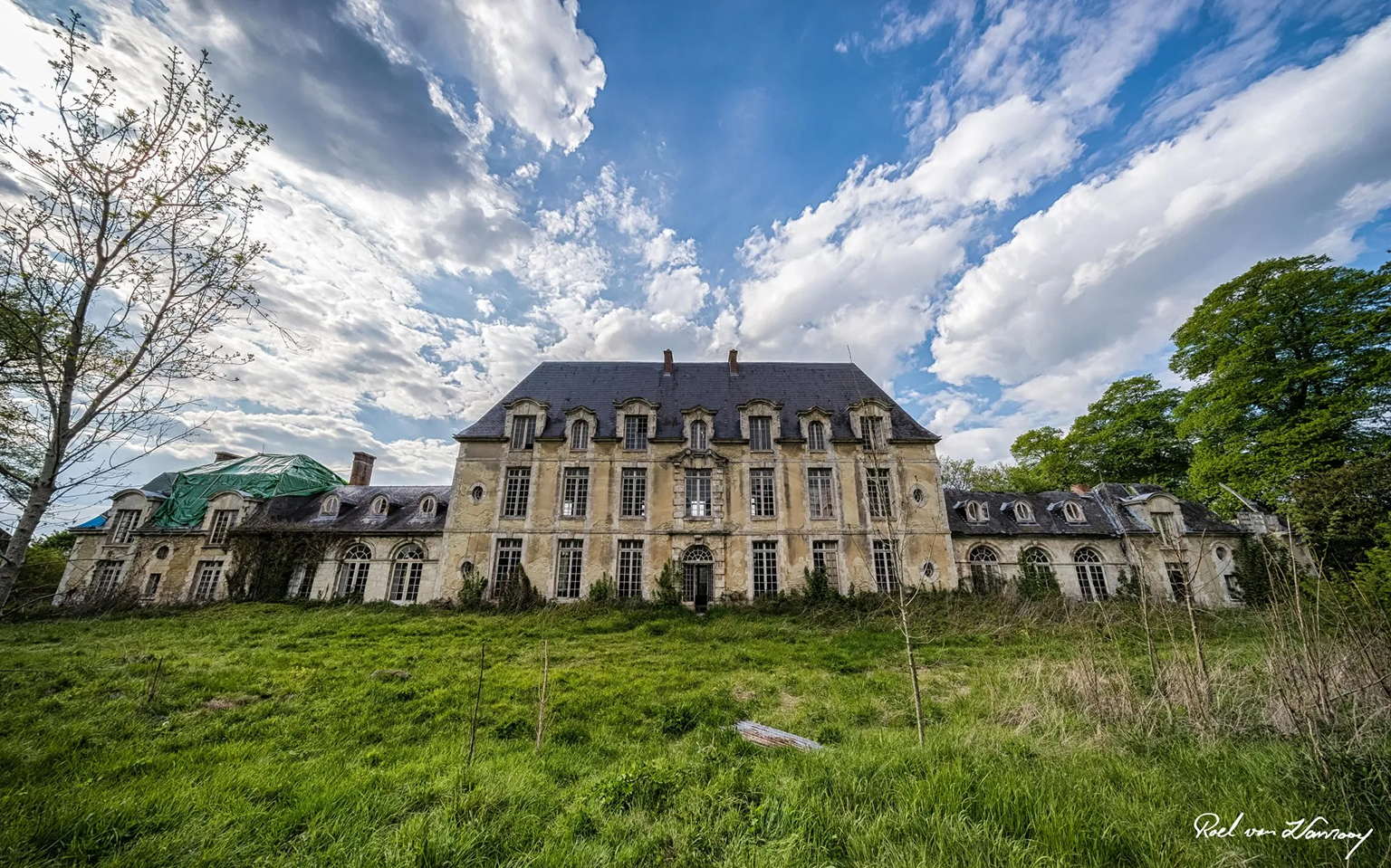
Deep in rural Normandy stands the enigmatic Château de Singes, also known as the “Castle of Monkeys” or Château la Folie, an abandoned 17th‑century mansion famed for its striking monkey-themed frescoes and dramatic, light‑filled interiors. Though its precise location remains undisclosed to deter vandalism, its architectural presence has captured imaginations worldwide.
Origins and Name
Built in the 1600s, the estate once belonged to prominent local families of the Vexin-sur-Epte region. Over generations it passed into decline, retaining its noble bones but gradually falling into disrepair by the mid‑20th century. Its evocative nickname, “Château des Singes,” stems from ornate monkey frescoes—murals depicting playful primates reading, playing instruments, or engaging in leisurely pursuits—despite most being nearly lost to time.
Architecture: Light, Length, and Lavish Detail
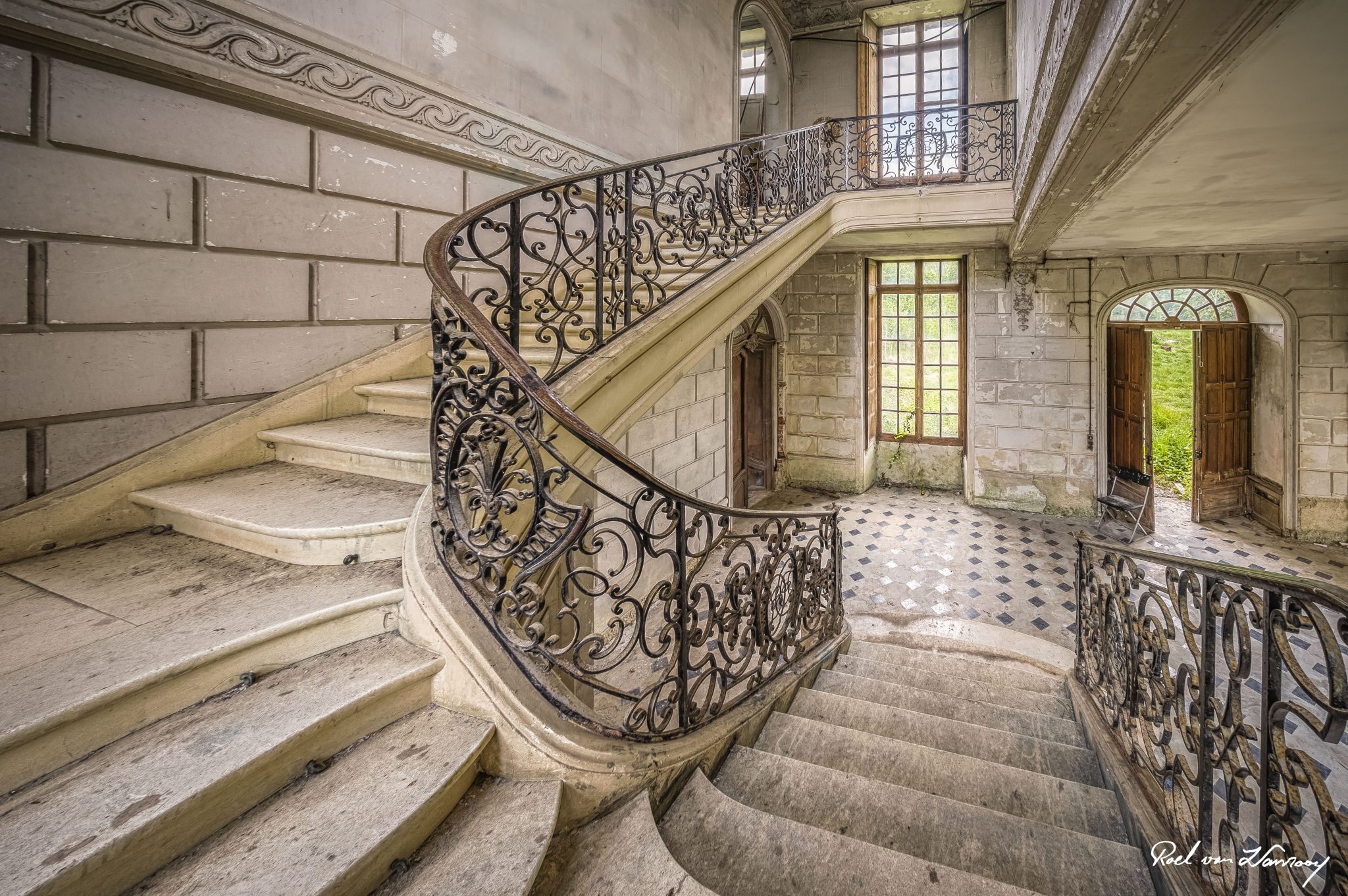
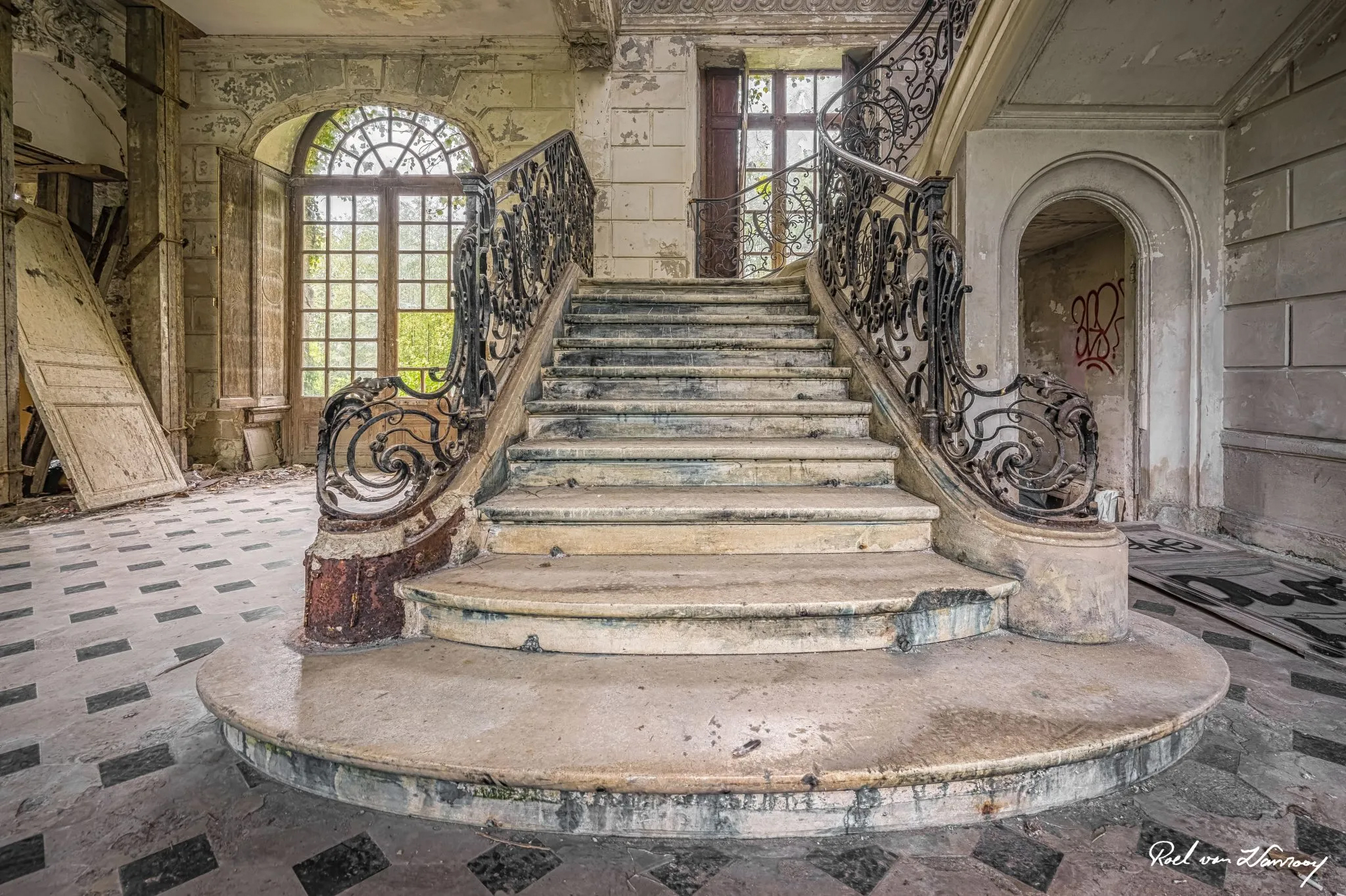
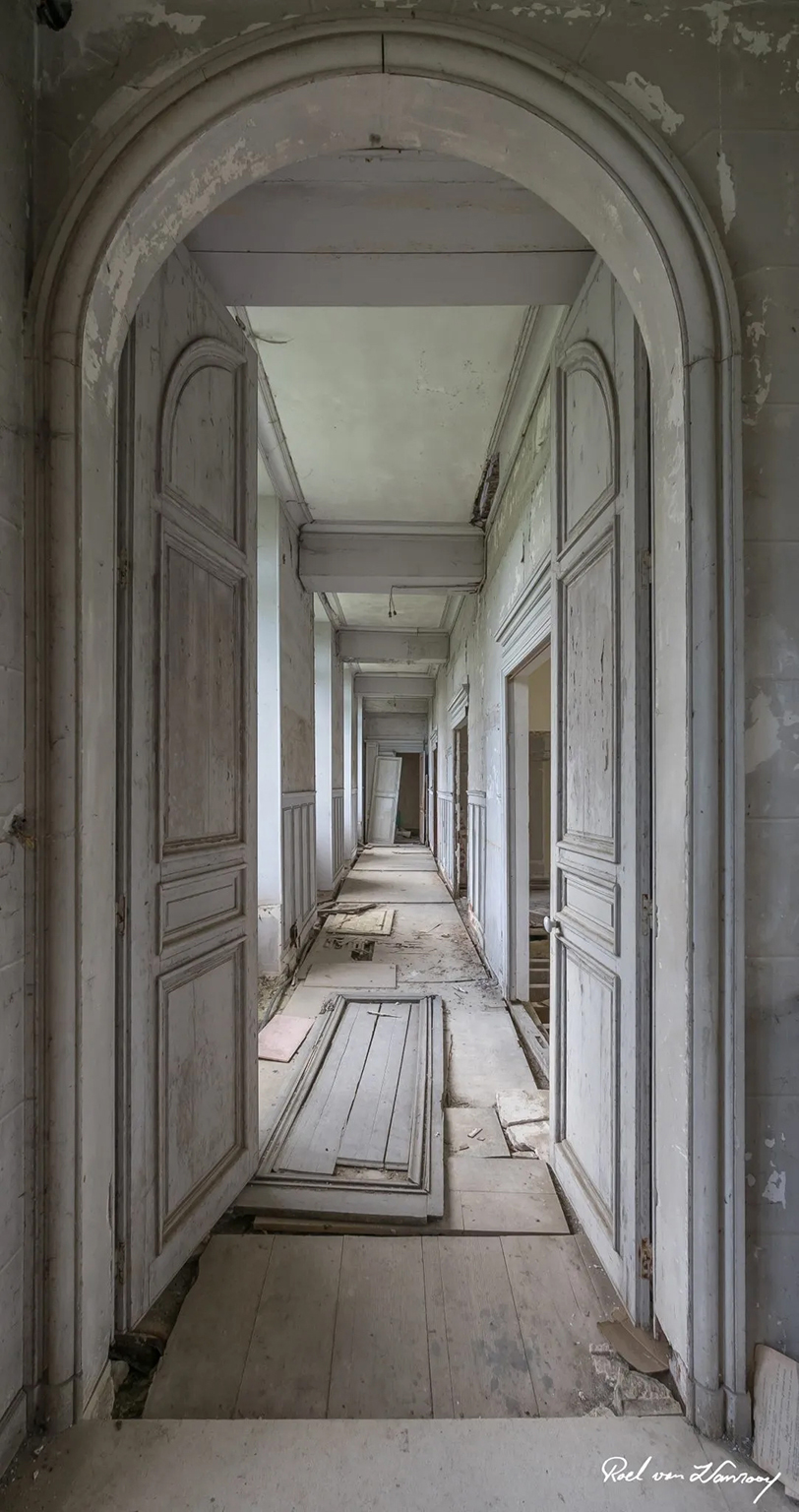
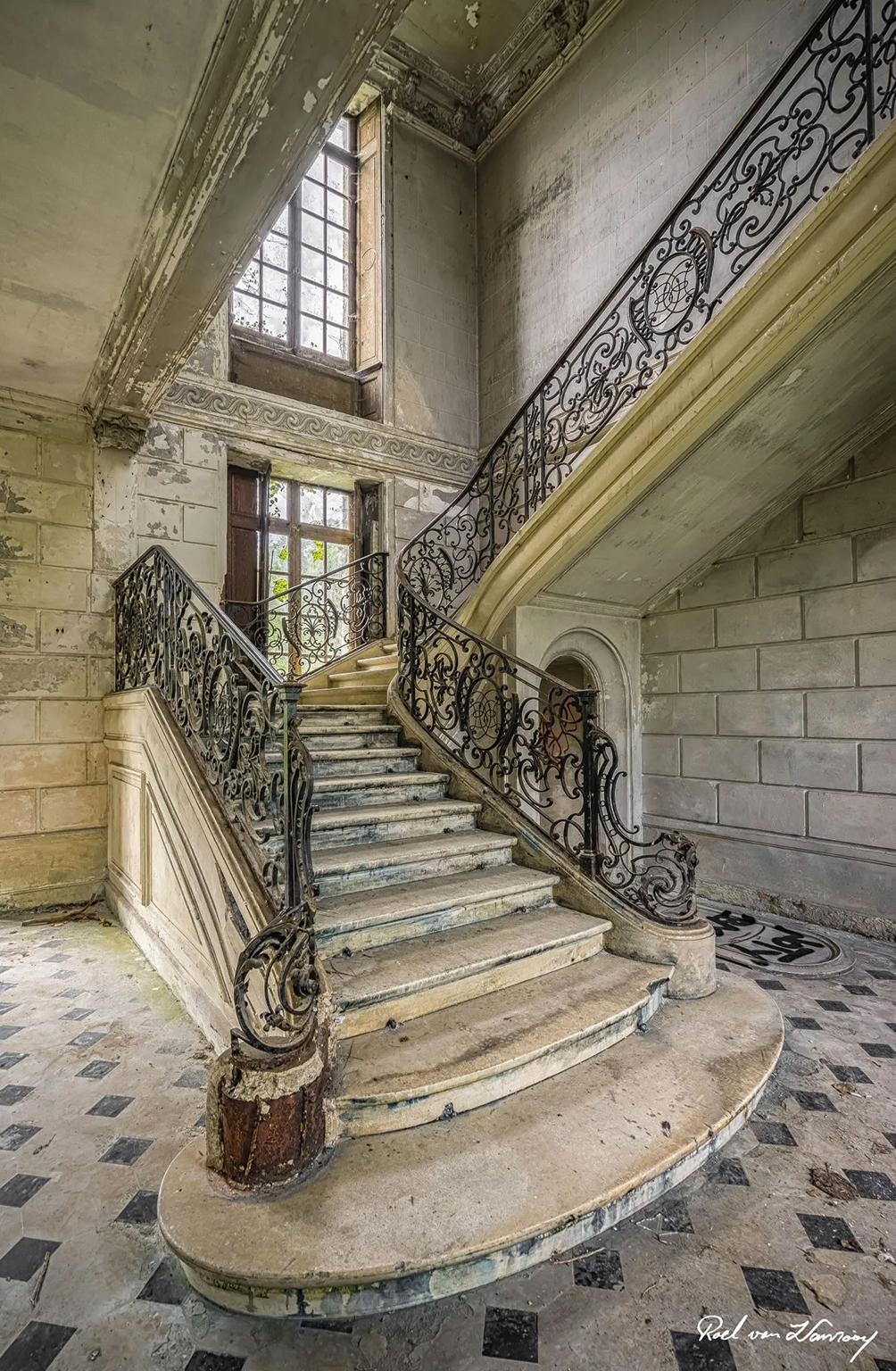
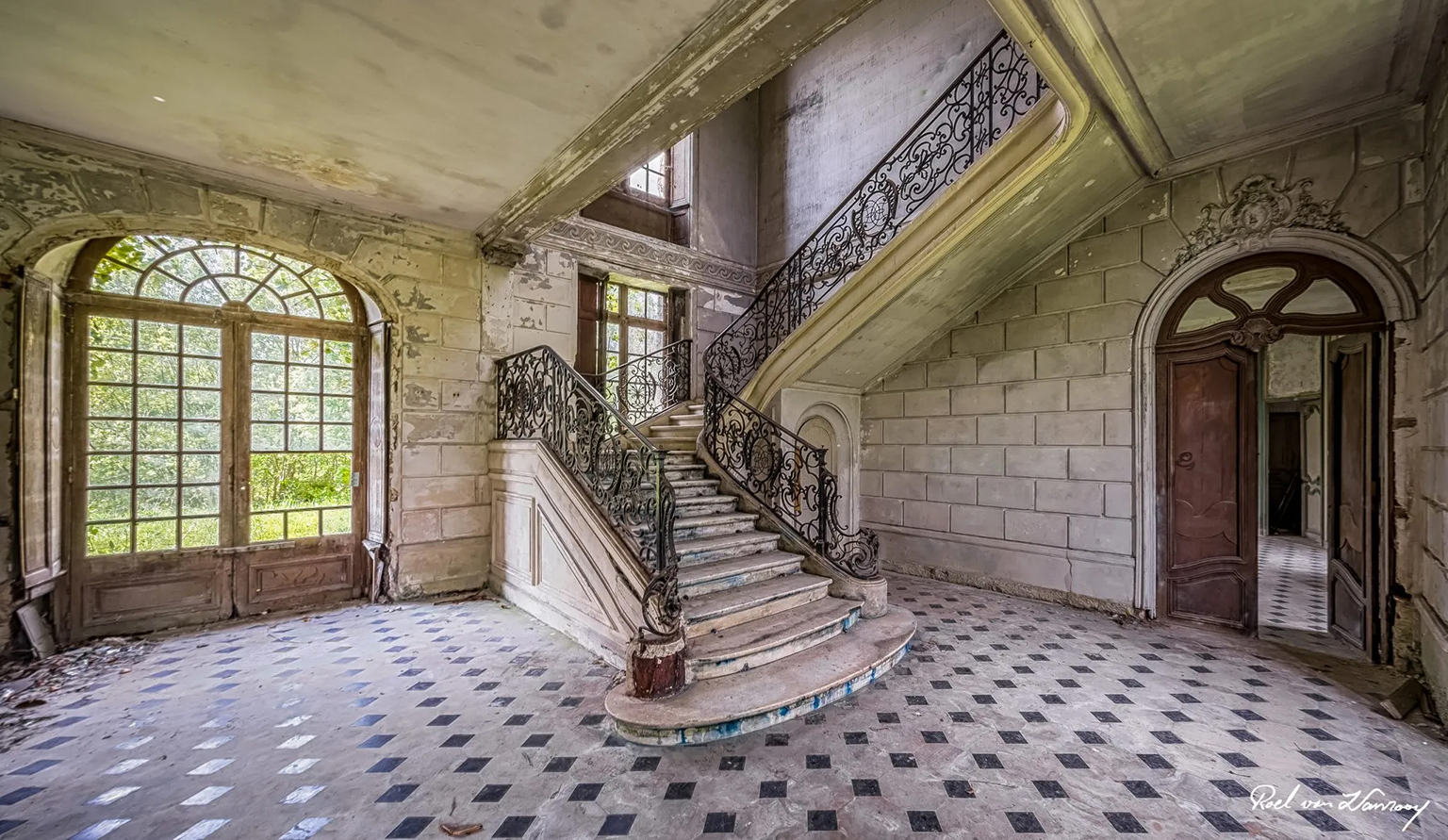
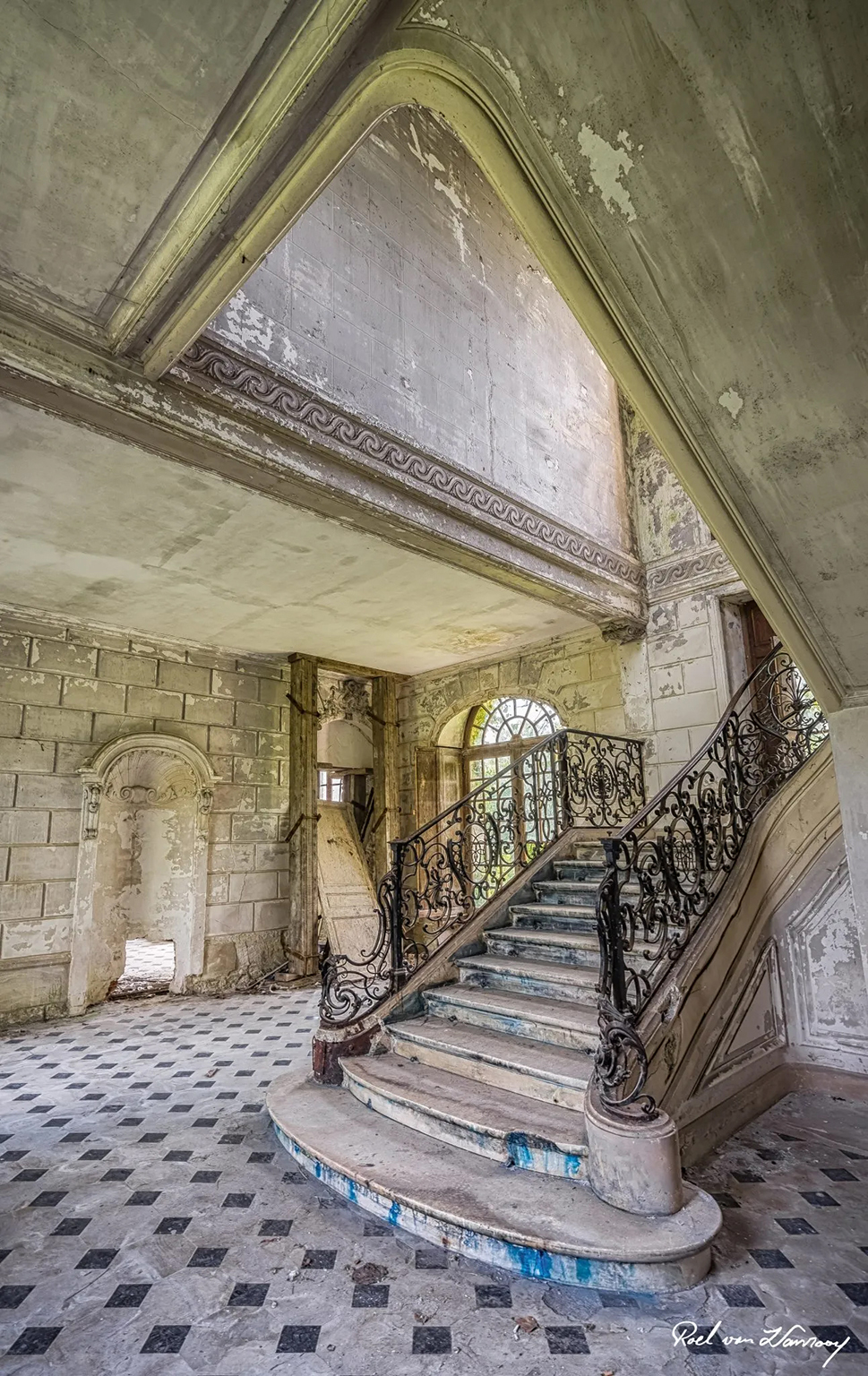
What sets Château des Singes apart is its unusually long but narrow design—most rooms are only one chamber deep, permitting external windows at both ends. This maximizes daylight and creates a sense of spaciousness exceeding the castle’s footprint. Inside, the grand central staircase sprawls upward beneath a skylight, surrounded by high ceilings, delicate plaster coving, and murals of faces and animals—a spotlight for countless urbex photographers.
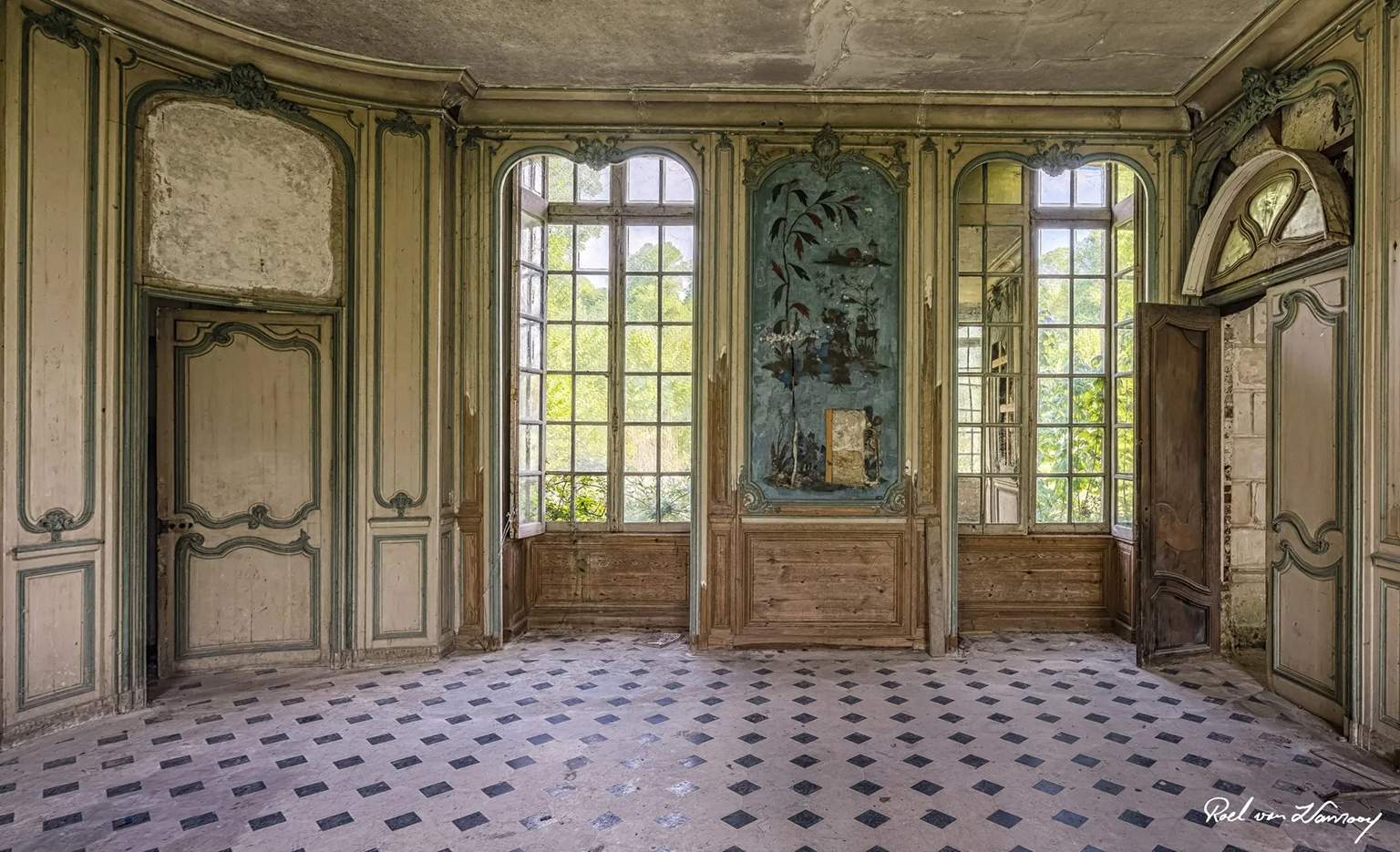
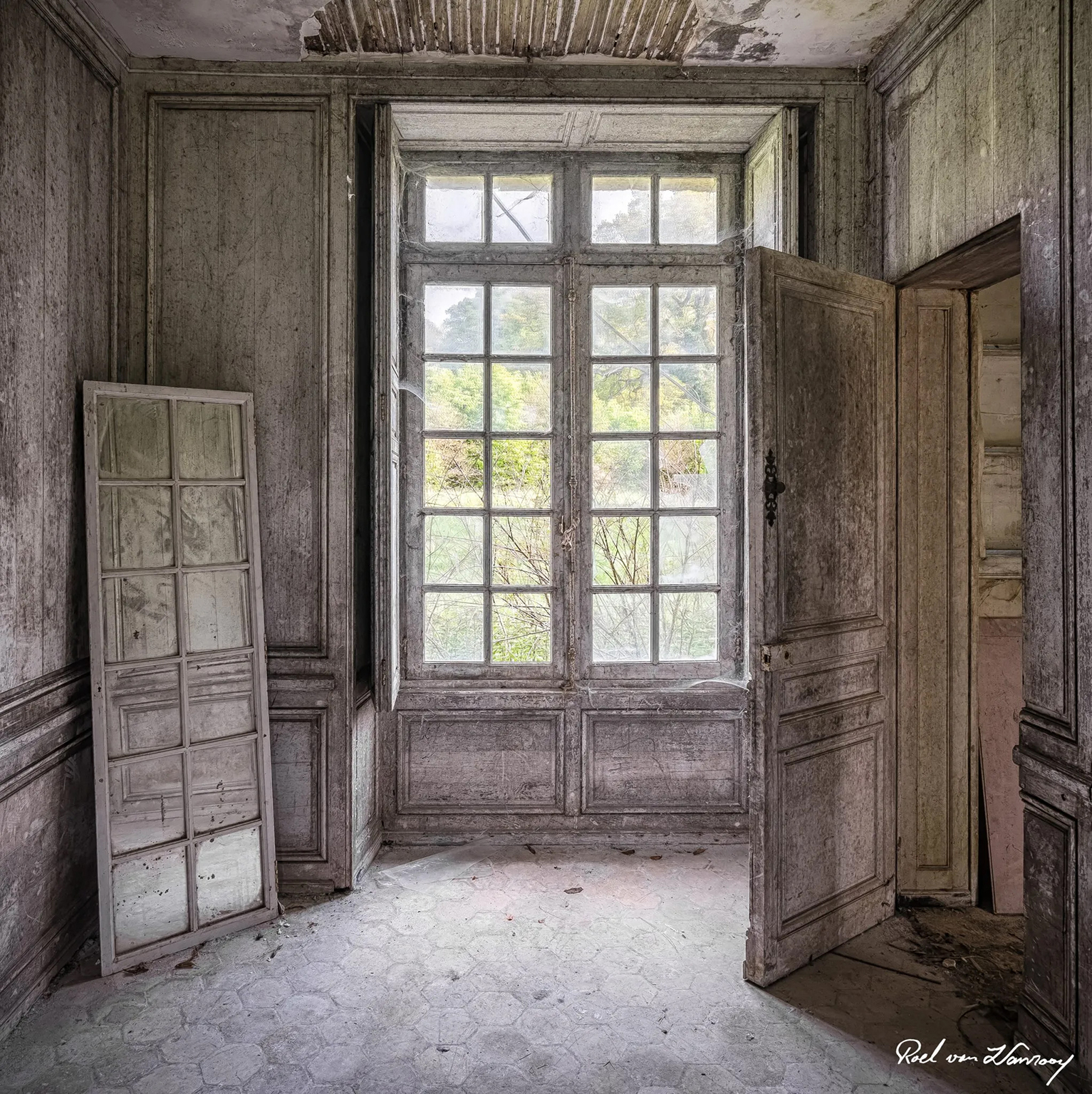
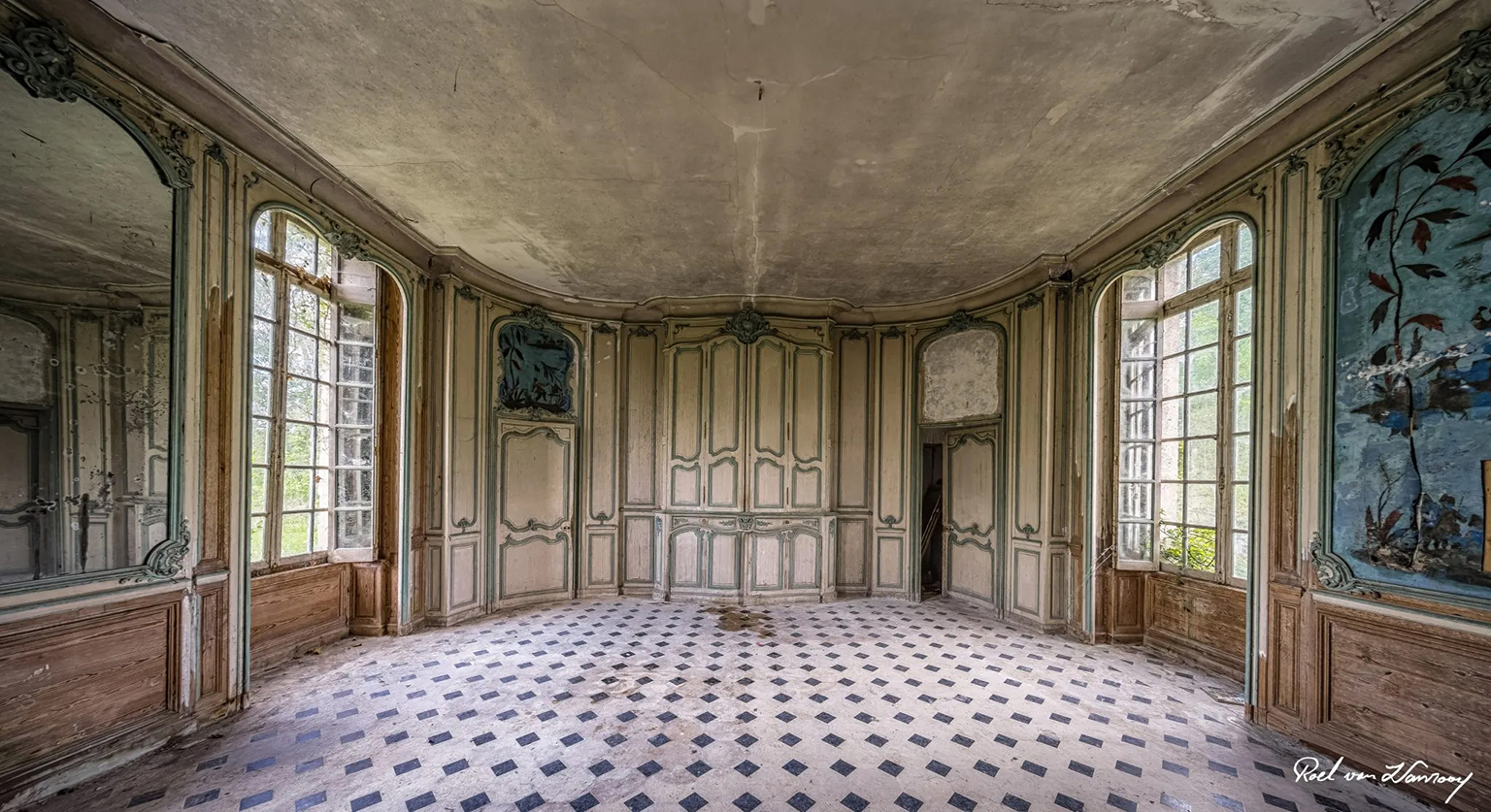
The interiors feature high-arched windows, checkered tile floors, marble-like finishes, and extensive decoration—particularly in the monkey mural room, where faded plaster monkeys once greeted refined guests.
Resident Ernest: Pride, Decay, and Defiance
Legend holds that until around 2012, the château was inhabited by a solitary owner—Ernest—who refused renovations, choosing instead to live in a single heated room while the rest of his estate slowly collapsed. Despite offers of help—most notably from the local mayor—Ernest rebuffed assistance, even threatening firefighters during a minor blaze that damaged one wing but spared the remainder. When his health declined, he entered a nursing home and the château stood empty, unguarded, and free for explorers around 2014.
Urbex Fame and Community Response
Following its vacancy, Château des Singes became an urban exploration icon. Photographers and explorers reportedly spent hours inside, especially drawn to the staircase and abundant natural light. During 2014 visits, internet buzz culminated in fashion shoots and police visits, but also acts of appreciation from the urbex community: one group repainted the staircase to remove graffiti, preserving its original elegance at personal cost.
Yet damage followed: filing cabinets were overturned, old newspapers scattered, keys stolen, and some murals slashed. The decline was rapid and heartbreaking to long-time visitors.
Current Status and Preservation Efforts
By 2022, reports indicated the château had been acquired by new owners—including Taïg Khris—who erected scaffolding and expressed plans for renovation or restoration. It remains listed as a historic monument and site of cultural interest, though progress toward actual restoration remains unconfirmed.
Life Inside: Spaces Frozen in Time
Visitors describe:
- A dazzling grand staircase illuminated by skylights, with pristine plaster railings and high ceilings.
- The monkey mural room, its walls once richly decorated, now faint with neglect.
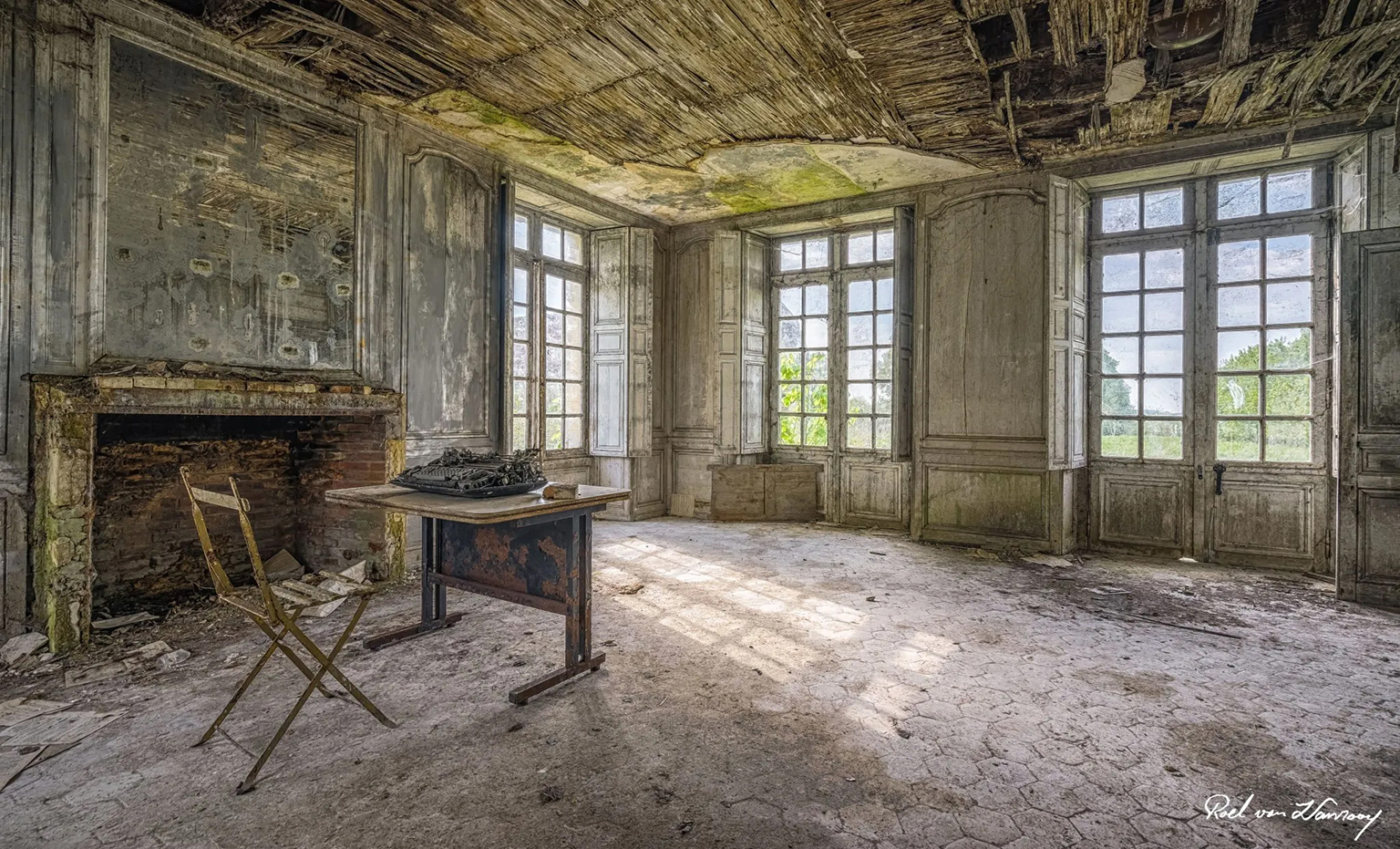
- Vast light-flooded rooms, often abandoned, revealing original flooring, tarnished yet intact.
- Subtle plaster coving faces, horse-saddle wall décor, and a sense of symmetry and balance.
- A dried and overgrown rectangular artificial lake at the front that once augmented the estate’s grandeur.
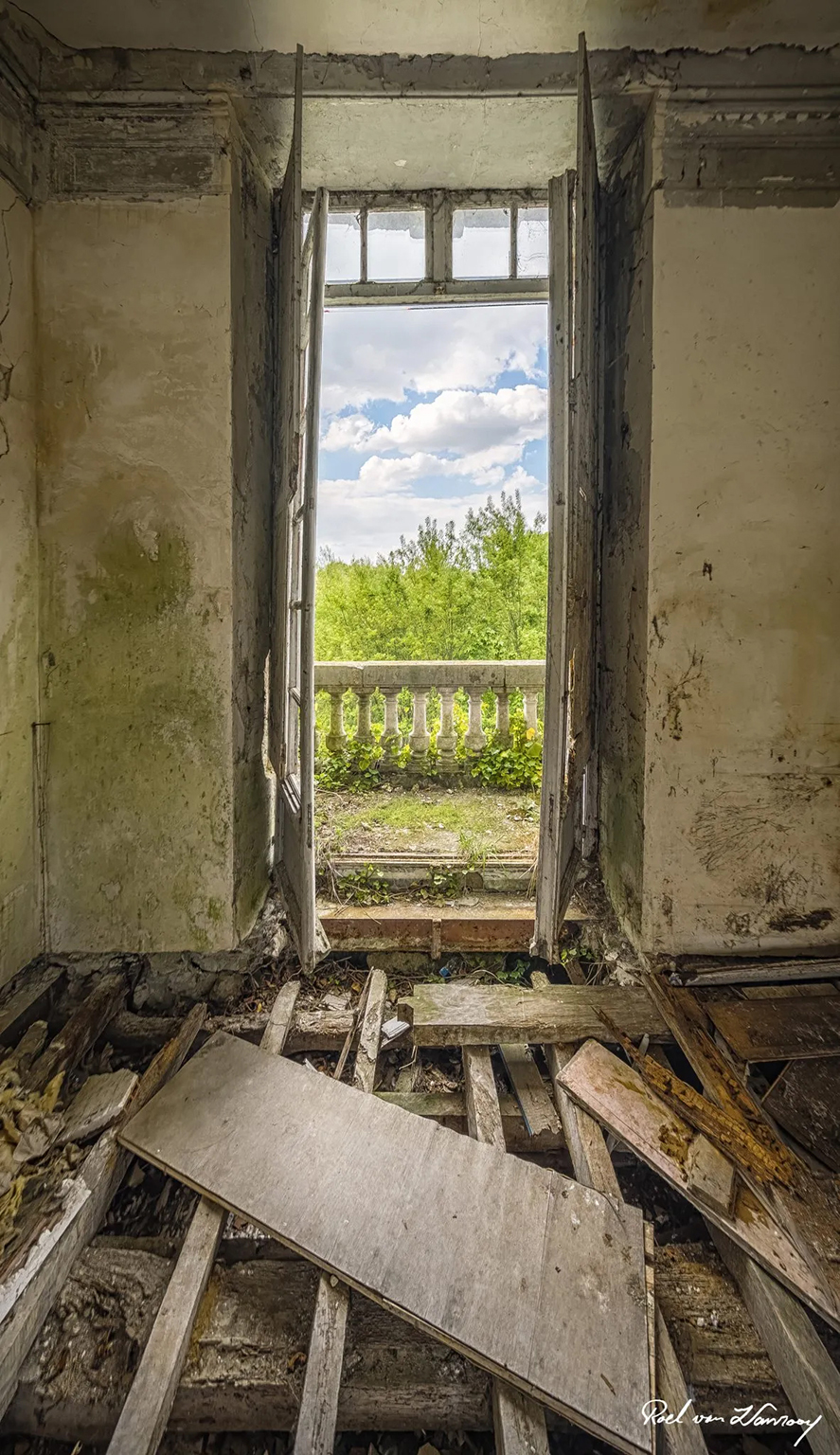
Despite structural instability—roof leaks, holes, and water ingress—the château appears largely salvageable. Experienced explorers judged wood beams and masonry still in stable condition, hopeful restoration could revive the structure with sufficient resources.
Themes and Reflections
- Architectural Lightness and Grandeur: Château des Singes exemplifies refined design: a mansion made bright, open, and deceptively grand through form and fenestration.
- Decay by Pride: Ernest’s stubborn refusal to modernize reflects a human tragedy—love for a building so deep it prevented its survival.
- Urbex Ethics in Play: The community’s efforts—both destructive and restorative—highlight challenges urban explorers face balancing curiosity with preservation.
- Forgotten Heritage: This château mirrors wider themes of rural abandonment in France, where inheritance laws, upkeep costs, and dwindling heirs leave historic estates in jeopardy.
- Possibility of Revival: Scaffolding marks and ownership changes hint that this once-derelict site may yet rise again, potentially restored to dignity or reinvented.
Final Thoughts
The Château des Singes remains part legend, part ruin—a stunning relic of aristocratic era and failed resilience. Its interiors whisper of a life lived in solitude amid fading art; its staircase still soars despite decades without care. Though decay has rent wallpaper and chipped coving, the bones remain majestic.
Whether preserved, renovated, or simply remembered through photographs and stories, the Château des Singes stands as a testament—to beauty, to decline, and to the human will that both sustains and destroys.