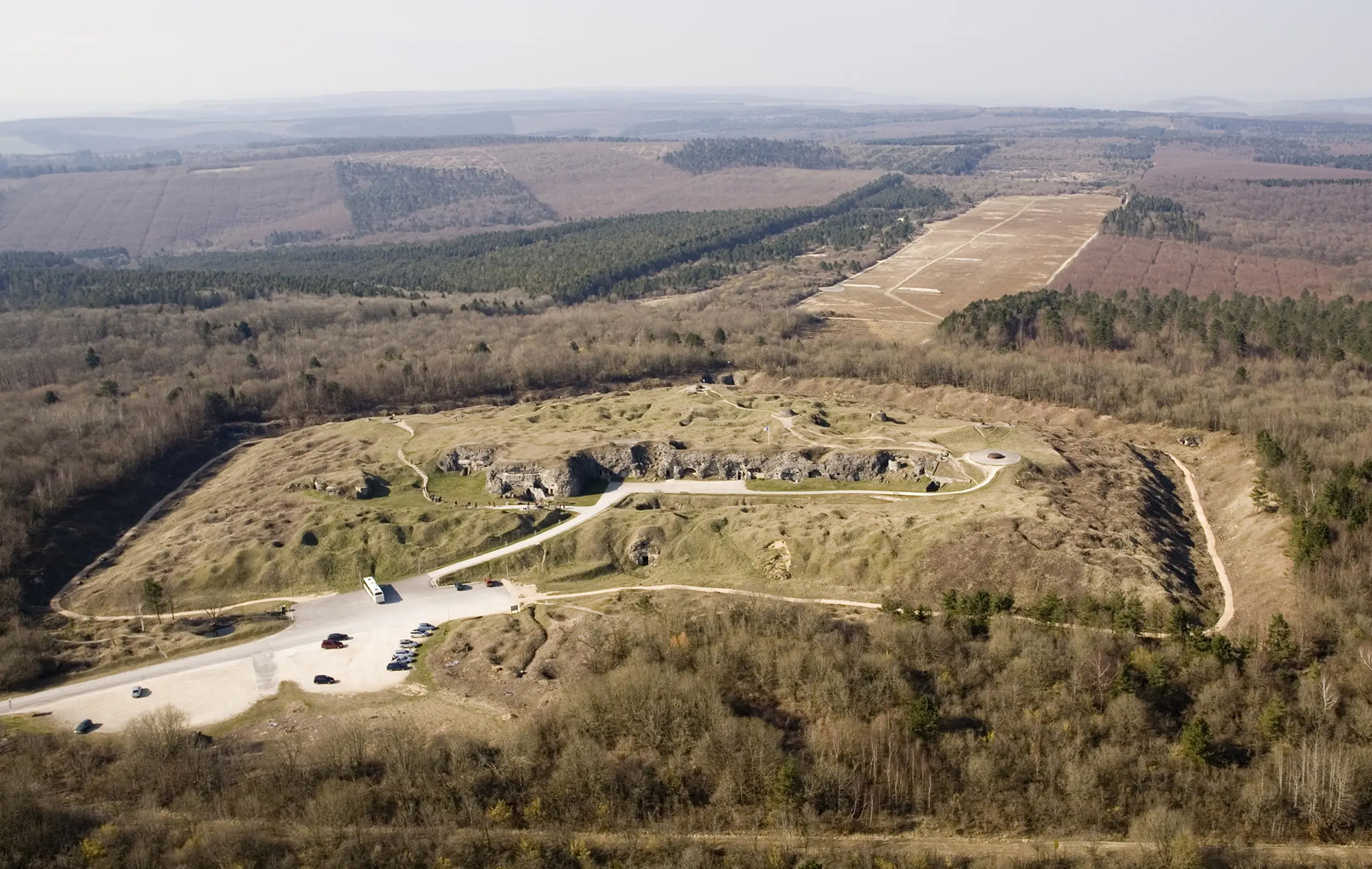
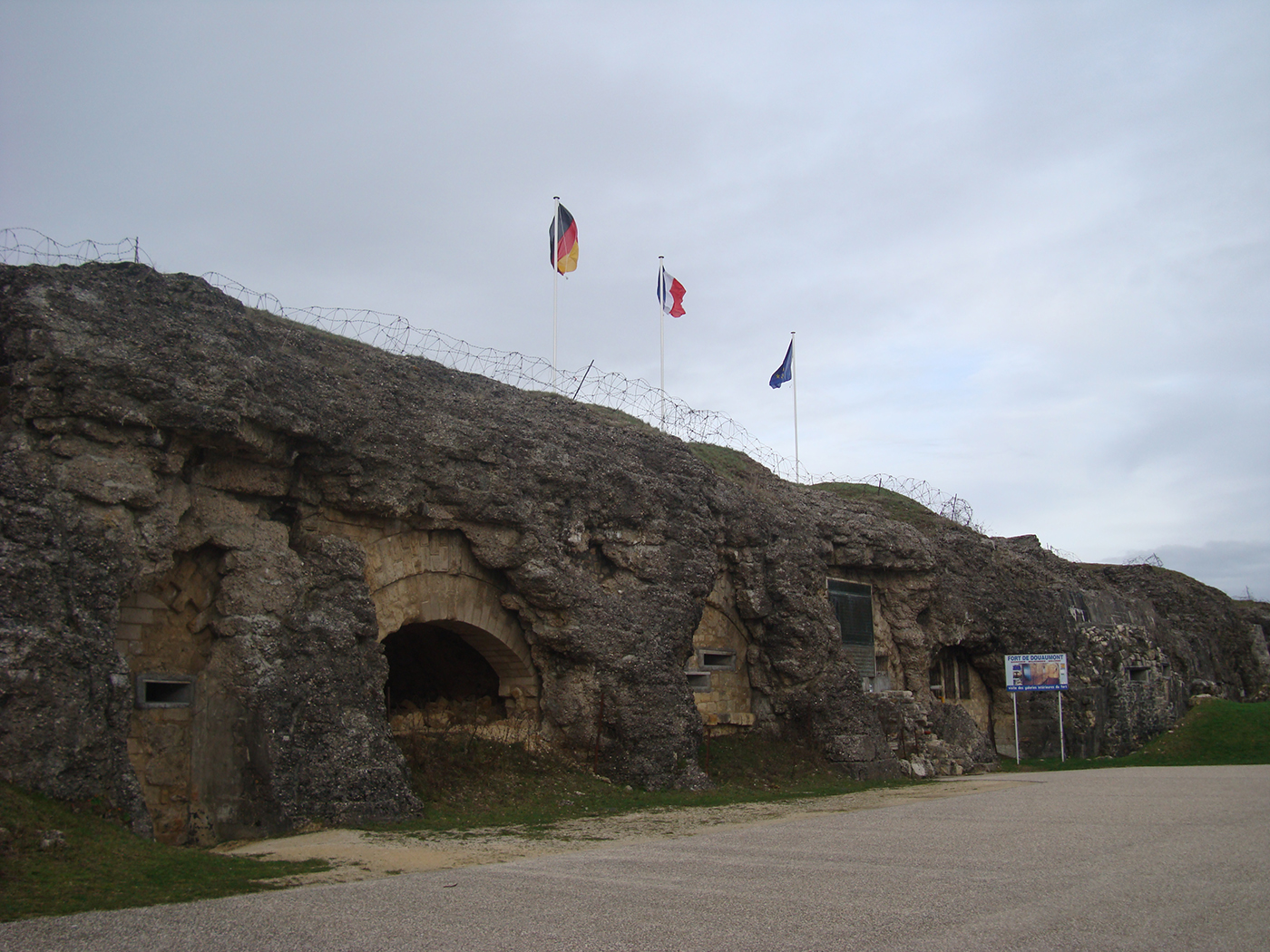
Fort Douaumont stands in quiet solitude on a ridge above the Meuse Valley, just northeast of Verdun in France. Today it is a preserved monument, its walls scarred by artillery, its corridors dim and cold. Yet over a century ago, it was at the epicenter of one of the most ferocious battles in modern history—the Battle of Verdun in 1916. This fortress, the largest in the Verdun defensive system, played a decisive role in a struggle that claimed hundreds of thousands of lives. Its story is one of strategic ambition, shocking loss, relentless fighting, and eventual redemption, all within the broader tragedy of the First World War.
Construction and Strategic Purpose
The origins of Fort Douaumont lie in the aftermath of the Franco-Prussian War of 1870–1871. France’s defeat in that conflict resulted in the loss of Alsace-Lorraine and a deep awareness of the vulnerability of its eastern frontier. Determined to avoid a repeat of that humiliation, the French military commissioned a network of fortifications along its borders. This project, known as the Séré de Rivières system after General Raymond Adolphe Séré de Rivières, sought to create an unbroken chain of strongholds capable of resisting modern artillery.
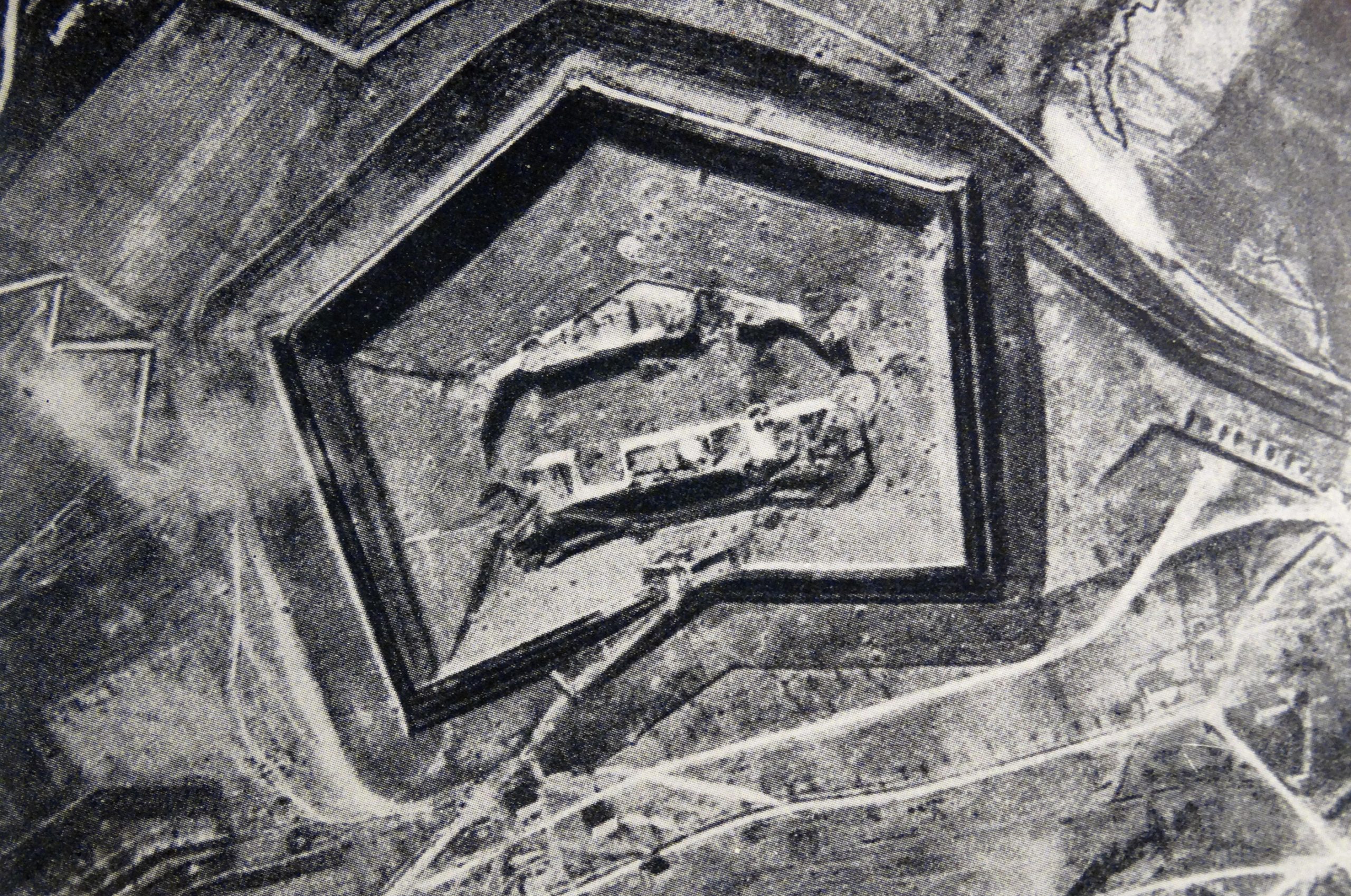
Construction of Fort Douaumont began in 1885 and continued, with upgrades, until 1913. Built primarily of reinforced concrete and steel, it was partially buried under thick earth to absorb enemy shellfire. It extended nearly 400 meters in length, with underground barracks, ammunition stores, water supplies, and ventilation systems. Heavy gun turrets—including 155 mm and 75 mm pieces—were mounted in retractable armored cupolas. Its garrison capacity exceeded 800 men, making it both a defensive stronghold and a self-contained military community.
At the time of its completion, Fort Douaumont represented cutting-edge military architecture. Its elevated position gave it command over the surrounding terrain, and its design promised resilience against the artillery of the day. Yet military doctrine was shifting rapidly, and these changes would leave the fort unexpectedly vulnerable.
Prewar Decline in Strategic Importance
By the early 20th century, advances in siege weaponry, especially the German 420 mm “Big Bertha” howitzers, called into question the effectiveness of fixed fortifications. French military thinking began to shift toward mobility and open-field maneuvering. In 1915, a decision was made to strip some forts, including Douaumont, of much of their heavy weaponry and to reduce their garrisons significantly. Many of its artillery pieces were removed, and fewer than 60 men remained stationed there at the start of 1916. What had once been a proud bastion of defense was effectively a skeleton of its former self, a fact that would soon have enormous consequences.
The Battle of Verdun Begins
On February 21, 1916, the German Fifth Army launched a massive offensive against the Verdun sector. The opening bombardment was unprecedented in scale, with millions of shells raining down over a narrow front. Verdun was chosen not only for its military significance but also for its symbolic value to the French nation. The Germans intended to “bleed France white” by forcing it to defend a location of immense emotional importance.
Fort Douaumont, positioned at the northern edge of the French defensive ring, was a prime objective. It offered a secure artillery platform and observation point from which German forces could direct fire deeper into French territory.
The Fall of the Fort
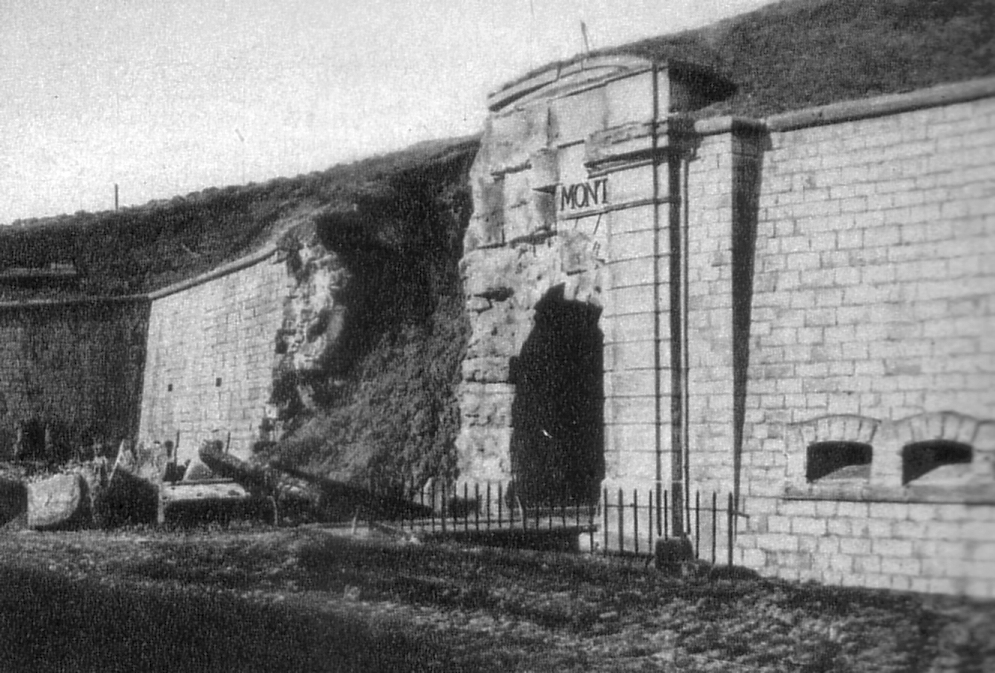
On February 25, 1916, just four days into the battle, Fort Douaumont fell to the Germans in circumstances that stunned the French High Command. A small group of German soldiers from the 24th Brandenburg Regiment approached the fort in the aftermath of the bombardment. Encountering minimal resistance, they found an unsecured entrance and penetrated the structure. The handful of defenders inside were quickly overpowered, and the fort was captured without a major firefight.
This event was both a strategic and psychological disaster for France. The largest fortress in the Verdun sector had been taken by fewer than a dozen German soldiers, undermining French morale and strengthening the German grip on the battlefield.
German Occupation
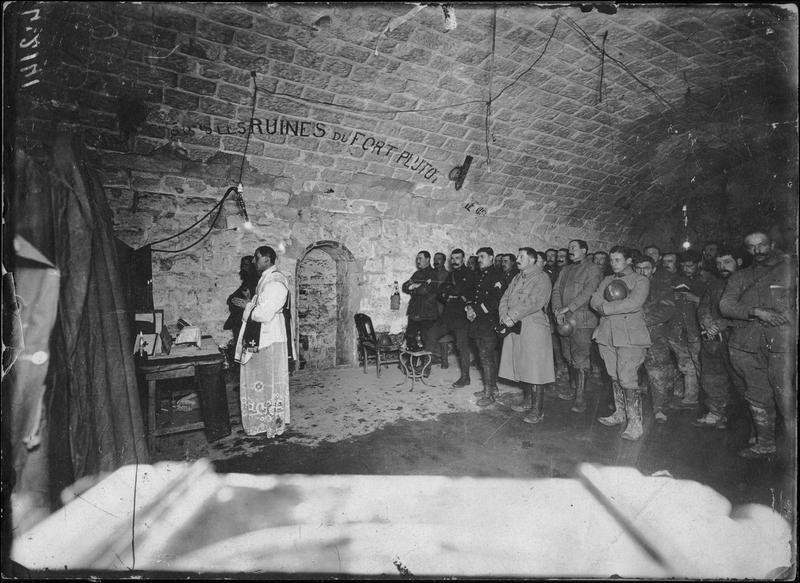
Under German control, Fort Douaumont became a vital hub of operations. It sheltered troops from the relentless artillery fire outside, stored munitions, and served as a staging area for further assaults. The Germans reinforced the fort with additional weaponry and made use of its underground network to house thousands of men over the course of the battle.
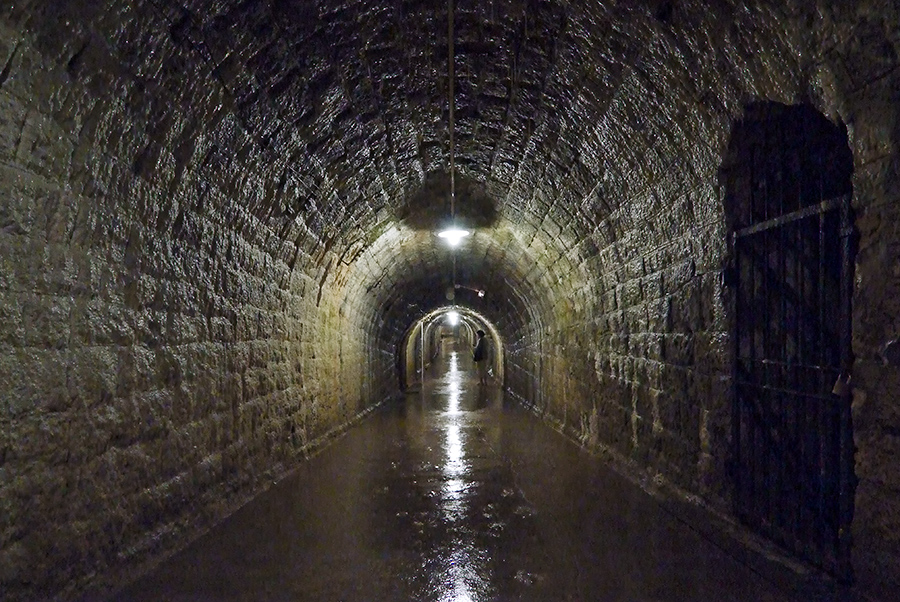
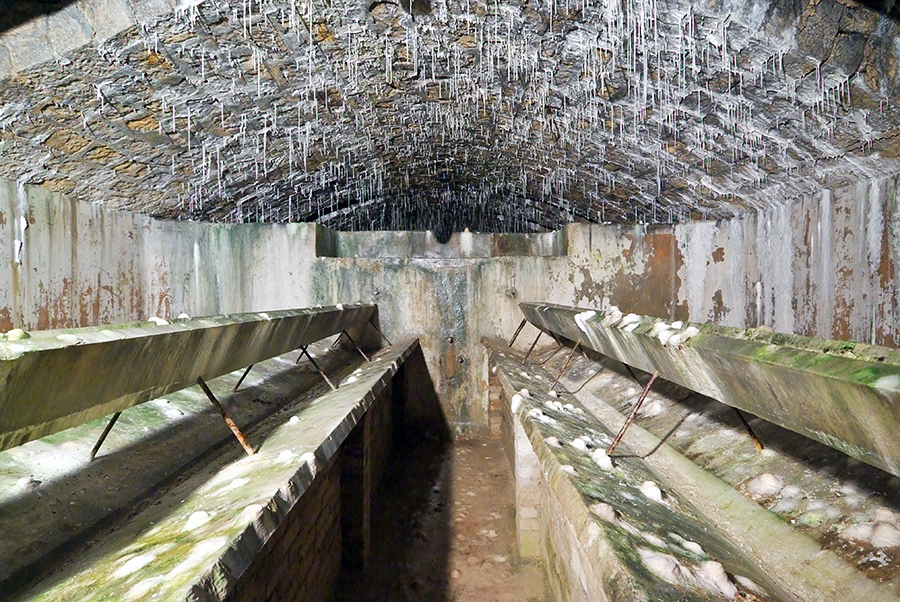
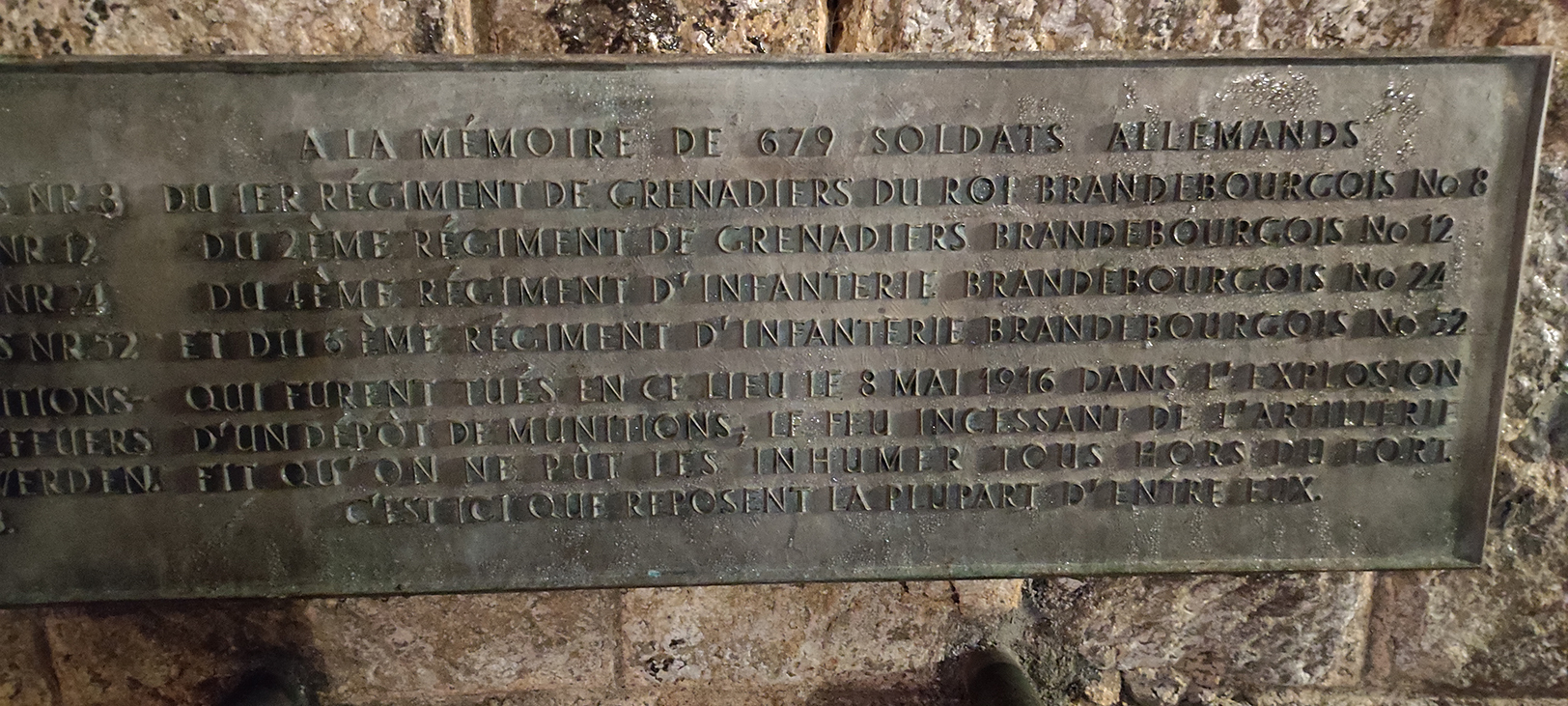
However, conditions inside were far from ideal. The air was thick with dampness, ventilation was limited, and overcrowding made daily life miserable. In May 1916, disaster struck when a cooking fire ignited nearby munitions, causing a massive explosion that killed hundreds of German soldiers. The blast was so intense that it shook the structure and created chaos in the already confined and dangerous space.
French Attempts to Recapture the Fort
The loss of Fort Douaumont was a blow to French pride, and retaking it became a matter of both military necessity and national honor. French artillery began a continuous bombardment of the fort, using heavy guns—including 400 mm railway pieces—to try to neutralize the German stronghold. The surrounding landscape was transformed into a wasteland of mud and craters, stripped of vegetation and littered with shattered equipment.
Repeated infantry assaults on the fort failed, often with devastating losses. The defenders, shielded by the fort’s thick walls and turrets, poured fire onto the attackers. Poison gas, machine guns, and ceaseless artillery made the approaches deadly. The struggle for Douaumont became emblematic of the wider horrors of Verdun—an exhausting, attritional conflict where gains were measured in meters and bought with countless lives.
The Recapture of Fort Douaumont
In the autumn of 1916, after months of grueling combat, the French prepared a renewed offensive. On October 24, French forces under General Charles Mangin launched a coordinated attack supported by intense artillery preparation. Using a combination of creeping barrages and close-quarters assault tactics, French troops advanced on the fort. This time, they overcame the defenders, and Fort Douaumont returned to French hands.
The recapture of the fort was hailed as a major victory and helped shift the momentum of the Verdun battle. However, by the time the fighting in the sector ended in December 1916, the human cost was staggering: an estimated 300,000 dead and over half a million wounded on both sides combined.
Aftermath and Preservation
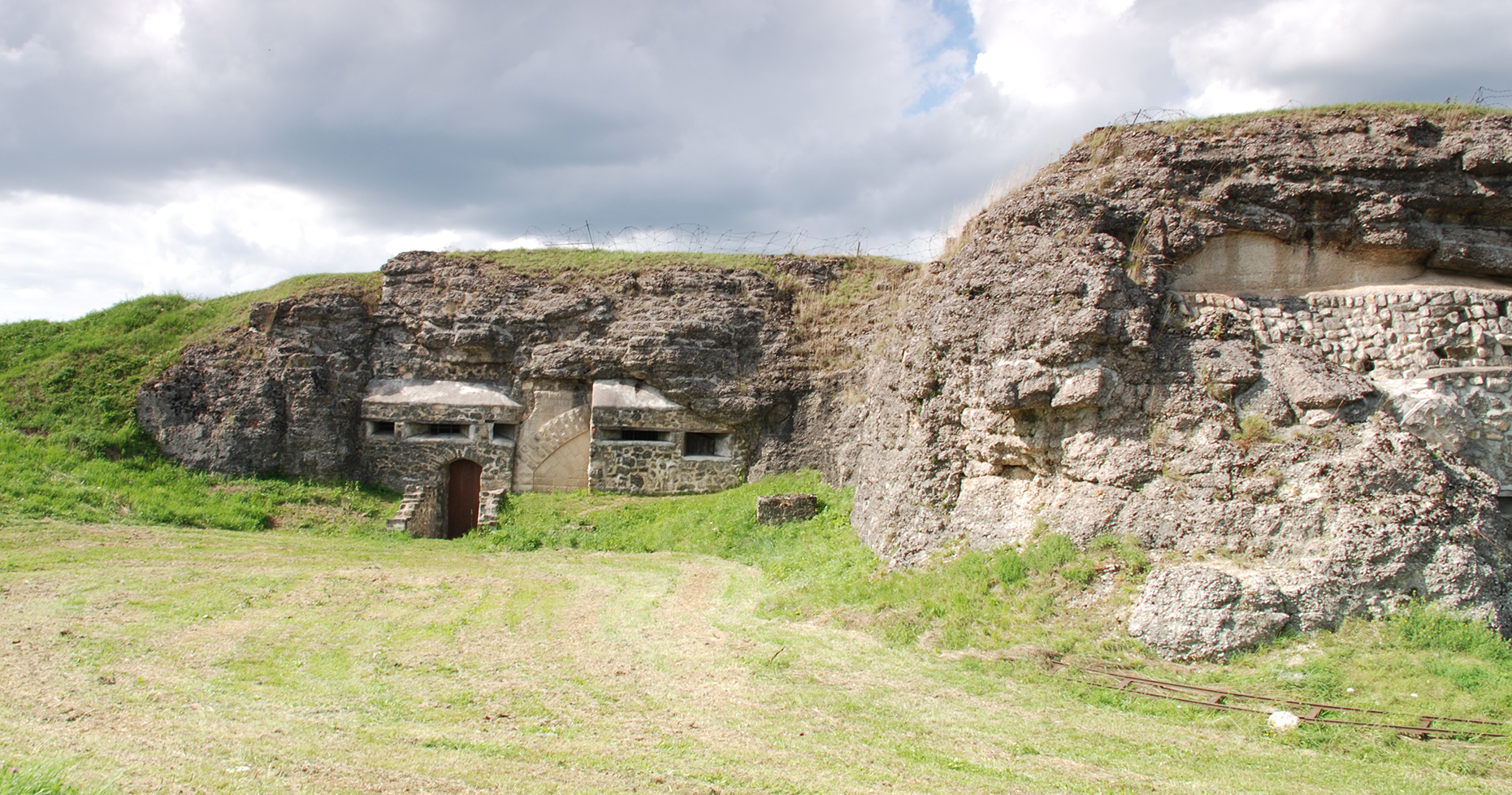
After the First World War, Fort Douaumont was preserved as a memorial to the battle and its fallen. Its battered walls, pockmarked with shell damage, remain as they were left in 1916. Inside, visitors can walk the same dimly lit corridors where soldiers once ate, slept, and endured the terror of bombardment. The interior retains a haunting atmosphere, with remnants of the fort’s wartime fittings still visible.
The area surrounding the fort is part of the Verdun battlefield memorial zone. Nearby, the Douaumont Ossuary contains the remains of over 130,000 unidentified French and German soldiers. Together, these sites form a powerful reminder of the scale of sacrifice and destruction endured during the war.
Legacy
Fort Douaumont occupies a unique place in French military history. Its dramatic fall, prolonged occupation, and eventual recapture encapsulate the ebb and flow of the Battle of Verdun. It stands as both a cautionary tale about underestimating defensive structures and a testament to the resilience of those who fought for them.
For historians, the fort is a valuable case study in late 19th and early 20th century military engineering. For visitors, it is an immersive, tangible link to the past. Walking through its tunnels, one feels the weight of history, the human cost of strategic decisions, and the endurance required to survive in such a place.
Even today, more than a century after the guns fell silent, Fort Douaumont continues to guard Verdun—not as a military installation, but as a guardian of memory. It remains a place where the echo of the soldiers’ footsteps lingers, and where the lessons of the Great War are carved into stone and steel for future generations to see.