The Vision and Early Beginnings
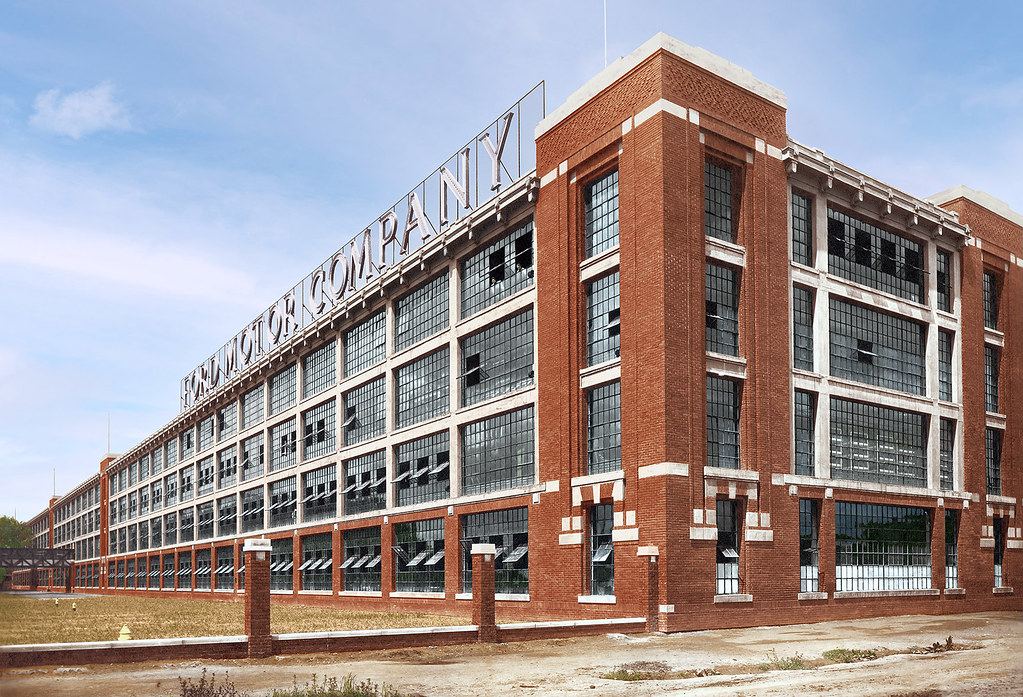
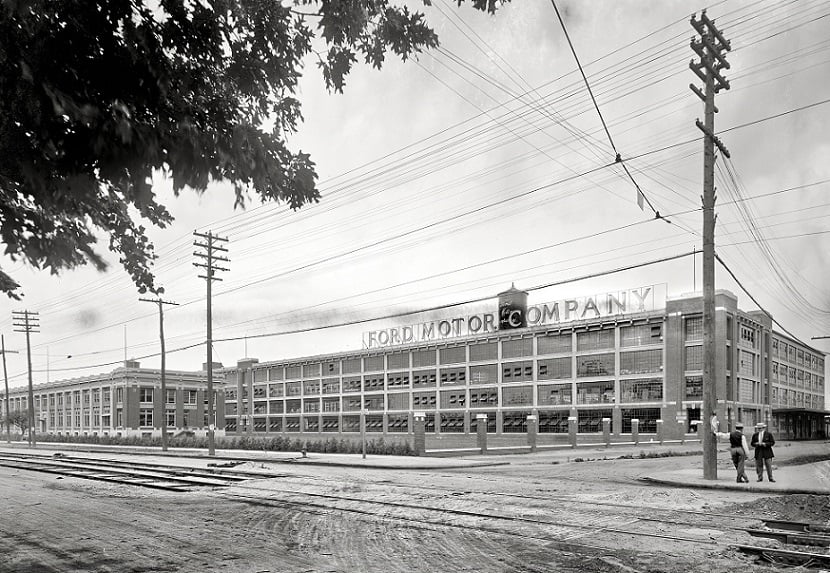
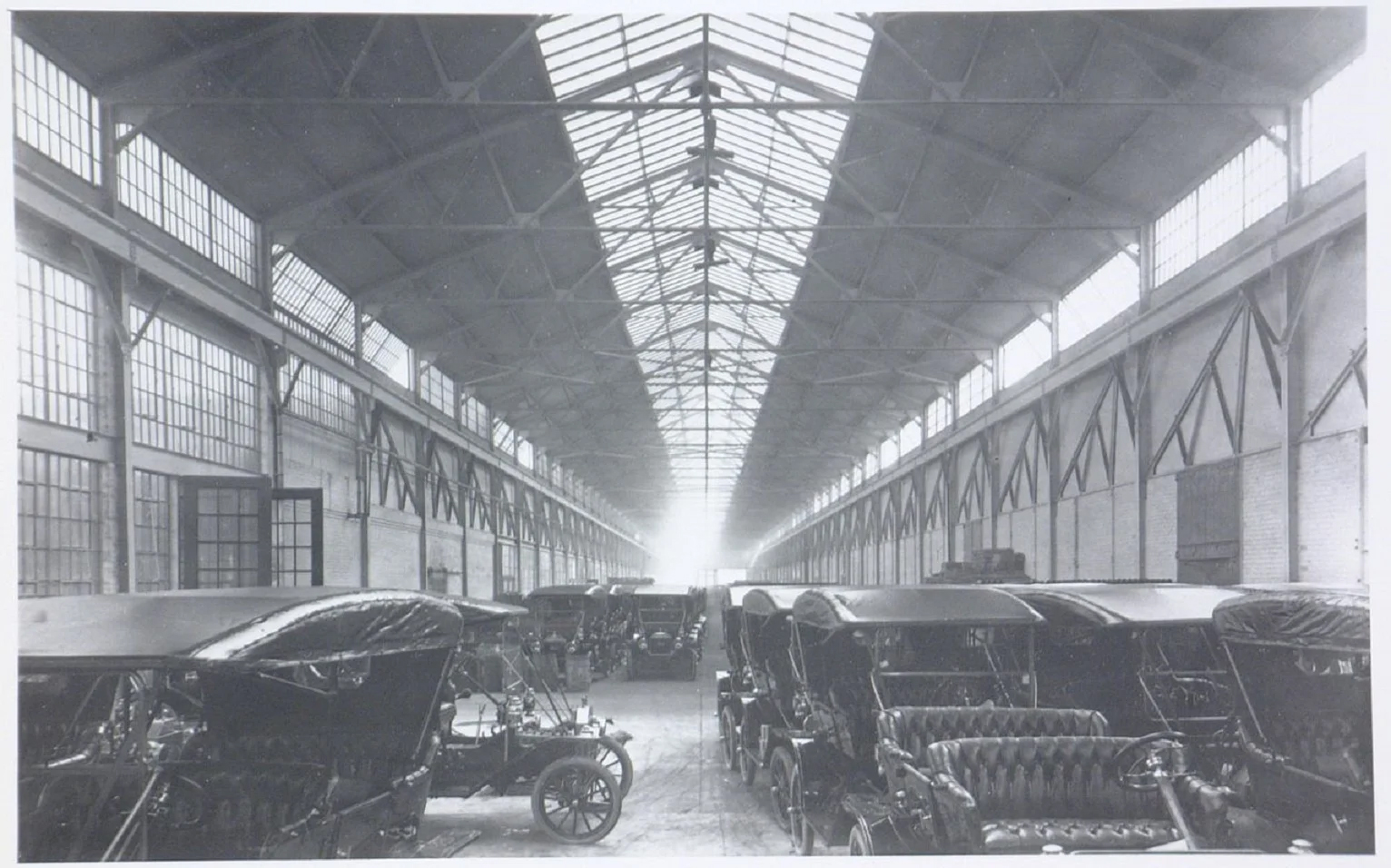
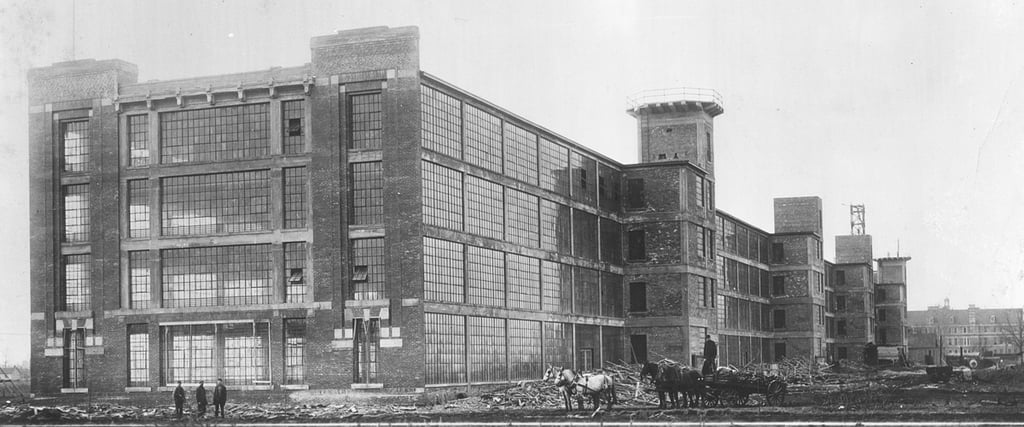
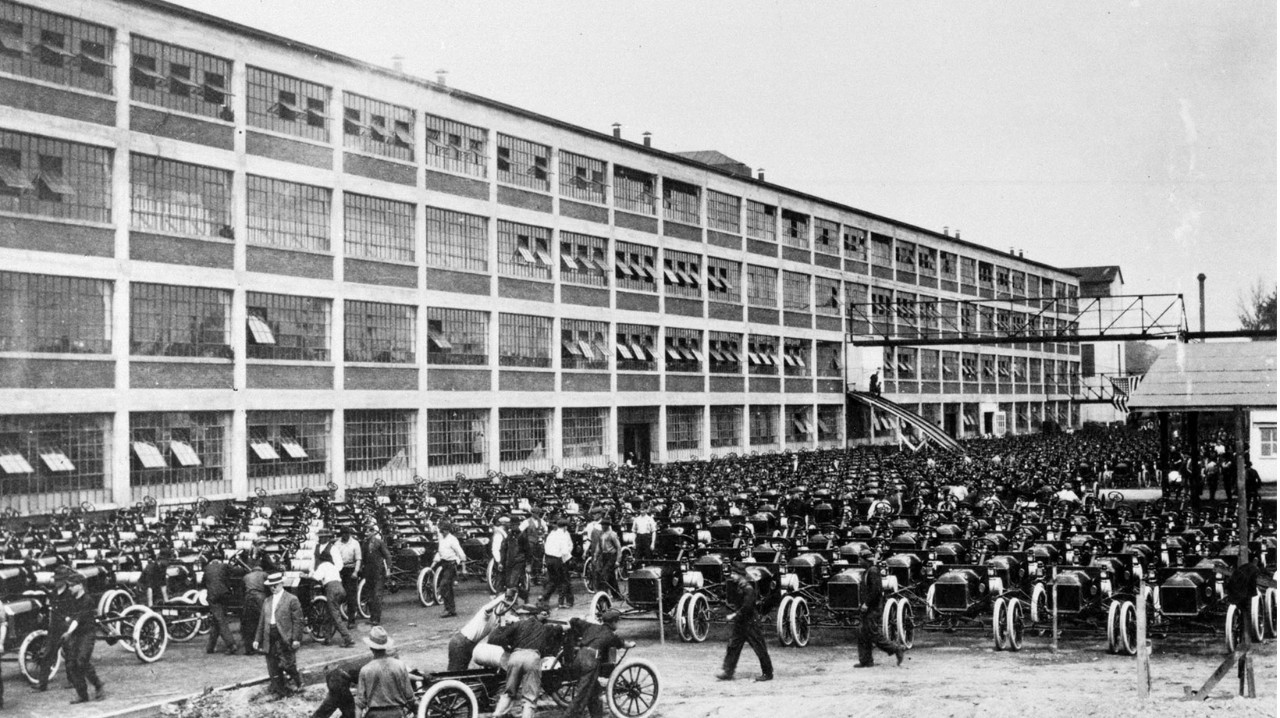
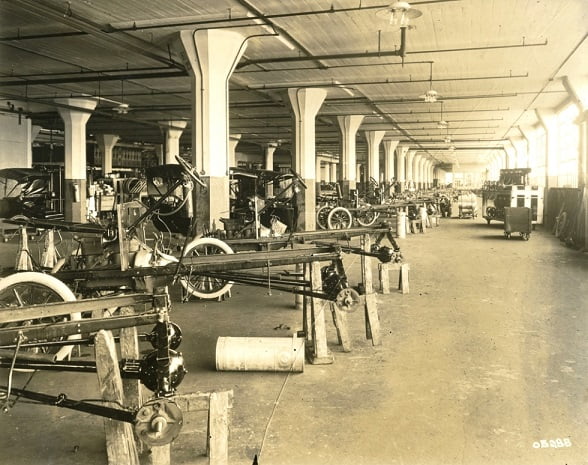
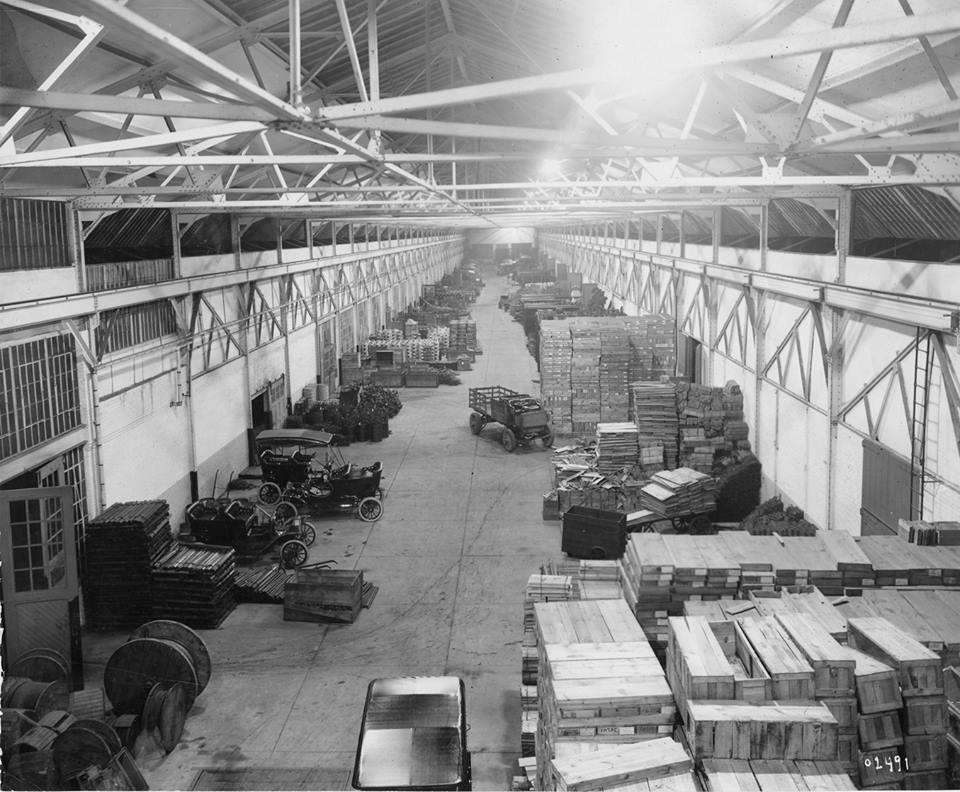
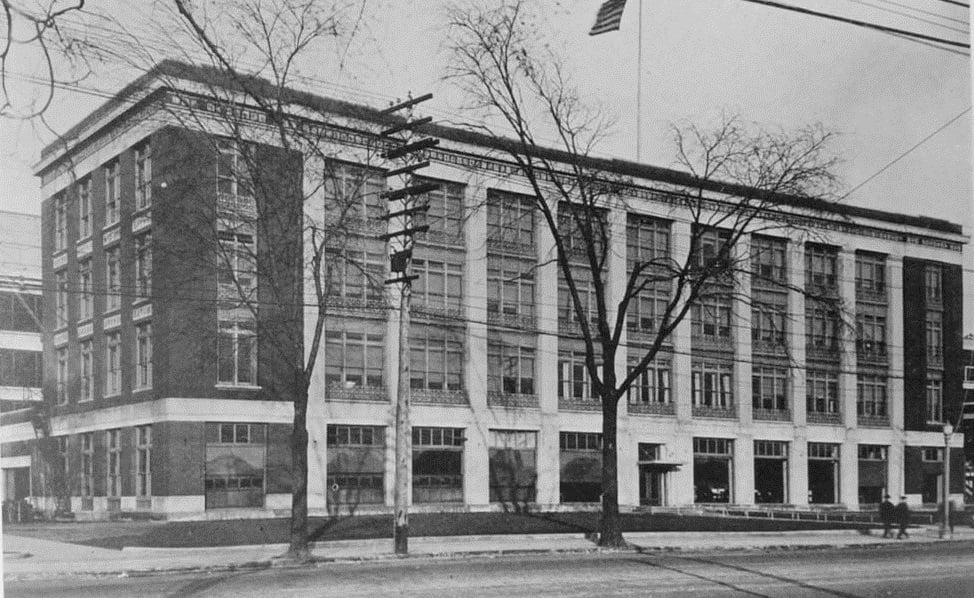
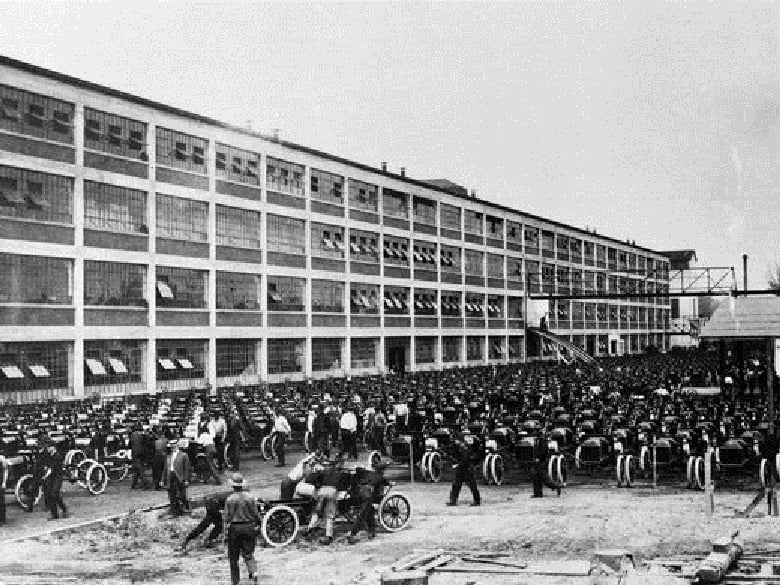
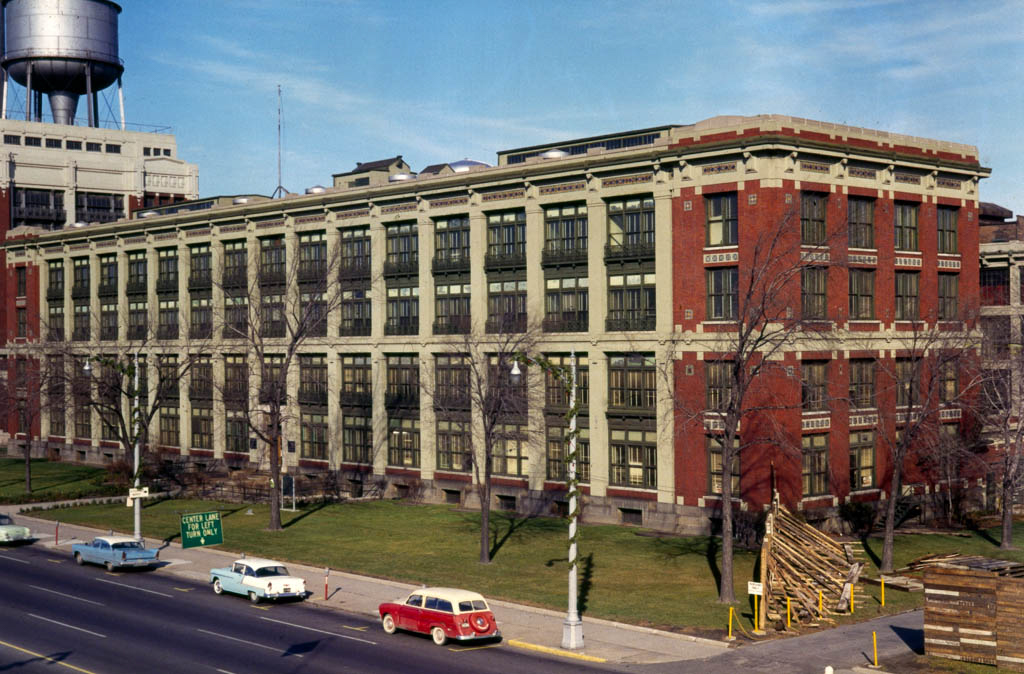
In September 1907, Henry Ford purchased roughly 130 acres in Highland Park, Michigan to build a new factory designed for the future of automobile production. Construction began in 1908 on a 60-acre site along Woodward Avenue and Manchester Street. Completed by the end of 1909, production moved from Ford’s Piquette Avenue Plant in Detroit to the new Highland Park site, whose four-story main building stretched 865 feet, offering vast open floor space and sunlight-filled interiors thanks to its extensive glass roofing and walls—earning it the nickname “Crystal Palace”.
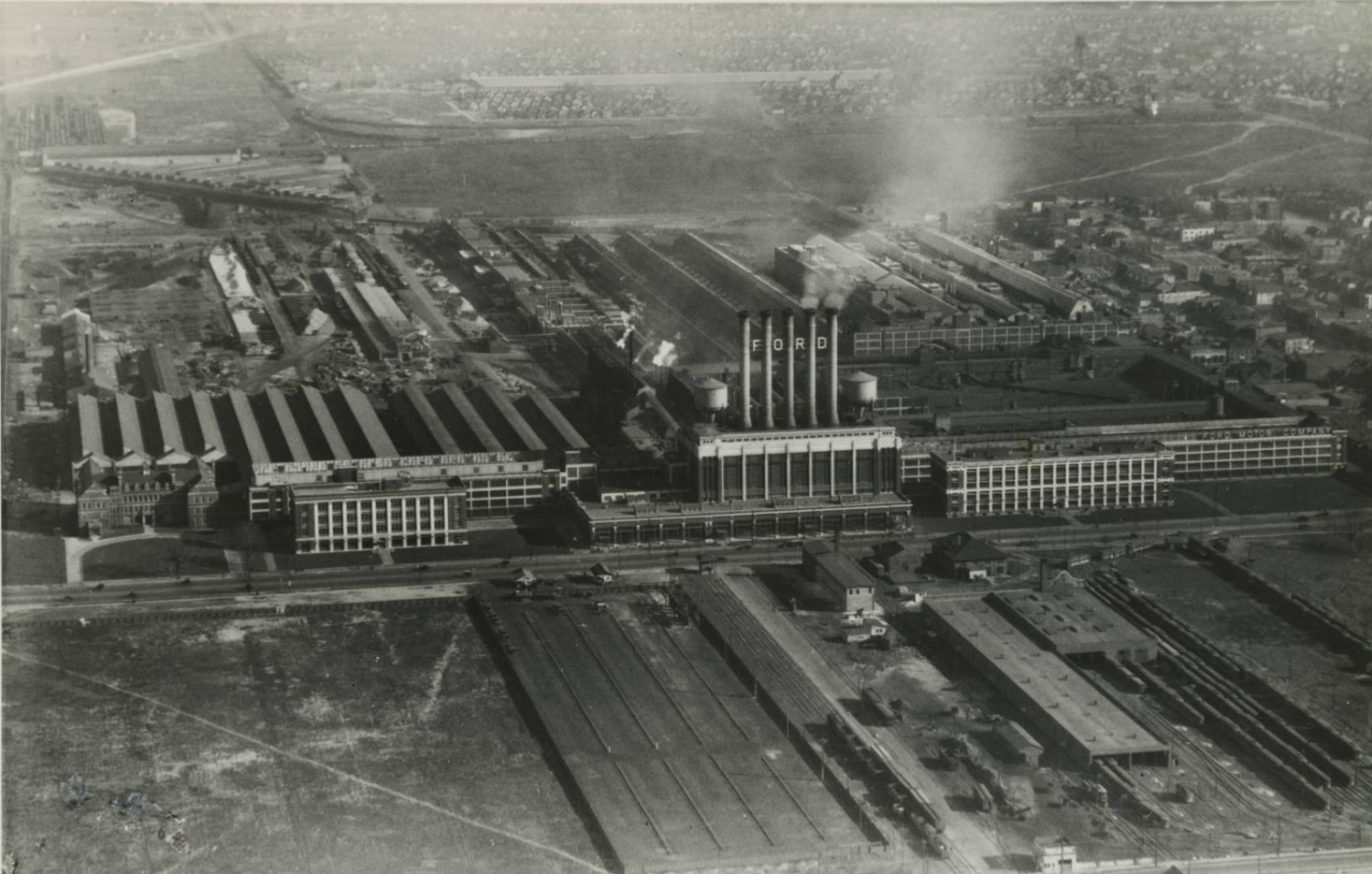
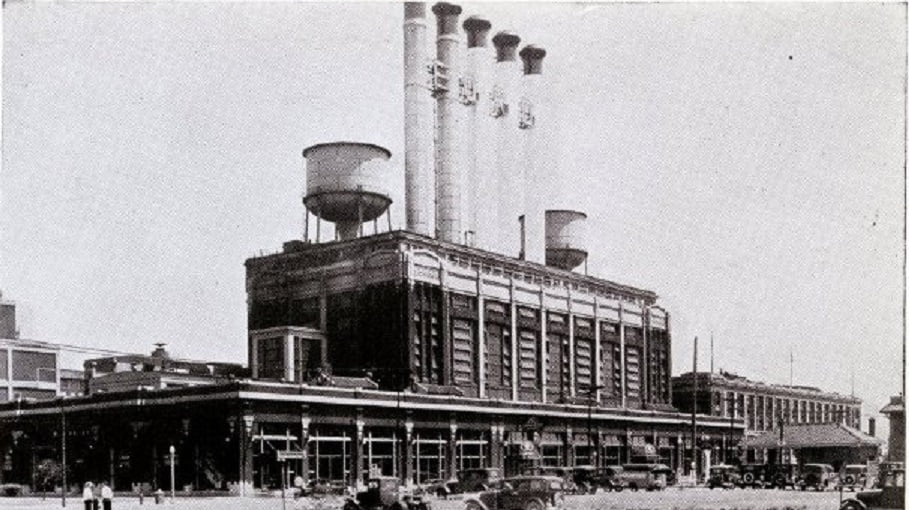
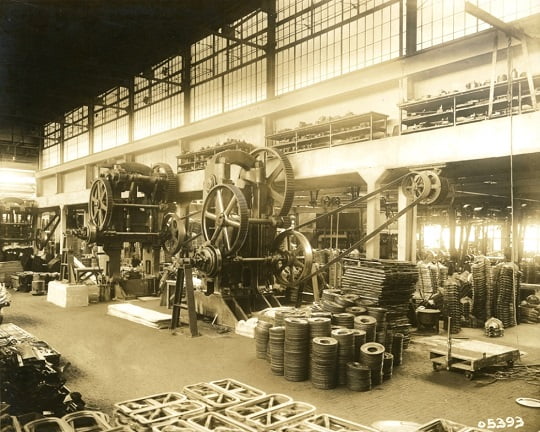
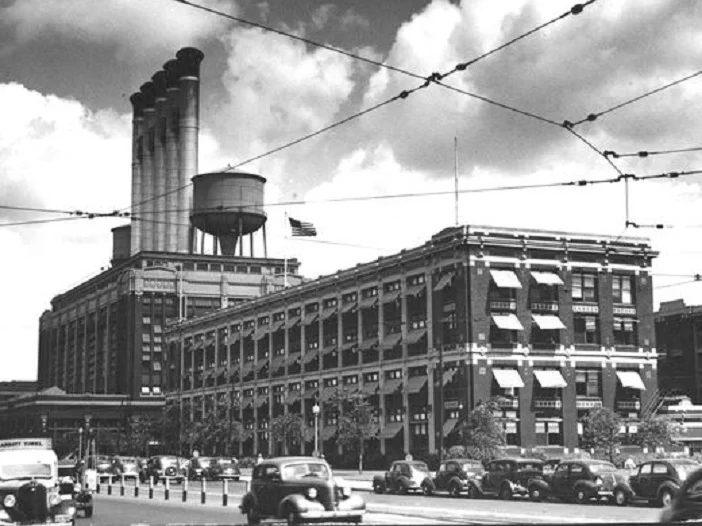
Designed by Albert Kahn Associates, the facility pioneered industrial architecture: reinforced concrete columns, expansive windows for natural light and ventilation, and modular floors for machinery and production flexibility. At opening, it was the largest manufacturing plant in the world, encompassing nearly 4 million square feet across multiple buildings including a foundry, power plant, machine shop, and administrative offices.
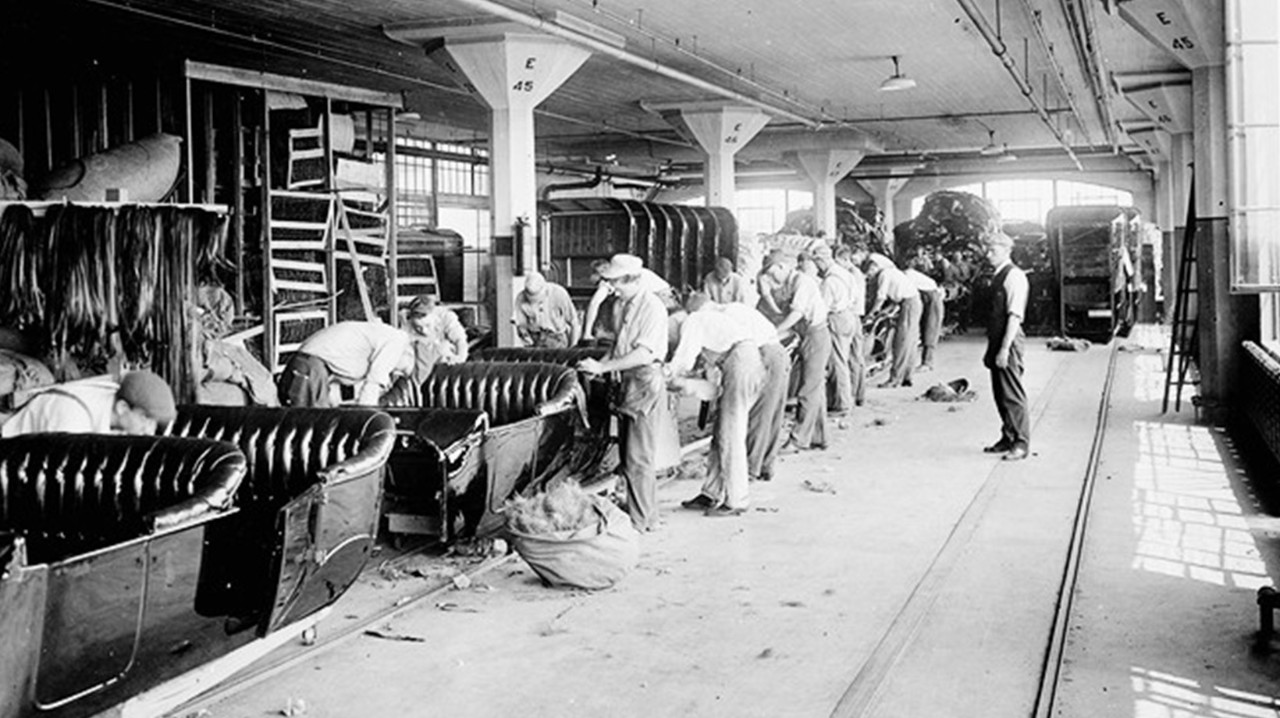
Mass Production Revolution: The Moving Assembly Line
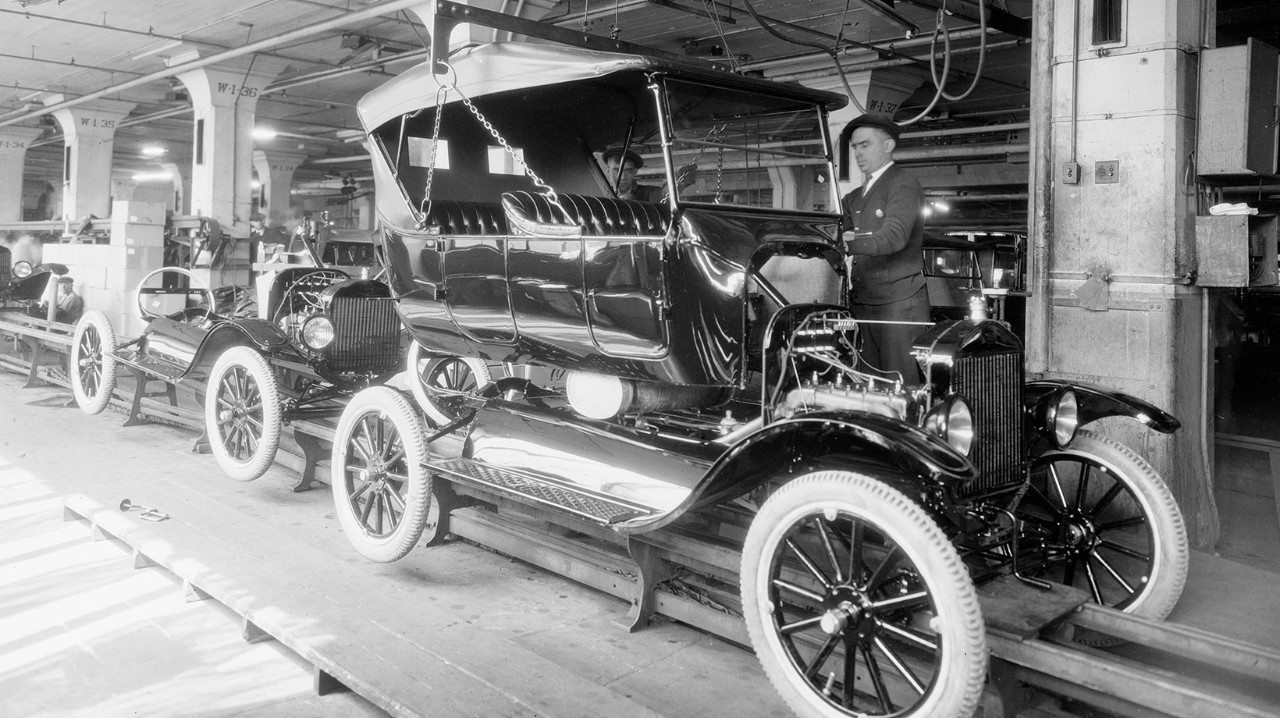
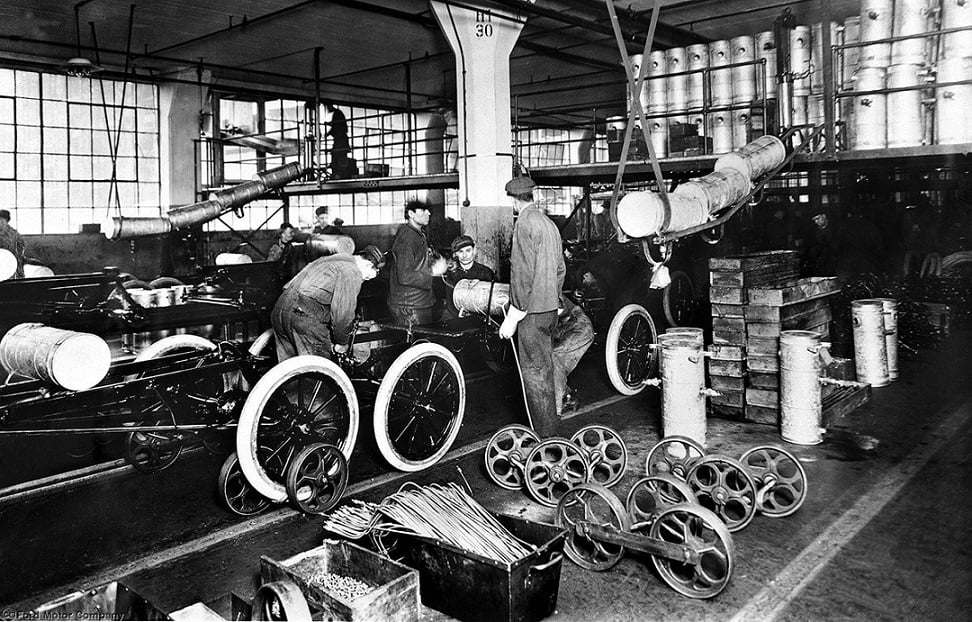
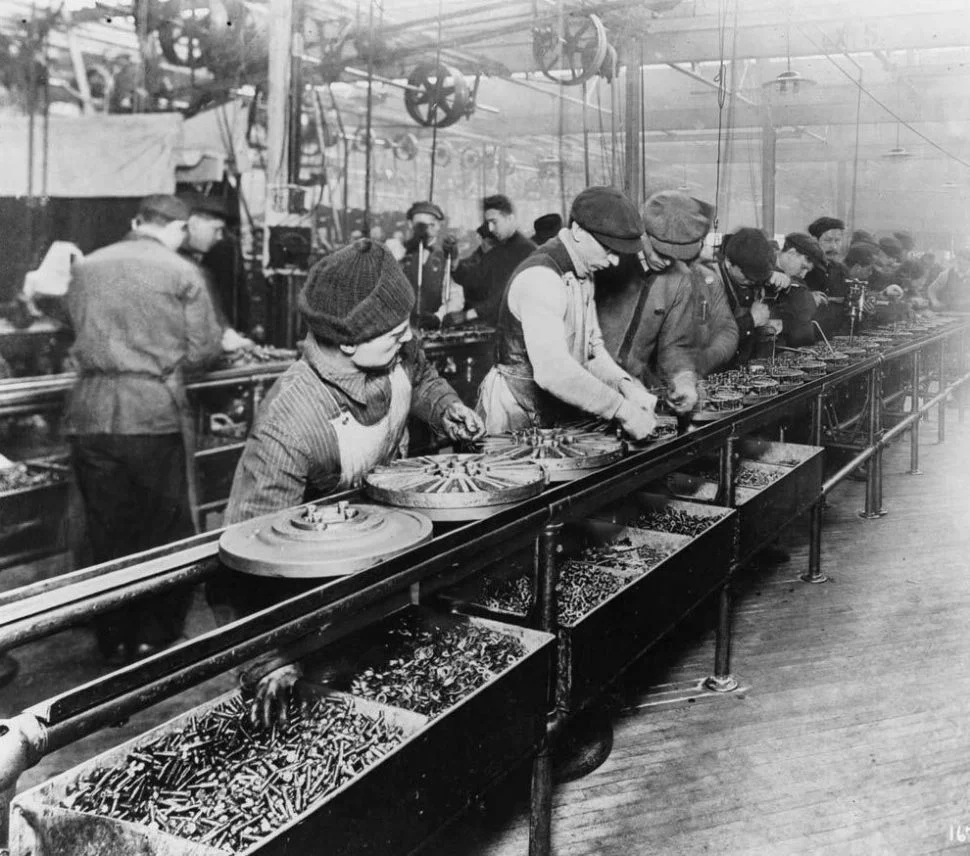
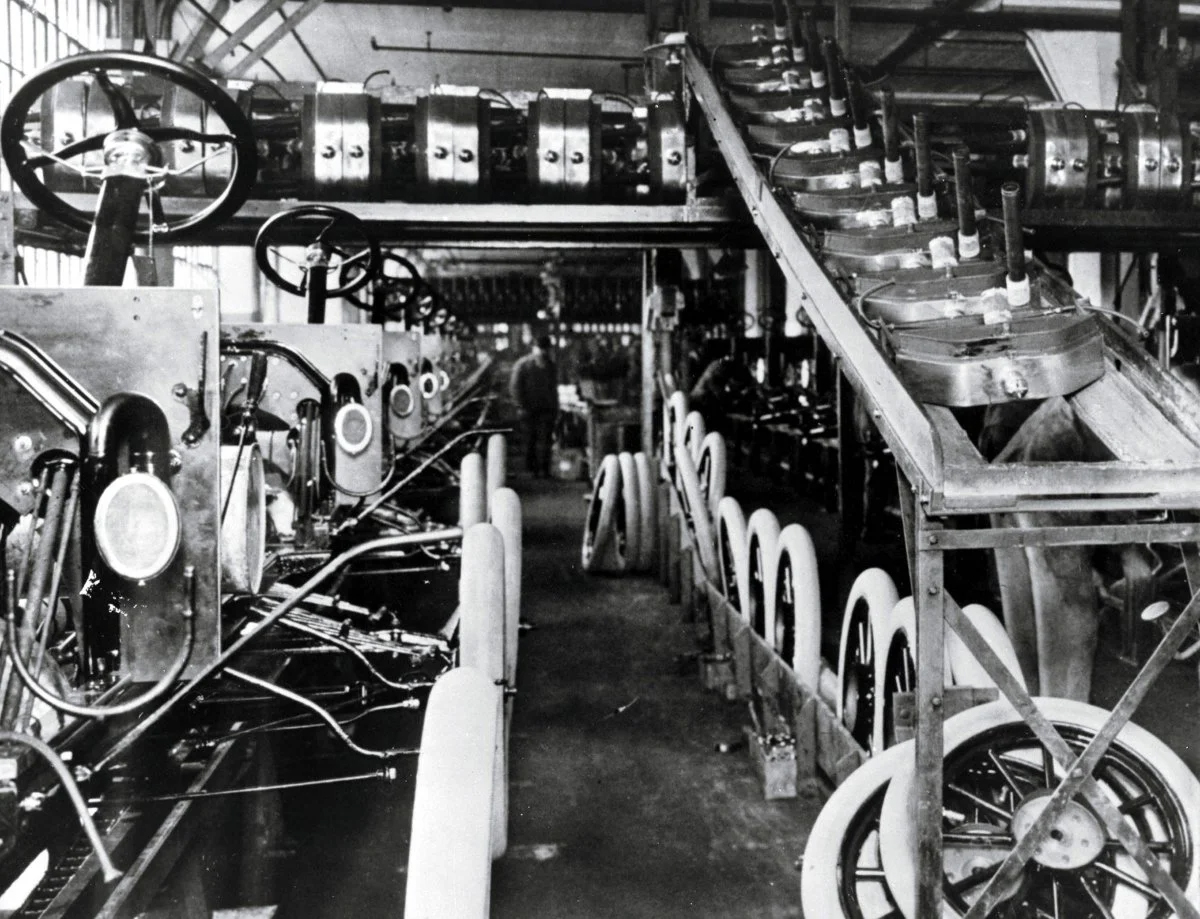
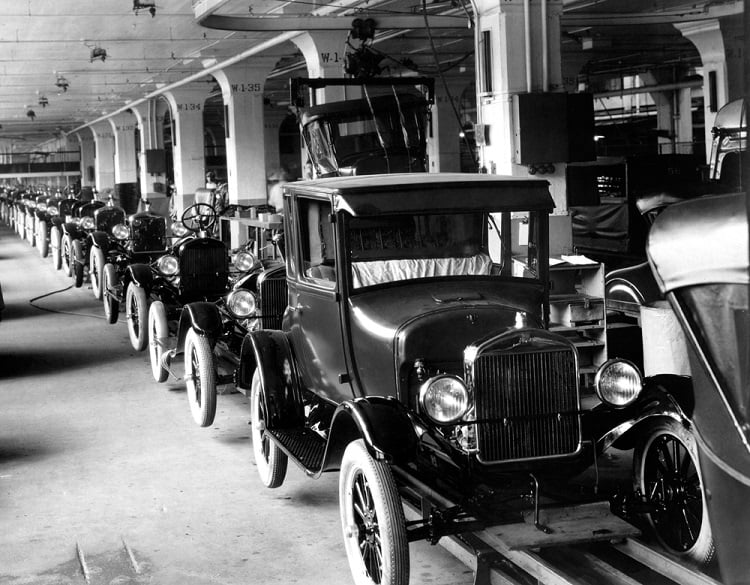
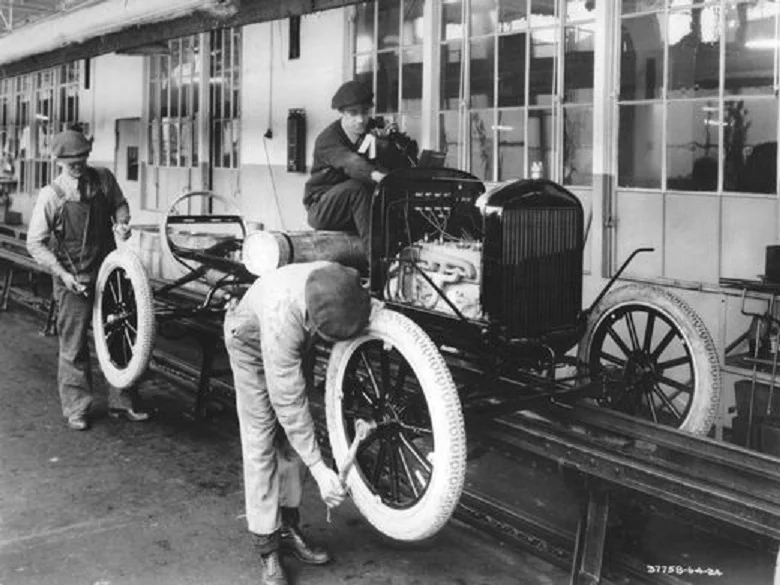
On October 7, 1913, the Highland Park plant became the first factory in history to implement a moving assembly line for automobiles.
This innovation slashed assembly time for the Model T from 728 minutes to just 93—a workflow revolution engineered by Clarence Avery, William Knudsen, and other Ford engineers. Efficiency soared: production rose from hundreds to thousands of cars per day, and the price of a Model T dropped from $850 to about $260, making car ownership accessible to working families across America.
In January 1914, Ford doubled down on worker welfare by instituting the $5-per-day wage for a standard eight-hour shift. Employment at Highland Park surged, peaking at nearly 70,000 workers by 1925. The efficiency gains, coupled with higher wages, cemented Ford’s reputation as both industrial innovator and social pioneer.
Growth and Diversification
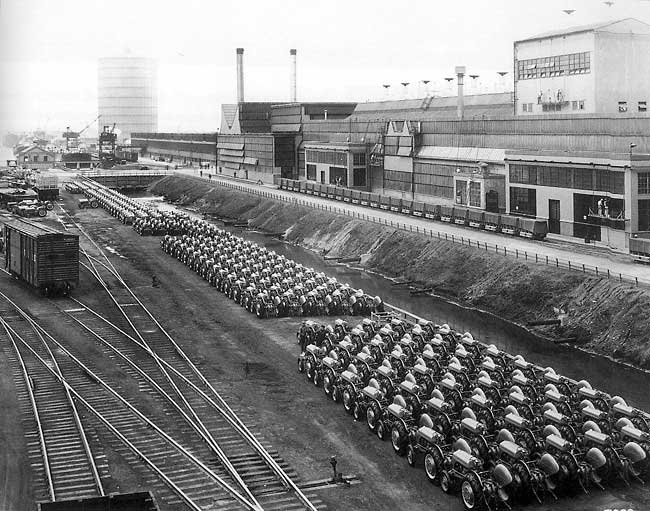
After the debut of the Model A in 1927, motor vehicle assembly transitioned to the massive River Rouge complex. At Highland Park, production shifted to the assembly of automotive trim, tractors, and, during World War II, heavy equipment including M4A3 Sherman tanks, gun mounts, Squad tents, and components for aircraft engines.
Between 1940 and 1945, Highland Park crafted 1,690 Sherman tanks, over 1,200 M10A1 tank destroyers, thousands of gun mounts and tent assemblies—all using Ford’s mass-production processes to meet wartime demand.
By the late 1970s, the complex had expanded into about 20 structures, totaling roughly 3 million square feet—manufacturing buses, helmets, engines, interior parts, and more.
Decline and Transition
The once-dominant assembly hall and the iconic powerhouse with twin smokestacks were demolished around 1960, removing the physical symbols of Highland Park’s early glory. By 1974, most vehicle and component production had ceased.
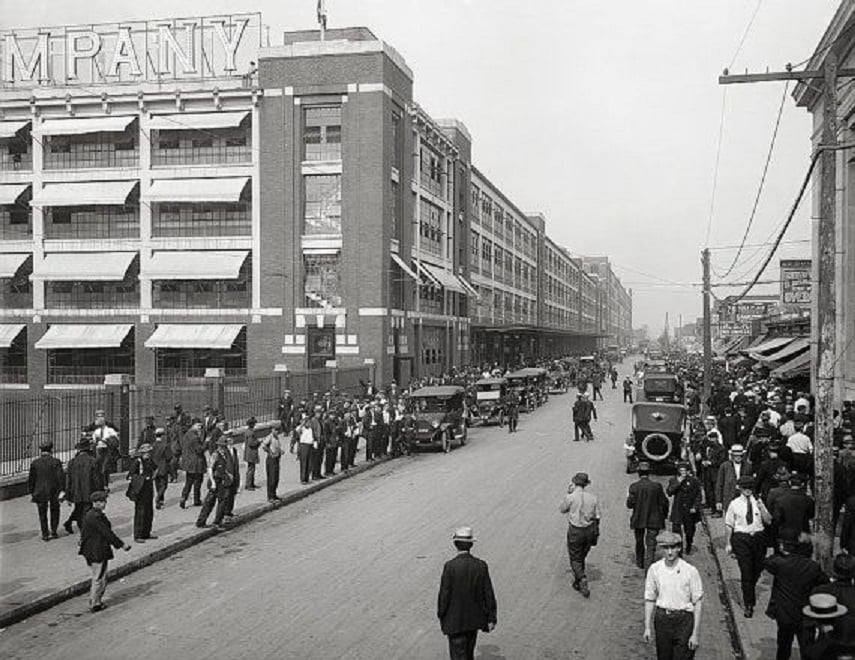
Still, Ford retained portions of the site, repurposing them as storage for corporate records and museum exhibits—and leased parts to other tenants into the late 20th century. In October 1981, Ford sold the property entirely, though it continued leasing parts for storage even after divestment.
Preservation Efforts and Challenges
In 1973, the plant was added to the National Register of Historic Places, and in 1978, designated a National Historic Landmark—recognizing its global significance to industrial and architectural history.
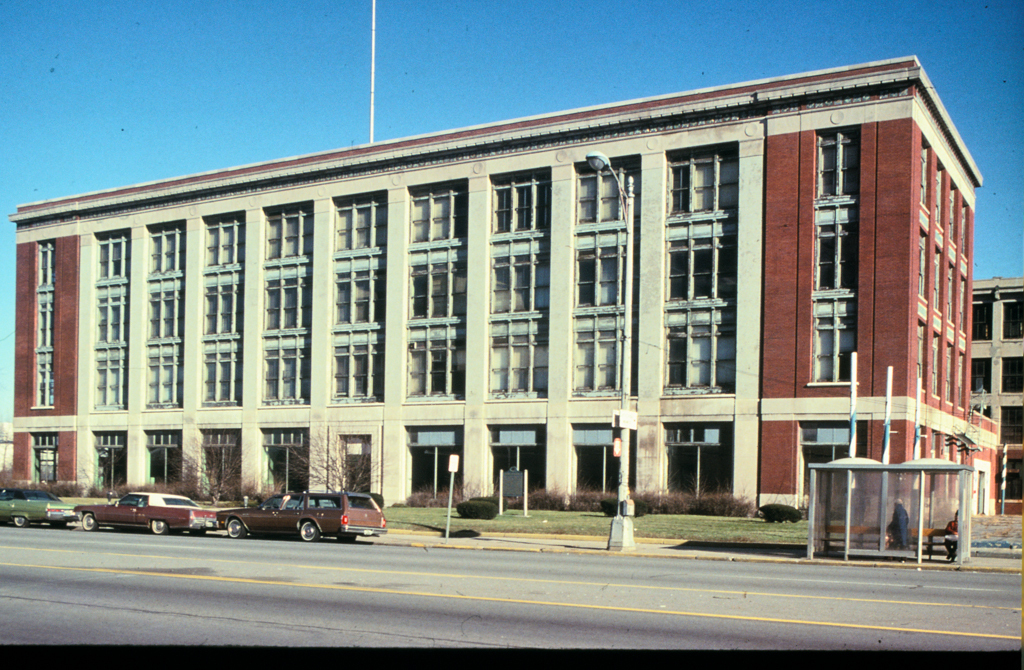
In 2013, the nonprofit Woodward Avenue Action Association purchased two buildings—40,000 sq ft sales office and an executive garage—with ambitions to transform them into an Automobile Heritage Welcome centre, featuring a theater, interpretive displays, gift shop, and entry to tours like “In the Steps of Henry”. Despite ambitious timelines, renovations stalled and by 2019, WA³ had put the buildings up for sale.
Architectural Significance: Albert Kahn’s Industrial Legacy
The Highland Park plant set a new standard for factory design. Albert Kahn introduced widely spaced reinforced concrete columns, open floor plates, and expansive clerestory windows and skylights—providing natural light, ventilation, and flexibility.
This environment improved working conditions and efficiency while offering scalability for industrial growth. Kahn’s approach influenced facilities worldwide and epitomized early 20th-century industrial modernism, giving the plant its “Crystal Palace” moniker for its luminous, airy interiors.
Human Legacy: Workforce and Culture
Highland Park’s workforce was highly diverse—in the 1910s and 1920s, employees came from over 50 nationalities, drawn by Ford’s wages and the promise of industrial stability. Ford’s Sociology Department offered English classes, home visits, and lifestyle oversight—reflecting Henry Ford’s paternalistic but progressive blueprint for worker integration into American life.
The plant catalyzed rapid urban growth: Highland Park’s population exploded from just 450 in 1900 to over 50,000 by 1930, fueled by jobs at Ford and related industries.
Present Day: Remnants, Risks, and Legacy
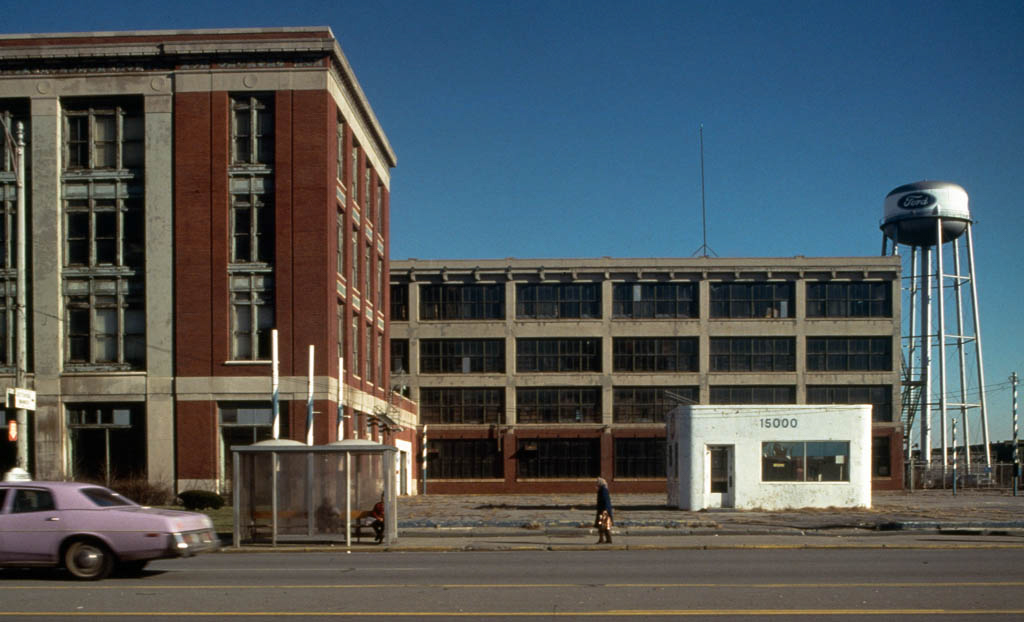
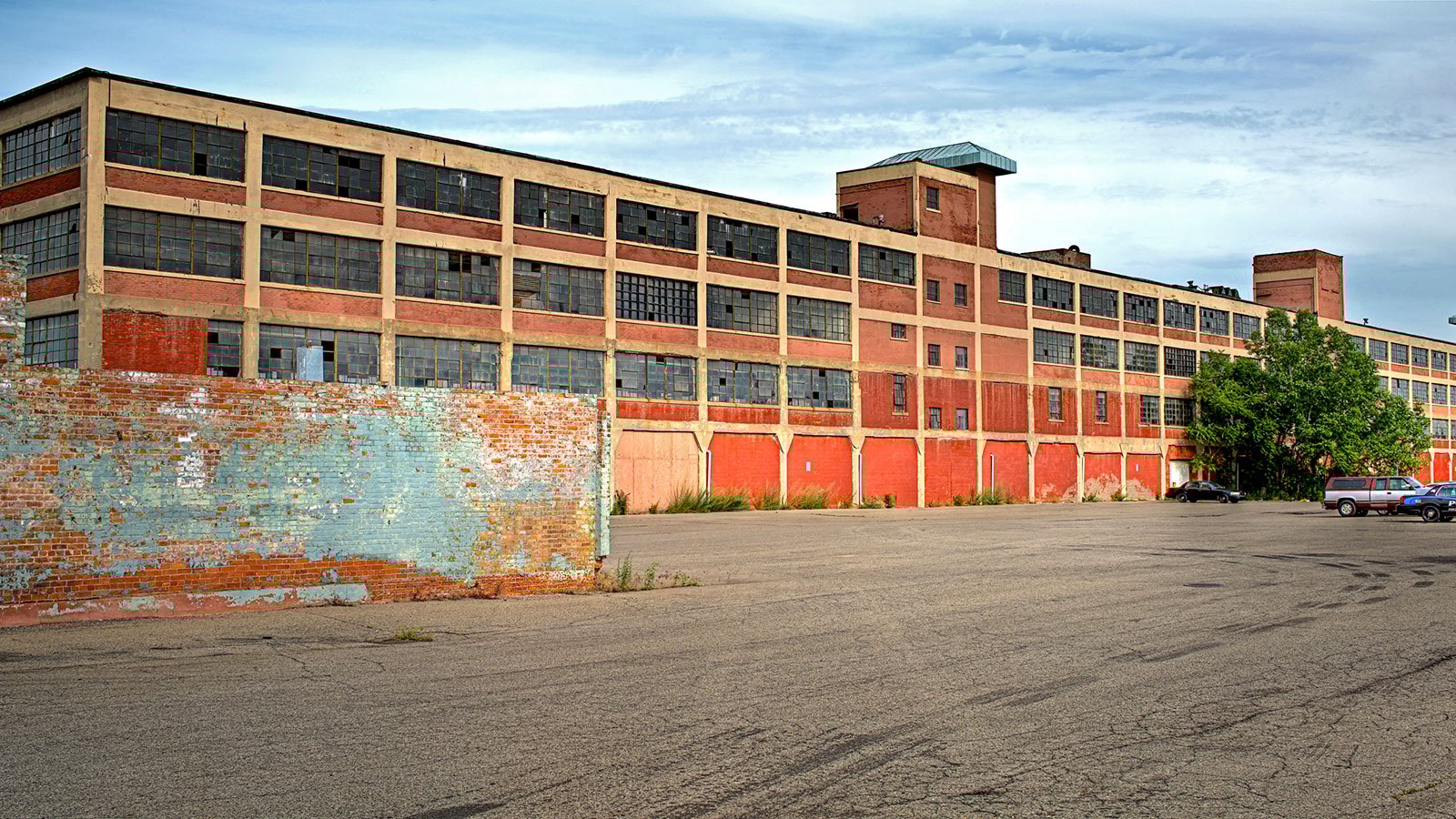
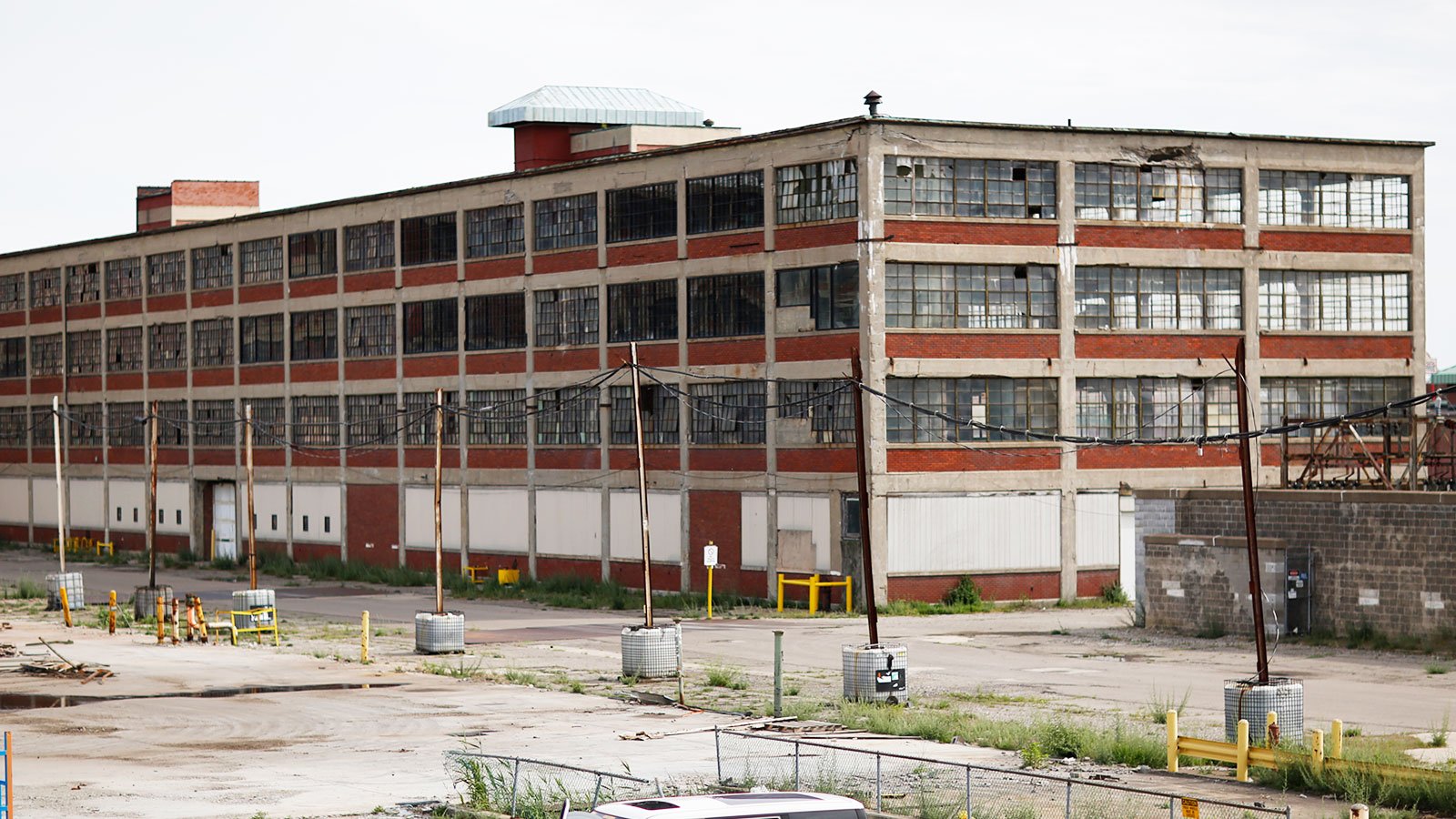
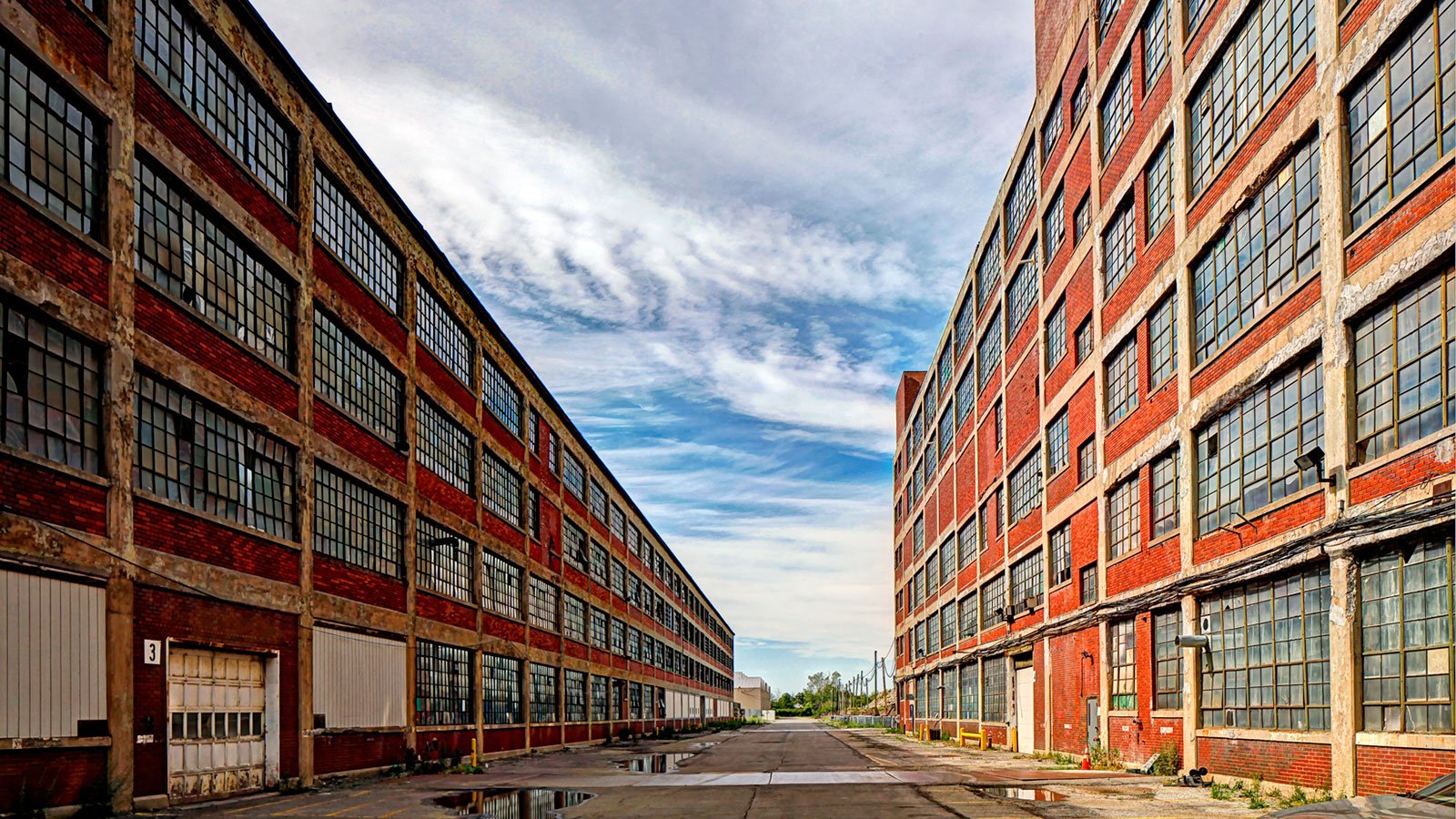
Today, much of the original site is gone. Several original buildings have been demolished; the remainder has been either repurposed, leased for storage, or left vacant. The Model T Plaza shopping centre occupies part of the former grounds, reflecting an adaptive reuse effort.
Ford still leases portions of the site for storage, and some buildings were used in projects like the film Real Steel in 2011.
Nonetheless, many structures remain empty and deteriorating. Despite periodic interest, no comprehensive restoration has been completed. The future of remaining buildings depends on investment, vision, and community support.
Why Highland Park Matters
- Birthplace of mass production—the first moving automotive assembly line.
- Architectural innovation—an industrial masterpiece by Albert Kahn that changed factory design globally.
- Socioeconomic catalyst—spurred worker mobility, higher wages, and shaped modern industrial labour relations.
- Cultural anchor—symbolized American industrial ascendancy, and remains a landmark in both motor and manufacturing history.
Looking Ahead: Futures Uncertain
Possible paths for the Highland Park site include:
- Heritage restoration—reviving buildings as museums, interpretive centres, or educational spaces.
- Mixed-use redevelopment—transforming industrial shells into modern workplaces or community hubs while honoring architectural essence.
- Neglect and decay—risking further loss if investment fails to materialize, destabilizing the historic integrity.
The site’s historic designation may attract support—but transforming an industrial landmark into a functioning tourist or cultural venue will require creativity, funding, and alignment with community and city stakeholders.
Conclusion
The Ford Highland Park Plant stands as one of the most significant landmarks in industrial history. Its innovations in mass production lowered car prices and reshaped urban life, its architecture redefined factory design, and its human policies influenced labour norms. Though most of its structures are now silent or repurposed, its story still echoes in the automotive age.
Whether its buildings become a vibrant heritage centre or continue to fade beneath redevelopment pressures, the Highland Park plant remains a symbol: of progress and efficiency, ambition and social impact. Its legacy demands attention—not just as relics, but as lessons in innovation, labour, and the complex rise of industrial America.