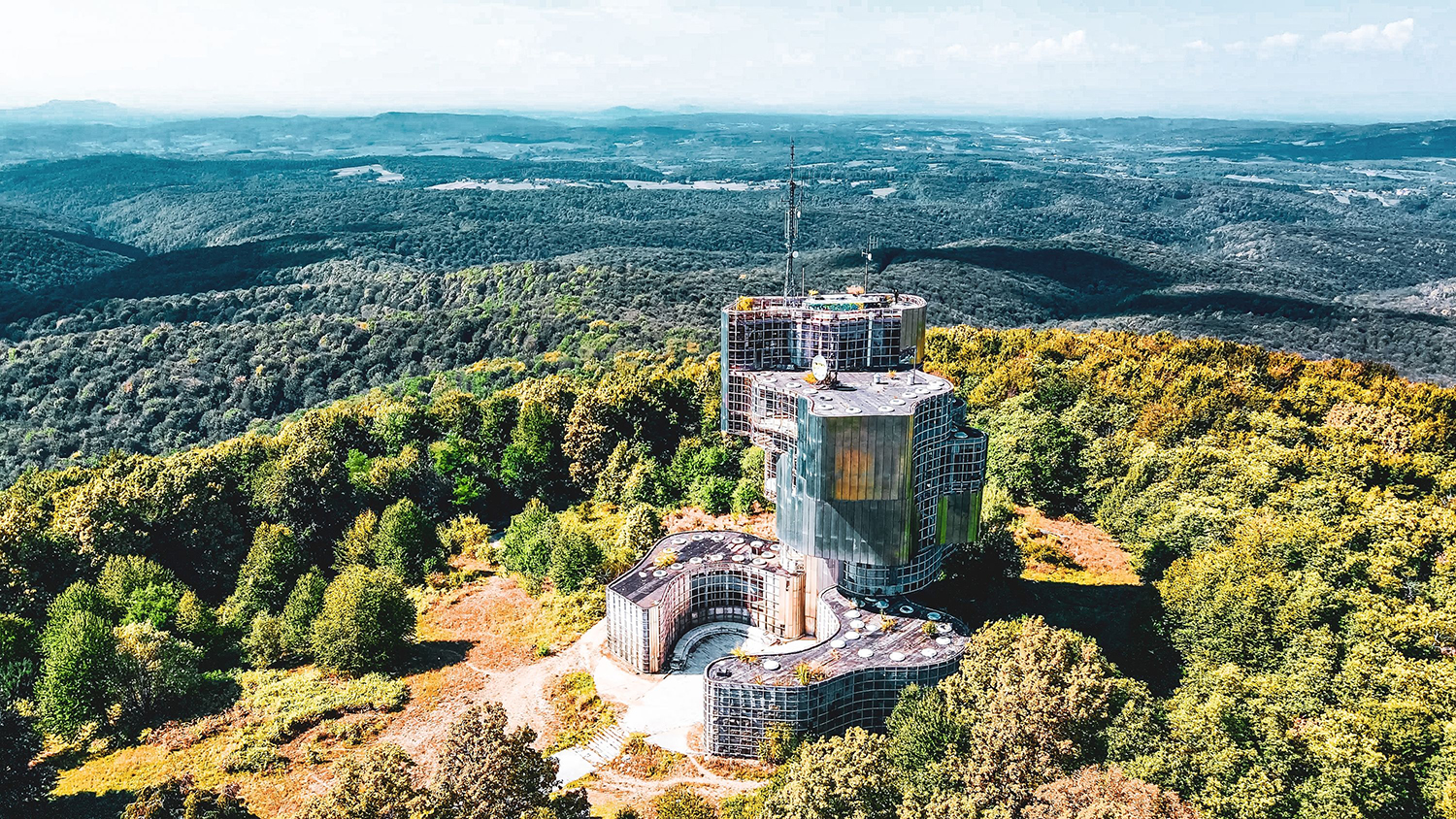
Perched atop the highest peak of Petrova Gora in central Croatia stands a striking beacon of Yugoslav modernism: the Monument to the Uprising of the People of Kordun and Banija, commonly known as the Petrova Gora Monument. Completed in 1981, its towering, futuristic form honours the courageous Partisan rebels and civilians of Kordun and Banija who rose against the Ustaše regime during World War II. Though born from ideals of unity and remembrance, the monument now teeters between neglect and fascination—a potent symbol of shifting history, architectural audacity, and the challenge of collective memory.
Origins, Symbolism and Architecture
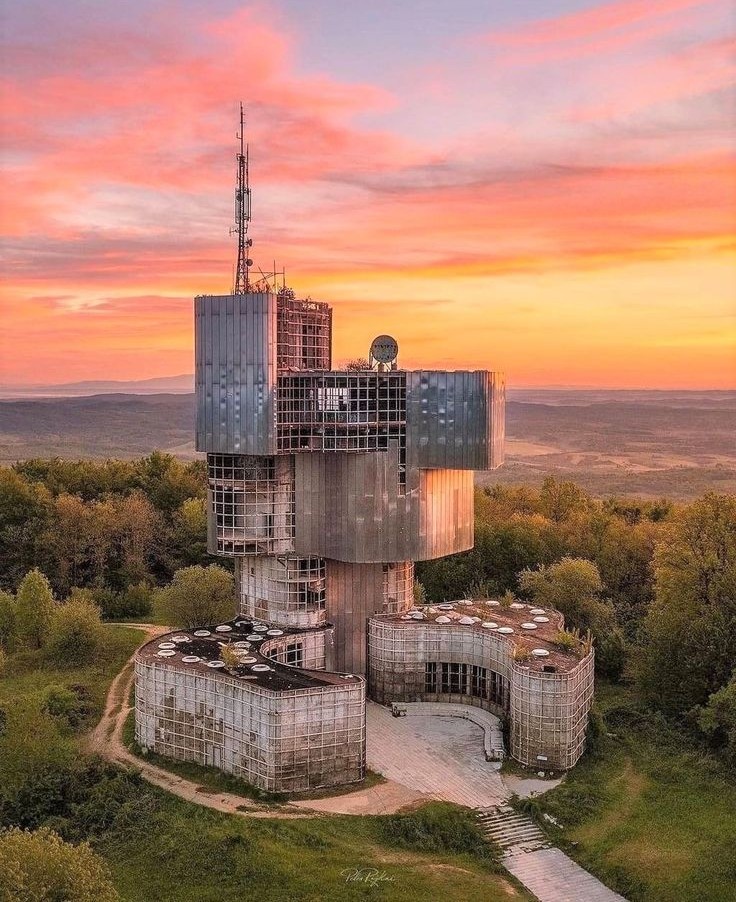
The monument commemorates the 1941 partisan uprising and the establishment of a crucial field hospital in the Petrova Gora region. Born from a national design competition held in 1970, Vojin Bakić’s bold abstract concept prevailed in a subsequent round in 1974, refined in collaboration with architect Berislav Šerbetić.
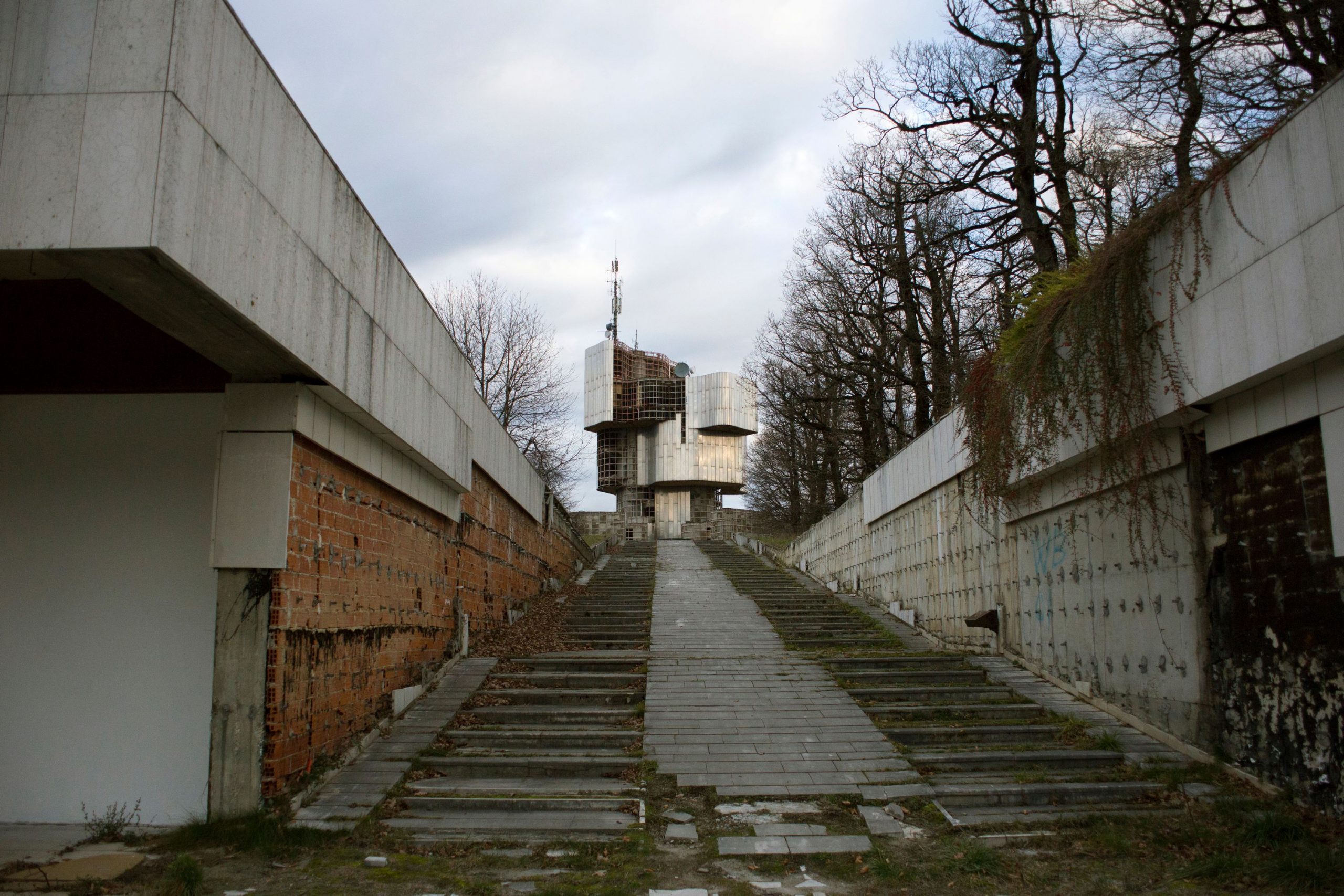
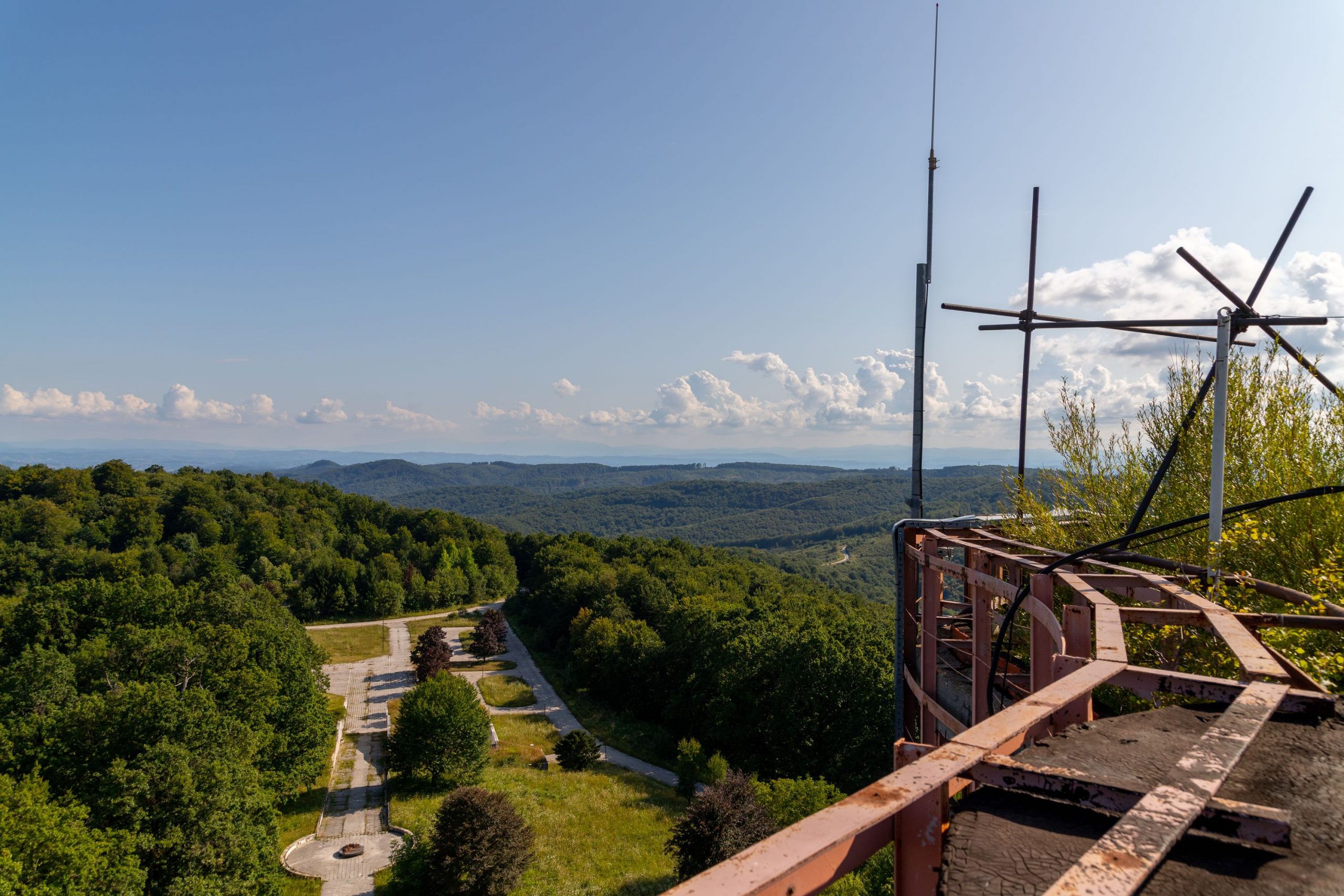
Standing roughly 37 metres tall, the monument is constructed of reinforced concrete and clad in sinuous stainless steel panels arranged in five undulating layers—a dazzling tribute to resilience and modernist expression. The interior once housed a rich public programme: a 250-seat congress hall, library, reading room, café and museum showcasing regional Partisan history, spanning some 3,000 m². Surrounding the monument were recreational grounds, visitor facilities, and a panoramic terrace overlooking Slovenia, Bosnia, and Zagreb.
Historical Context: A Monument to Anti-Fascism in a Divided Land
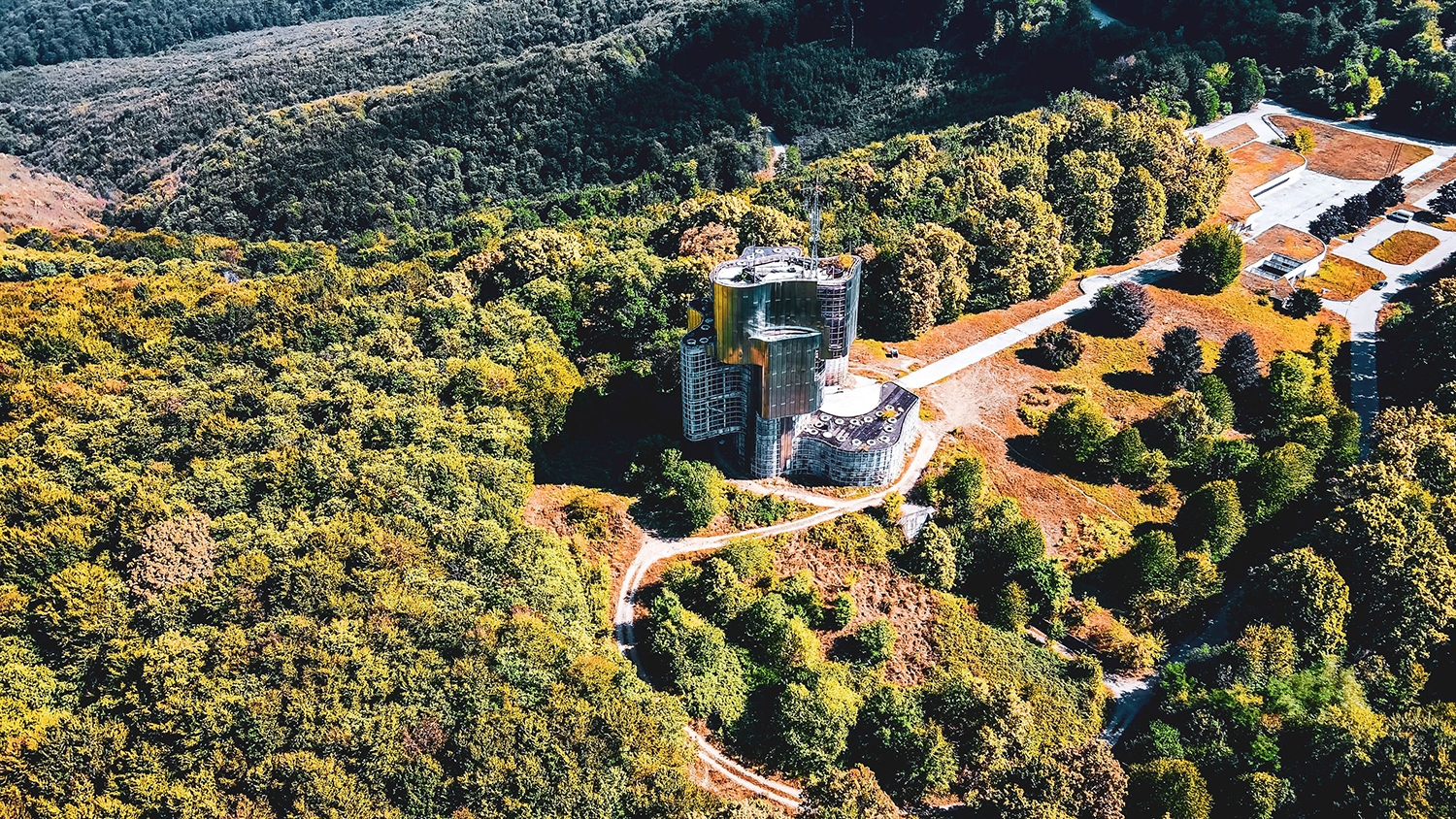
The dense forests and mountainous terrain of Petrova Gora provided refuge for Yugoslav Partisans during World War II. The Kordun and Banija regions became centres of resistance where the first Partisan hospital was established. The hospital operated for nearly three years in secret despite continuous German-Ustaše offensives. Post-war Yugoslavia elevated the anti-fascist struggle as the founding myth of the federal socialist state, and monuments like Petrova Gora were built to honour the people, not political leaders.
Following Yugoslavia’s collapse and Croatia’s War of Independence in the 1990s, Petrova Gora faced rapid decline. Its association with Serb-dominated Partisan forces made it politically inconvenient in the new Croatian state, leading to its neglect and ideological abandonment.
From Prominence to Neglect
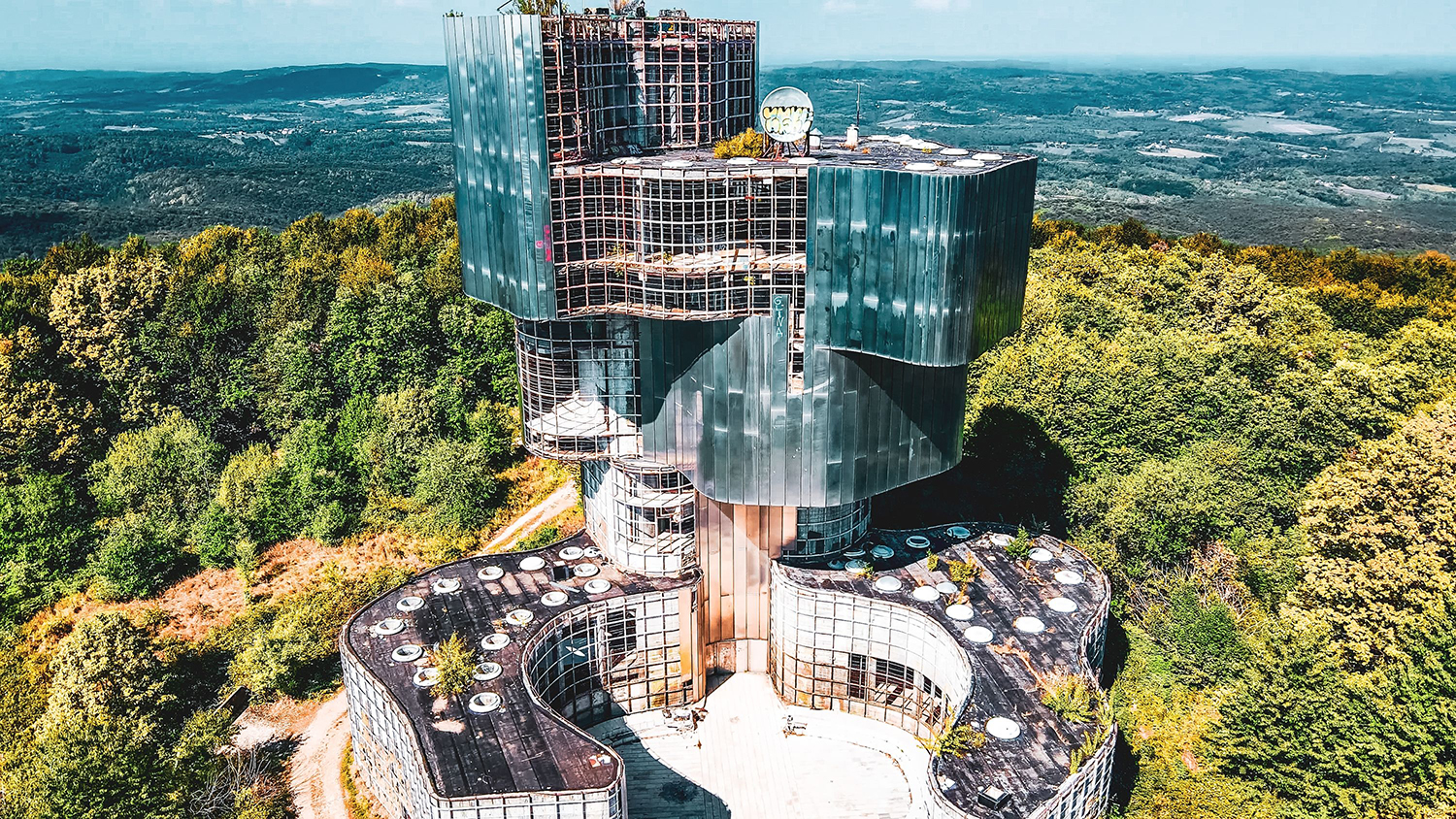
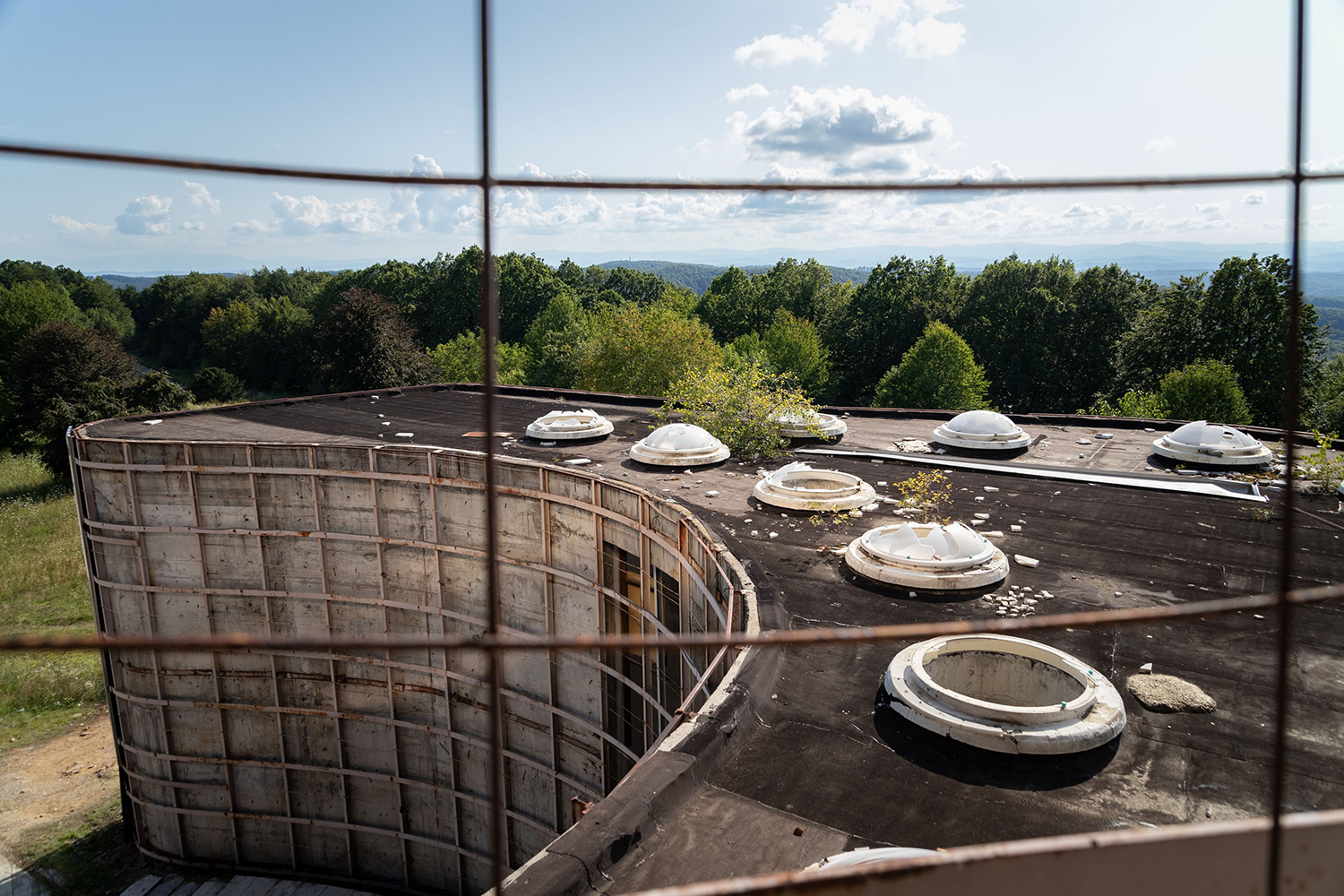
The monument was officially unveiled on 4 October 1981, marking the 40th anniversary of the uprising. However, the interior was never fully completed. After the fall of Yugoslavia, the monument was abandoned, looted, and stripped of its steel cladding. Artifacts vanished or were vandalised, and the structure entered a state of slow decay.
Despite this, the monument still serves practical purposes today, with TV and mobile antennae installed atop its roof. It also hosts astronomy events, having been designated an International Dark Sky Park in 2019.

Architectural Analysis: Vojin Bakić’s Brutalist Elegy
Materially, the structure merges heavy reinforced concrete with flowing stainless steel plates. The steel was meant to shimmer and reflect light, giving the building a dynamic, almost living presence. Symbolically, the form evokes protection, flight, or the dispersal of trauma. The interior was designed as a civic space with museum exhibitions and communal areas—a living memorial rather than a static sculpture. Bakić’s ambition was to unify geography and memory through monumental design.
Preservation Challenges and Strategies
Challenges:
- The monument’s steel panels are largely missing or rusting, exposing the concrete to further damage.
- The roof leaks, and there is no on-site security, leaving the structure open to vandalism.
- Political reluctance in post-Yugoslav Croatia makes state-funded preservation unlikely.
Strategies:
- Reframe the monument as a cultural and architectural heritage site, beyond political ideology.
- Apply for UNESCO World Heritage status or include it in regional cultural tourism circuits.
- Use adaptive reuse: install a visitor centre nearby and host art or educational events.
- Involve the community in preservation through partnerships, clean-up efforts, and educational programming.
Cultural Resonance and Representation
Petrova Gora has appeared in popular culture, such as on the cover of the band Unknown Mortal Orchestra’s debut album and in the Netflix series Tribes of Europa. These appearances have sparked debates about the monument’s decontextualisation and aesthetic exploitation.
Urban explorers and artists continue to be drawn to the site, describing it as eerie and evocative. Some advocate for its conversion into a gallery or museum, while others see its ruinous state as part of its message.
Conclusion: A Monument at a Crossroads
Petrova Gora stands as a haunting reminder of how societies remember—or forget—their past. It is a place where architecture, ideology, and memory collide. Neglected yet monumental, its concrete bones endure as a challenge to engage with complex histories. Whether restored, reinterpreted, or left to the elements, it remains a monument that continues to speak, provoke, and endure.


