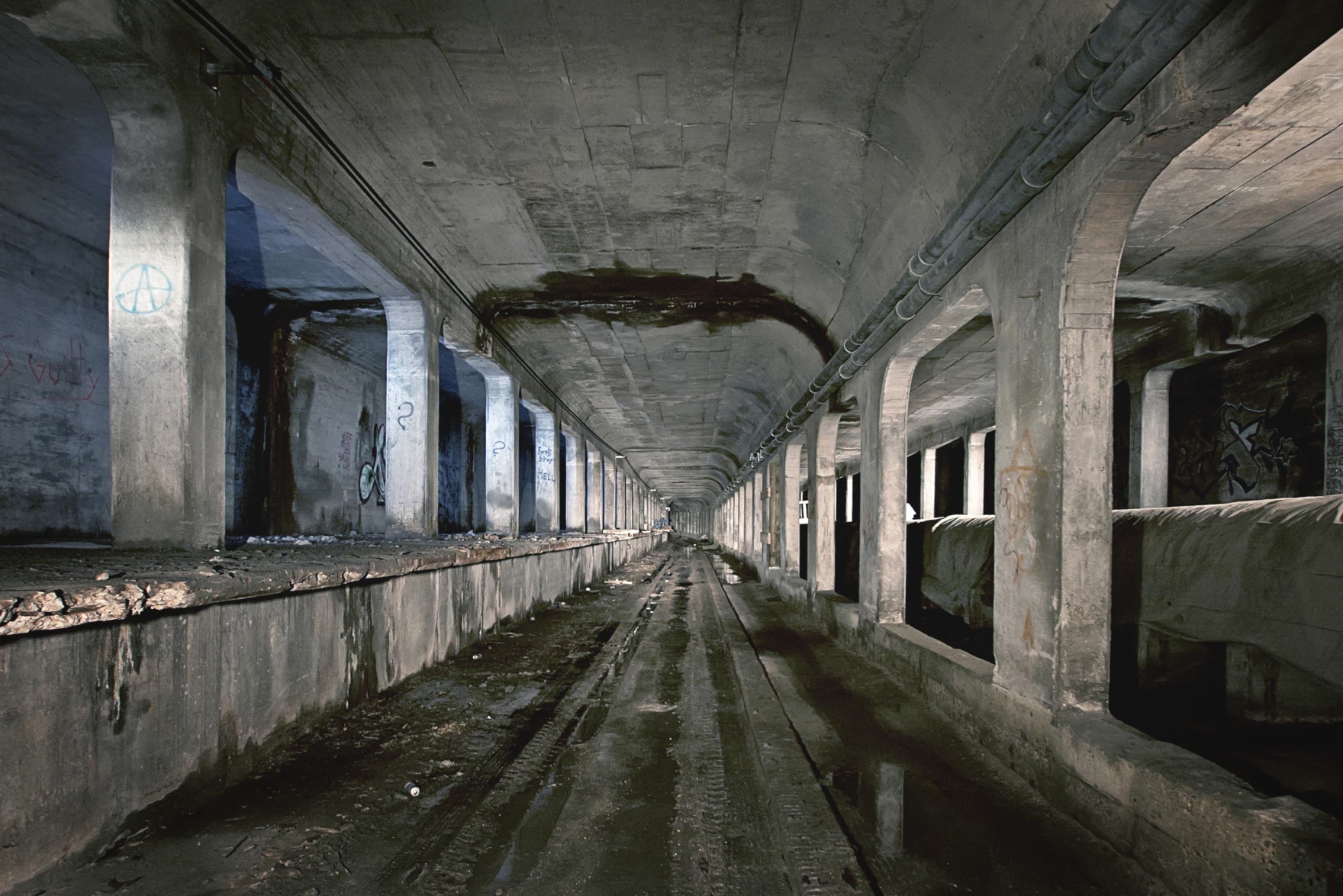
Cincinnati, Ohio is home to one of the most remarkable infrastructure mysteries in the United States: the largest abandoned subway system in the country—built, tunneled, but never used. Between downtown and Norwood lie over 2.2 miles of dark tunnels, platforms, and unused stations—silent reminders of an ambitious transit vision thwarted by politics, economics, and changing times. This article dives deep into its century-long saga—from its hopeful inception to its ghostly present, and the still-open question of what to do with it next.
A Bold Transit Vision Emerges
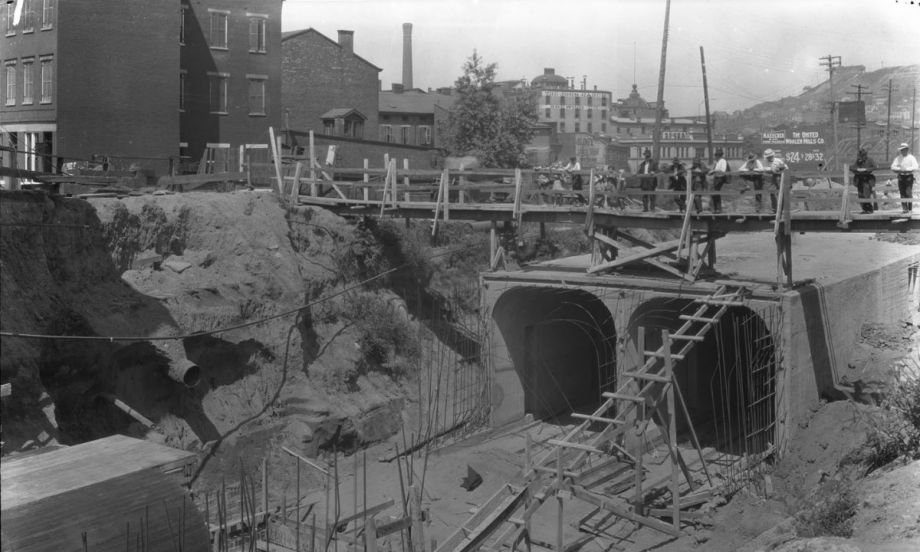
In 1912, plans were drawn for a 16-mile loop—dubbed the Rapid Transit Loop—encircling Cincinnati via underground, surface, and elevated routes. Citizens approved a $6 million bond in 1916, amid optimism for modern, efficient city travel. This subway would connect neighborhoods like Walnut Hills, Norwood, Oakley, Clifton, and downtown, replacing the old Miami & Erie Canal bed with underground tunnels beneath what would become Central Parkway.
Work finally began in earnest in January 1920. Engineers adopted designs inspired by Boston’s early subway system. Progress continued through the early 1920s: by 1923, seven miles of tunnels were dug and four station platforms built: Race Street, Liberty Street, Brighton Place, and Linn Street.
Construction Collapse: Costs, Politics, and Economic Shocks
Despite early momentum, multiple setbacks conspired to halt the project. The post–World War I era brought inflation and skyrocketing material costs. Citizens’ bond funding proved insufficient—by 1925, completion would have required $10–13 million more. Political control shifted with Mayor Murray Seasongood and the Charter Party in 1926, slowing federal and county support and limiting additional funding.
Then came the final blow—the Stock Market Crash of 1929 and onset of the Great Depression. With tax revenues collapsing, completion became impossible. By 1928–29, the subway project was officially abandoned.
Built—but Never Used: The Subway as Ghost Infrastructure
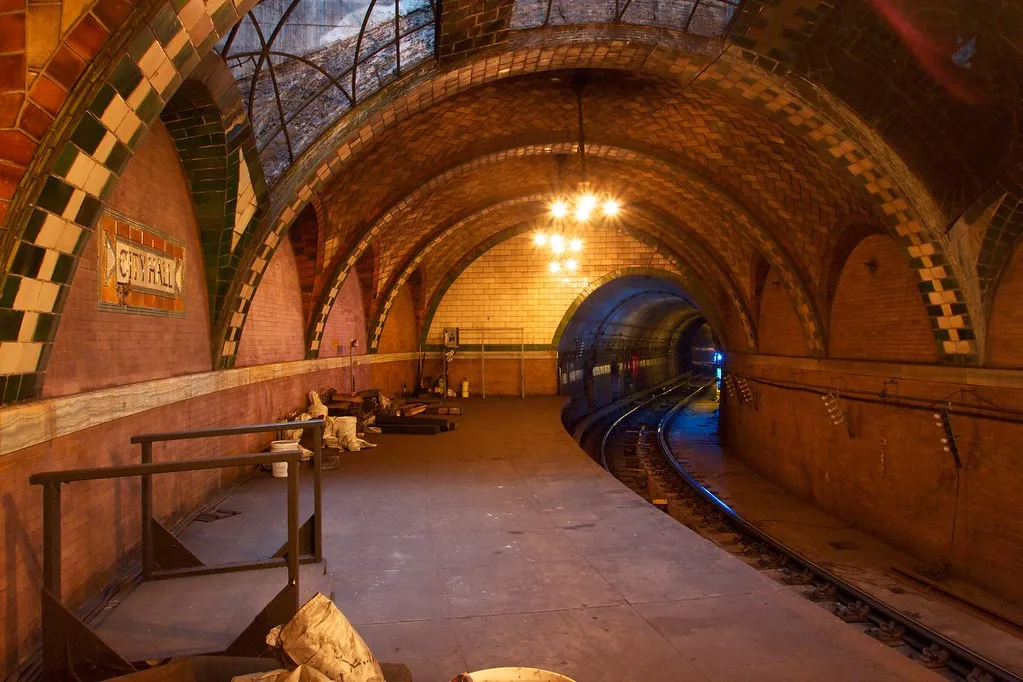
To this day, no trains ever ran on the system. The unfinished tunnels remain sealed beneath Central Parkway and I‑75. Of the four built stations:
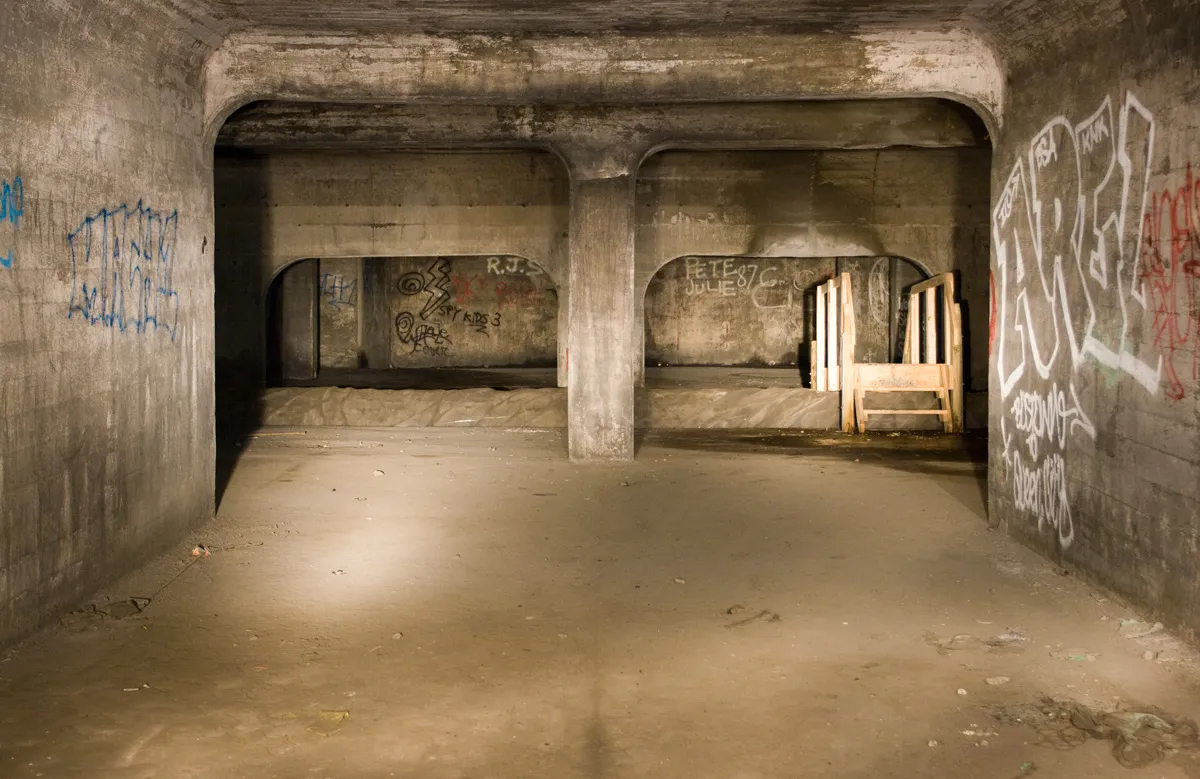
- Race Street: intended hub with island platform, three tracks, and expansion stubs—sharp curves beyond it were among the tightest in U.S subway design.
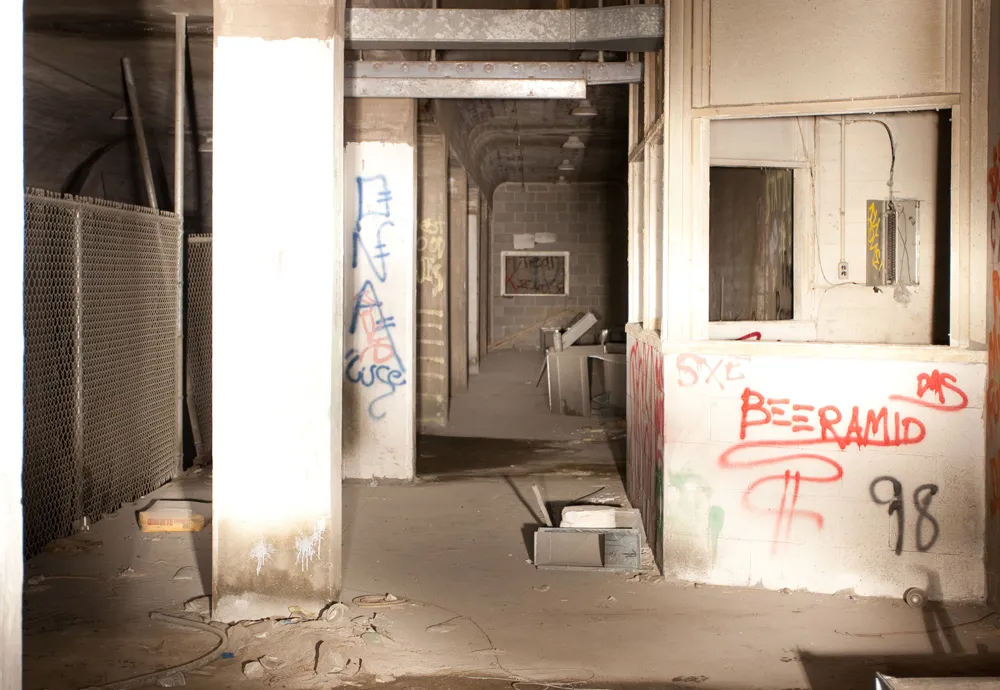
- Liberty Street: later converted into a Cold War–era bomb/fallout shelter, with partitioned rooms, storage cans, lighting fixtures, and ventilation installed in the 1960s.
- Brighton Place: the last underground station before the system surfaced toward Norwood; clearly visible from I‑75 but used for light rail proposals in 2002 that failed by popular vote.
- Linn Street: lowest-profile station—completely bricked up and sealed, hiding its platform behind concrete walls.
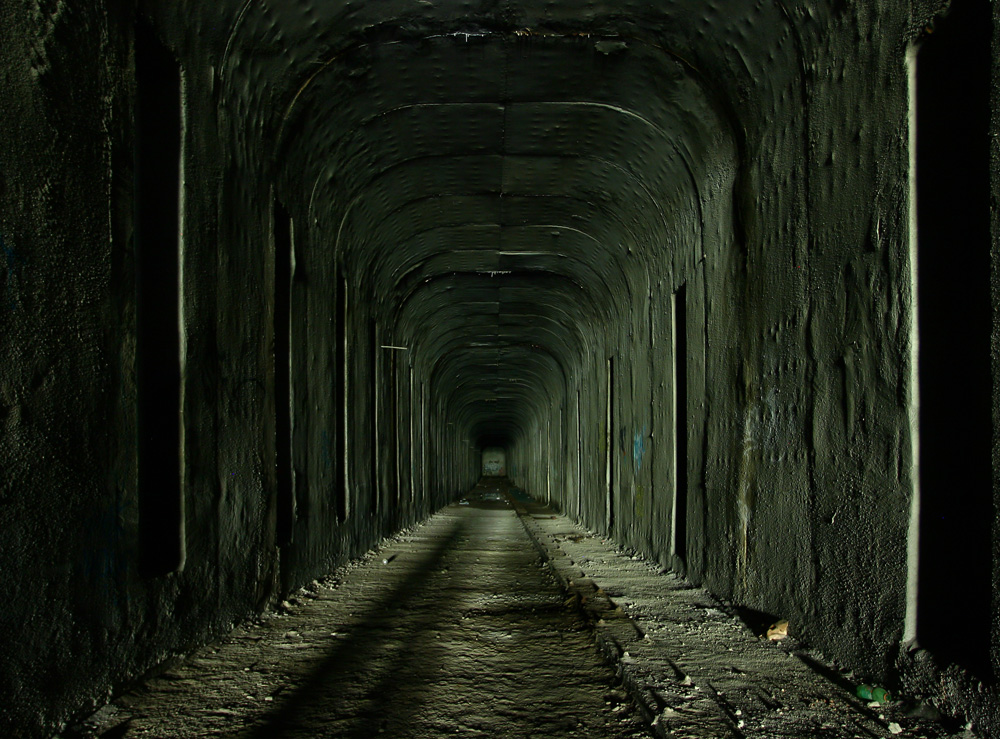
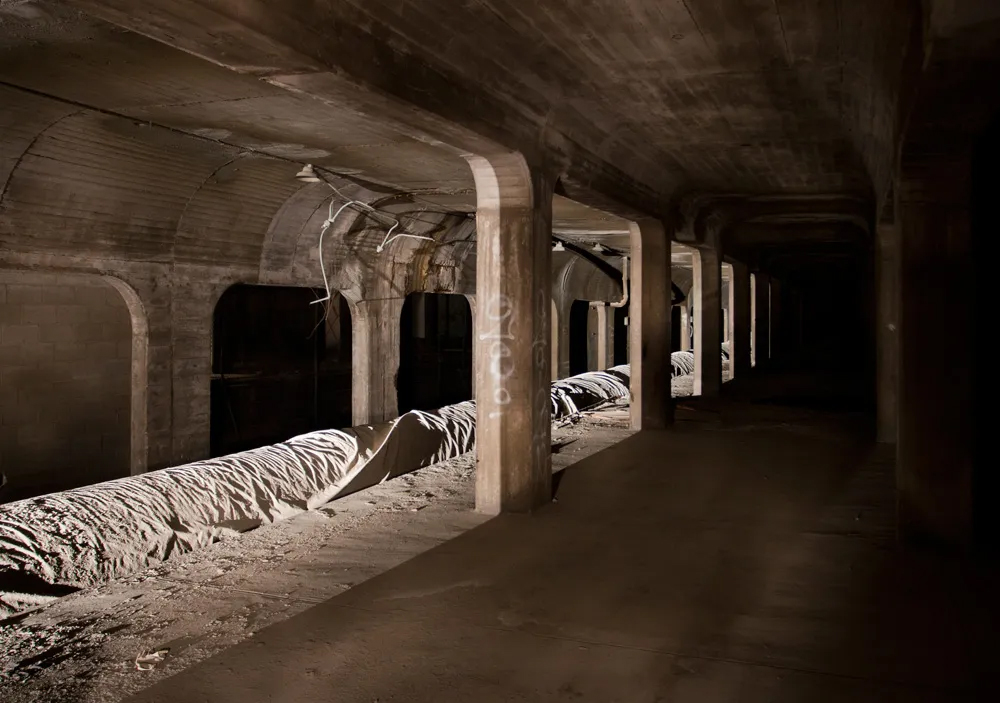
In total, 2.2 miles of twin tunnels run beneath the city. While Clifton, Ludlow, and Marshall Avenue stations were demolished during highway construction, the four remaining stations still stand, disused and silent.
The Subway Today: Use, Access, and Condition
The spaces under Cincinnati are far from forgotten:
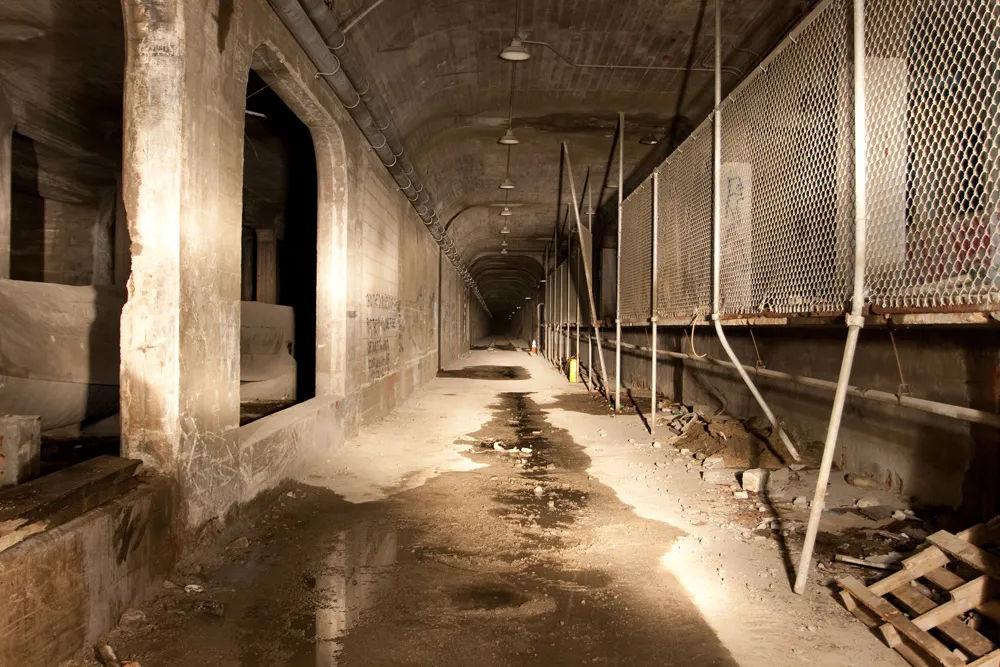
- The tunnels currently host a 4-foot-wide water main, fiber-optic cables, and other utilities. Removing or relocating these would be prohibitively expensive.
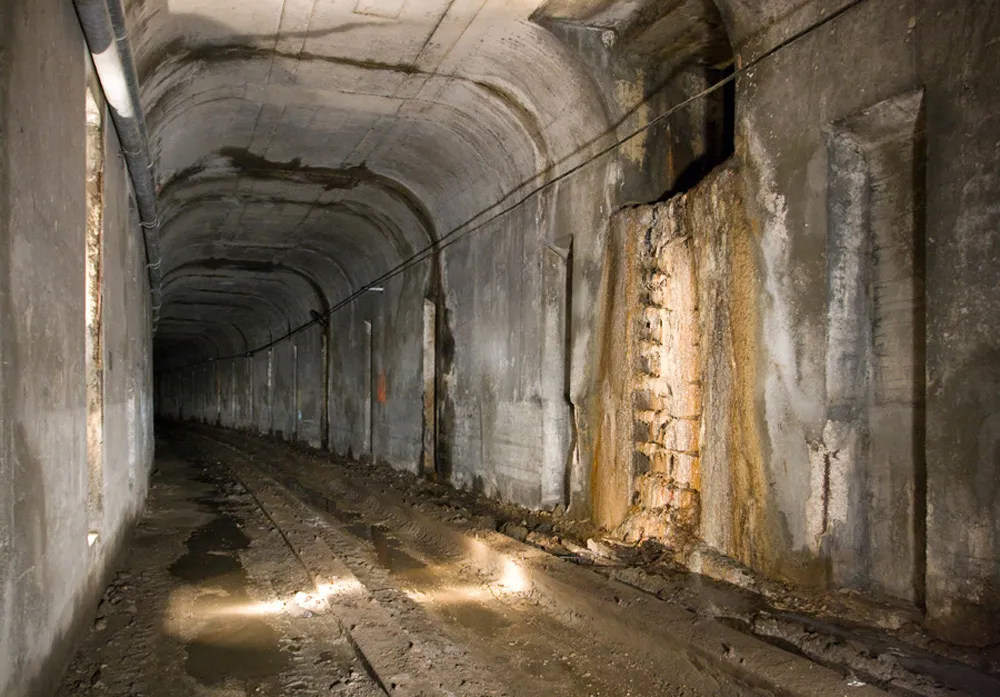
- Engineers have judged the tunnels themselves to be in very good structural condition, largely due to their reinforced concrete construction.
- Though public tours once occurred—often run by the Cincinnati Museum Center—they ceased around 2015–16 after risk assessments labeled the tunnels unsafe.
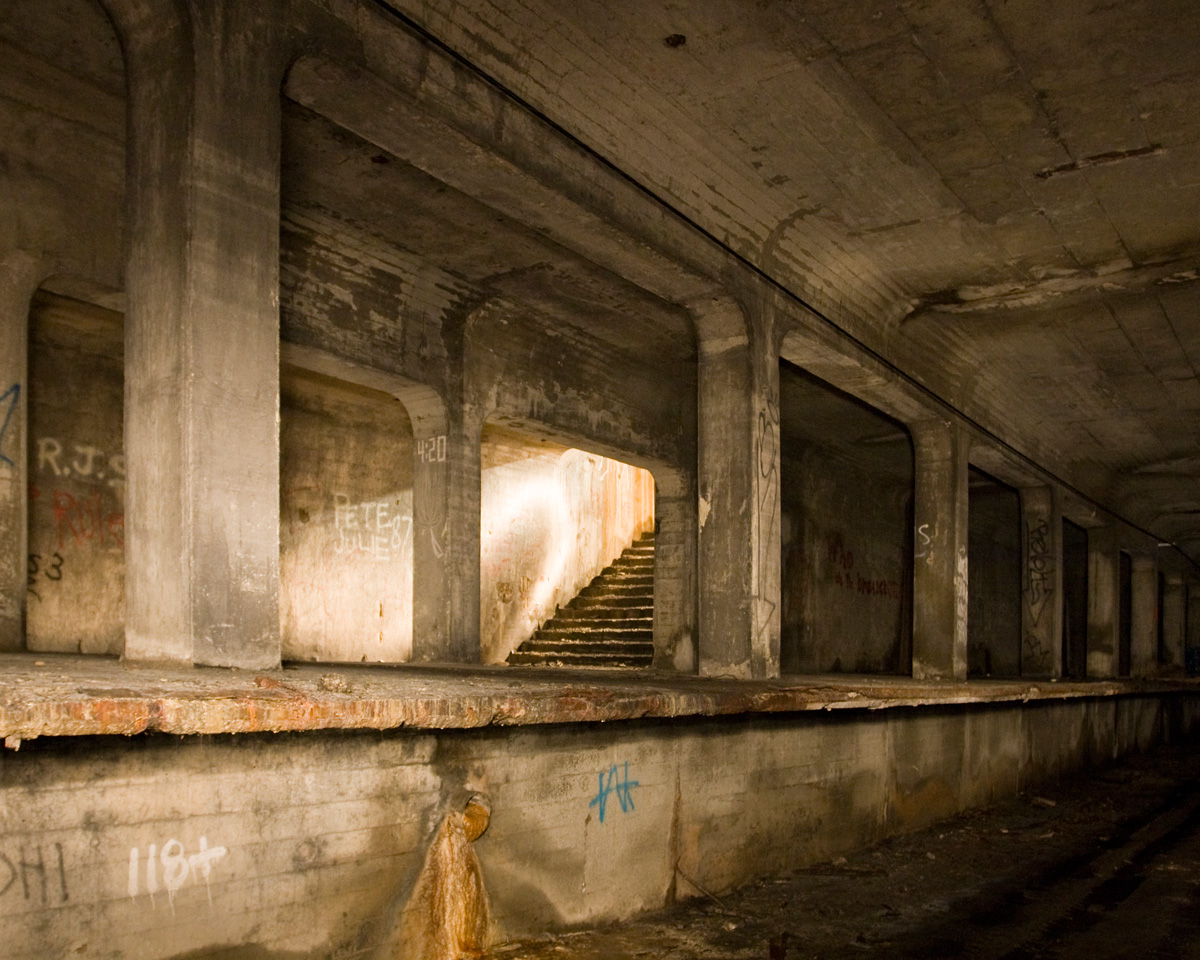
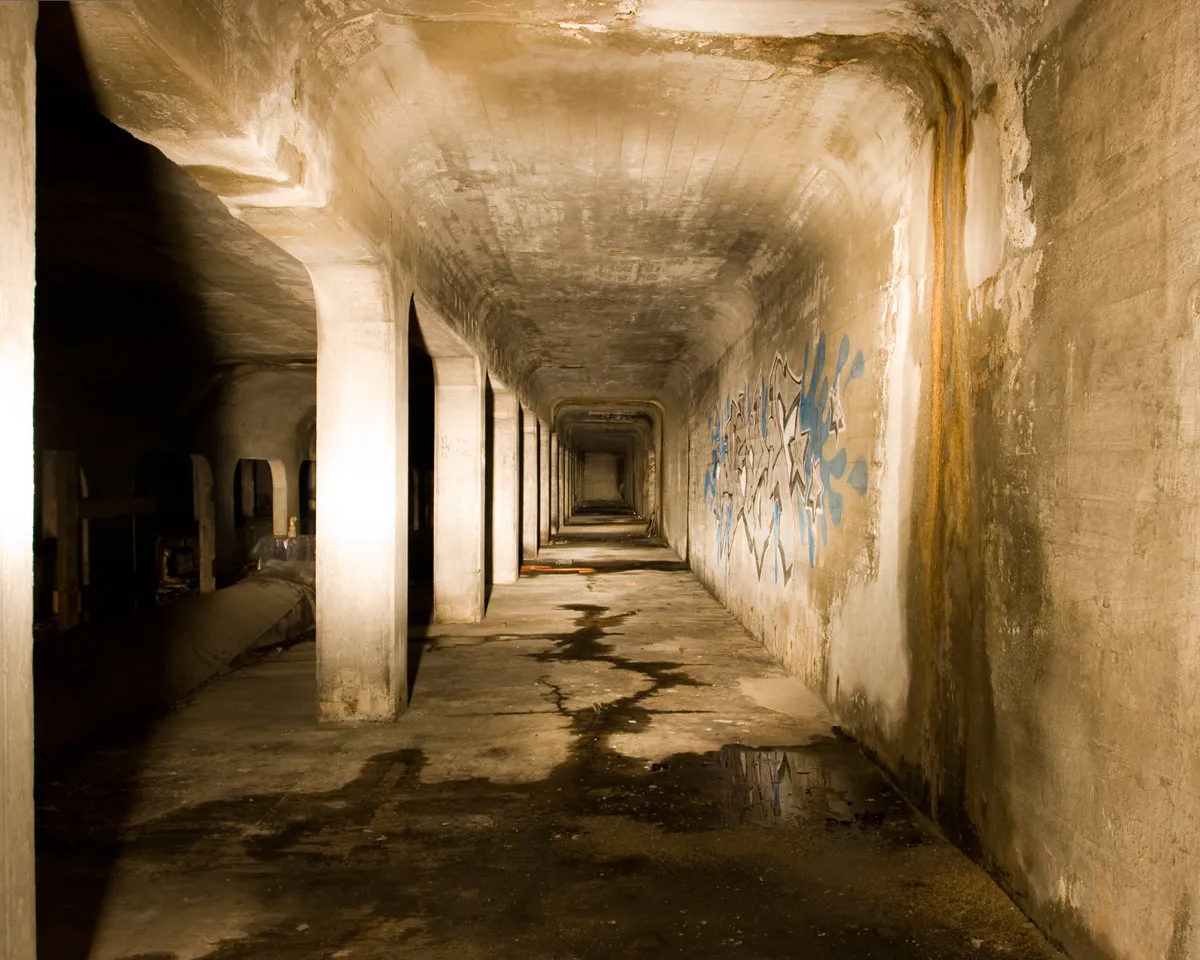
- Urban explorers and photographers still occasionally enter illegally, drawn to dust-covered platforms, graffiti, and the eerie stillness of systems never activated.
Attempts at Revival: Ideas That Never Took Off
Over the decades, numerous revival proposals emerged—but none came to fruition:
- In 2002, a voter referendum called MetroMoves proposed repurposing the tunnels for light rail. It was rejected by a 2–1 margin.
- Other ideas floated included converting tunnels into car traffic or trolley lines, though vehicle width and sharp curves made these impractical.
- In the 1930s and later, people considered using them as civil defense shelters or community spaces like underground shopping or performance venues. None gained traction.
- In 2024–25, the city issued an RFI inviting the public to propose uses—ranging from speakeasies to tunnels turned into walking paths—but no concrete plans have advanced.
Community Voice: Reddit and Urban Exploration
Local residents and online communities continue to fuel fascination:
- One explorer noted that Linn Street station is fully sealed, possibly doubling as a bomb shelter in earlier decades.
- Others describe incidents of exploring the tunnels in the 1990s and experiencing civil defense artifacts—food storage drums, toilet-equipped survival cans, old signage.
- Discussion on r/CincyTransportation speculates on obstacles to subway revival—like narrow tunnels, obsolete curvature geometry, and infrastructure conflict with modern freeway layouts and development.
Why It Matters: Legacy and Lessons
Infrastructure Ambition Thwarted
Cincinnati’s subway is a rare physical testament to civic planning that lost momentum after massive early gains. It’s a cautionary tale of how politics, shifting priorities, and economic collapse can sink even bold public works.
A Time Capsule Beneath the City
For nearly a century, these tunnels—along with pristine, unused platforms—have existed untouched. They connect present-day commuters to what might have been, and remind urban planners how quickly vision can become vestige.
Unlikely Opportunity, Lingering Costs
Some transit advocates have called the tunnels a latent opportunity—a transit ROI buried beneath Central Parkway, waiting for investment and vision. But outdated station geometry, changing surface patterns, and nested infrastructure complicate any revival.
At the same time, the tunnels still serve daily as utility conduits—the water mains and cables they house continue in use, meaning any change would require rerouting critical infrastructure.
The Road Ahead: Futures Uncertain
There are no active plans to build trains or mass transit in the tunnels. Revival remains politically and financially improbable.
However, city officials have acknowledged the coming need to replace the water main, which may allow for redesign of tunnel usage or partial reimagining of these spaces.
Without major investment, the tunnels are likely to remain sealed, forgotten, or occasionally explored—a subterranean time capsule visible only to those who know where to look.
What Lies Beneath: Touring the Tunnel in Imagination
Those who once walked the tunnels describe:
- Deep echoing platforms with steps descending from vault pathways; dim light filtering from grates above.
- In Race Street, the central platform, side corridors, and branching curves evoke the disused cores of systems waiting for passengers.
- Liberty Street’s refitted fallout bunkers, with small rooms partitioned by cinder blocks, lights, and survival kits—a throwback to Cold War concerns.
- Brighton Place’s concrete portals, visible today from I‑75, with platforms mostly intact though heavily graffiti’d.
These spaces feel suspended in time: engineered but unrealized, grand in concept but truncated in execution.
Final Reflections
The Cincinnati Subway is more than an abandoned tunnel system—it is an architectural curiosity, civic ghost, and lesson in urban planning ambition. Though built at great public cost, it was never used and today serves only as storage for utilities and fodder for exploration enthusiasts.
Still, it whispers of an alternative history: one where Cincinnati might have become a commuter city of subways and interurban connections rather than highways and surface cars. For visionaries, historians, planners, and adventurous explorers, the tunnels embody the best of what could have been—and the consequences when civic resolve falters.
Whether ever revived or preserved as ruins, Cincinnati’s abandoned subway remains a powerful symbol: that beneath our roads and sidewalks lie stories of both progress and pause, of hope and heartbreak, and that sometimes, the most fascinating journeys are the ones that never began.