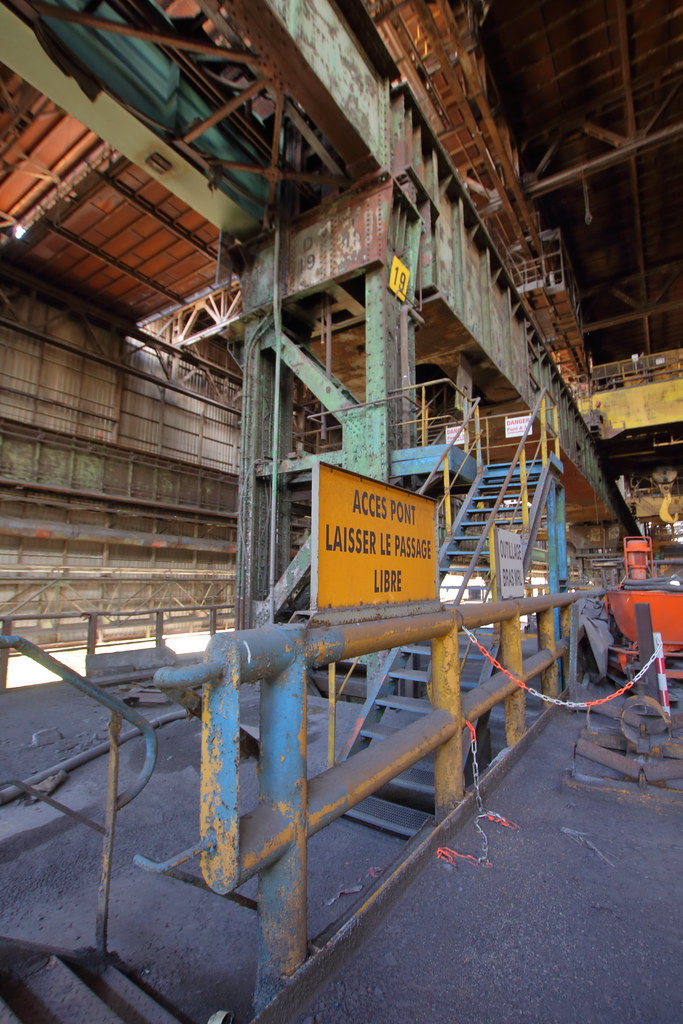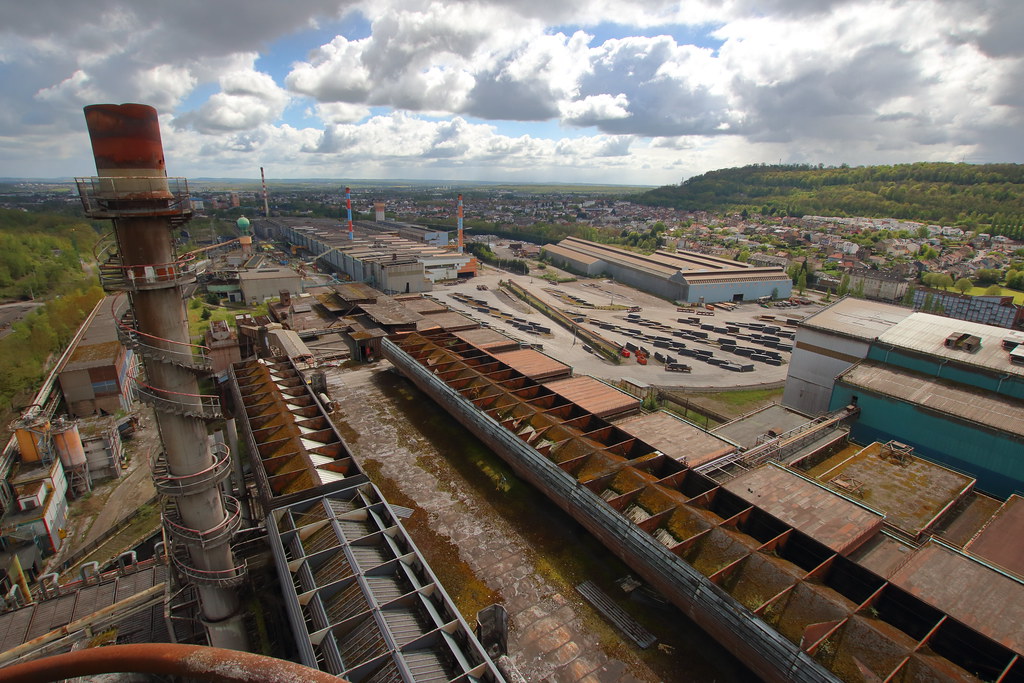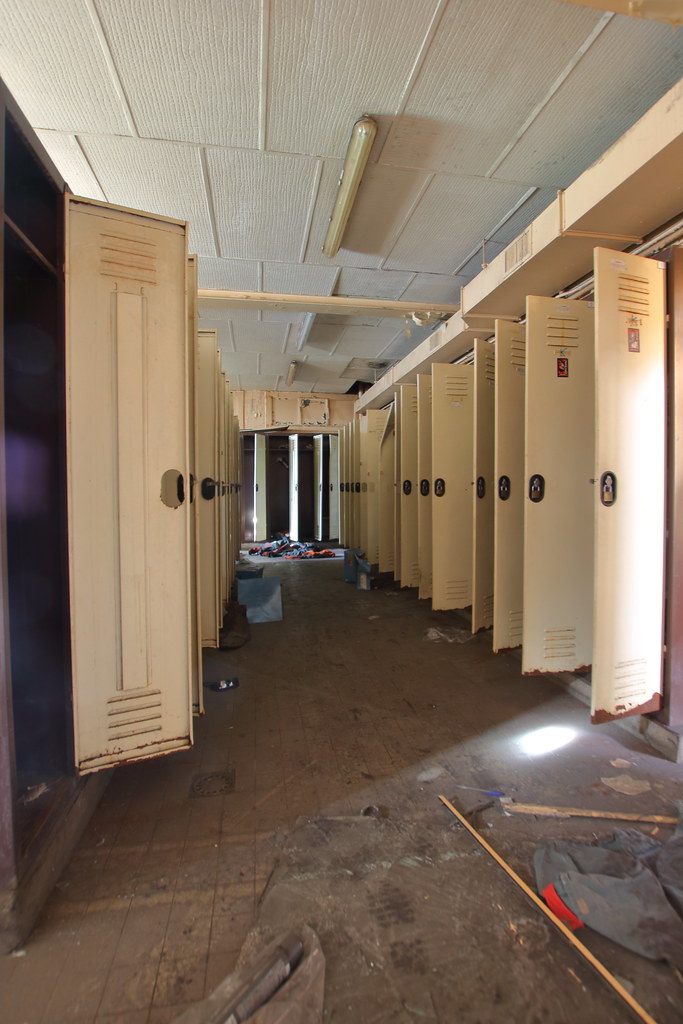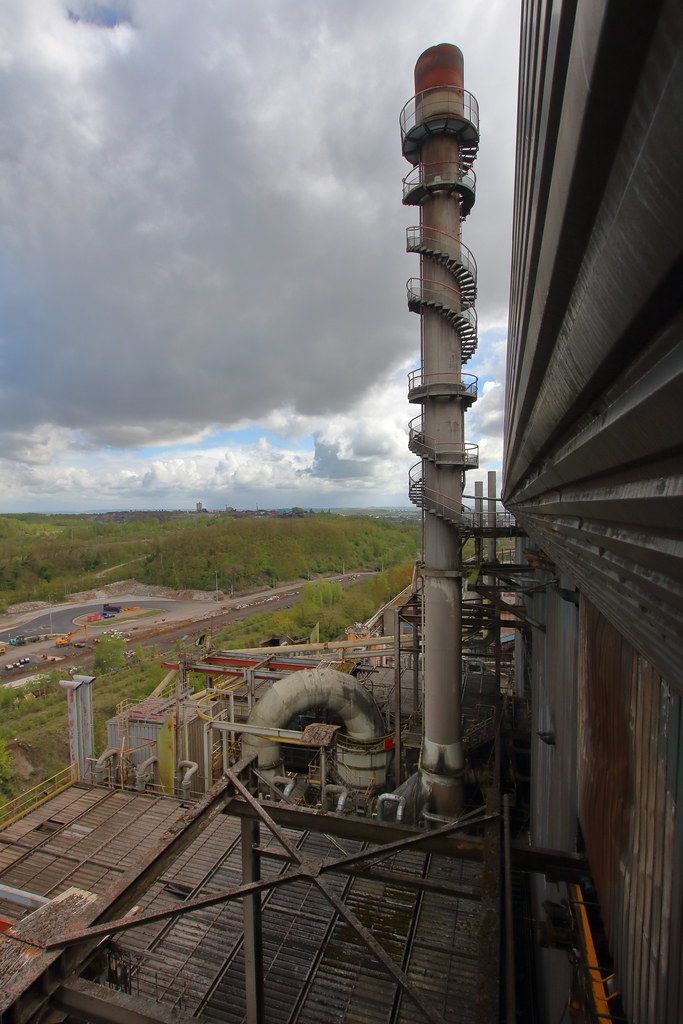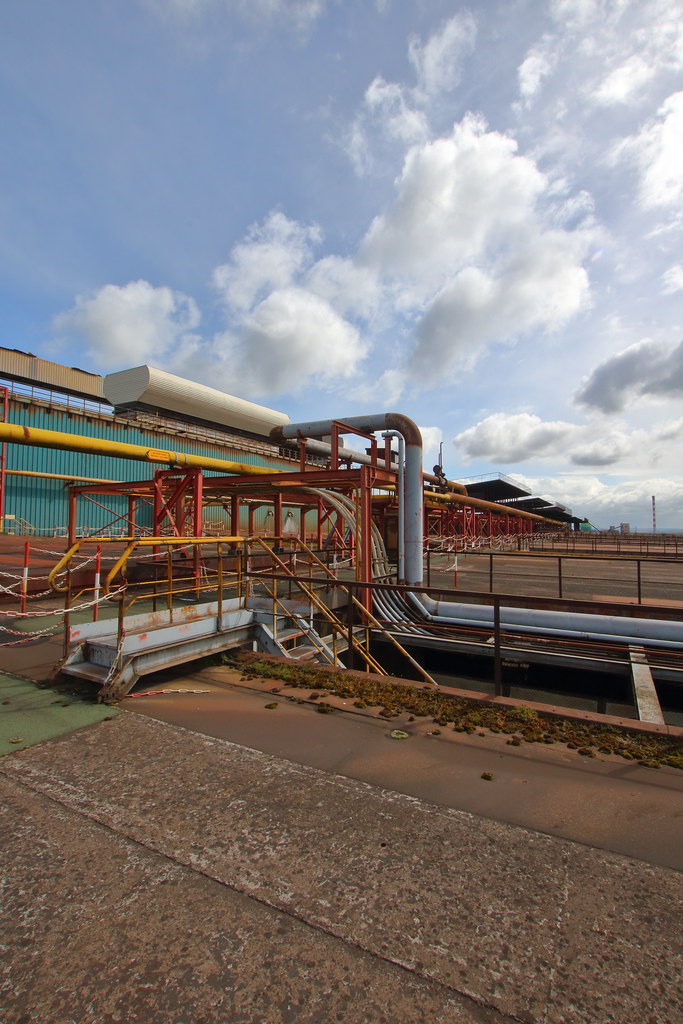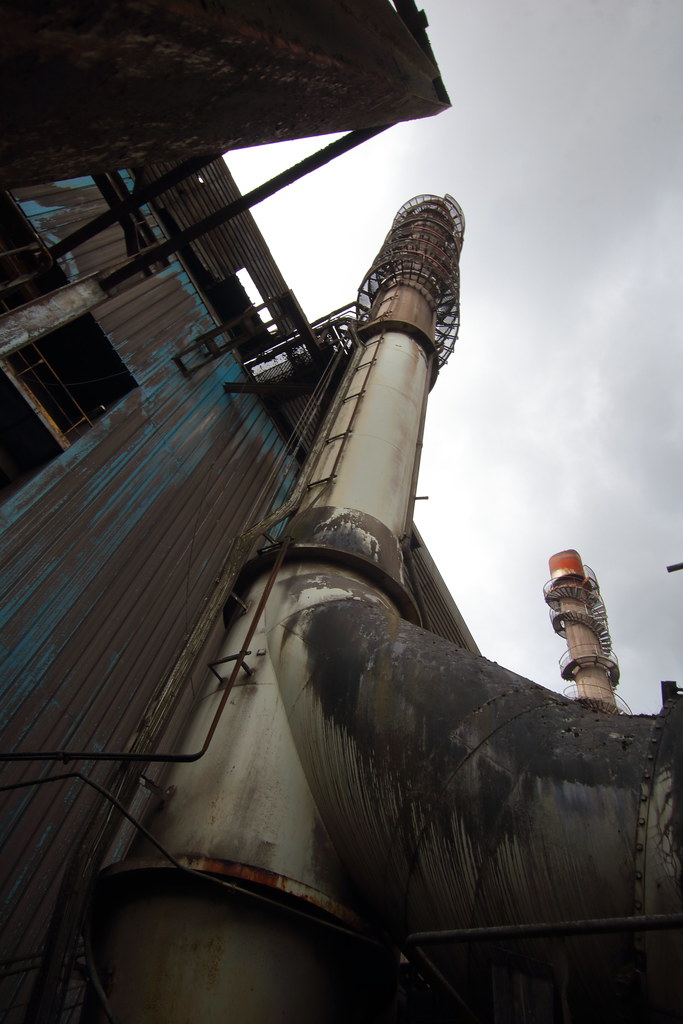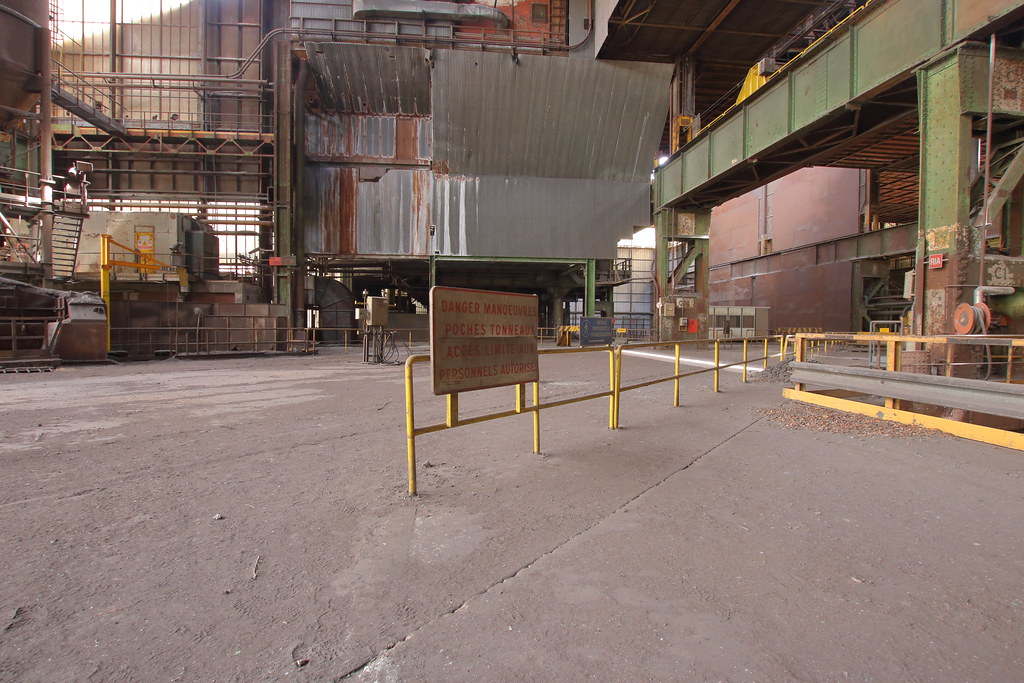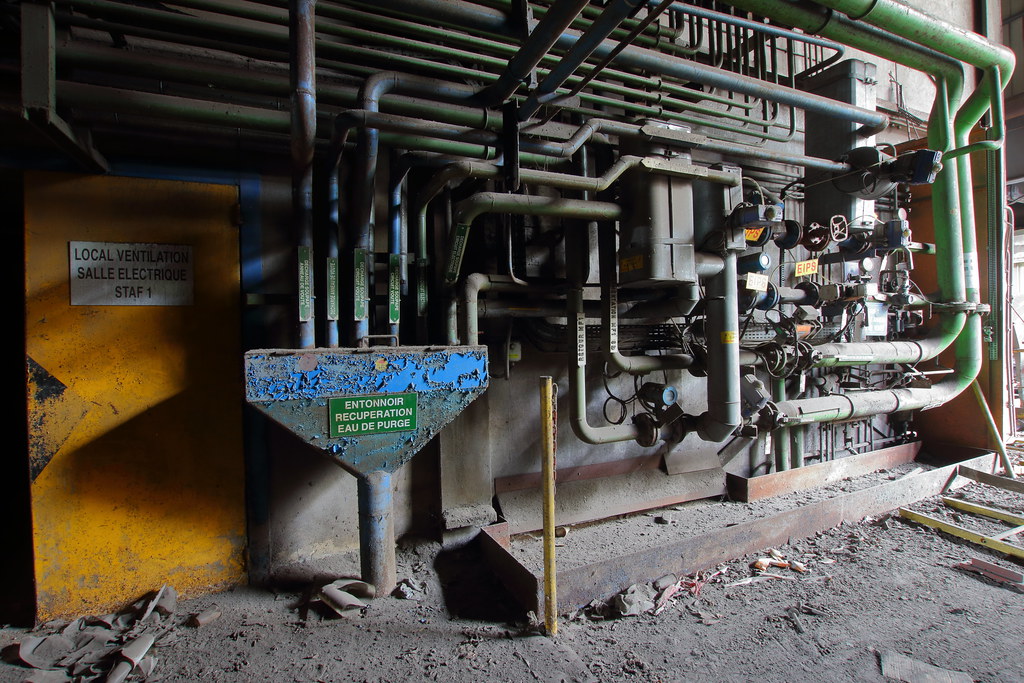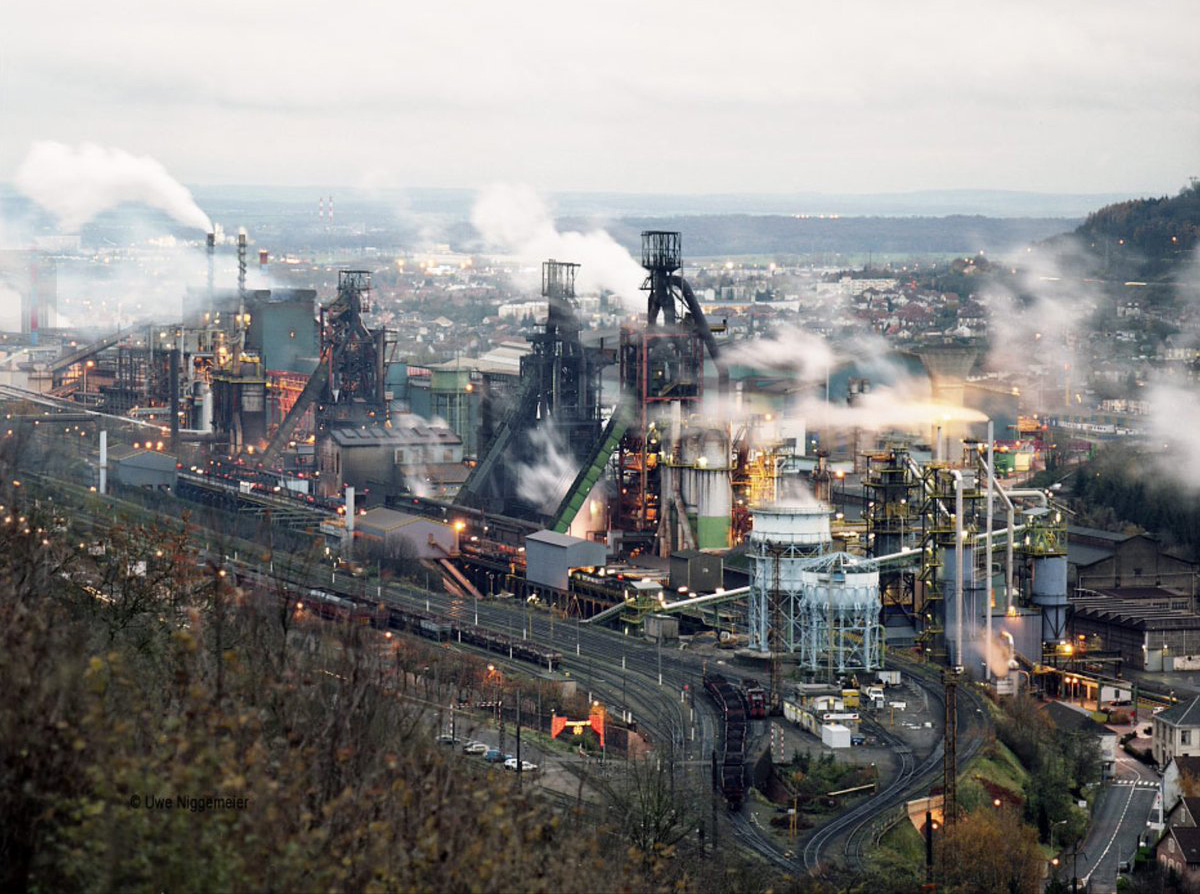
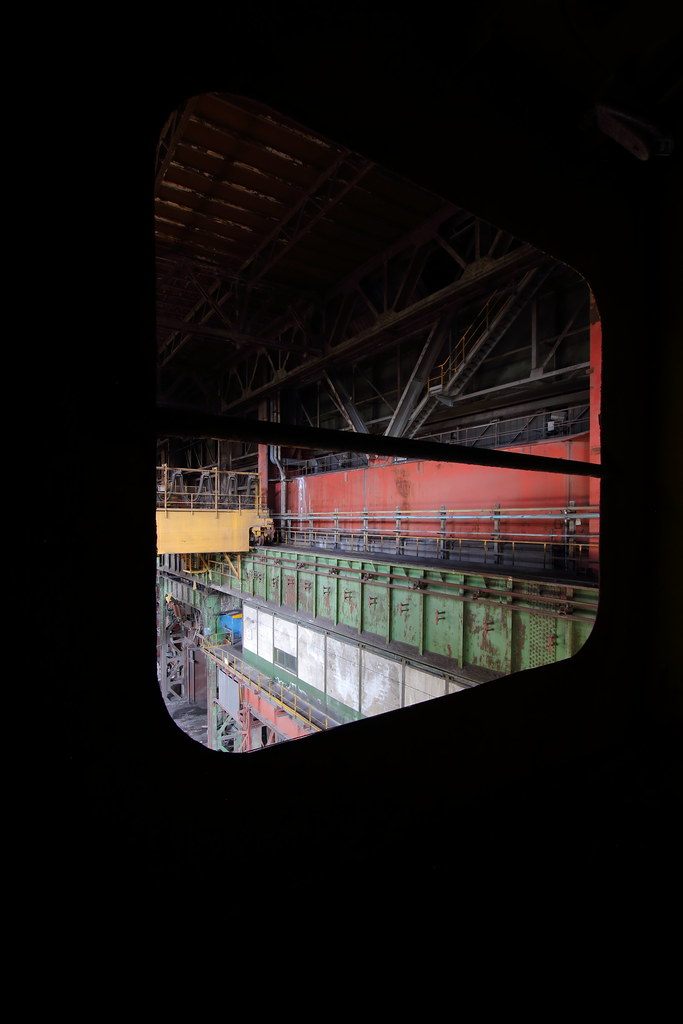
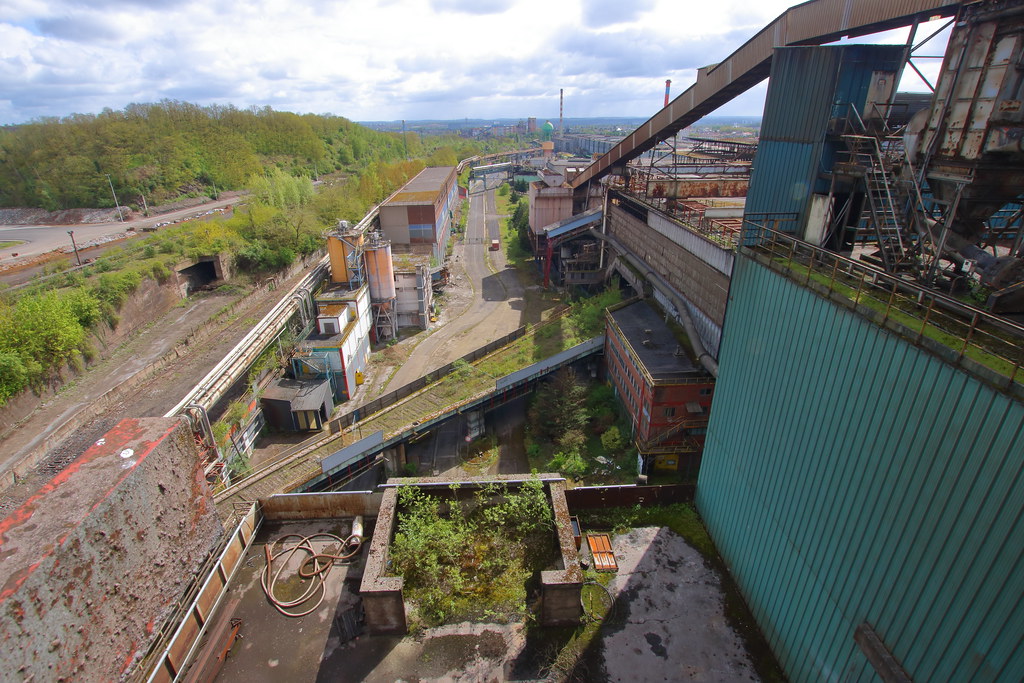
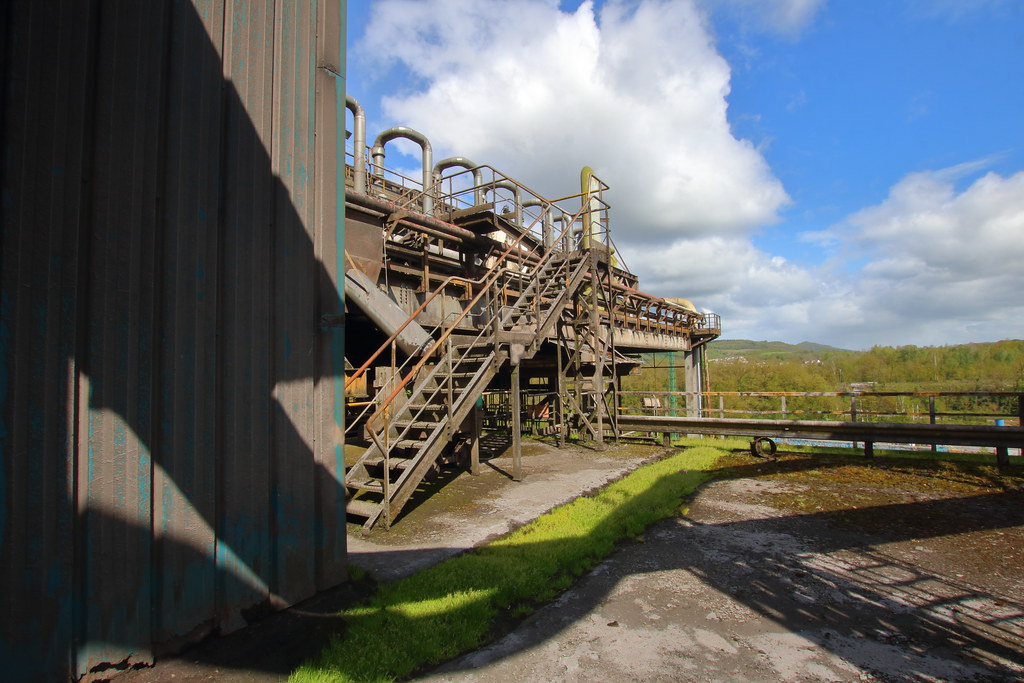
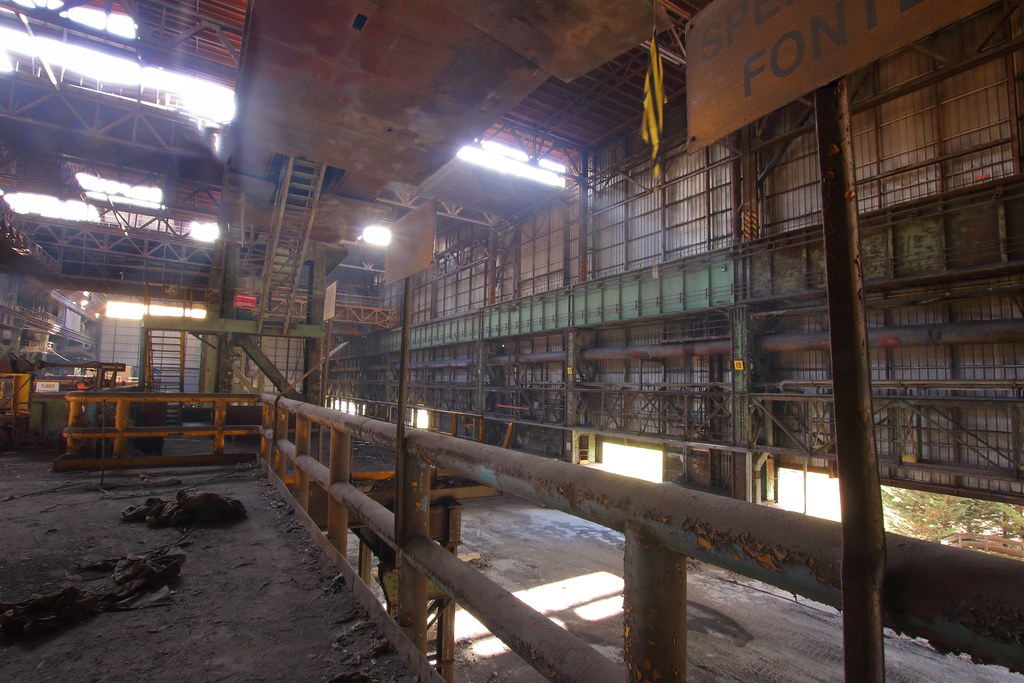
Nestled in the Fensch Valley of Moselle, northeastern France, the Florange steelworks—formally known as ArcelorMittal Florange—has navigated centuries of industrial upheaval. From its 18th-century origins and wartime devastations to the closure of its blast furnaces and reinvention as a centre of metallurgical excellence, Florange exemplifies both industrial decline and resilient adaptation.
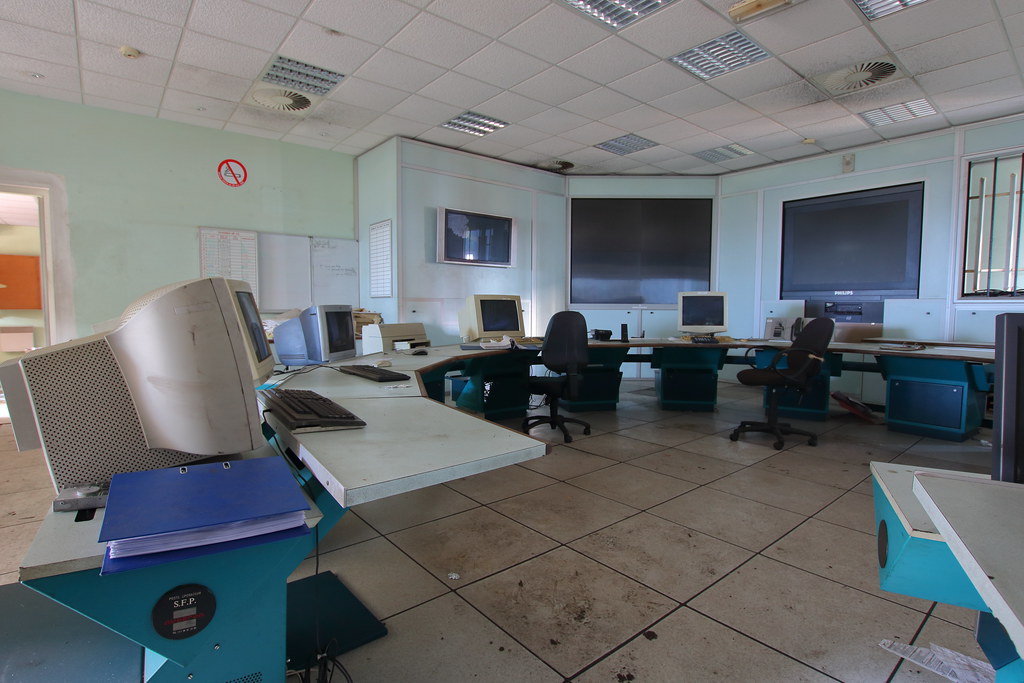
Foundations in the Age of Wendel
The steelmaking tradition in the Fensch Valley extends back to Celtic times, but it received its industrial spark in 1715 when Martin de Wendel acquired a forge in Hayange. Over centuries, the Wendel family built an expansive steel empire whose zenith arrived on the eve of World War II. Post‑liberation changes in global trade and steel technology led the Wendels, in 1948, to merge into a cooperative—Sollac—beginning the modern era of sheet steel production across Serémange, Ébange, and Florange.
The Rise of Modern Steelmaking
In the 1950s, under the Marshall Plan’s impetus, Florange expanded rapidly. A hot strip mill, open-hearth furnaces, and Thomas processes were introduced—modernising production capacity and kickstarting Florange’s role as a powerhouse of flat steel. By the 1970s, amid shifting demand and crisis in the steel industry, Florange persisted while other Wendel forges closed, maintaining its relevance by focusing on seamless plate production.
Political Storms and Industrial Shutdown
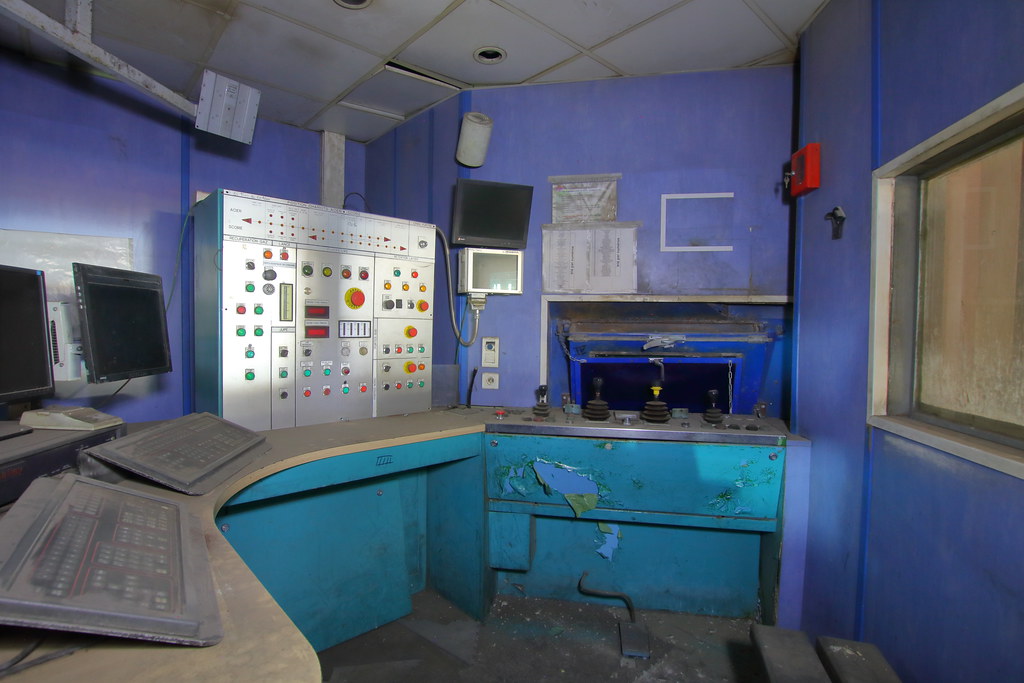
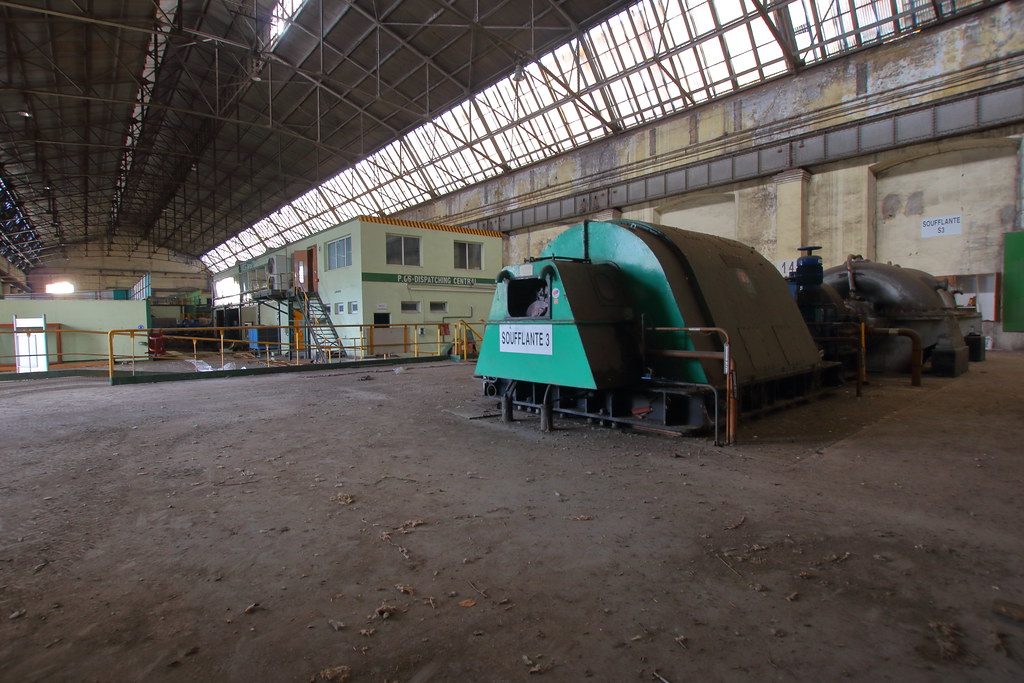
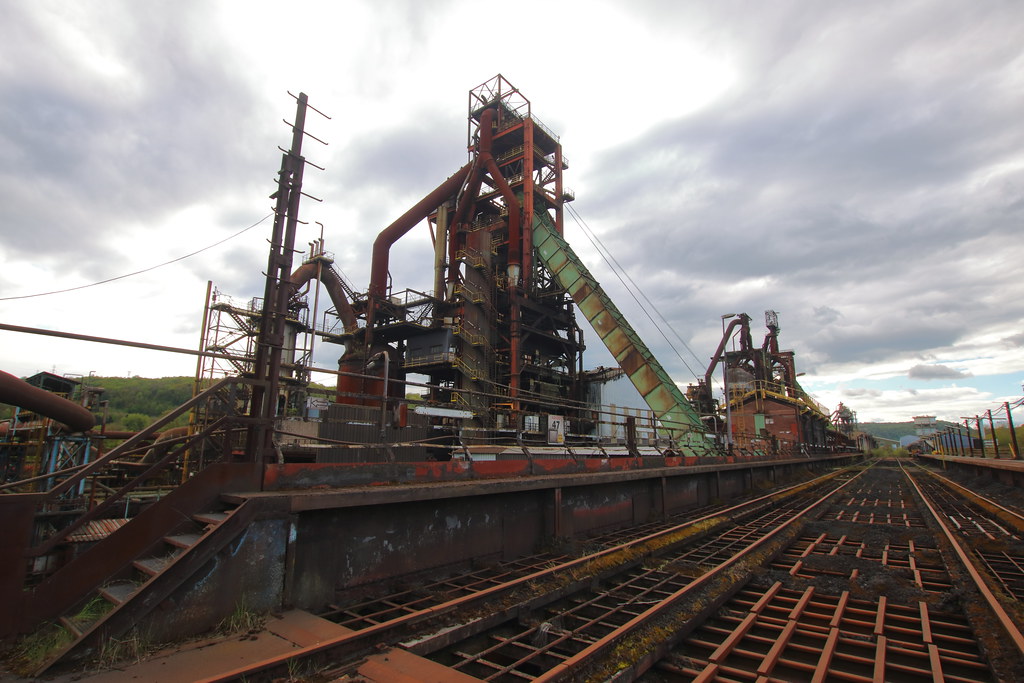
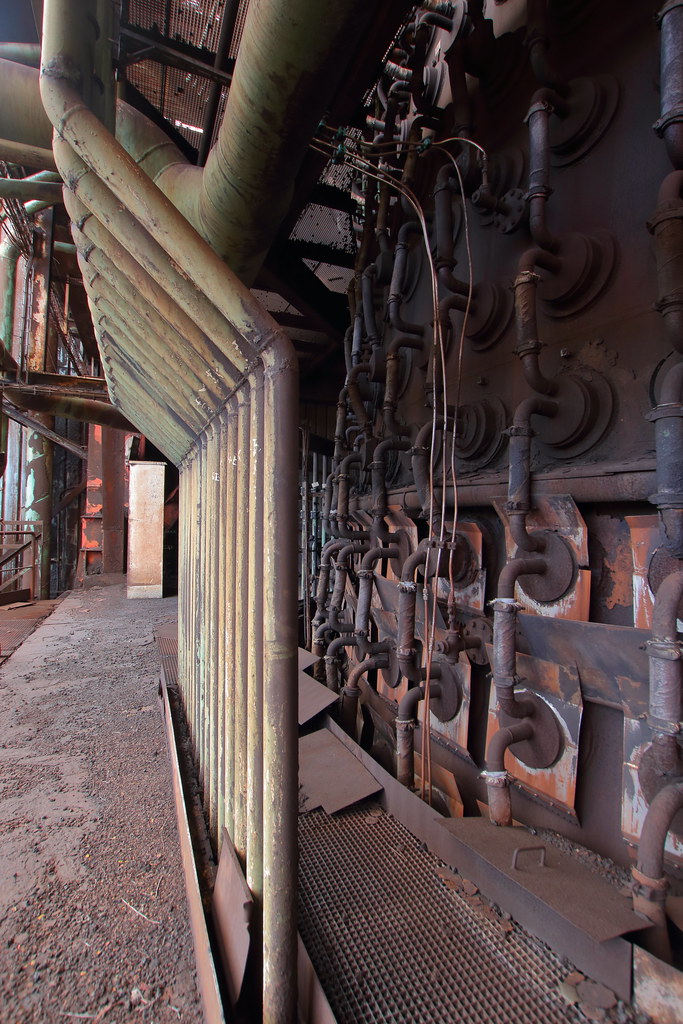
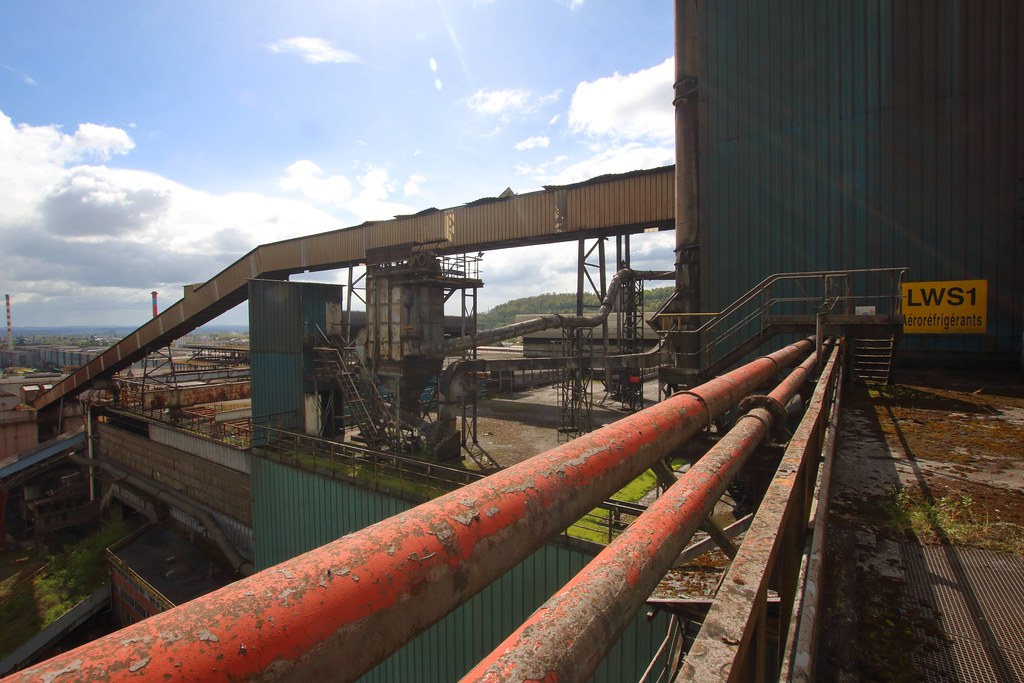
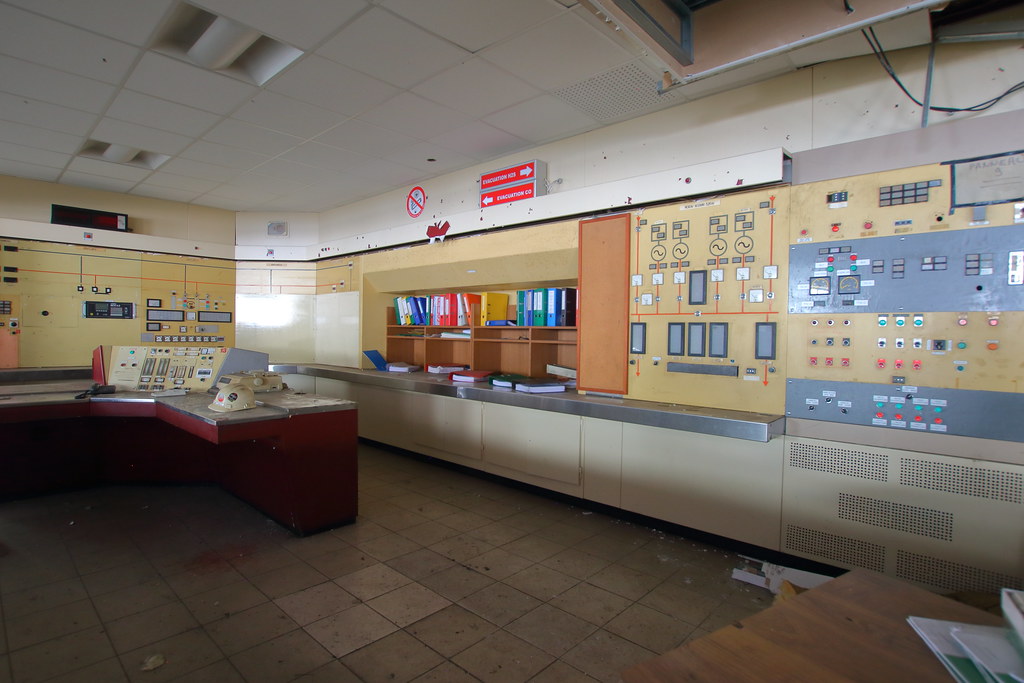
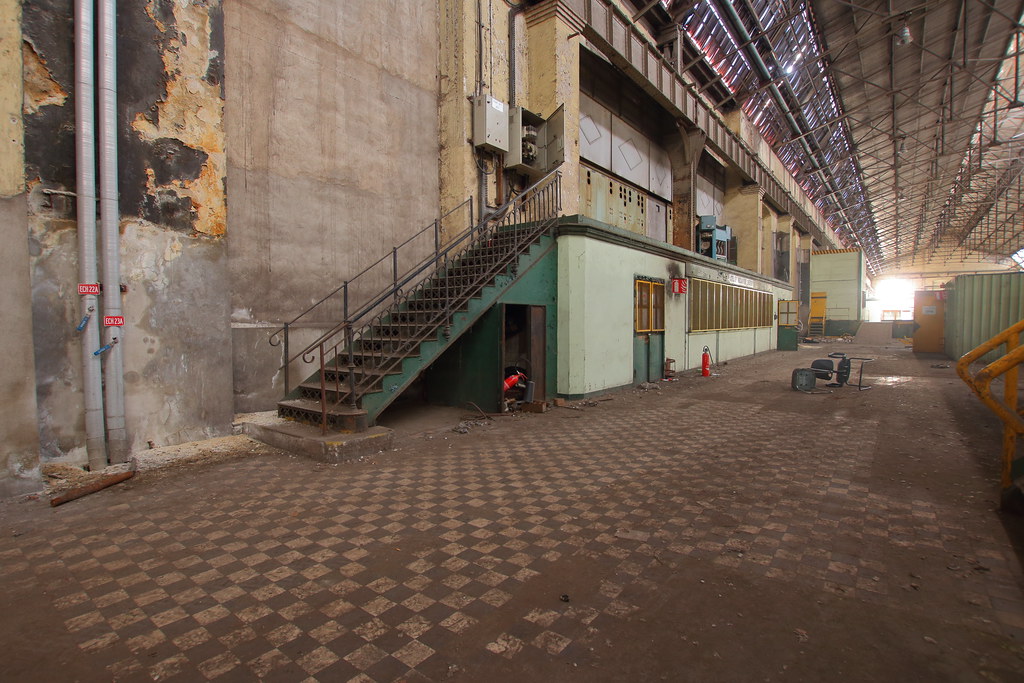
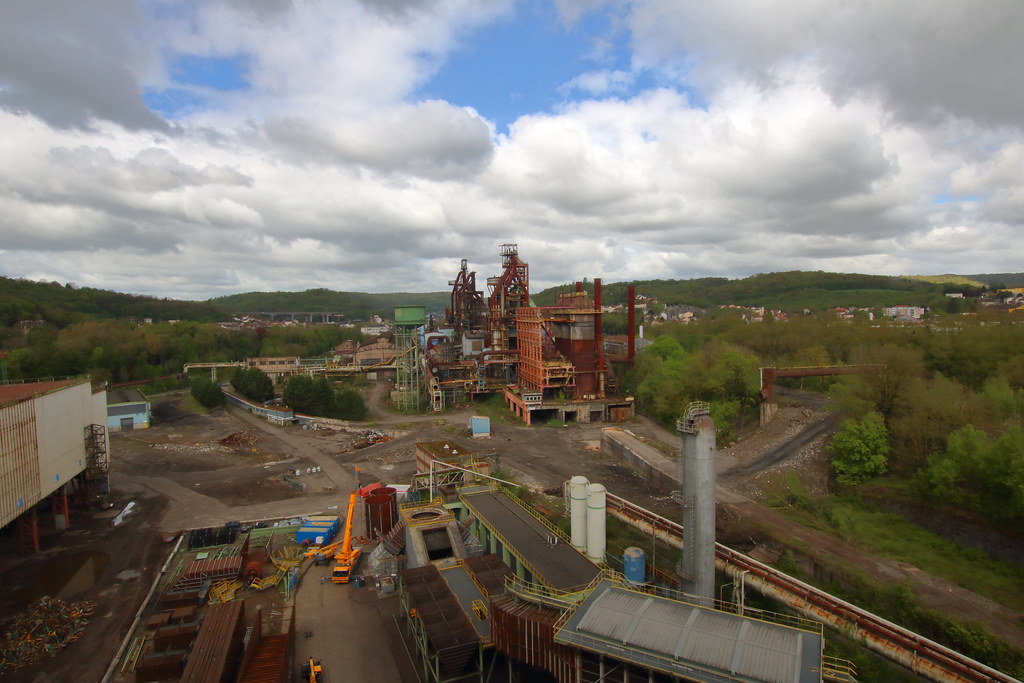
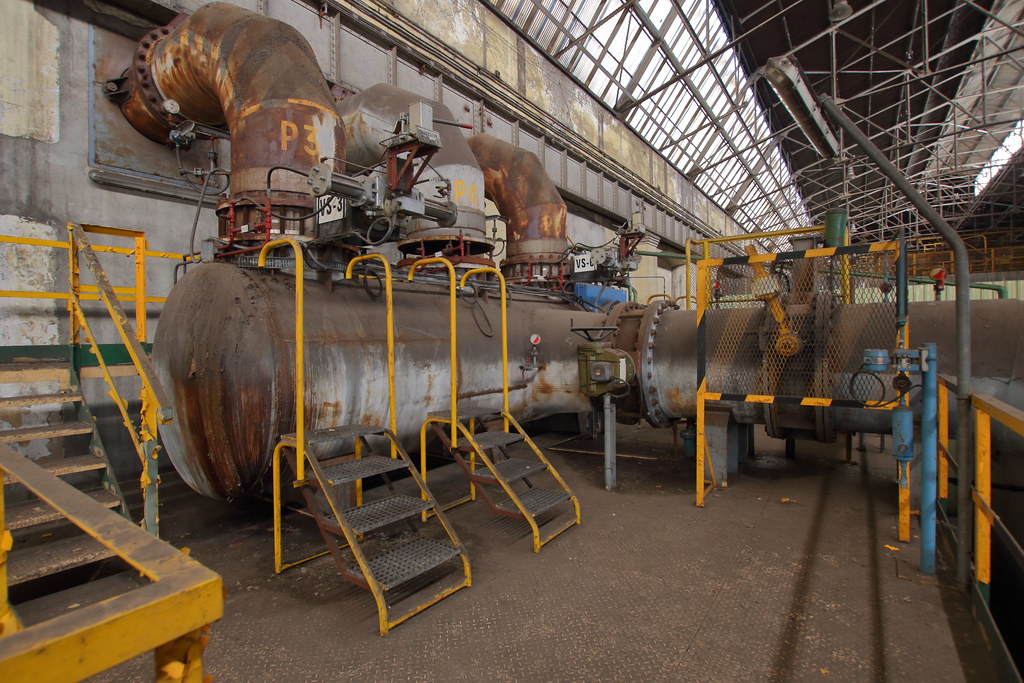
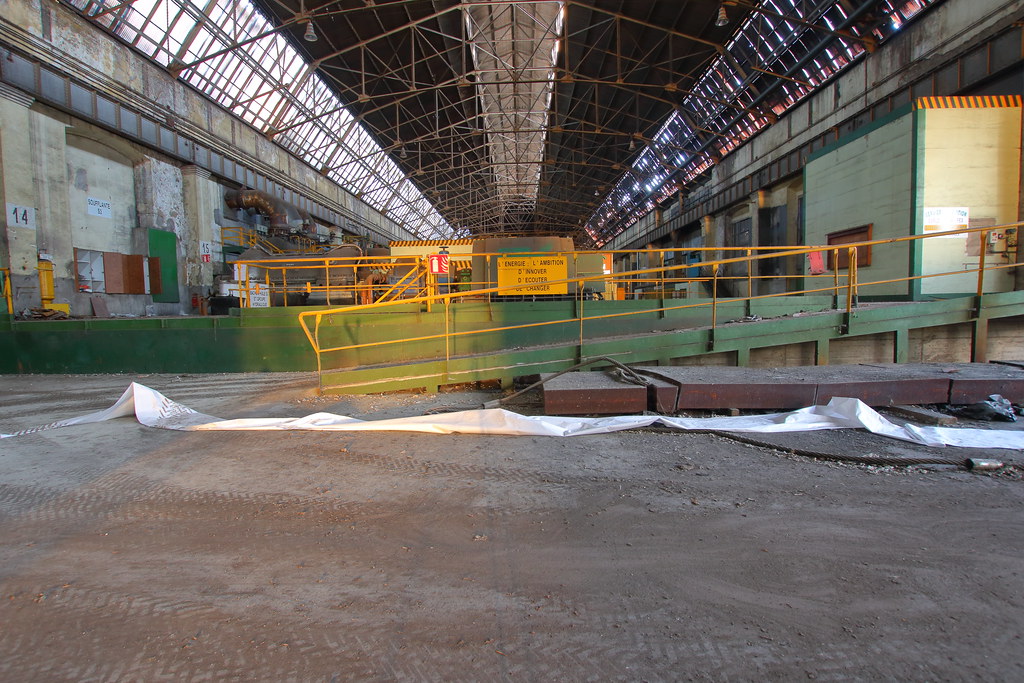
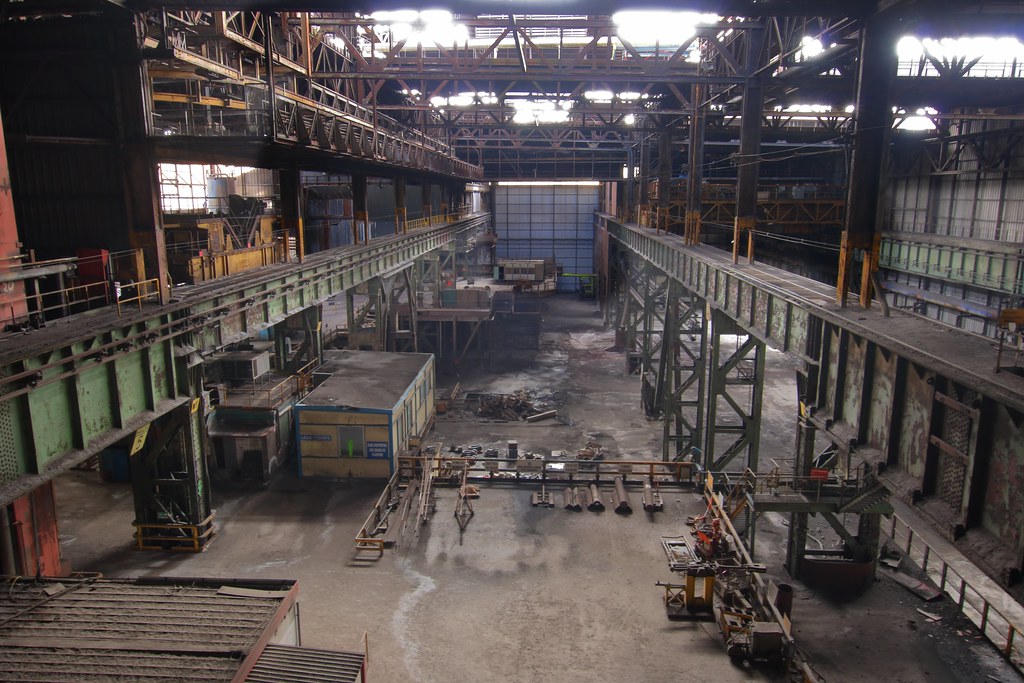
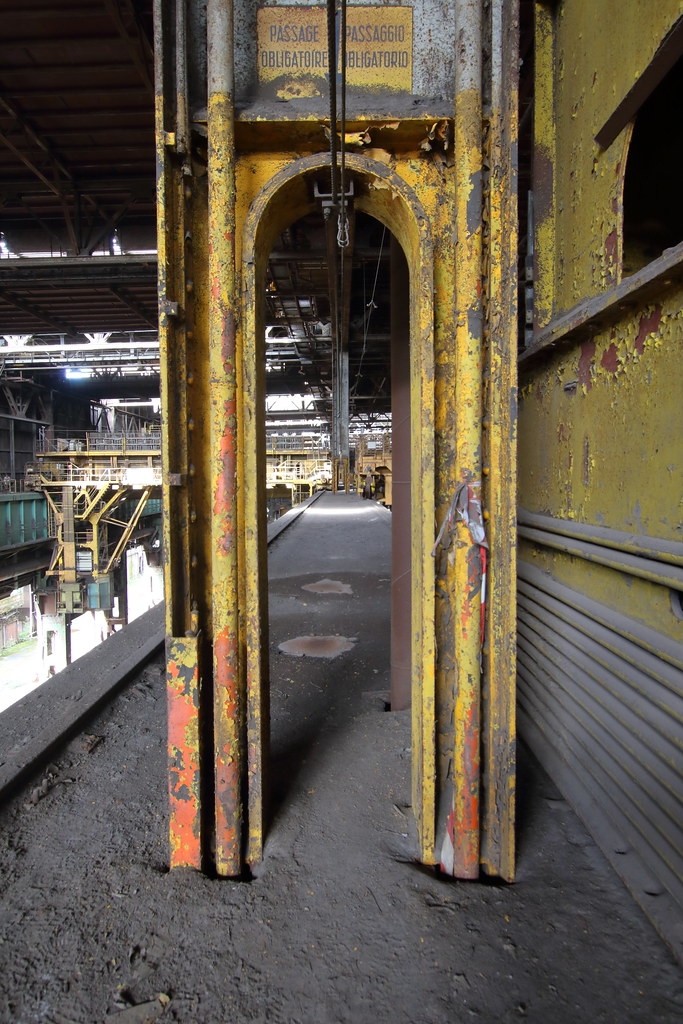
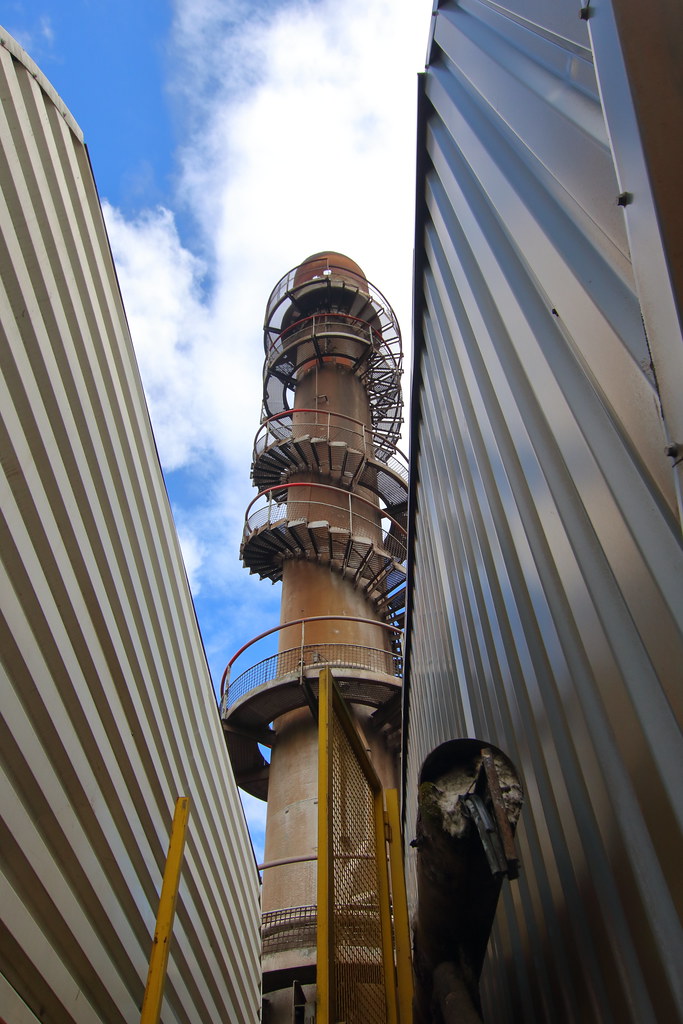
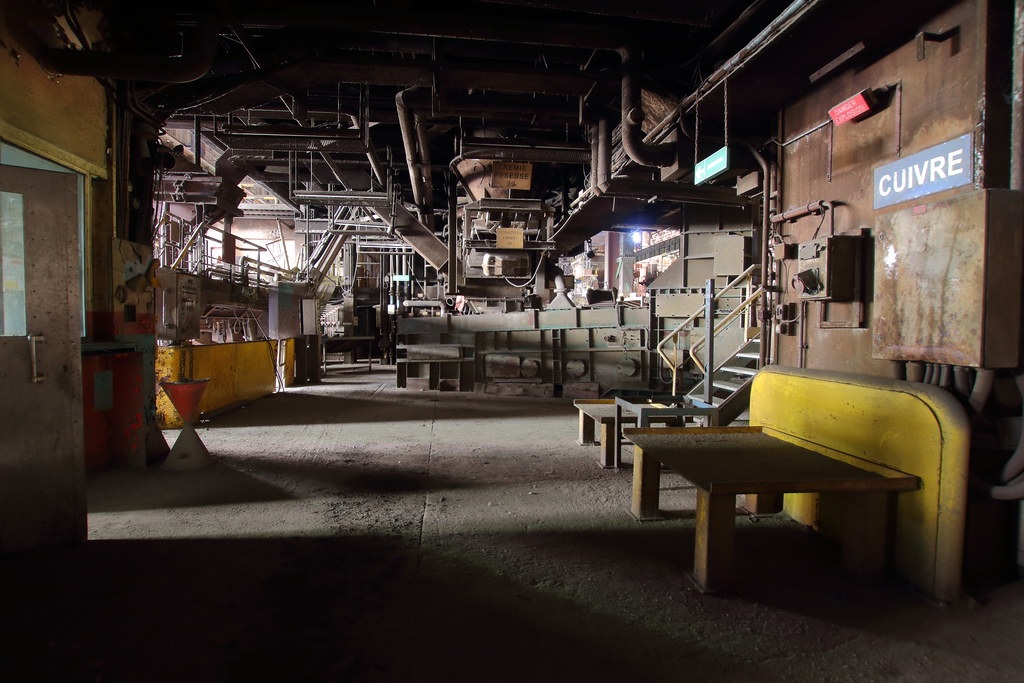
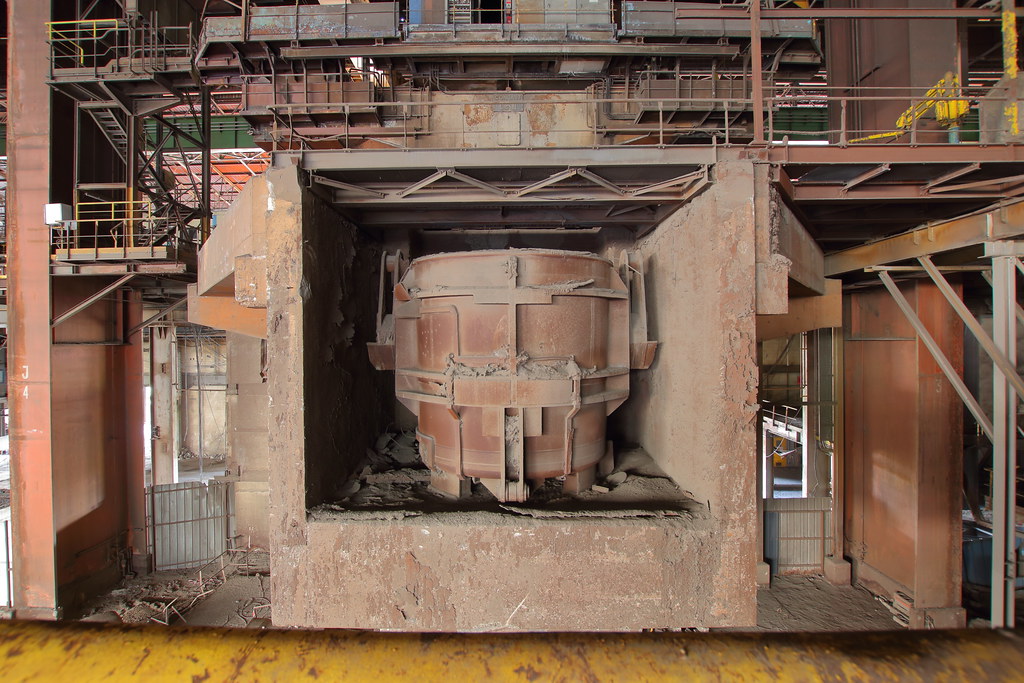
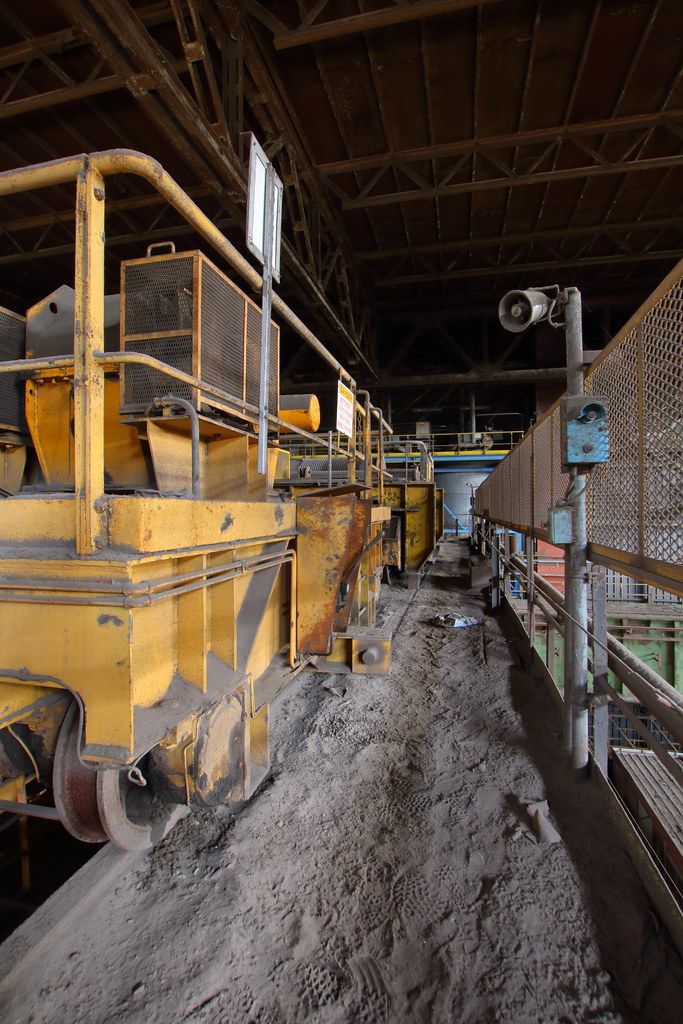
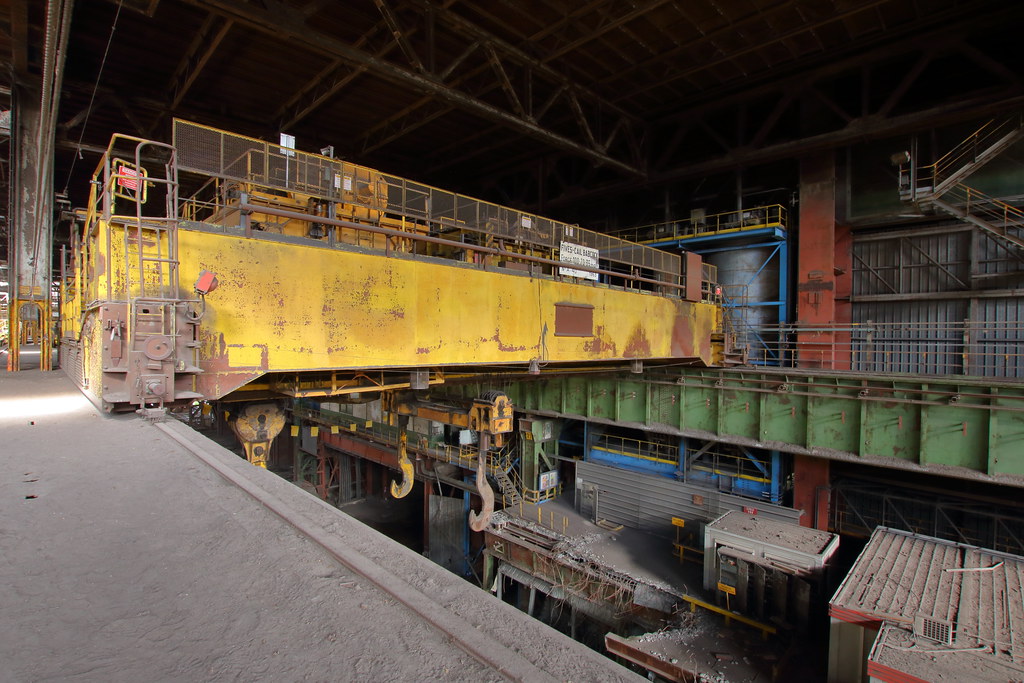
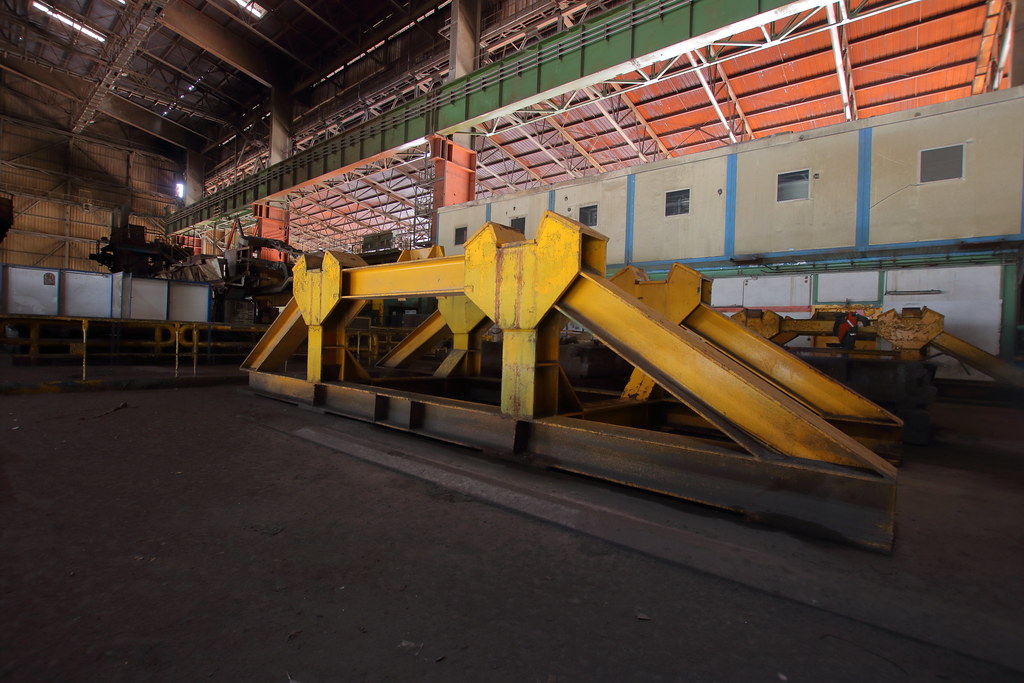
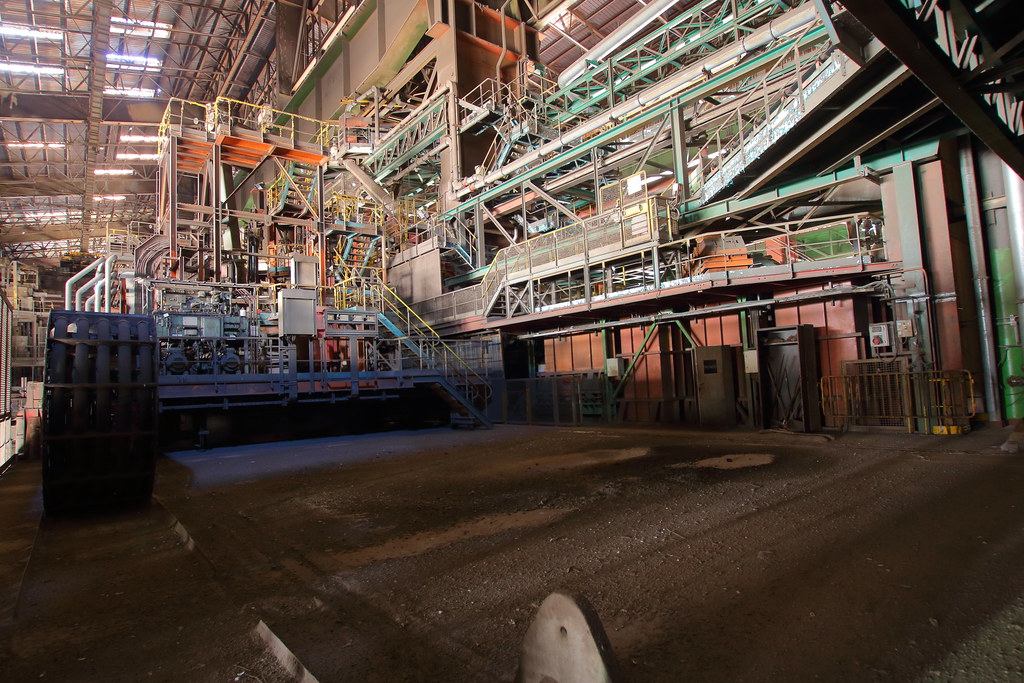
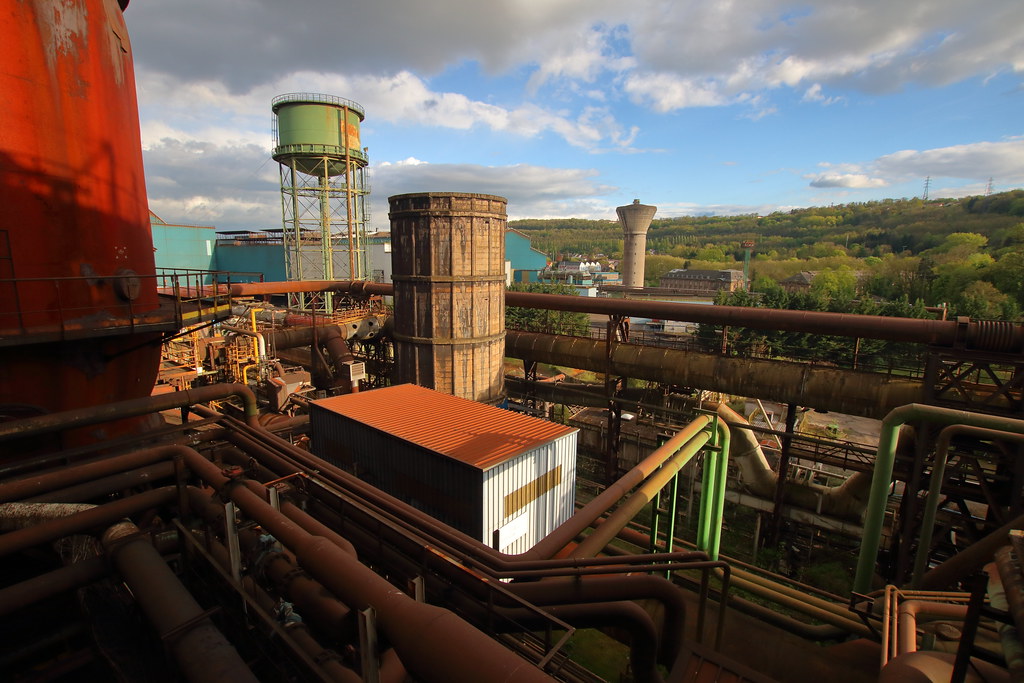
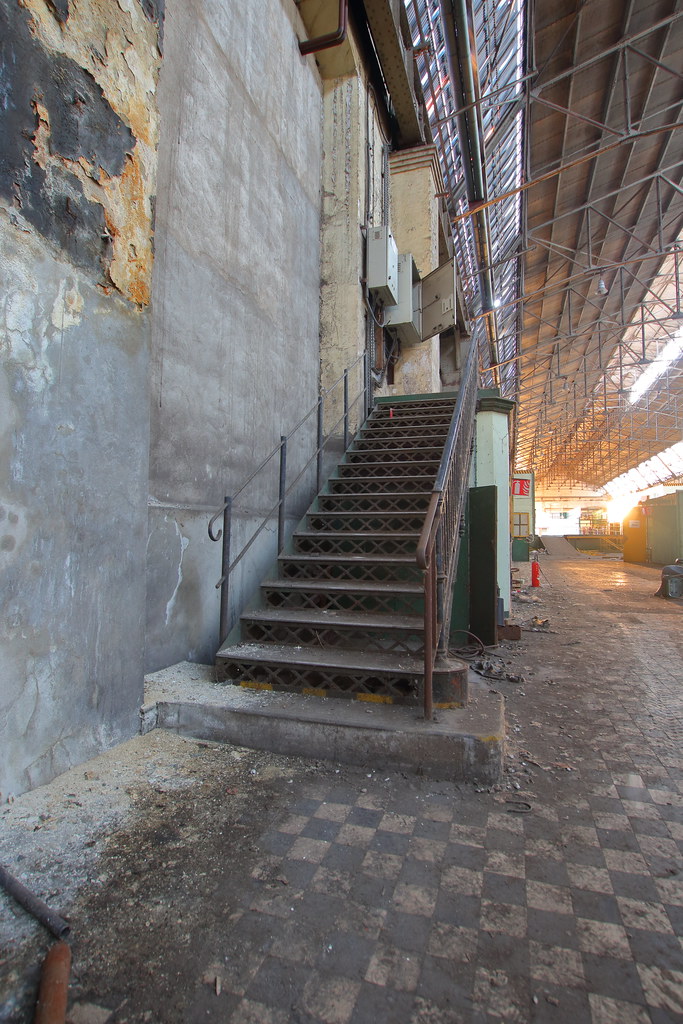
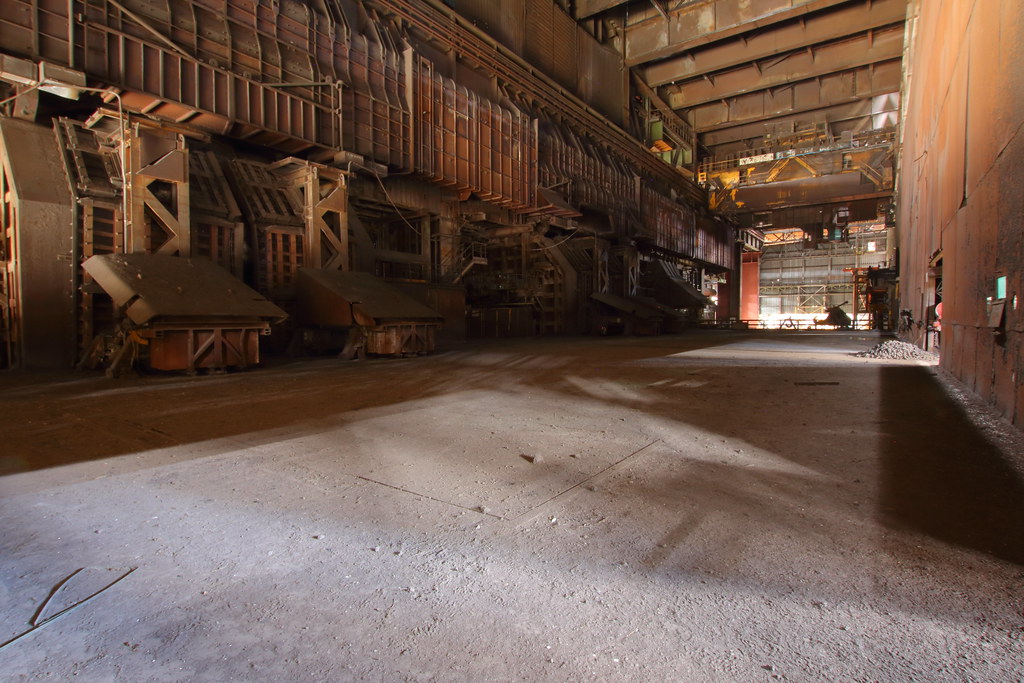
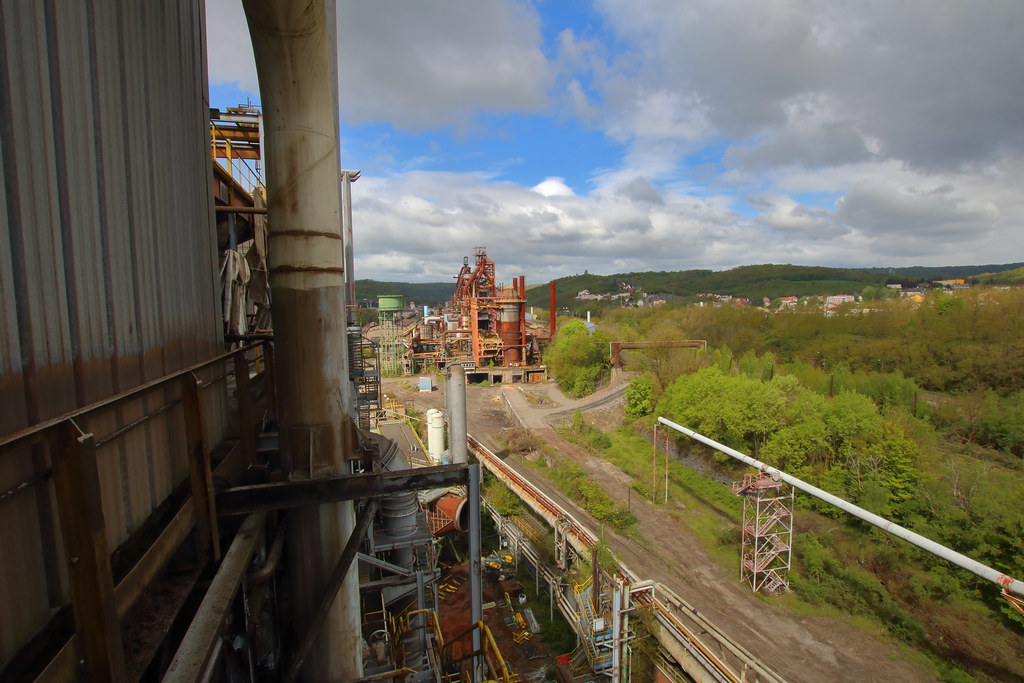
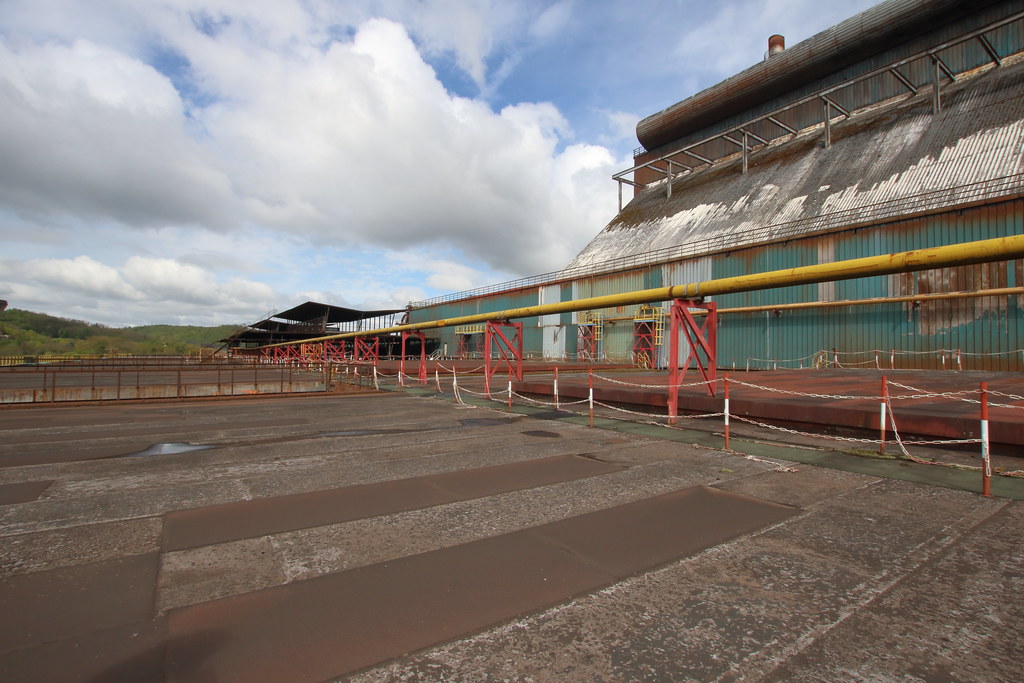
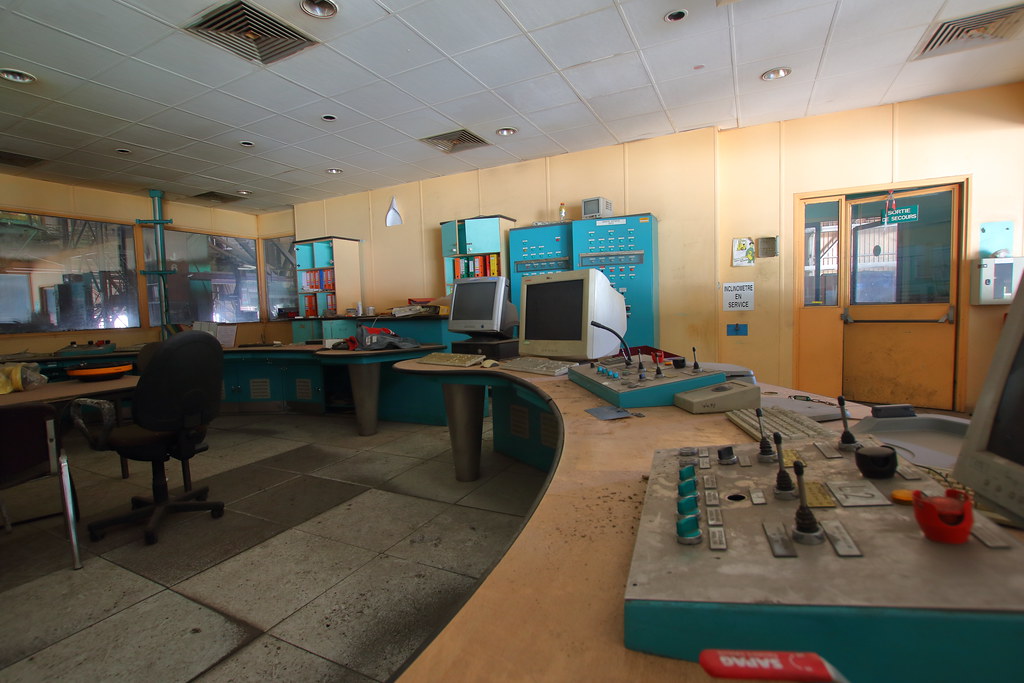
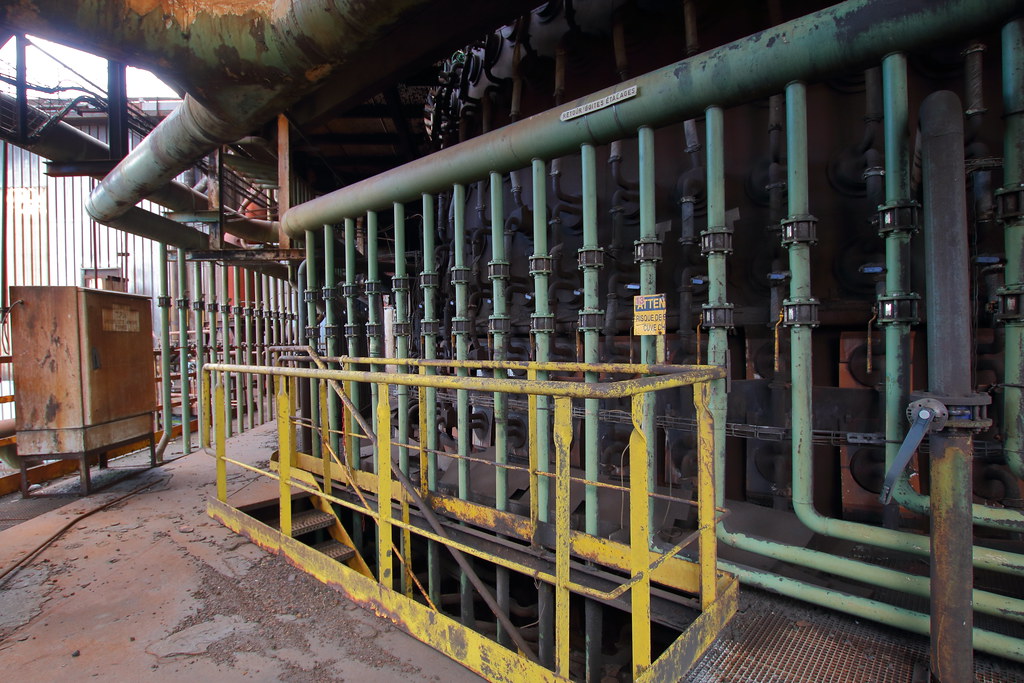
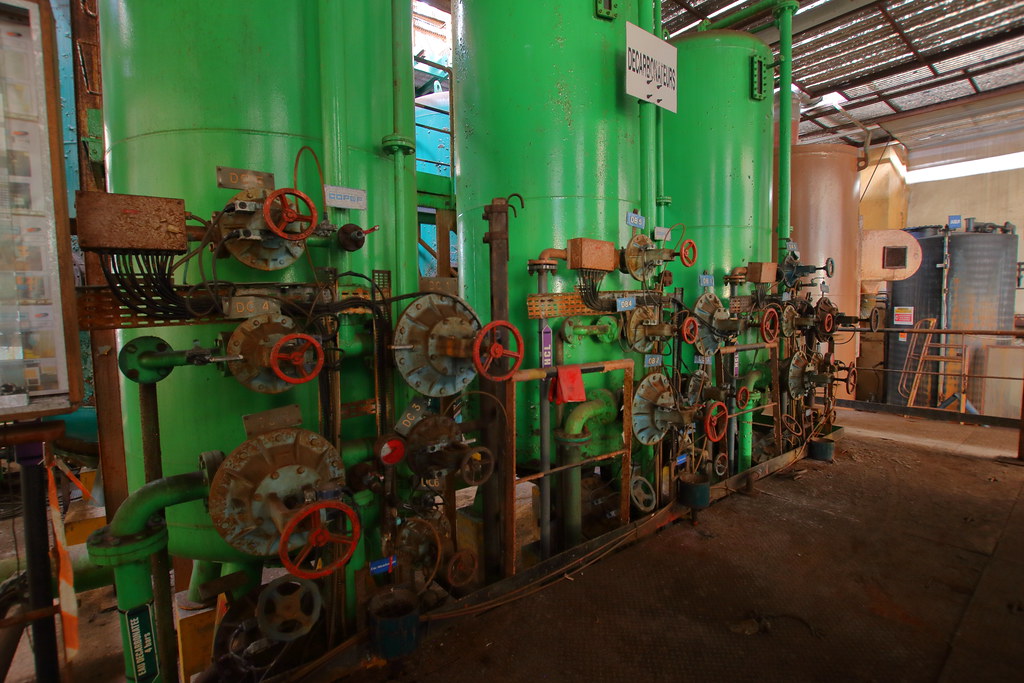
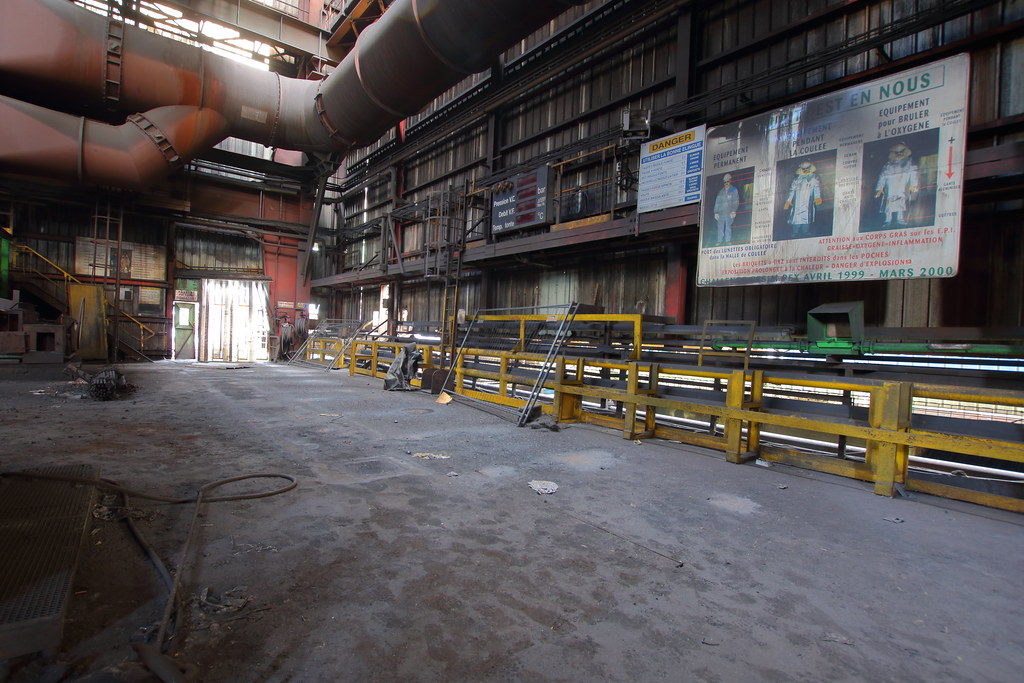
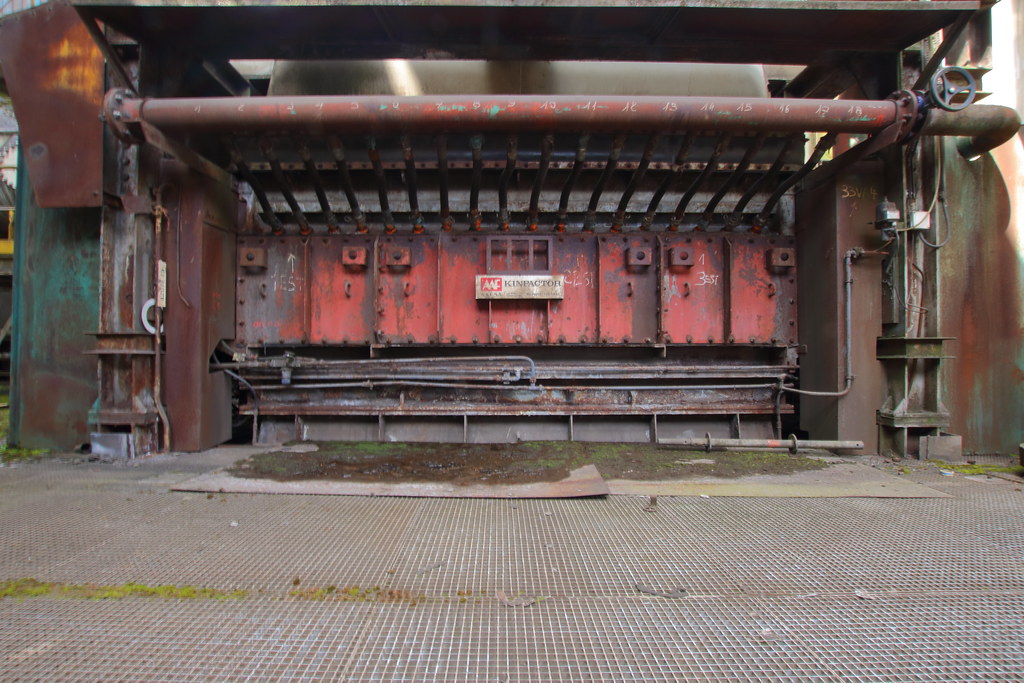
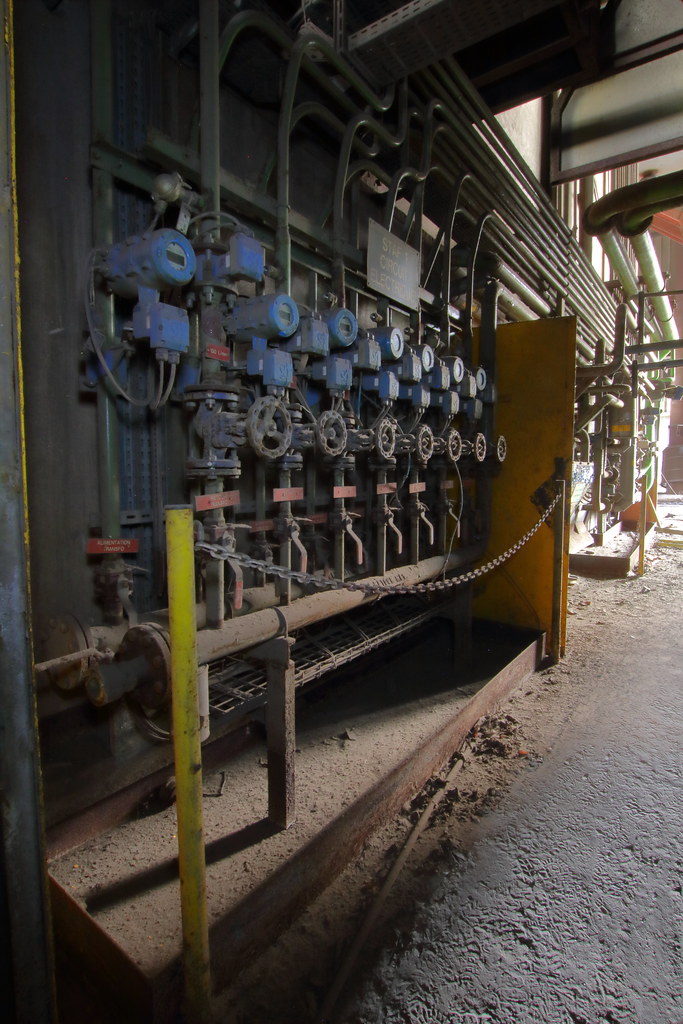
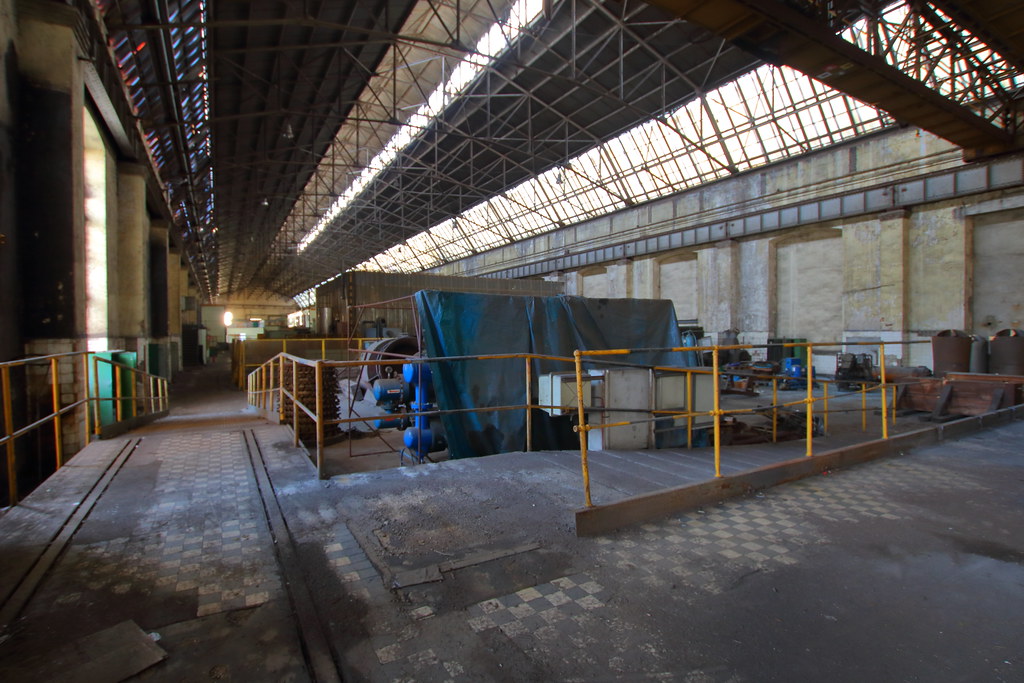
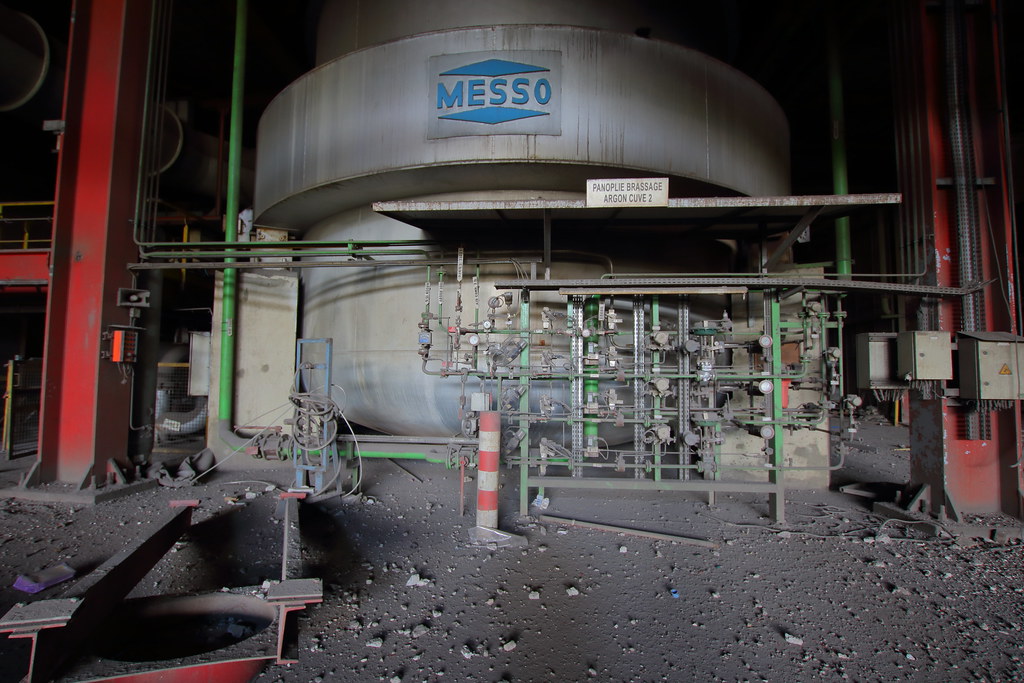
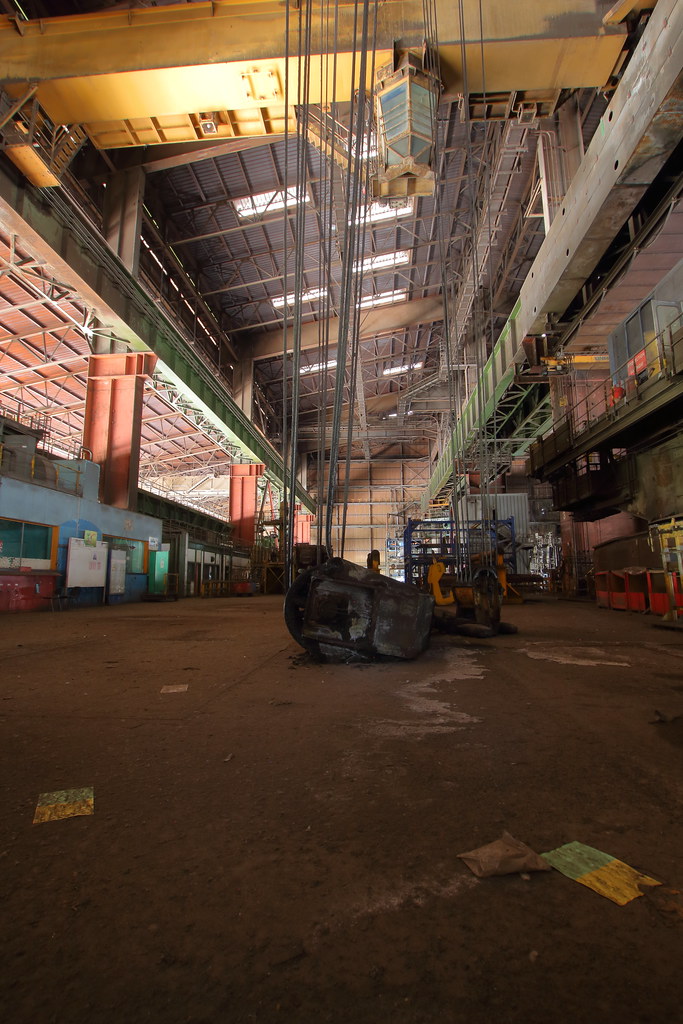
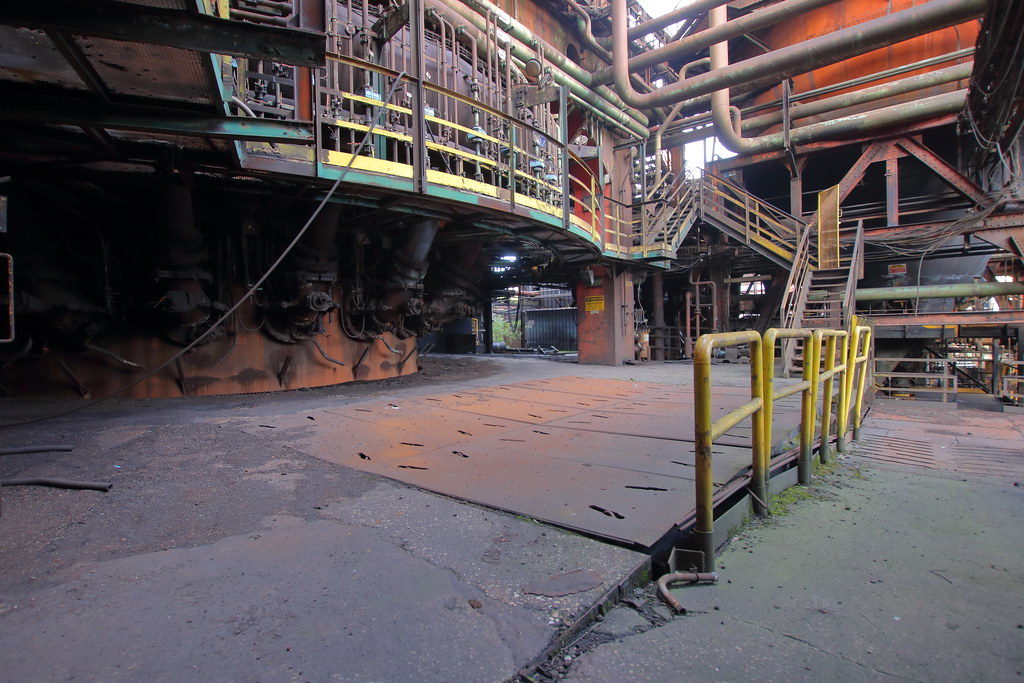
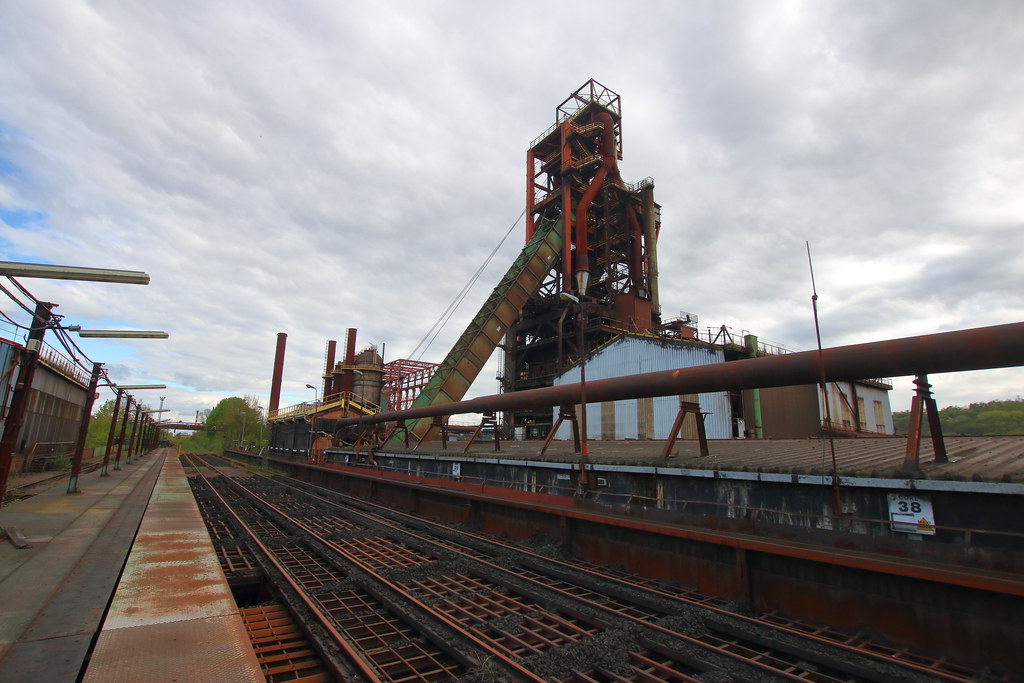
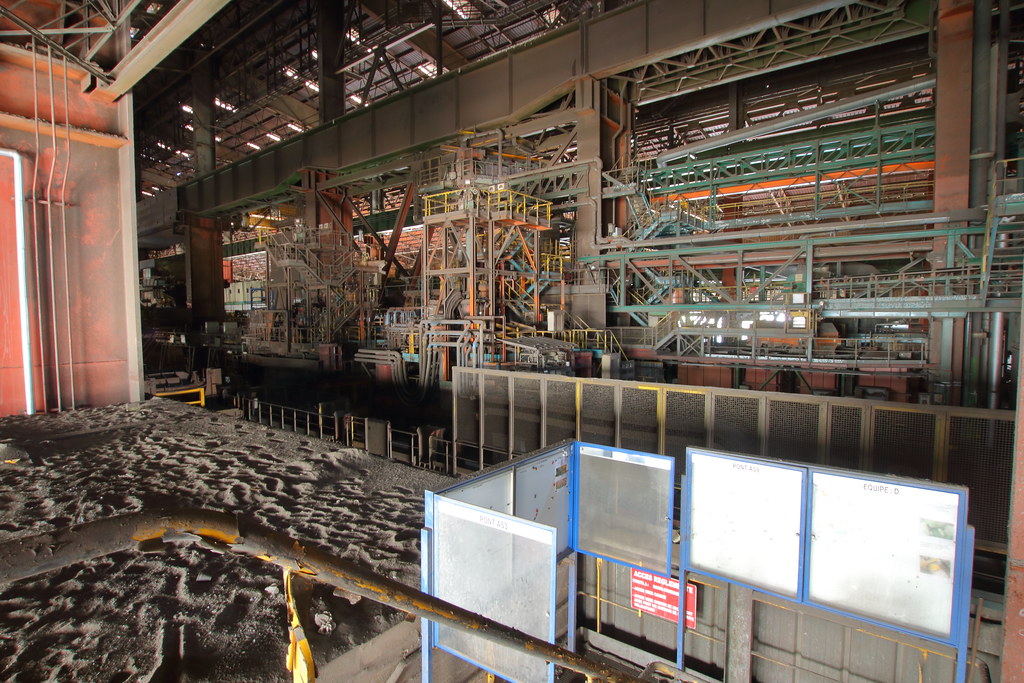
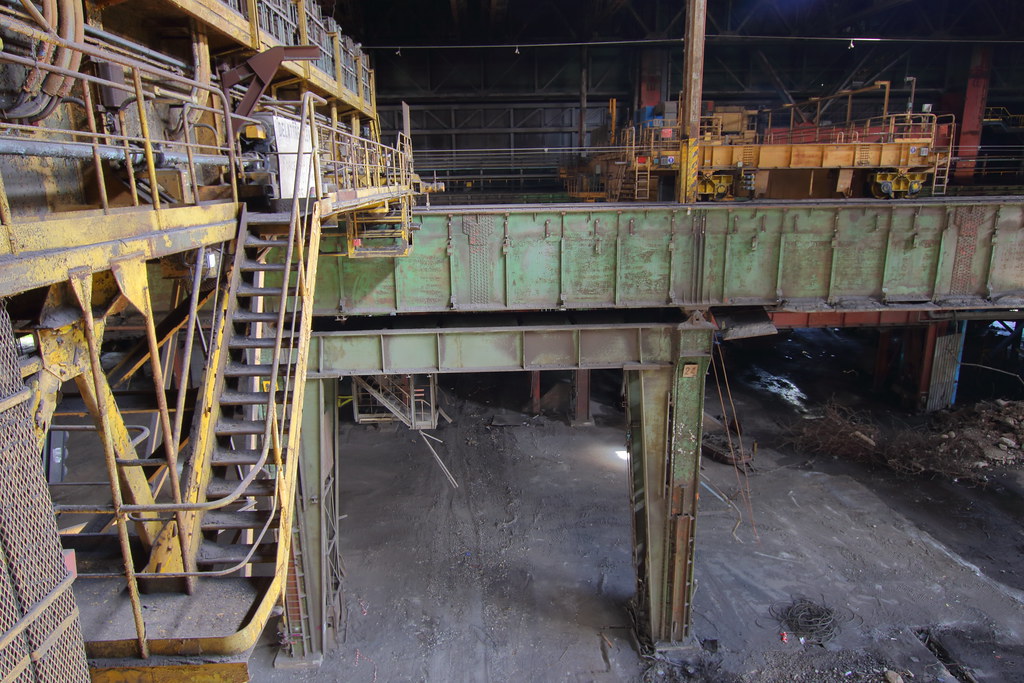
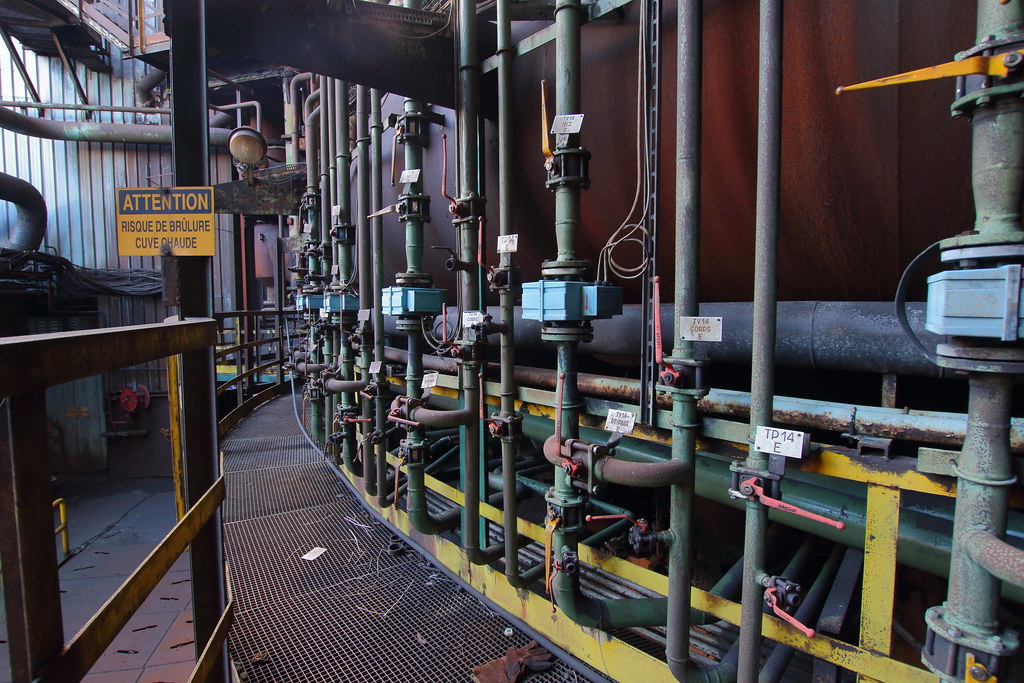
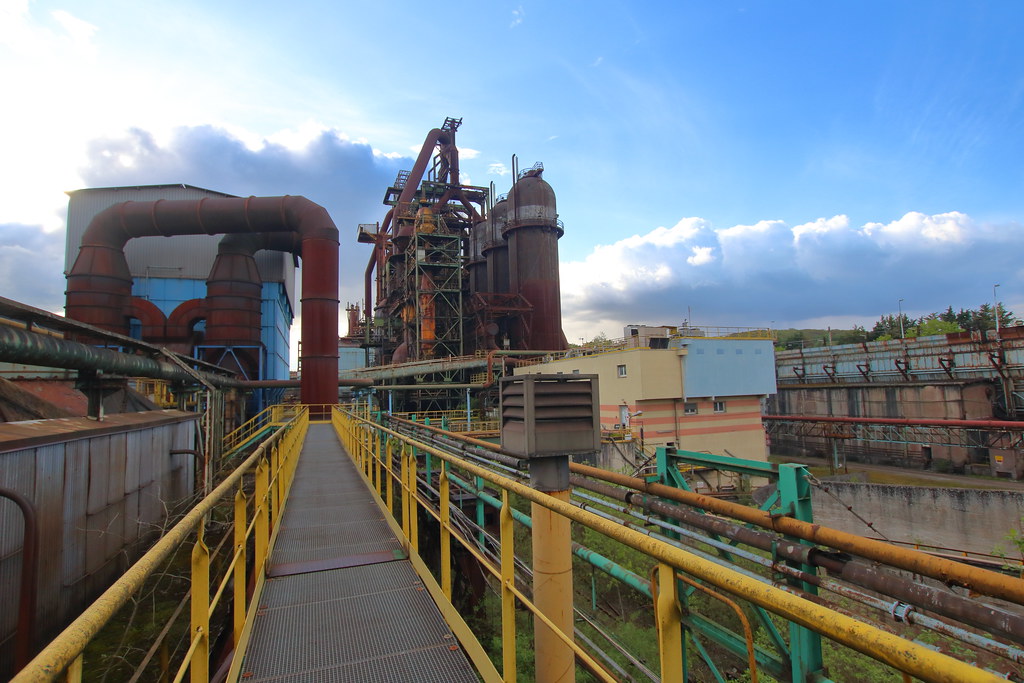
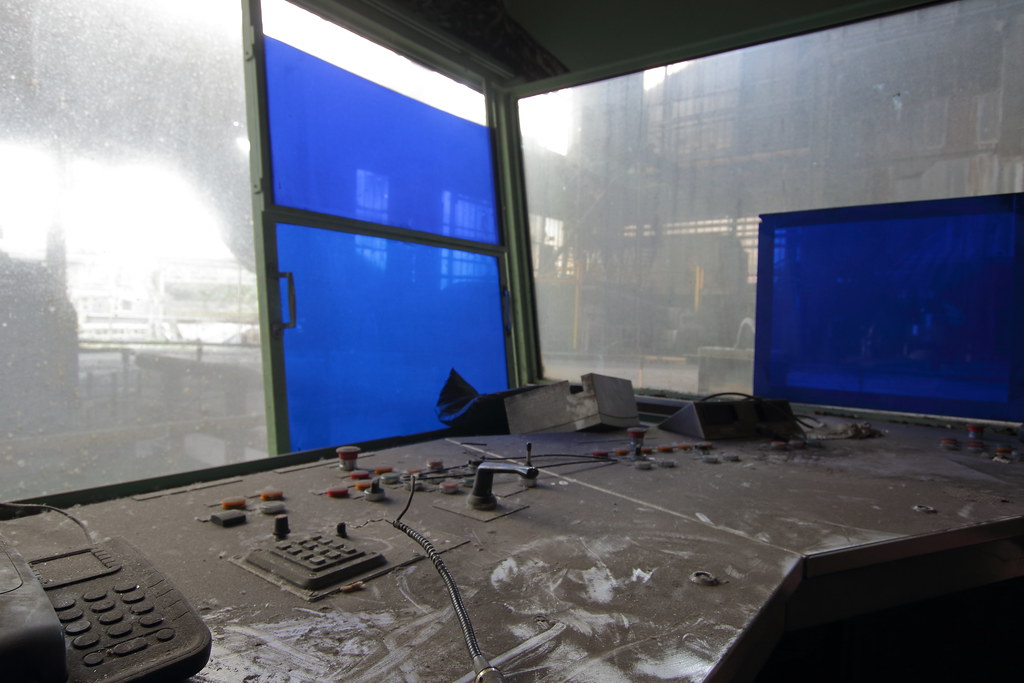
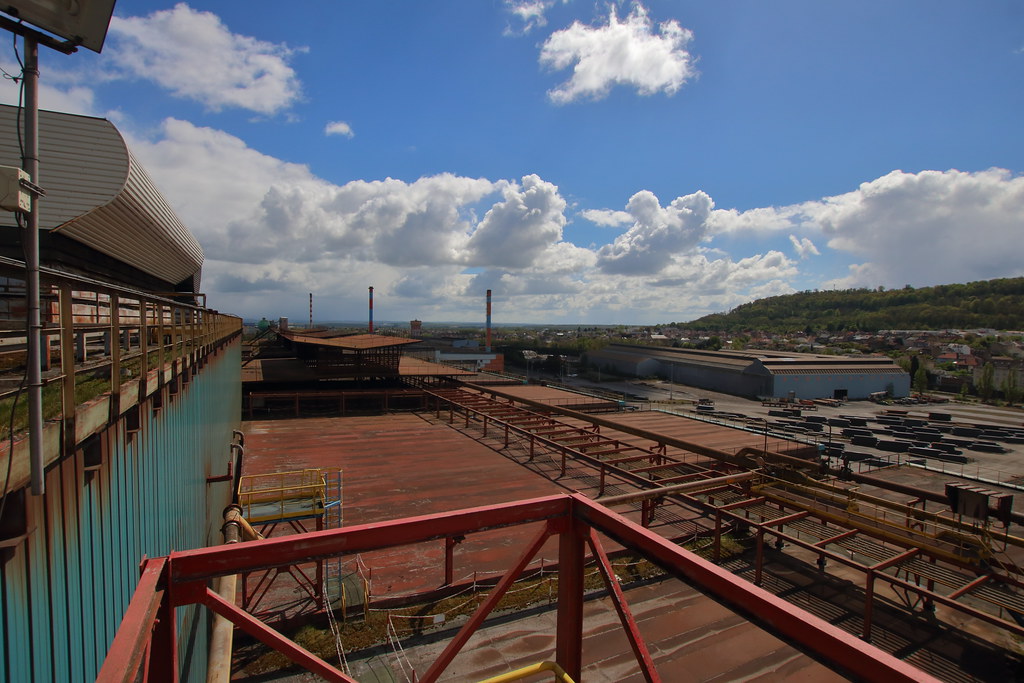
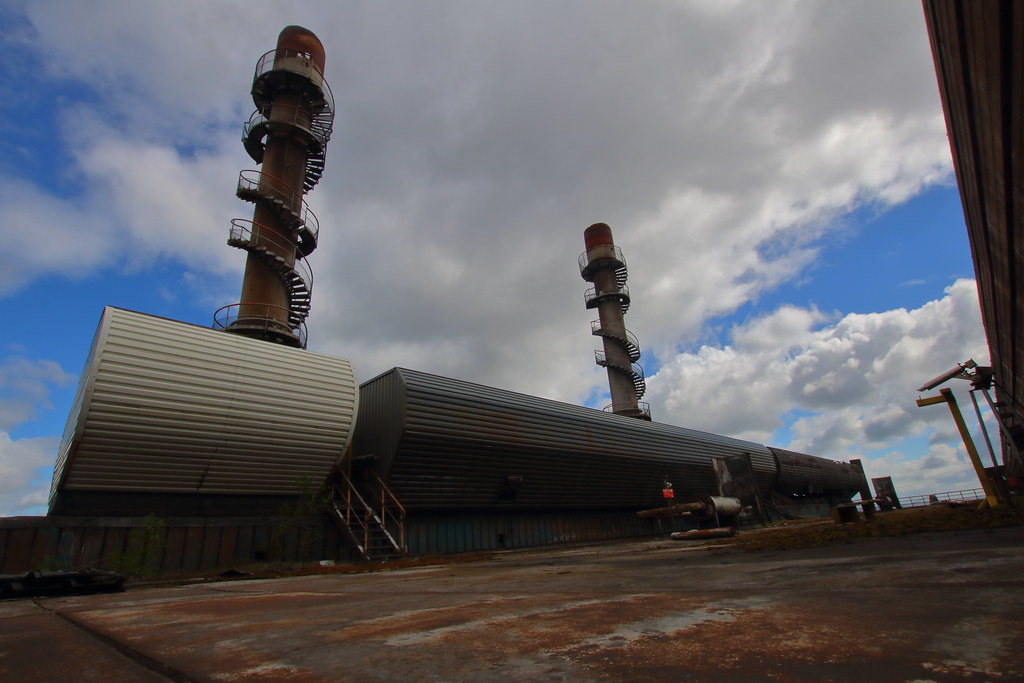
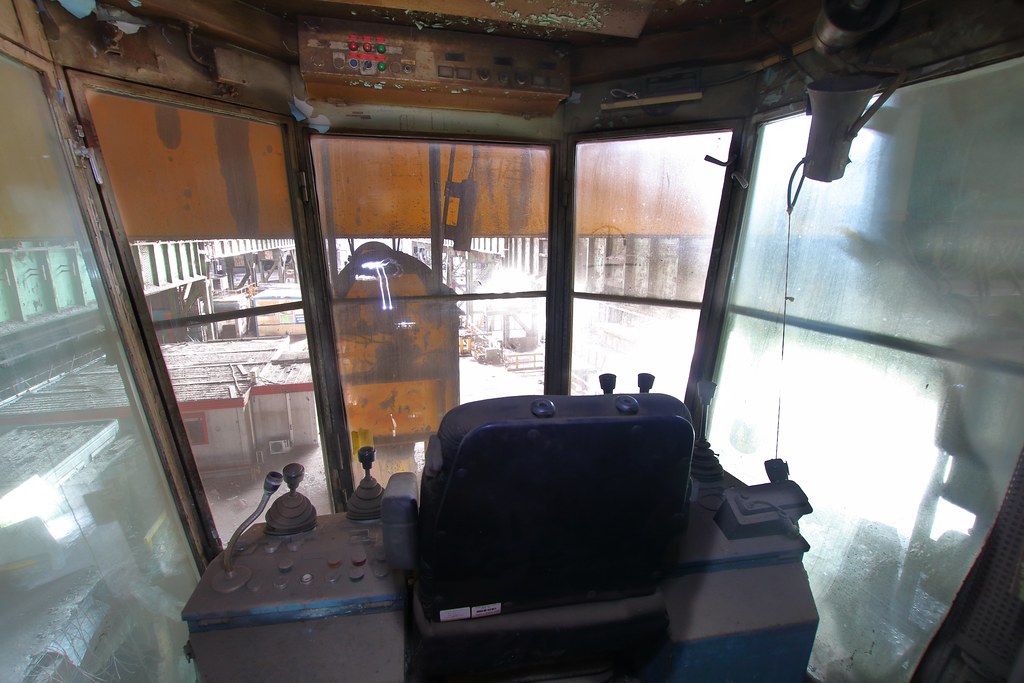
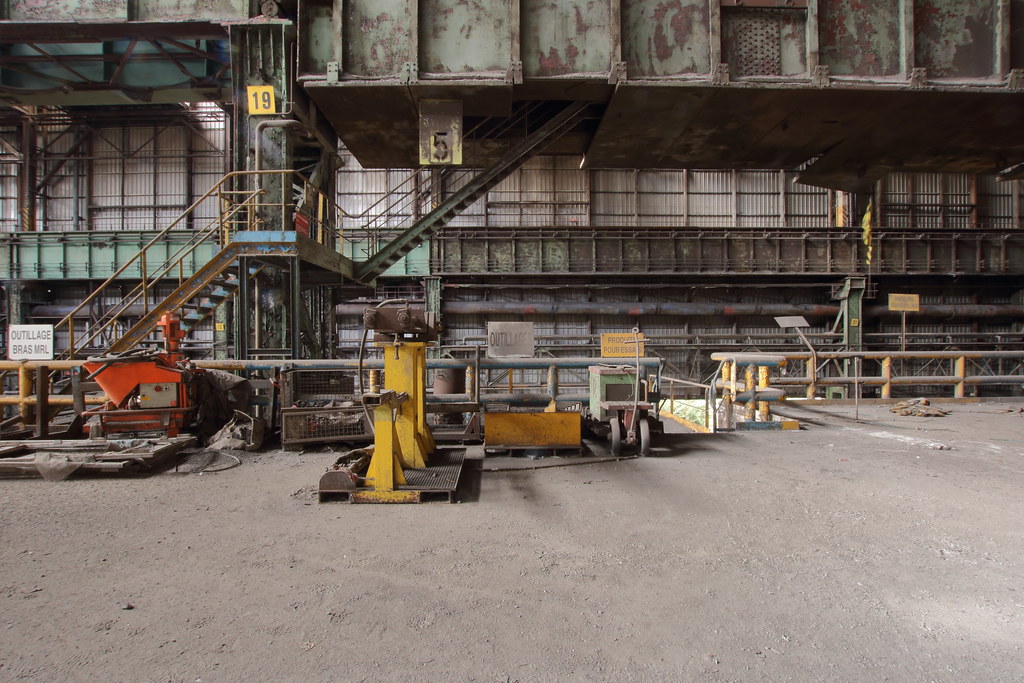
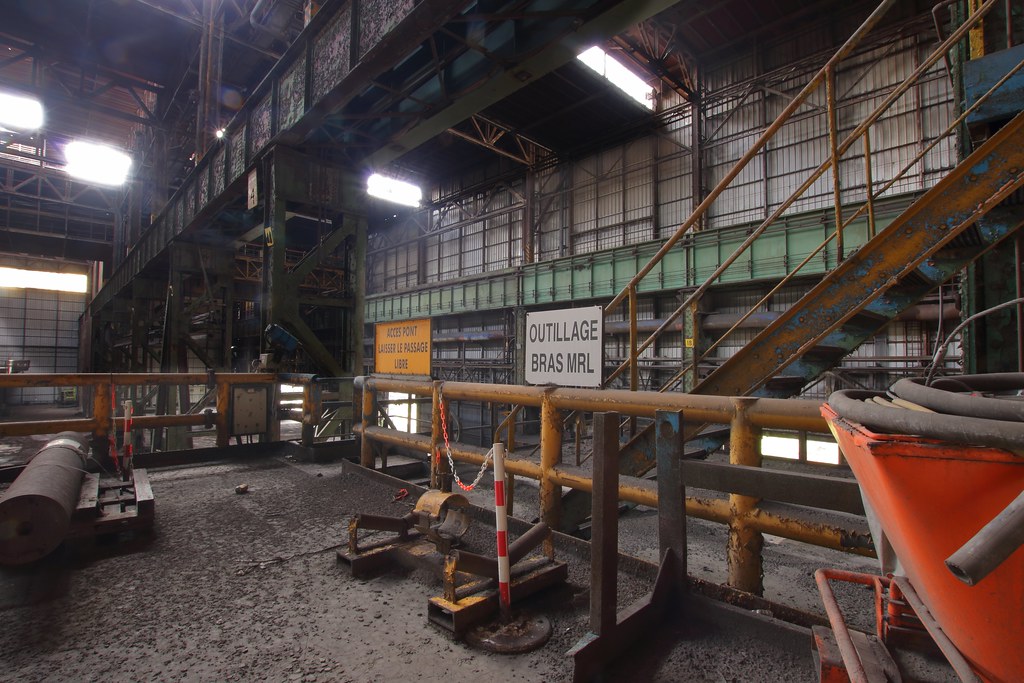
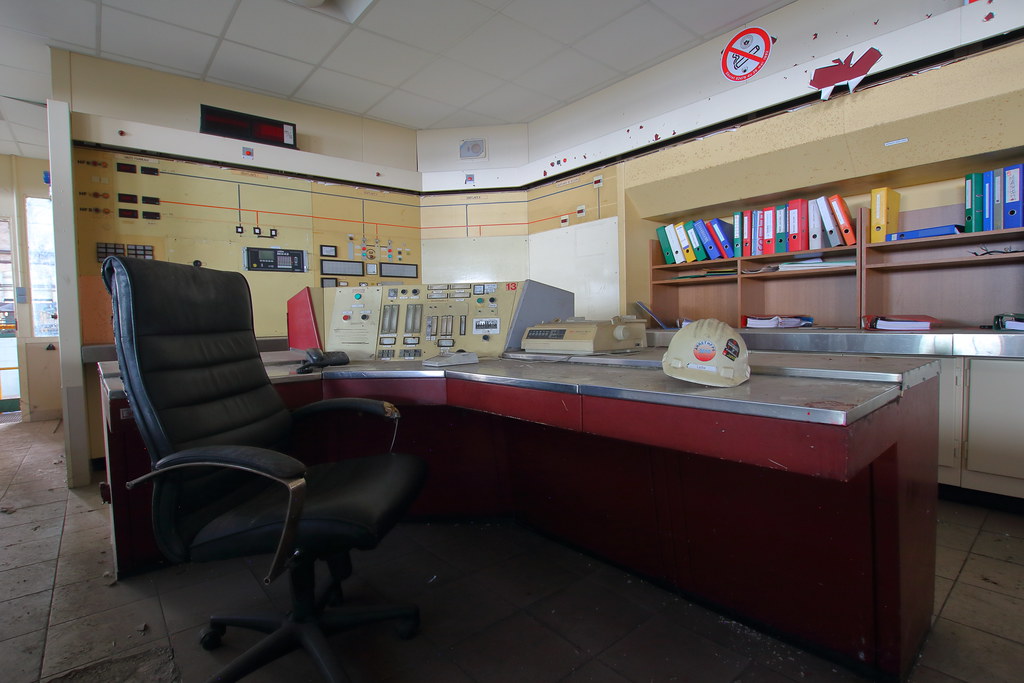
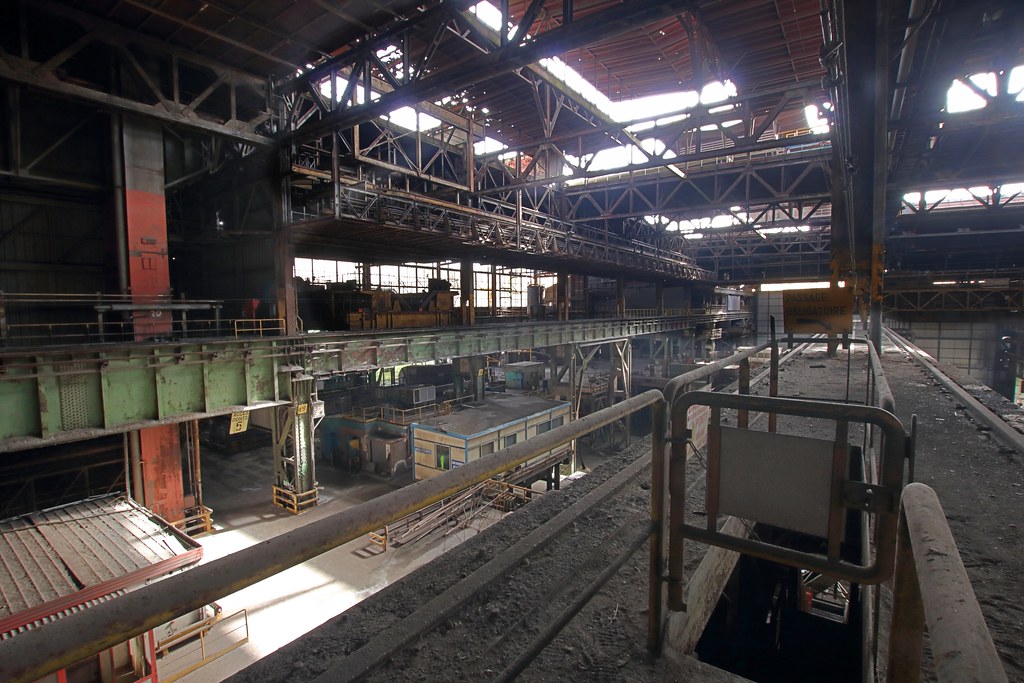
In 2012, heightened European overcapacity and declining demand forced ArcelorMittal to shut down the blast furnaces—ending the site’s hot‑metal phase. A fierce standoff erupted: unions clashed with government figures like Arnaud Montebourg and François Hollande, who threatened nationalisation to preserve the site. The resolution: the furnaces were mothballed rather than dismantled, and no employees were laid off; about 629 workers were retrained, redeployed, or retired through a €180 million investment pledge.
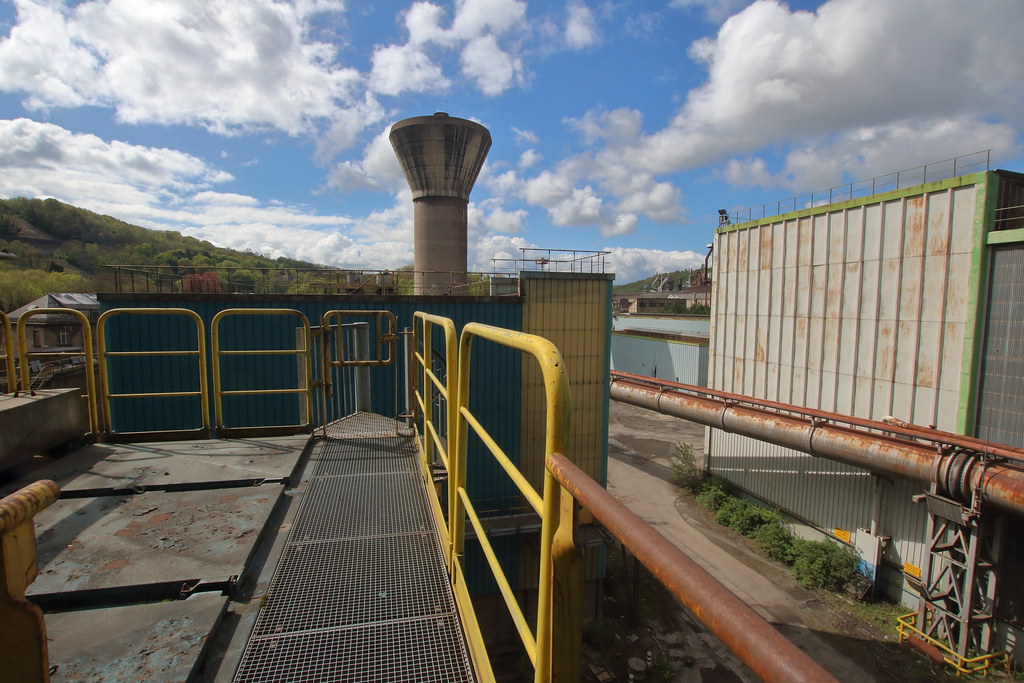
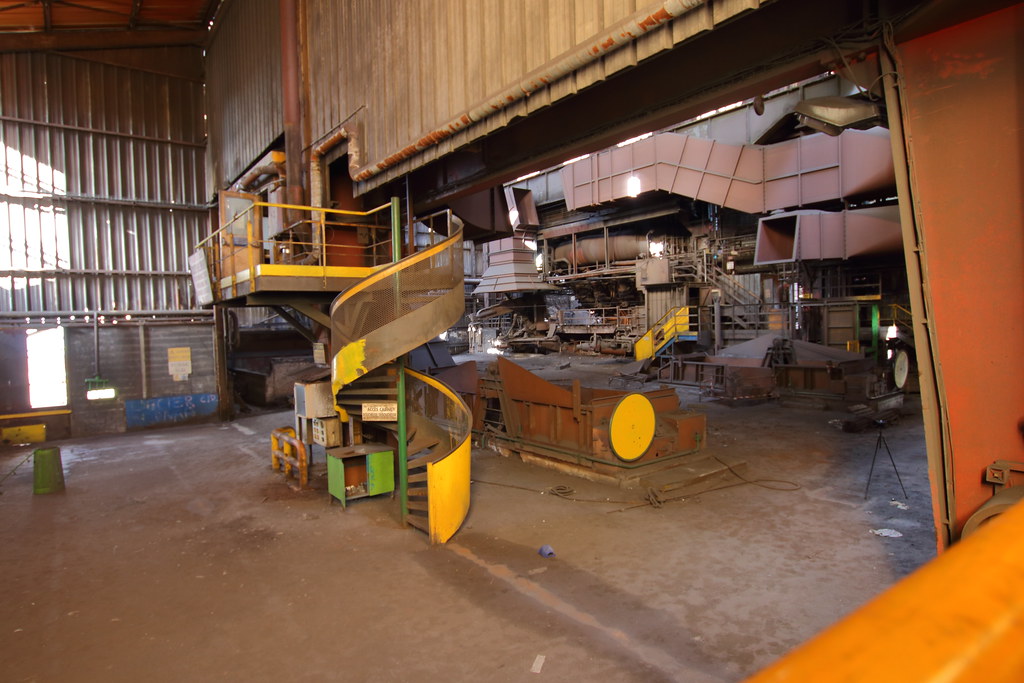
Despite this, in December 2018 ArcelorMittal declared that the blast furnaces would never restart, opting to dismantle them entirely and dedicate the facility solely to high-quality steel finishing.
Reinvention: Precision Steel and Galvanising
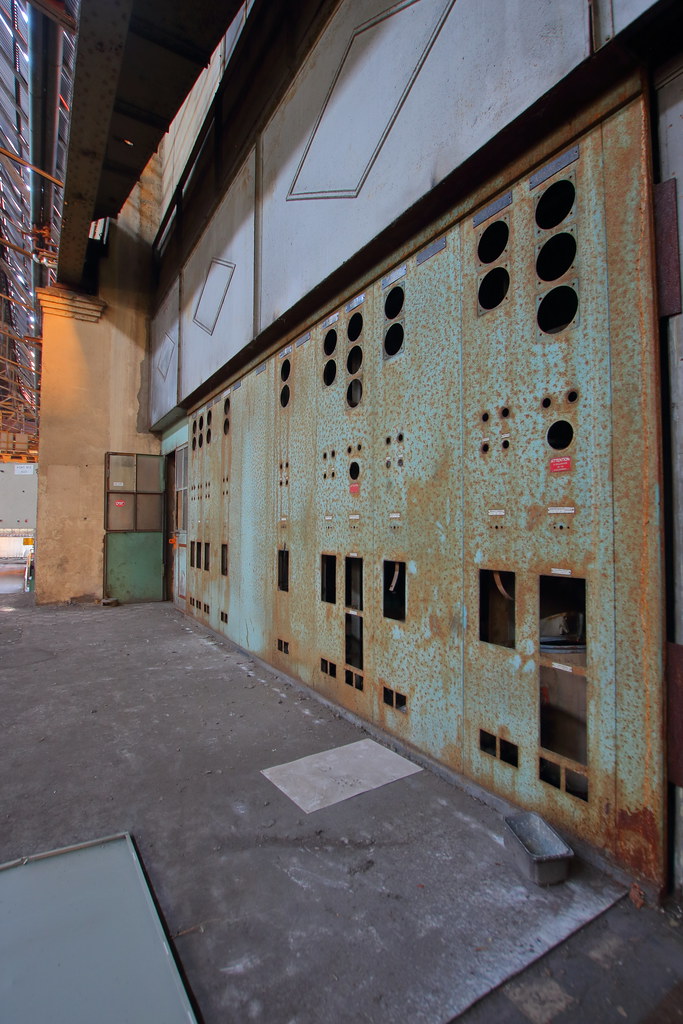
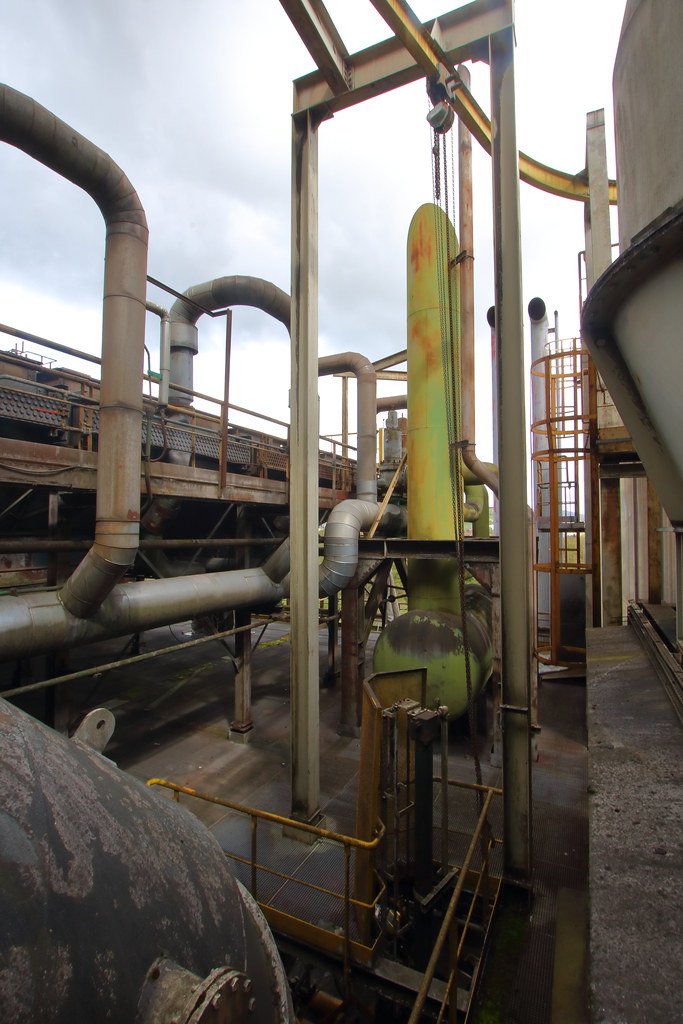
Florange pivoted to become a centre of excellence for advanced automotive steels. Between 2017 and 2019, ArcelorMittal invested €67–96 million to install a new line capable of producing extra-wide, high‑strength steels like Usibor® 2000 and Ductibor®, meeting growing demand for lightweight, safe automotive materials.
As of December 2018, Florange produced approximately 2.6 million tonnes of steel annually, with 70% destined for export. It employed about 2,300 people, with continued investments in galvanising expansion—for example, a €22 million enhancement to the second automotive galvanising line.
A Symbol Reborn: The Olympic Torch
In 2024, Florange reemerged in the global spotlight by producing the Olympic torch for Paris 2024. The site provided steel that was hot‑rolled, cold‑rolled, and formed into thin sheets—reflecting both technological finesse and national pride. This project involved around 8,000 development hours and showcased the plant’s role as a high‑tech hub.
Embracing Green Steel: Hydrogen and Decarbonisation
Aligning with Europe’s decarbonisation agenda, Florange is moving towards cleaner energy. From 2026, a hydrogen electrolyser built by Westfalen will begin supplying the site with low-carbon hydrogen—phasing out dependence on natural‑gas-derived hydrogen.
Meanwhile, ArcelorMittal is reviewing whether to retain or close the associated coking plant, which supplies other sites like Dunkerque, depending on shifting needs and carbon targets. Efforts to introduce carbon capture facilities at Dunkerque might reduce the need for Florange’s coke output.
Legacy, Community, and Economic Impact
Florange’s story encapsulates deindustrialisation pains and industrial resilience.
The blast furnace closure triggered mass anxiety across the Lorraine region, symbolic of broader deindustrialisation.
Workers and local communities mobilised to protect the site—efforts that ultimately preserved the remaining industrial capacity and emphasised solidarity.
The modern facility, with its digital labs and innovation-led output, underscores a successful industrial transformation, rehabbing Florange as a competitive force in advanced metallurgy.
Challenges and Future Outlook
Florange’s resilience remains subject to industrial and environmental pressures:
Maintaining its status as a high-value finishing centre depends on continued innovation and alignment with automotive and packaging sectors.
Environmental transformation requires investment—hydrogen supply via electrolyser, carbon capture projects, and possibly phasing out outdated coke operations.
Preserving social capital and employing regional talent while navigating economic volatility remains paramount.
Conclusion
From its deep roots in the Fensch Valley’s early forges to becoming a symbol of both industrial decline and advanced reindustrialisation, Florange Steelworks tells a powerful story. Its phoenix‑like resurgence—from shutdown furnaces to Olympic torch manufacture and hydrogen-ready innovation—highlights both regional determination and industrial adaptability.
In a world moving toward cleaner, smarter steel, Florange stands as a testament to transformation—not simply surviving, but evolving into a high‑tech hub worthy of future ambition.