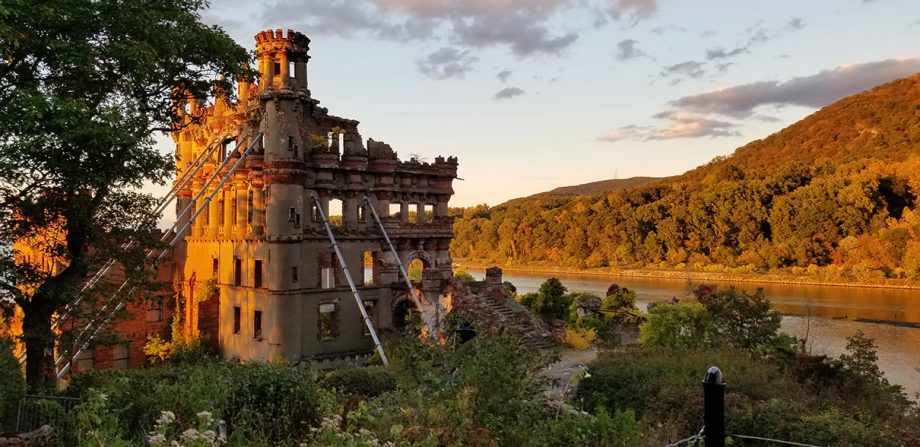
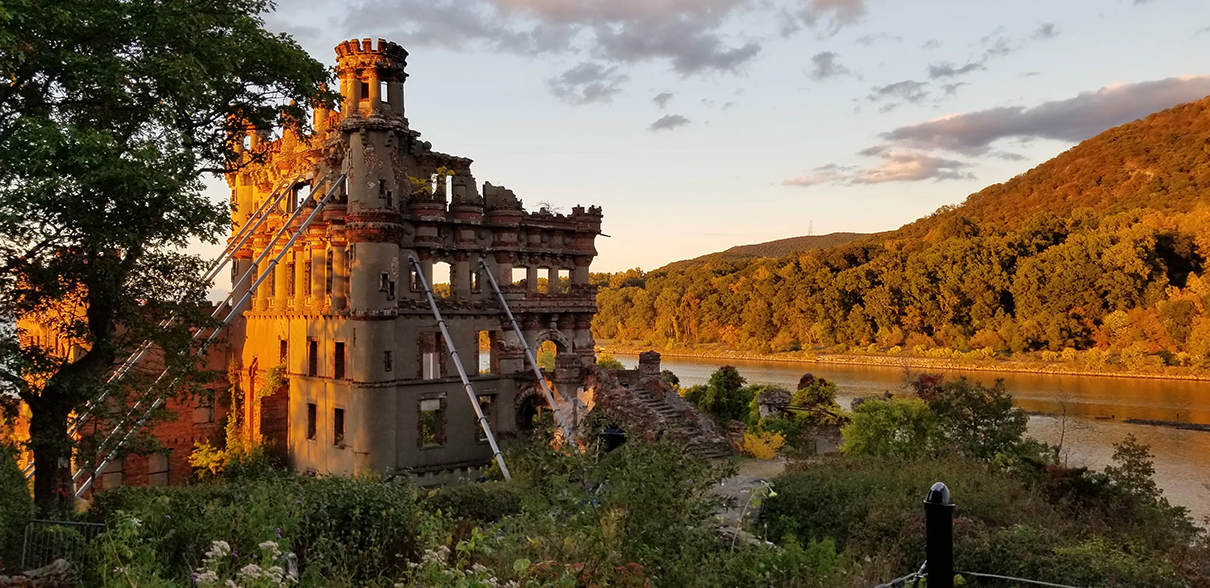
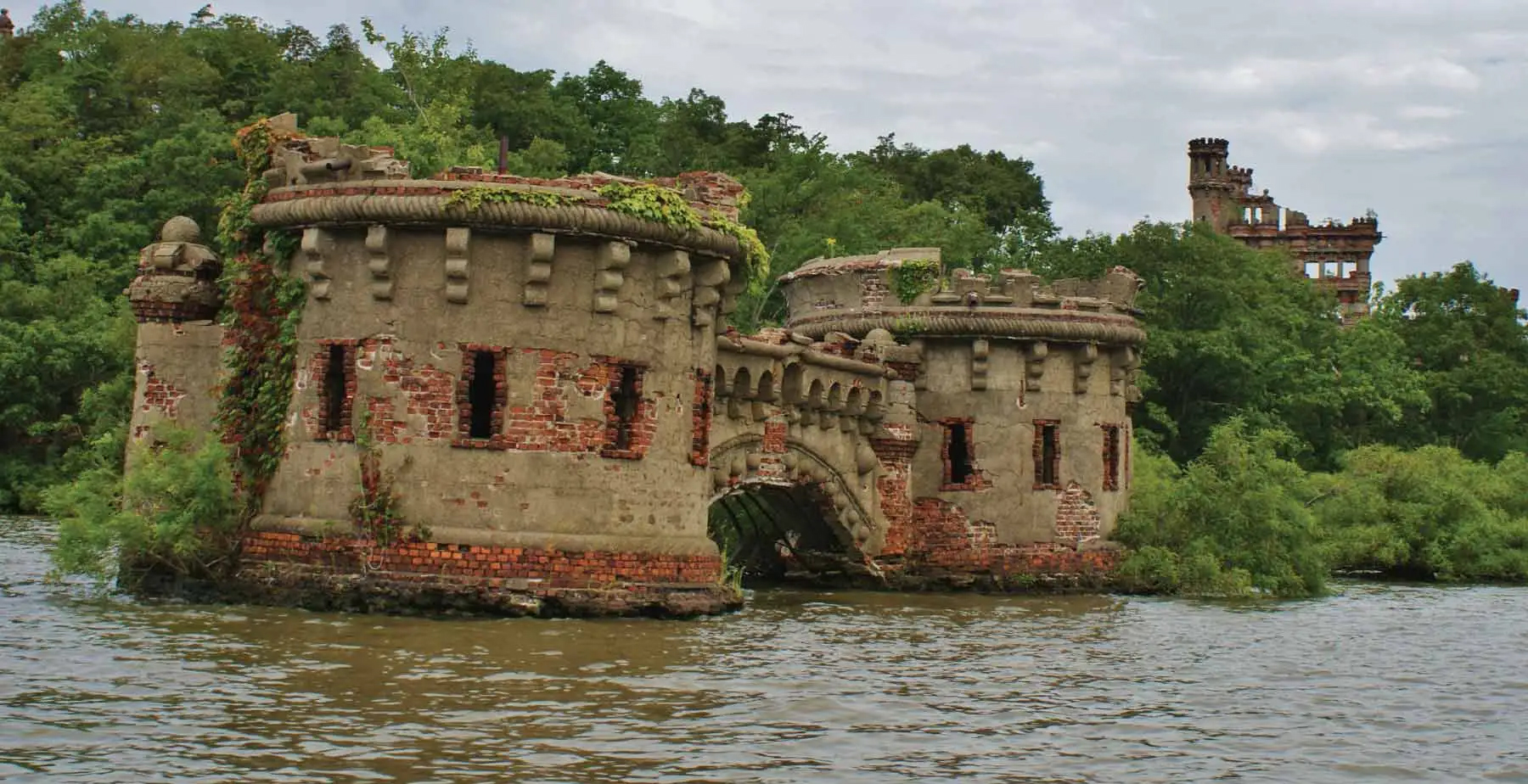
Perched on the tiny island of Pollepel in the Hudson River, just 60 miles north of New York City, Bannerman Castle stands as one of America’s most captivating ruins. Its crumbling towers and mysterious silhouette conjure images of European fortresses and long-lost fairy tales, but its true origin is rooted in something far more explosive—military surplus. This article explores the history, architectural significance, rise and fall, and ongoing preservation efforts surrounding Bannerman Castle, one of the Hudson Valley’s most intriguing landmarks.
The Man Behind the Castle: Francis Bannerman VI
The castle was the vision of Francis Bannerman VI, a Scottish immigrant who built a thriving business selling military surplus. After the Civil War, the U.S. government found itself with massive stockpiles of weapons and ammunition, which Bannerman bought in bulk to resell through his company, Bannerman’s Military Surplus.
By the early 20th century, Bannerman’s had become the world’s largest dealer of military goods, with customers including governments, collectors, and even Hollywood studios. However, storing such volatile inventory in New York City became a growing concern. Bannerman sought a remote, secure location to safely store his arsenal—and found it in Pollepel Island.
Why Pollepel Island?
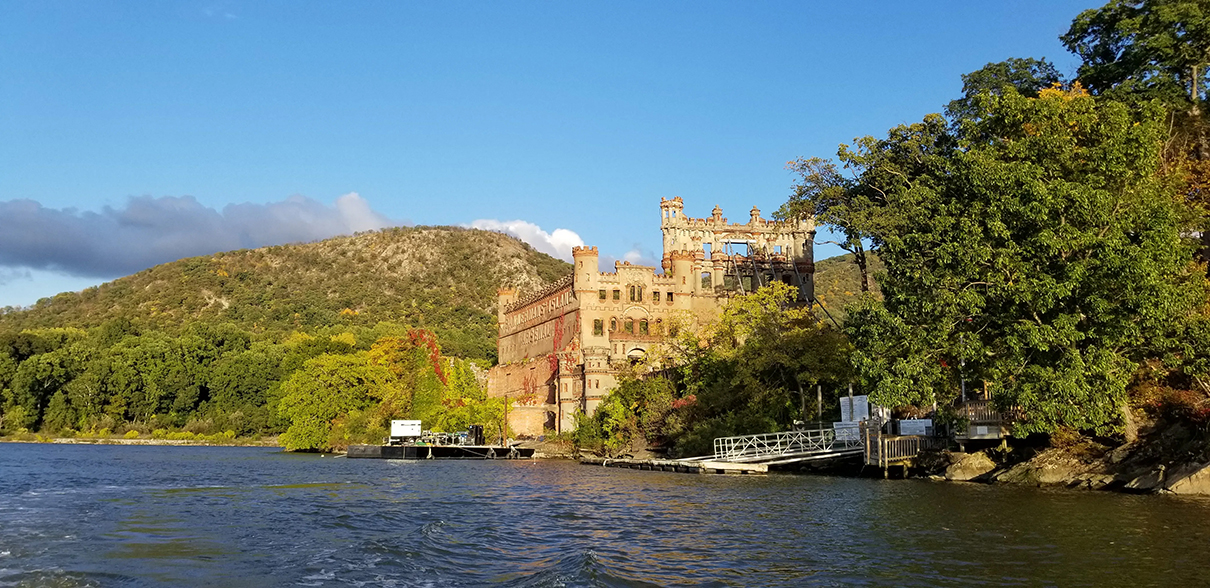
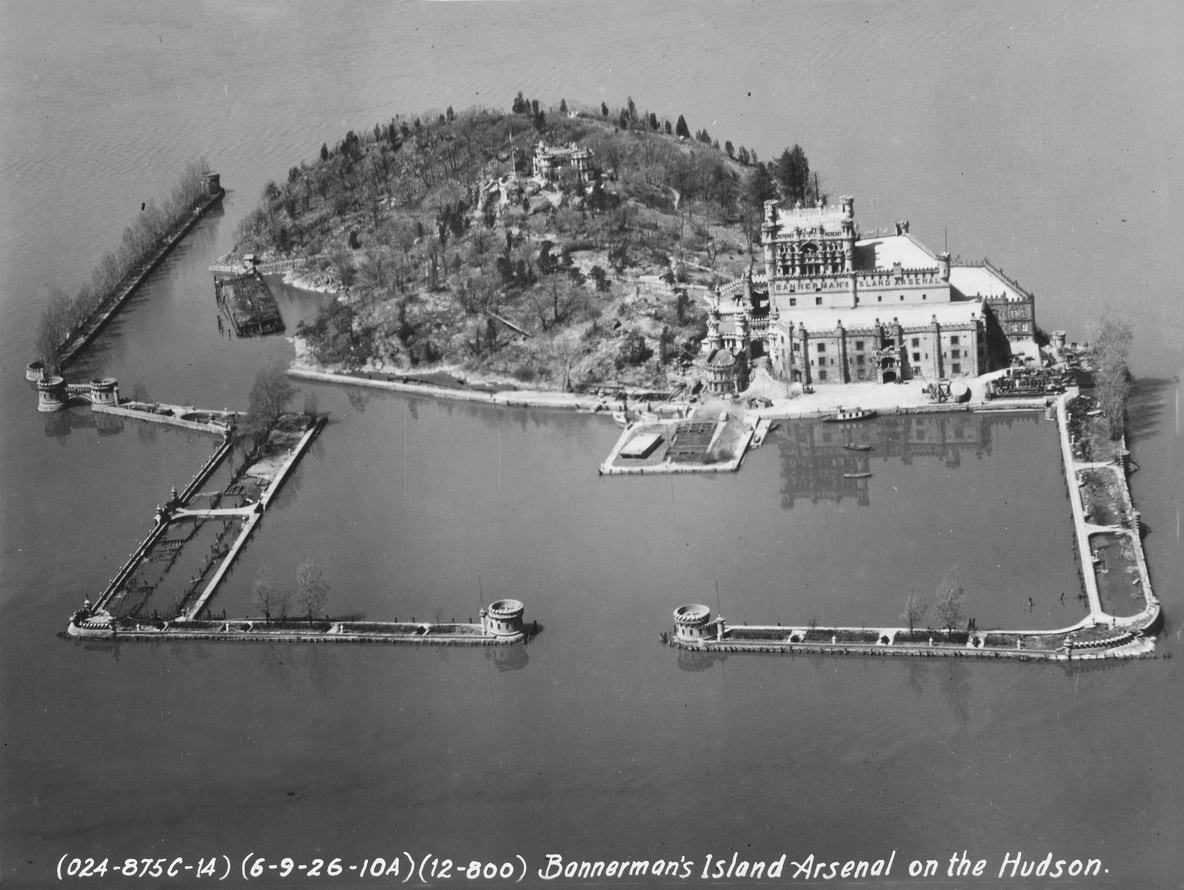
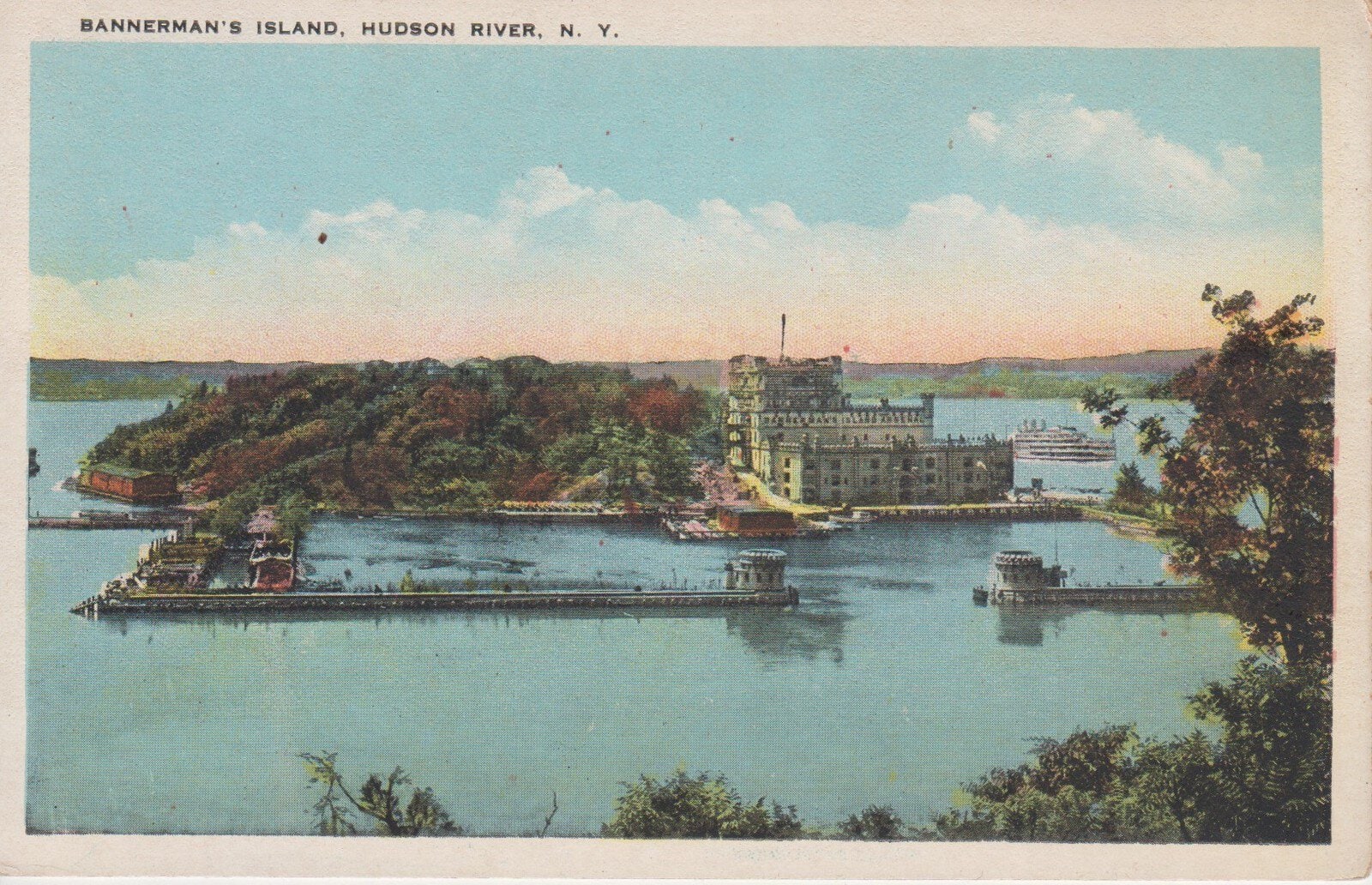
Pollepel Island, a 6.5-acre rock in the Hudson River near Beacon and Cold Spring, had long been considered mysterious. Local folklore warned that the island was haunted or cursed, but it provided Bannerman exactly what he needed: isolation, visibility, and access to shipping routes. In 1900, he purchased the island and began constructing his Scottish-style castle the following year.
Building Bannerman Castle
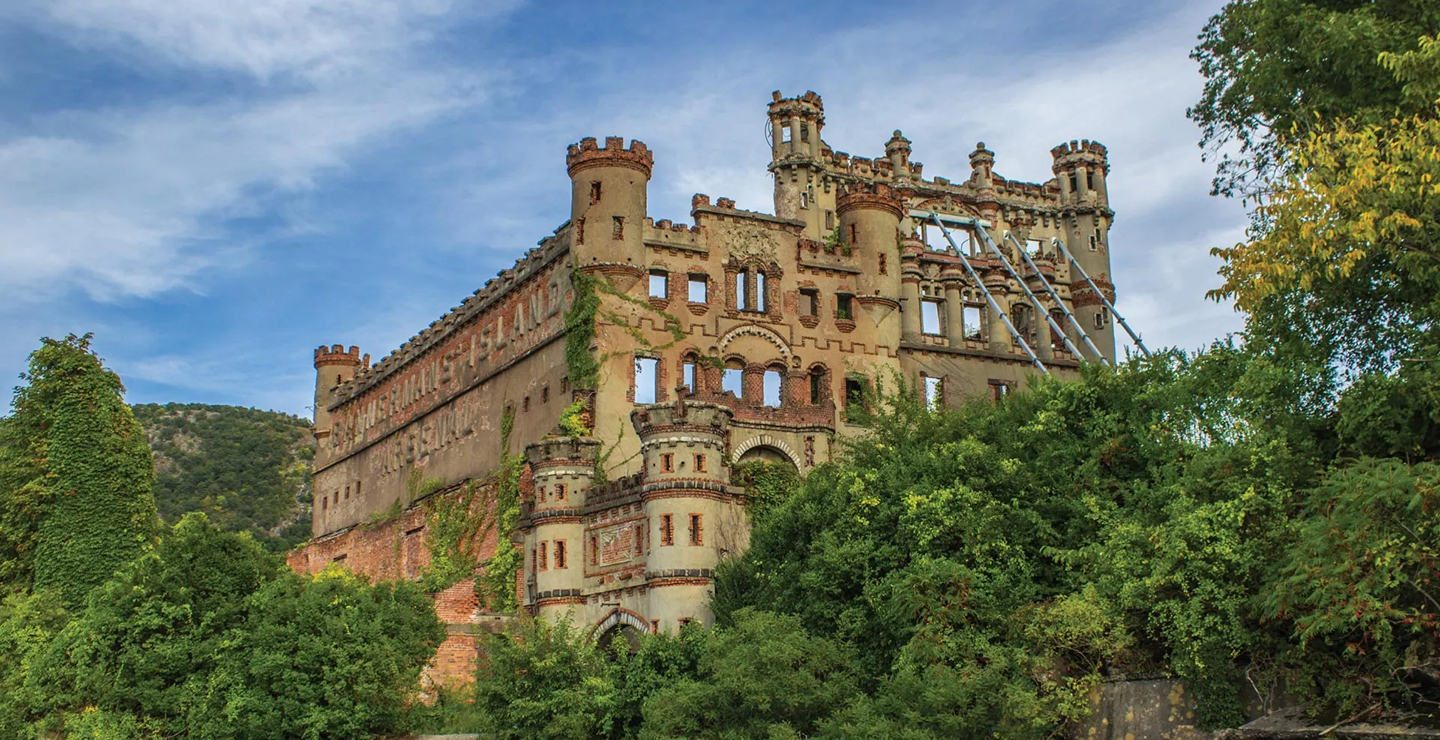
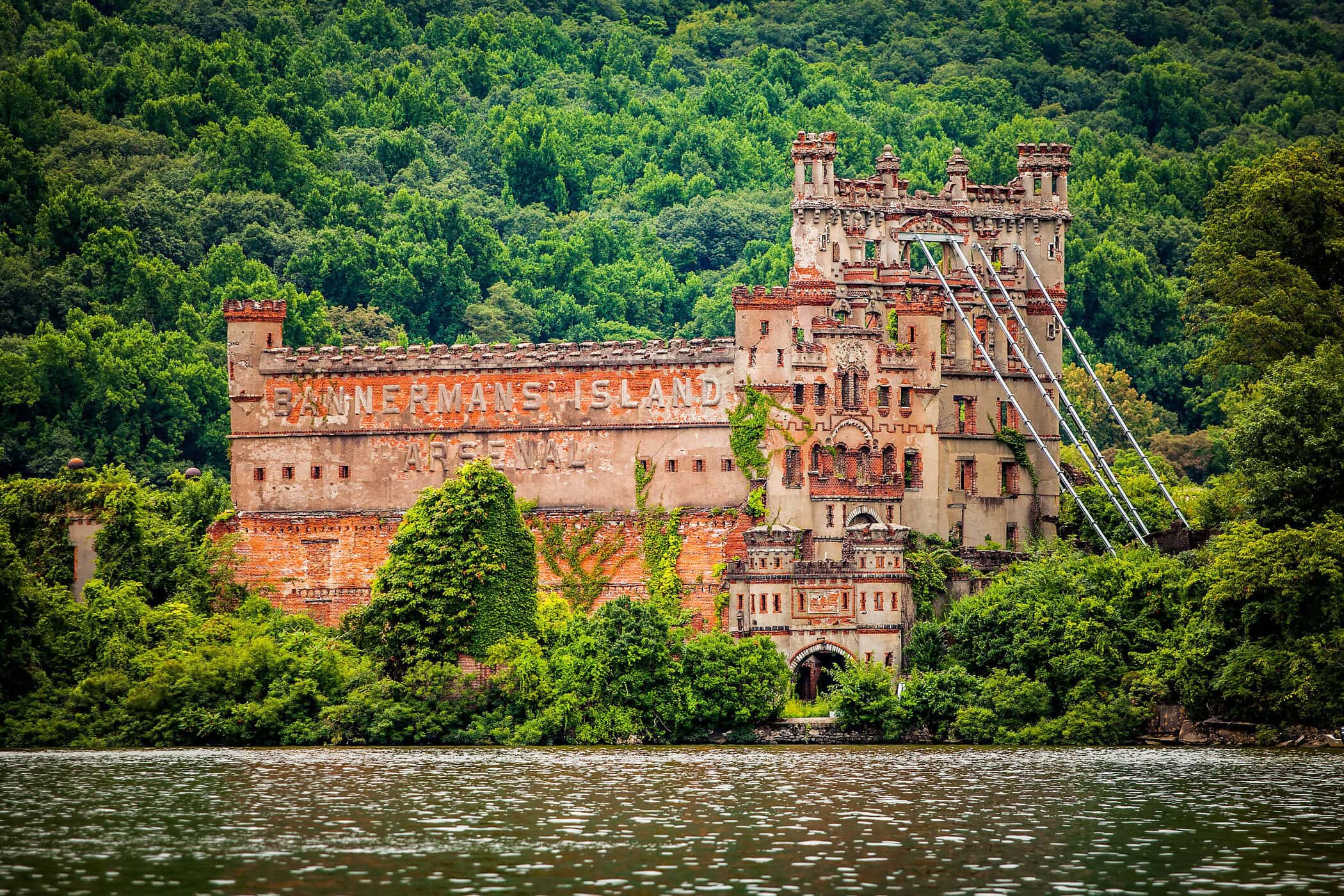
Unlike traditional castles, Bannerman Castle was never intended as a residence. It served as a warehouse and advertisement—a theatrical, romantic façade designed to be seen from passing boats and trains. Inspired by his Scottish heritage, Bannerman created a structure filled with turrets, battlements, and faux towers, blending function with fantasy.
Key features included:
- The Arsenal – The main warehouse built to resemble a castle, used to store weapons, ammunition, and military gear.
- The Residence – A smaller structure where the Bannerman family occasionally stayed.
- Boathouses, docks, and gardens, constructed to support the island’s daily operations.
All construction was carried out by Bannerman himself and a small team of local workers—not professional architects or engineers. As a result, the buildings were both charming and structurally precarious.
Tragedy and Decline
After Bannerman’s death in 1918, the business and island began to decline. In 1920, an explosion destroyed a significant portion of the arsenal and damaged the castle, killing several workers. The island’s reputation became darker, and with the rise of modern weapons and changing military needs, the surplus business declined.
By 1950, the family had vacated the island. In 1967, New York State purchased Pollepel Island, intending to preserve it as a historic site. Unfortunately, in 1969, a mysterious fire gutted the castle, reducing much of the structure to ruins.
Since then, nature, time, and weather have continued to wear down the once-grand buildings. Crumbling towers and collapsed walls remain as ghostly reminders of Bannerman’s dream.
Preservation and Public Access
For decades, Bannerman Castle remained off-limits due to safety concerns. However, in 1993, local residents formed the Bannerman Castle Trust, a nonprofit organization dedicated to restoring and preserving the ruins. Since then, significant progress has been made to stabilize remaining structures and reopen the island to visitors.
Today, the castle is accessible via guided boat, kayak, or hiking tours during the warmer months. Events such as outdoor theater performances, film screenings, and educational tours are held on the island, breathing life back into the historic site.
Preservation challenges remain:
- Structural instability
- Weather erosion and plant overgrowth
- Limited funding
Yet the castle endures, thanks to the efforts of volunteers, local historians, and preservationists.
Cultural and Historical Significance
Bannerman Castle occupies a unique place in American history:
- A symbol of the Gilded Age, when wealth, ambition, and eccentricity collided.
- A rare example of American Romantic architecture, blending fantasy and function.
- A monument to war and peace, housing weapons intended for destruction within castle walls that now serve as a peaceful historical site.
The castle has appeared in documentaries, novels, and photo essays, becoming a staple of Hudson Valley lore. It also represents a deeper fascination with lost or decaying grandeur—what author Robert Smithson might have called “ruins in reverse.”
Bannerman Castle is more than a quirky ruin—it’s a story of ambition, eccentricity, and historical layers waiting to be uncovered. From munitions warehouse to crumbling Gothic monument, it reflects the tension between creation and decay, commerce and art, memory and myth.
Despite explosions, fires, and decades of neglect, the castle still captures the imagination of all who glimpse it from a passing train or ferry. In preserving Bannerman Castle, we’re not just saving stone and steel—we’re safeguarding a uniquely American dream built on the improbable intersection of war, whimsy, and wilderness.