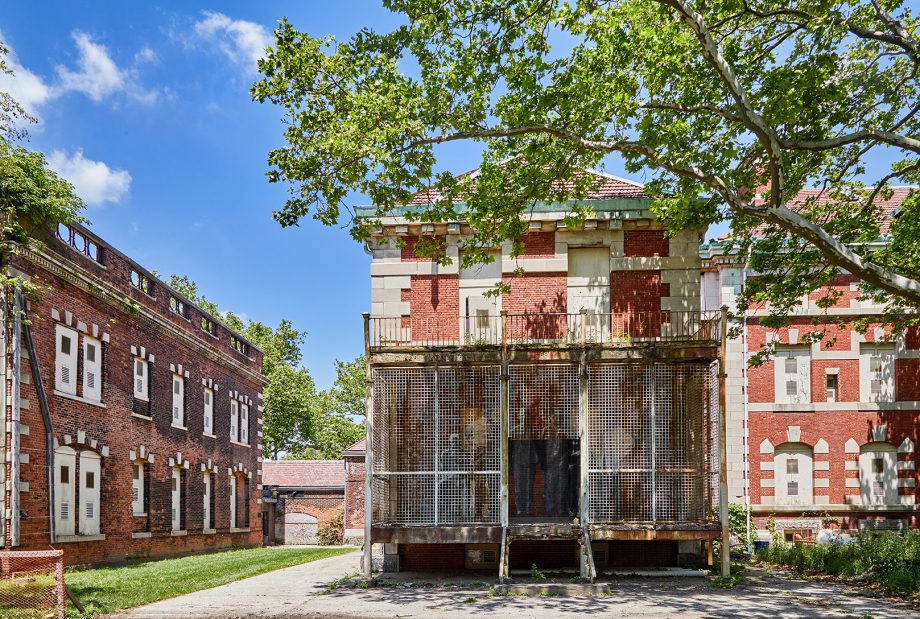
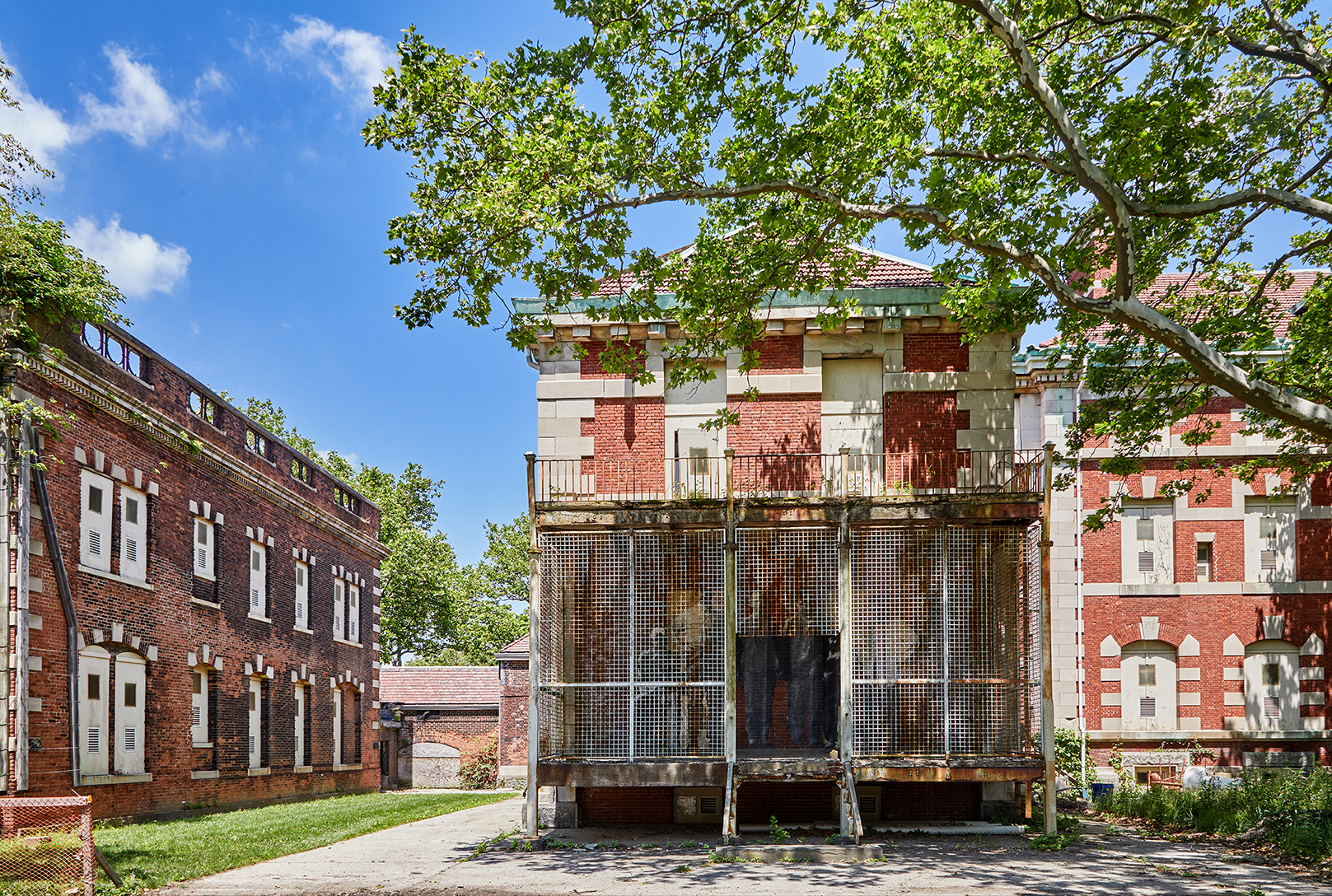
Ellis Island is known to millions as the gateway to America—where over 12 million immigrants passed between 1892 and 1954. Yet, most of those visitors only see the restored North Side, home to the iconic Great Hall. Hidden just beyond lies the largely forgotten South Side, in New Jersey, where the vast hospital complex once treated immigrants before entry. This is the story of the South Side Hospitals, once among the largest and most advanced public health institutions in U.S. history.
Origins and Purpose
Expansion of Ellis Island
To handle rising immigration, the U.S. massively expanded the island. Islands 2 and 3, created in 1899 and 1906 respectively, formed the southern half solely devoted to health care for immigrants.
Mission of the Hospitals
Among the roughly 12 million arrivals, about 10–20% were flagged for additional medical inspection. Roughly 1.2 million were treated here; only 1% were denied entry due to incurable contagious conditions, while fatality numbers remained under 4,000. About 350 babies were born on-site.
The hospital’s dual purpose was clear: to treat arriving immigrants and safeguard public health, allowing healthy immigrants to enter and detaining or deporting those with disqualifying illnesses.
Facility Layout and Architecture
Scale and Style
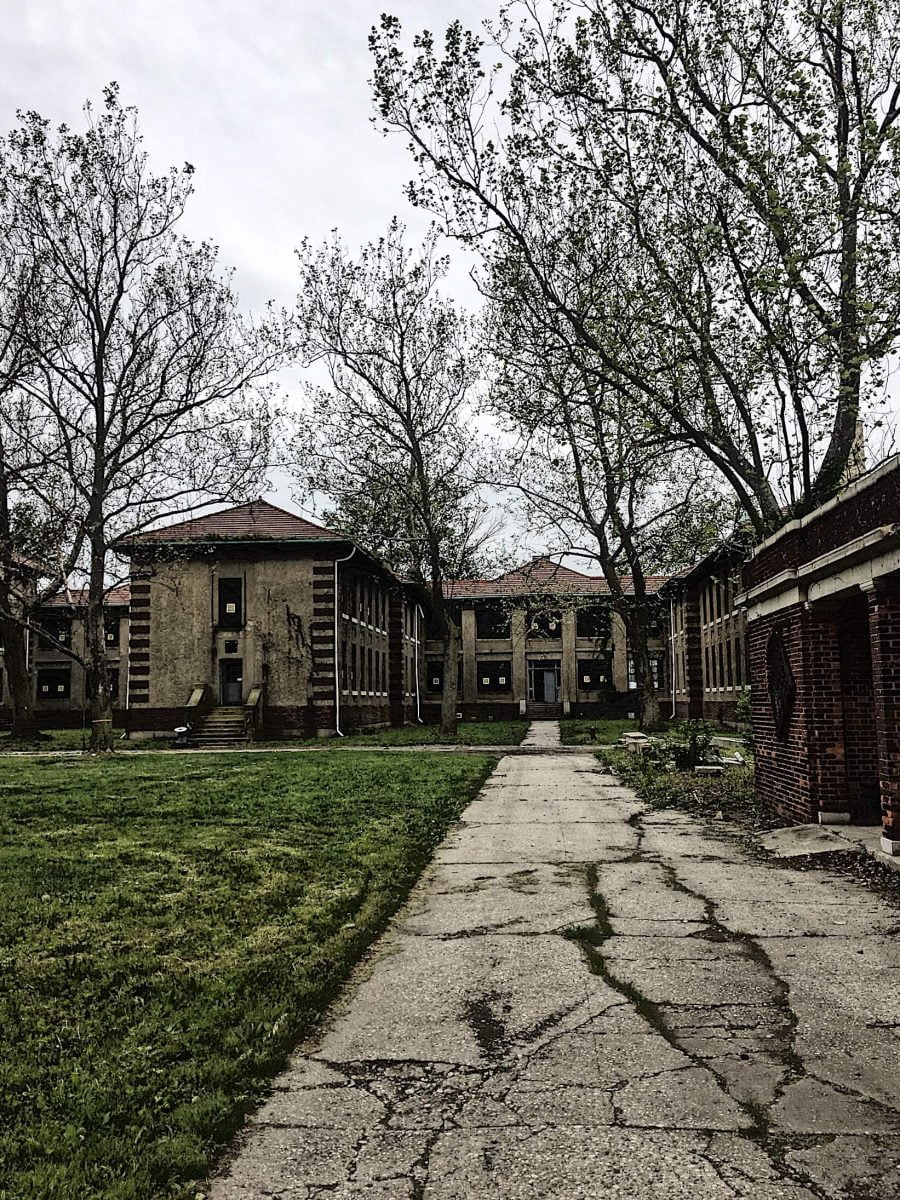
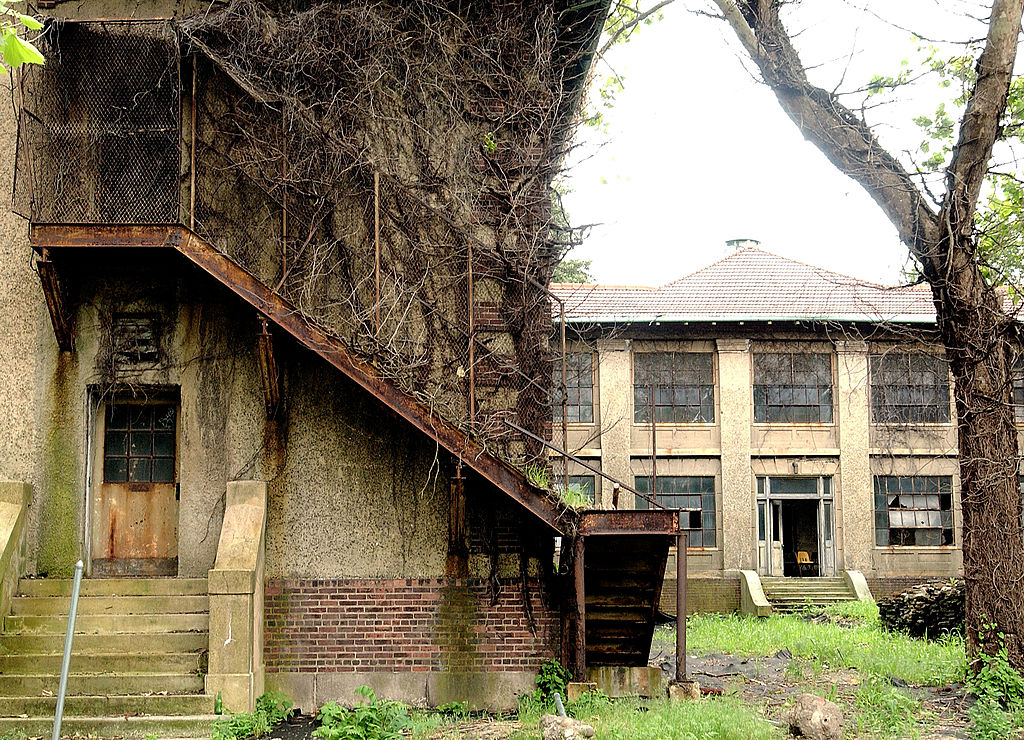
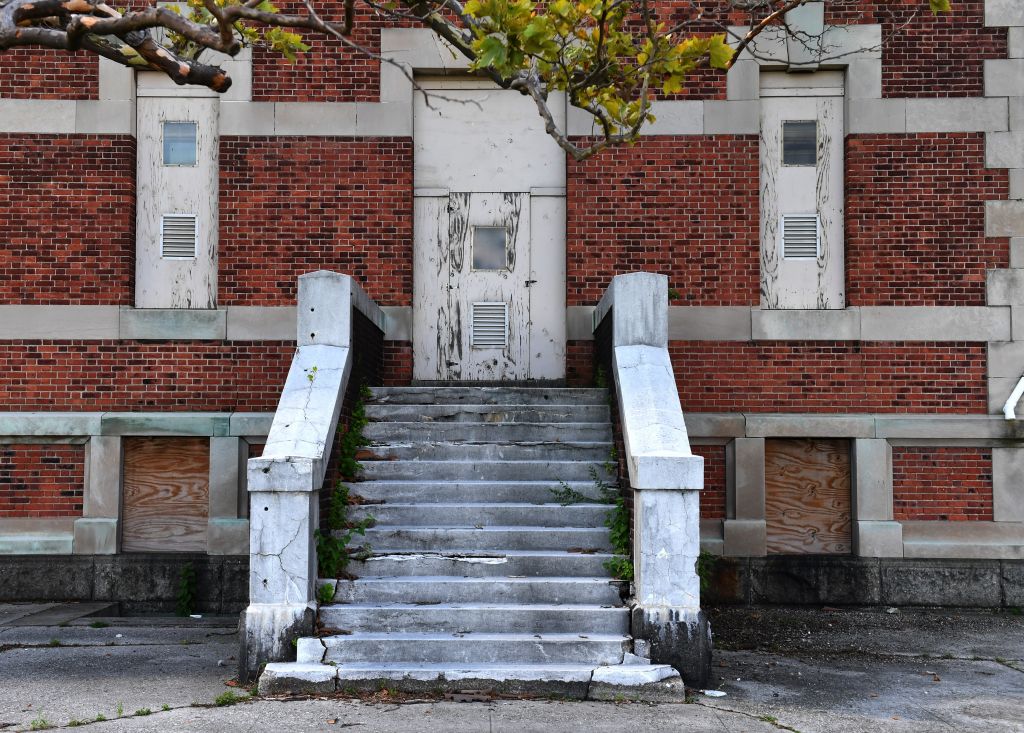
The complex originally included 22 to 29 buildings across the South Side. Its design echoed Italian Renaissance and Georgian Revival styles, with red‑tiled hip roofs, stucco walls, brick and limestone ornamentation, making it more akin to a New England college campus than a traditional hospital.
Building Highlights
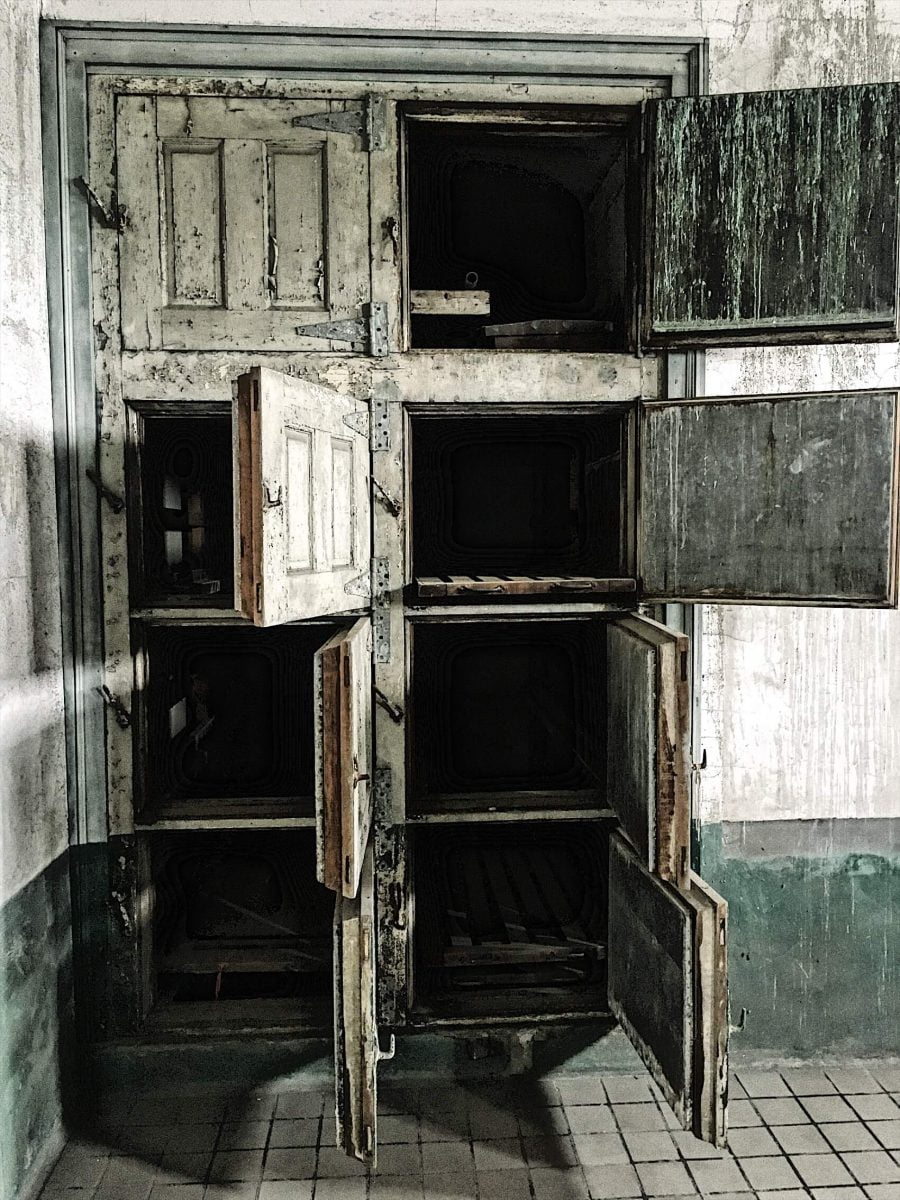
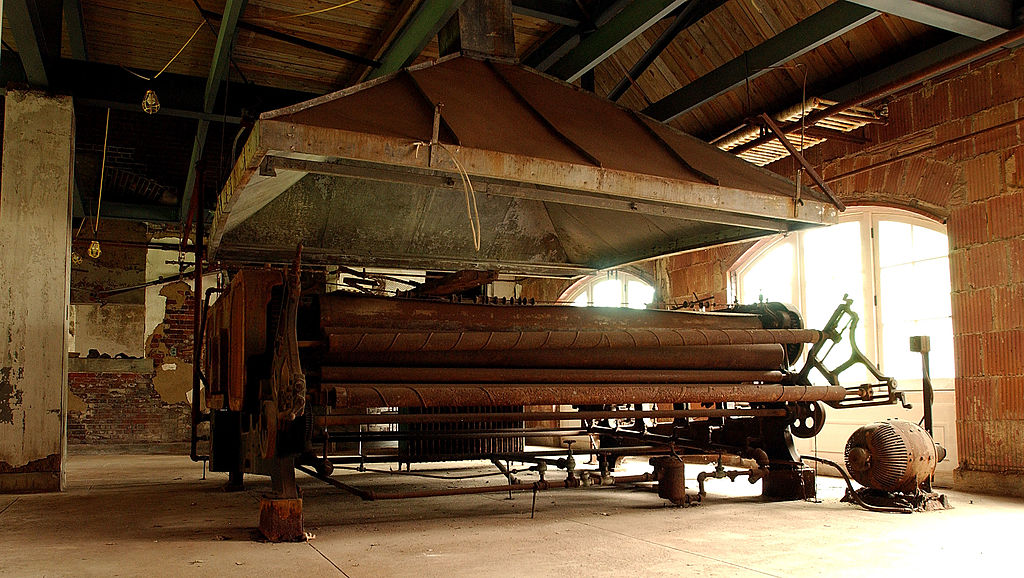
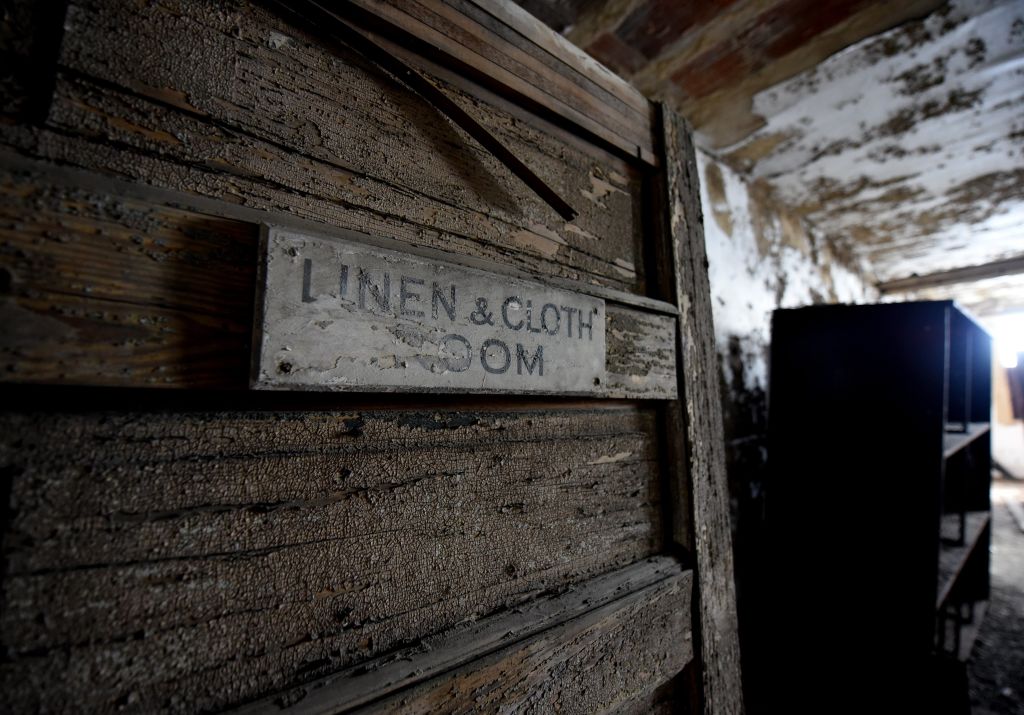
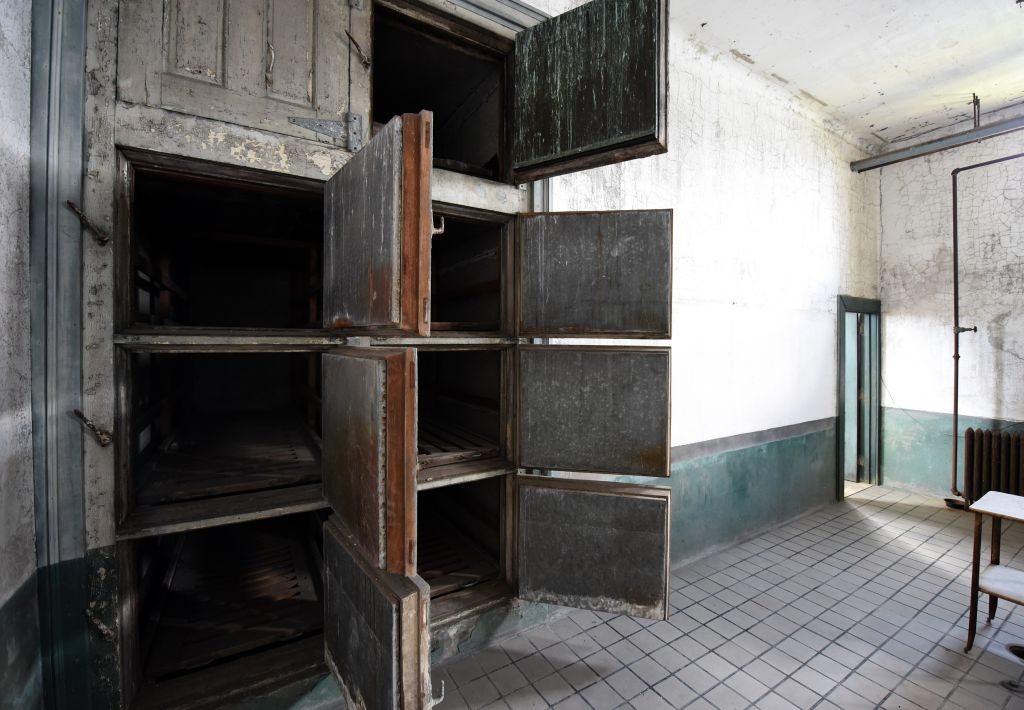
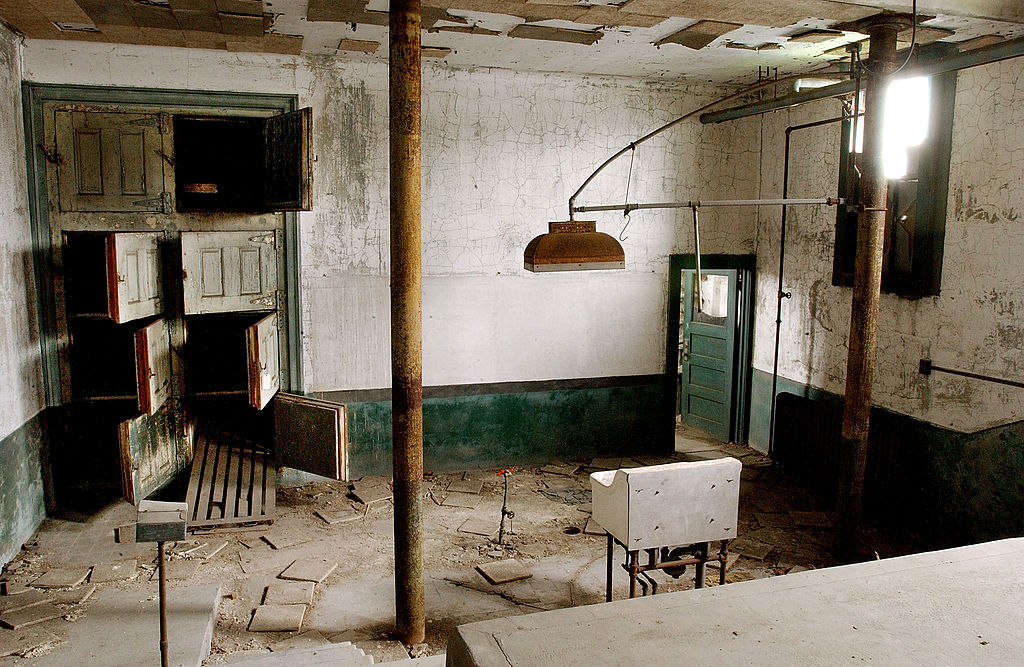
- Laundry‑Powerhouse & Morgue: Built in 1908, the powerhouse and laundry included disinfection rooms, morgue, autopsy theaters, coal boiler rooms, and staff quarters. This facility handled laundry for thousands daily and sterilized mattresses and linens.
- Psychopathic Ward: Constructed around 1906–07, this two‑story, flat‑roofed building housed suspected mental health cases. Patients were gender‑segregated; the ward had verandas, day rooms, and nurse offices. By the 1950s, it became a Coast Guard brig.
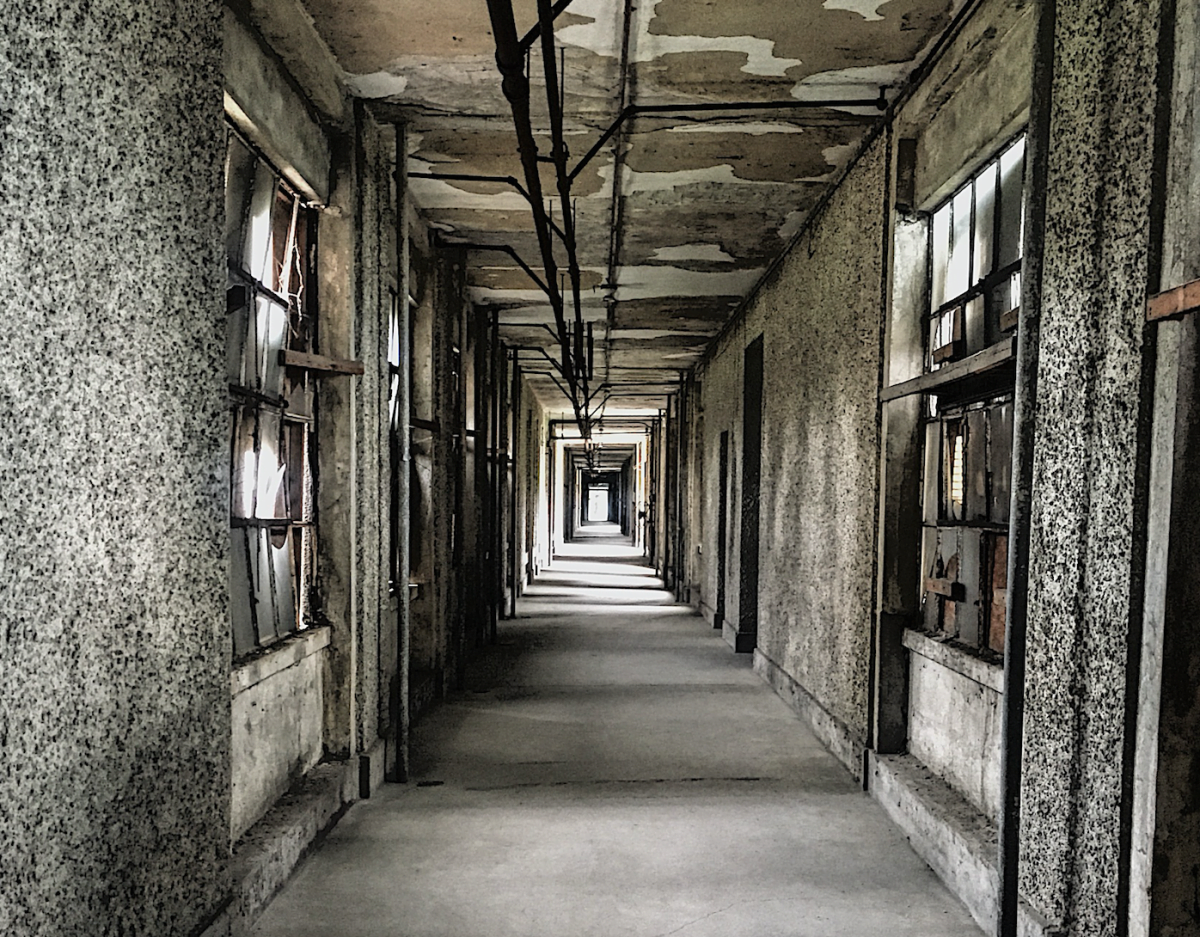
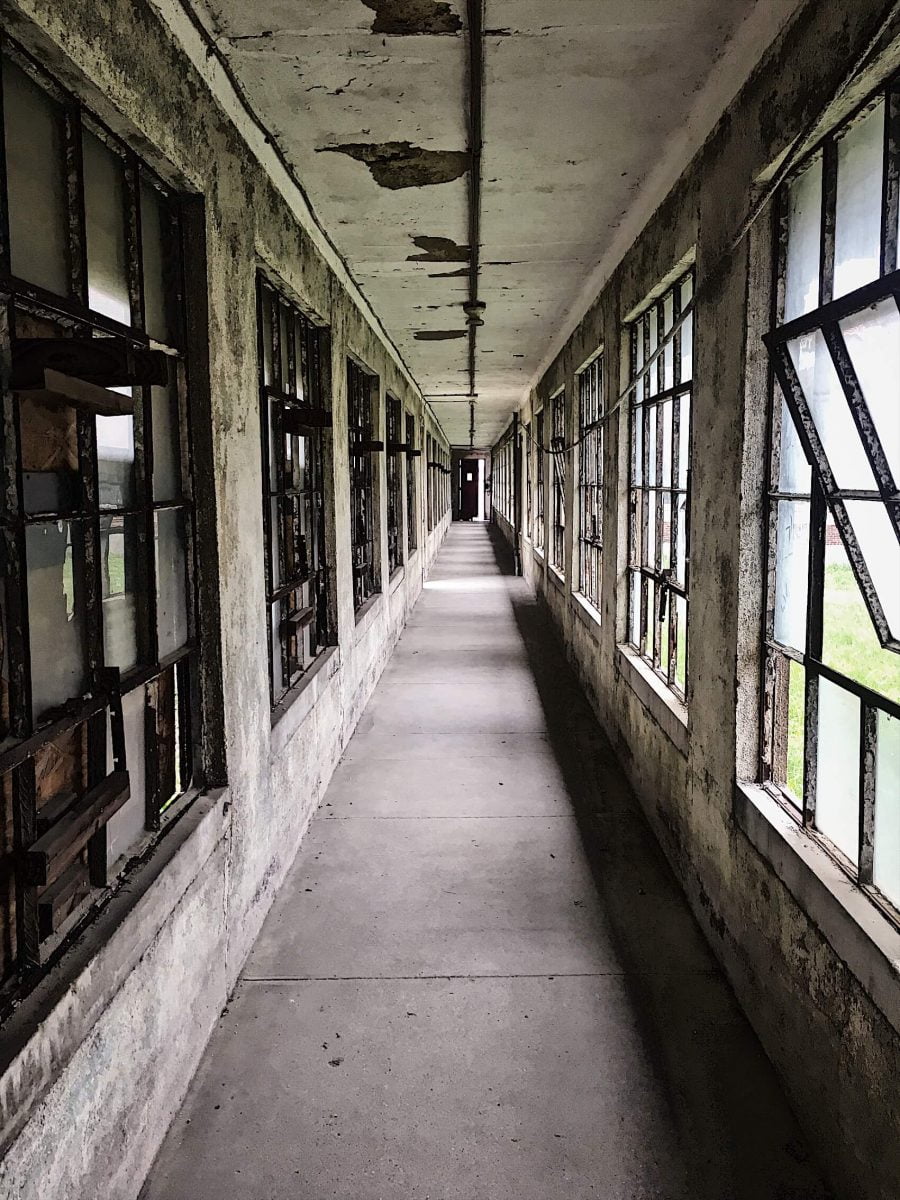
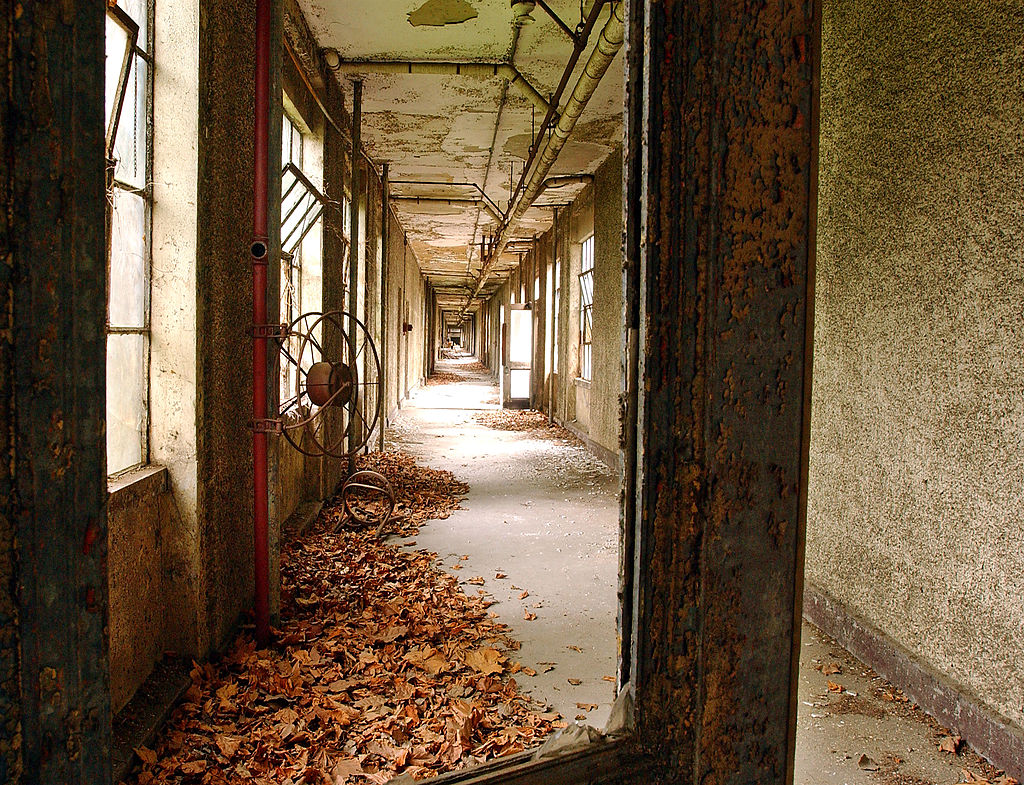
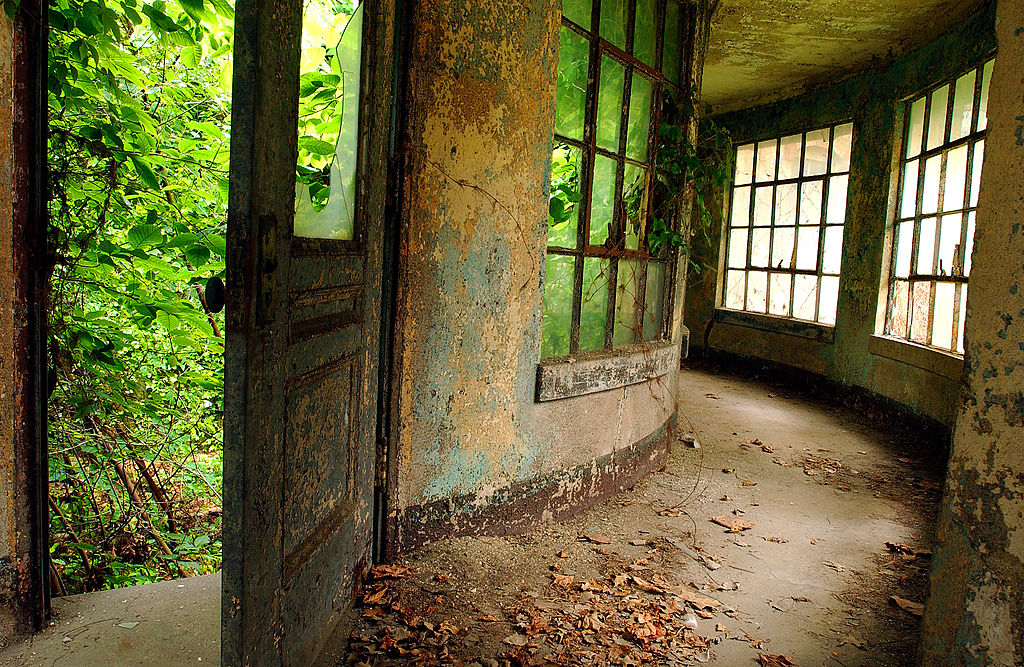
- Contagious Disease Pavilions (Isolation Wards A–H, I–K): Eight measles wards (A–H) and three further isolation pavilions were built between 1906 and 1914. The wards surrounded a central corridor and were designed for maximum light and air flow, to halt contagion spread. Rounded interior corners, large operable windows and ample ventilation were built with contemporary germ theory in mind.
- Administration Building and Staff House: Central administration included reception rooms, offices, surgical theaters, nurses’ quarters, and a residence for senior medical staff with dining room, library, and bedrooms.
Design for Public Health
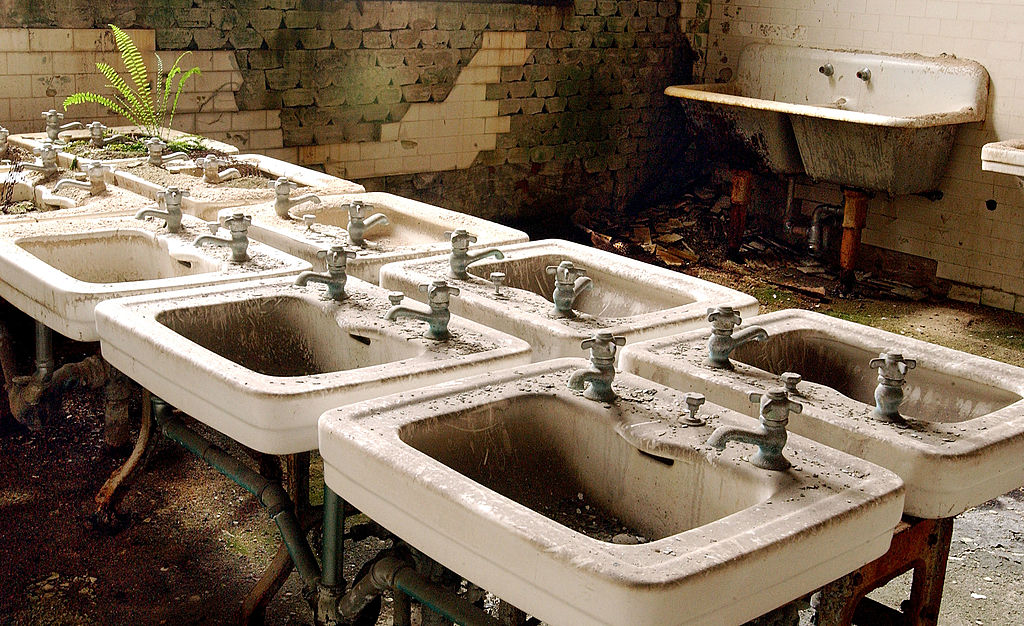
The layout embodied advanced sanitation: daily laundry, sterilization procedures, staff showers, early adoption of gloves and face masks, and interior designs minimizing disease transmission—like rounded corners and air circulation corridors.
Operations at Scale
Patient Volume and Care
At peak capacity, the hospital could hold around 750 patients. Each day saw thousands processed: laundry facilities cleaned over 3,000 items a day, dormitories housed hundreds, and five‑star medical standards prevailed. Up to 10,000 immigrants were examined daily, with many treated or boarded there temporarily.
Doctors from across the nation came to learn from this system. Ellie Island had advanced treatments including lung deflation for tuberculosis and was a center for medical teaching—autopsy amphitheaters doubled as classrooms.
Human Stories
Despite the austere context, the complex offered comfort programs: education for immigrant children, kosher meals in a dining hall serving up to 1,000, and communal entertainment spaces for recreation on recovery wards.
Decline and Abandonment
Closure and Rapid Decay
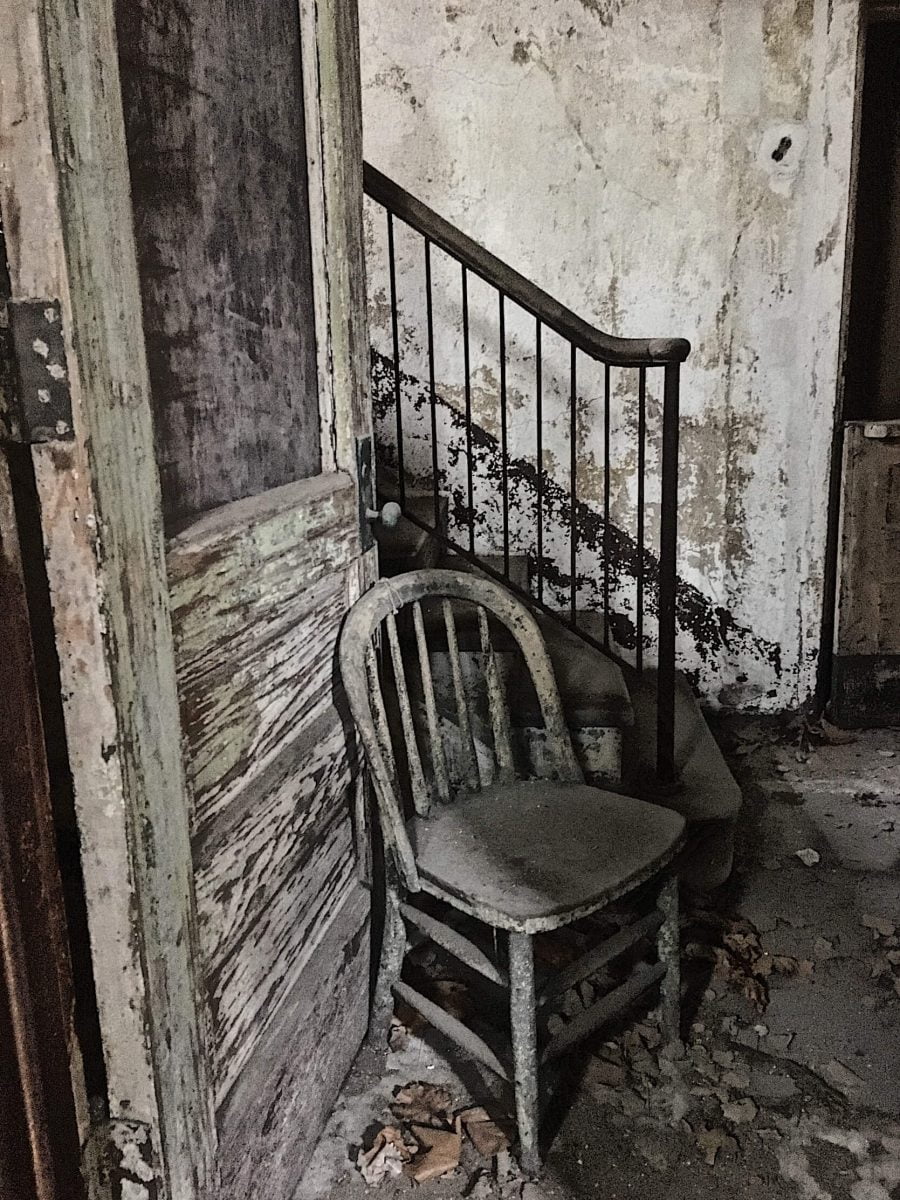
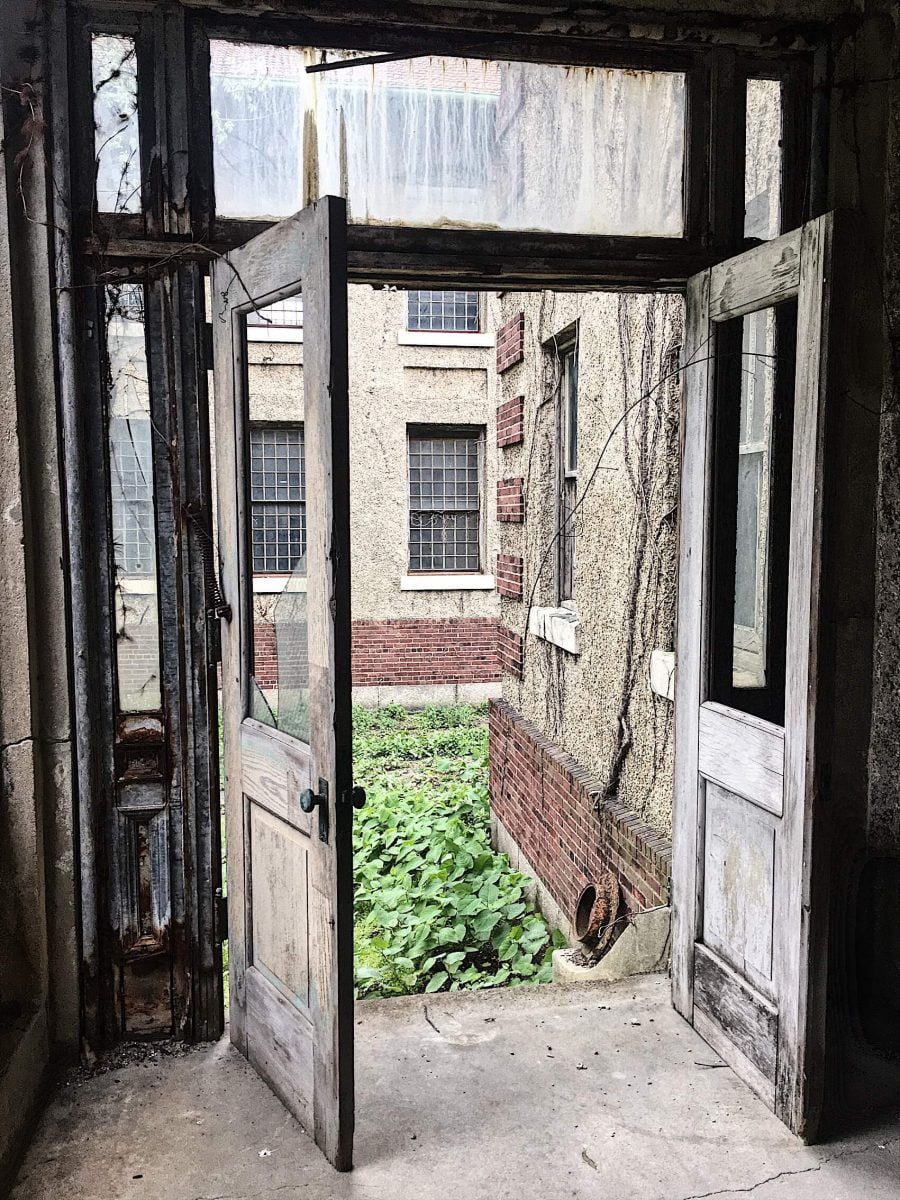
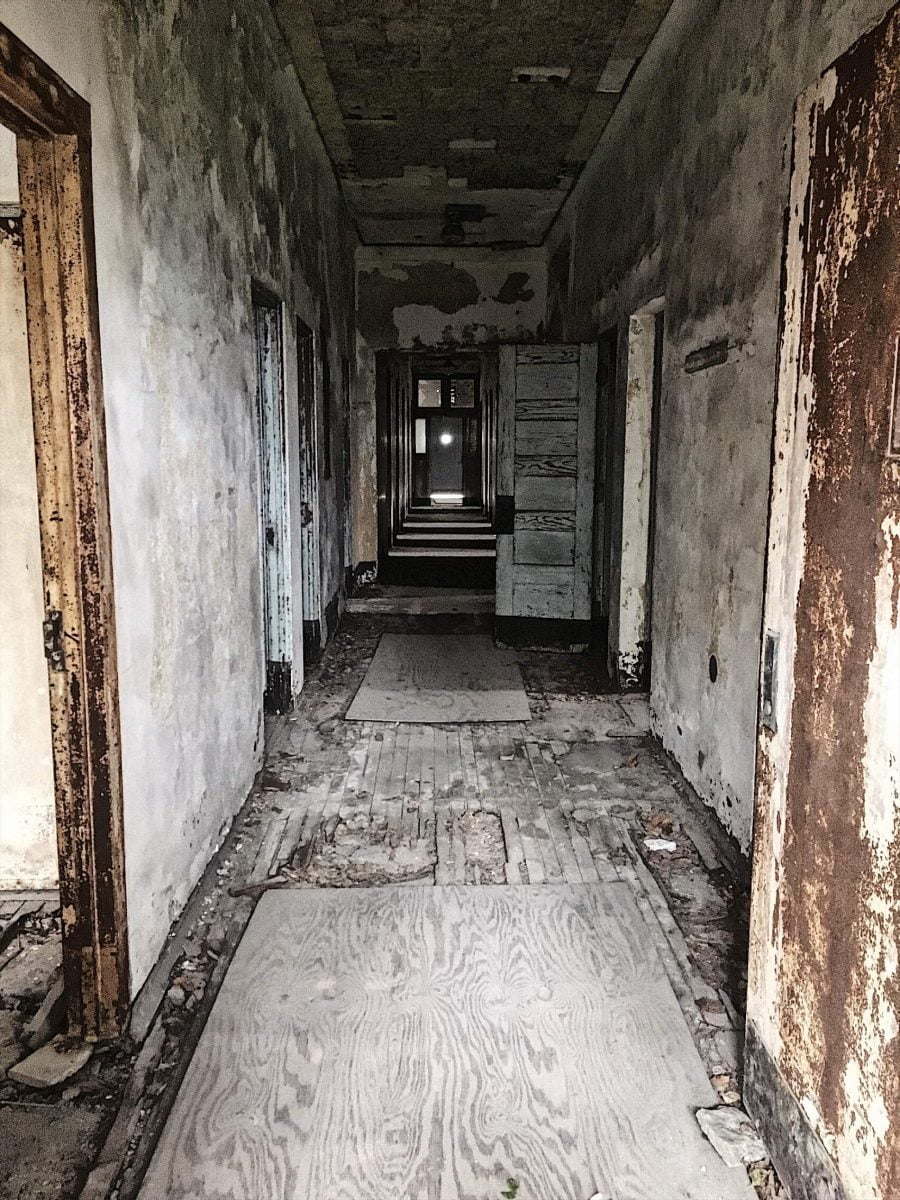
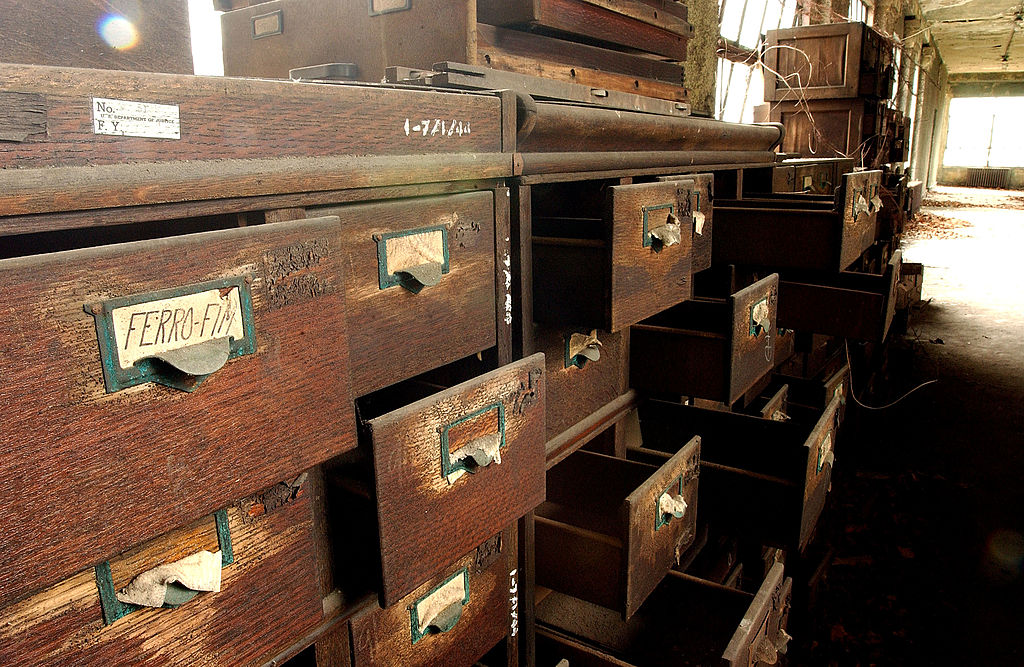
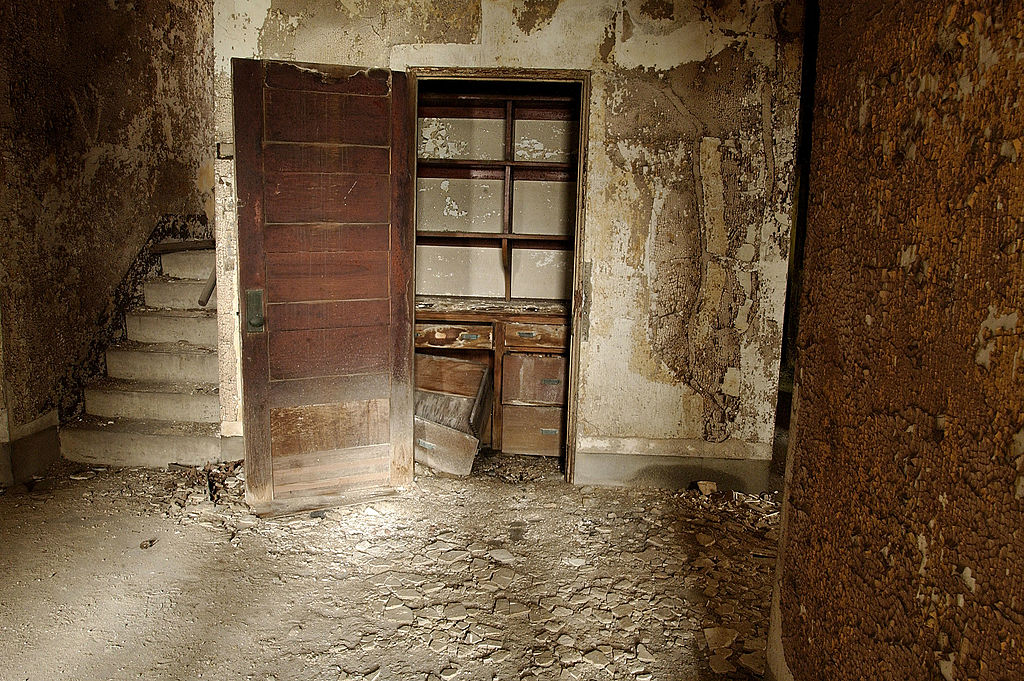
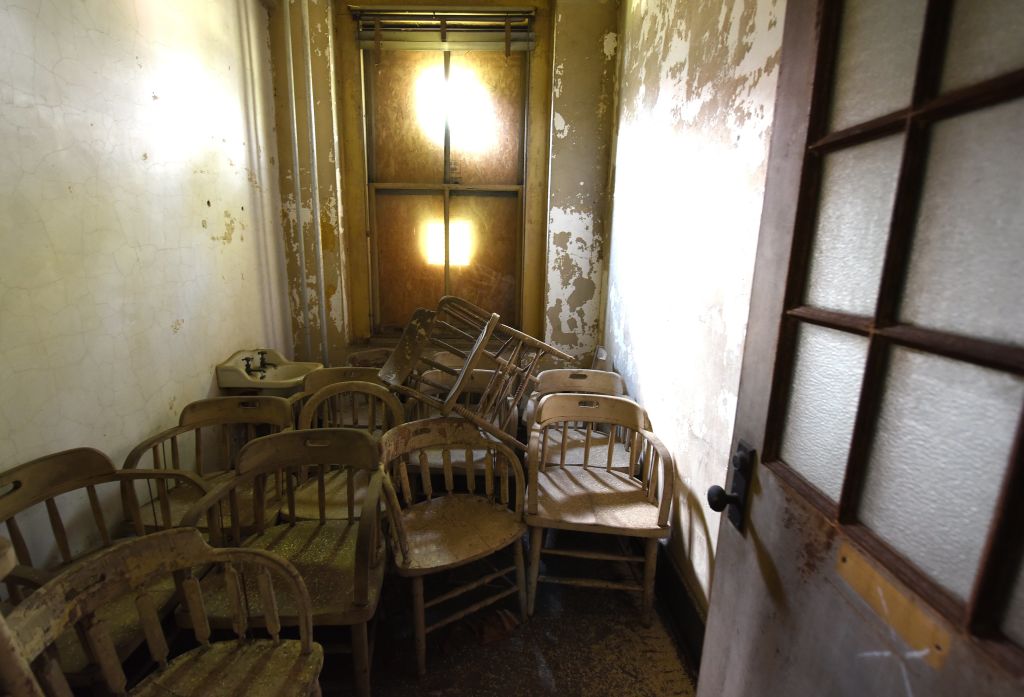
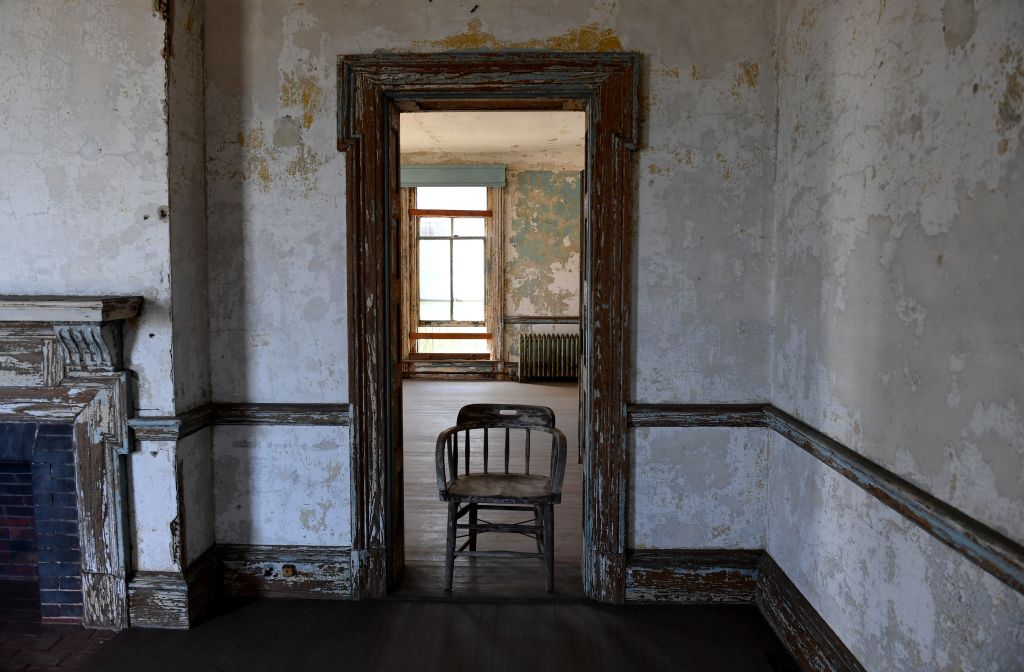
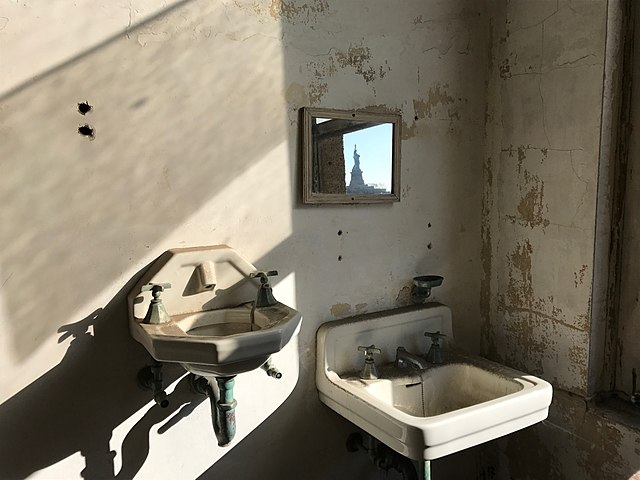
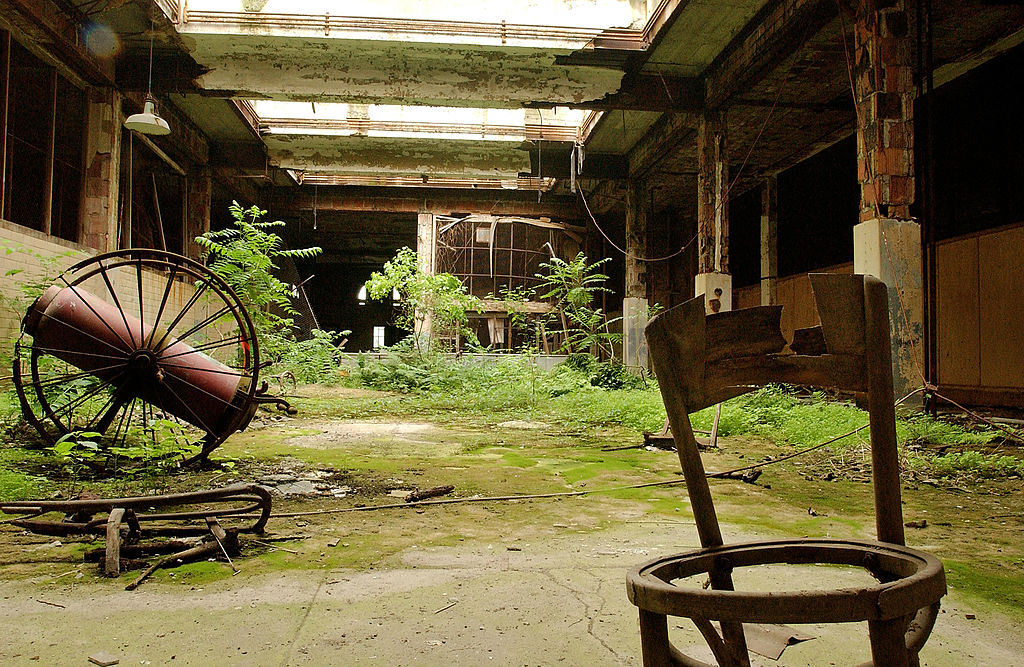
The hospital closed in 1954, with the island declared surplus property. For over half a century, the buildings were abandoned. By the late 1990s, the site had become dangerously dilapidated:
Rain cascades from broken skylights… weeds thick as tree branches… veils of ivy… steel beams so rusted… buildings soon collapse.
Clyde Haberman, New York Times
Rediscovery and Preservation
In 1999, the nonprofit Save Ellis Island, Inc., was founded to restore the South Side. They partnered with the National Park Service to fund and implement stabilization and restoration strategies, including asbestos removal, roof repairs, and partial building preservation.
Important early projects included restoration of the Laundry Building (with office space upstairs), the Ferry Building, and portions of the Powerhouse and wards, funded by grants and public matching funds.
Reopening to the Public
Hard Hat Tours
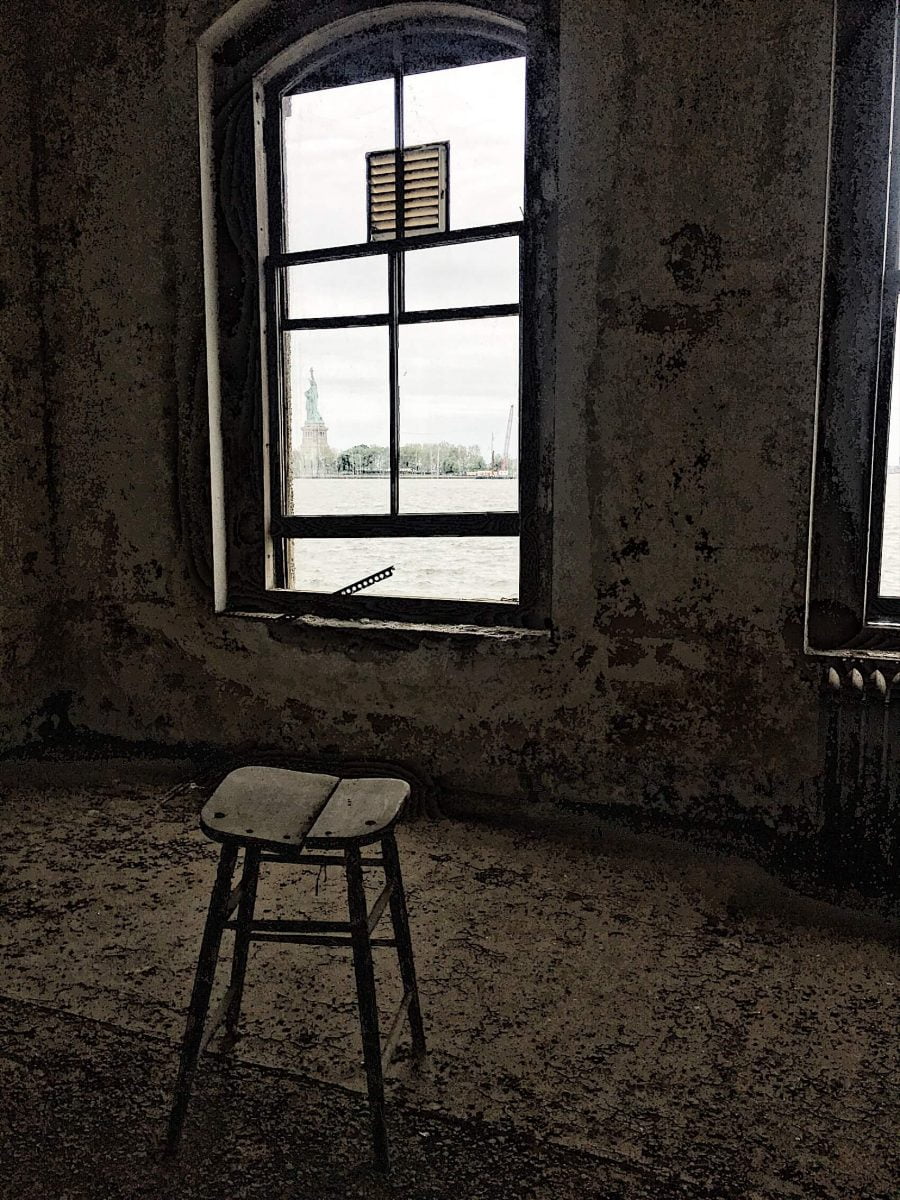
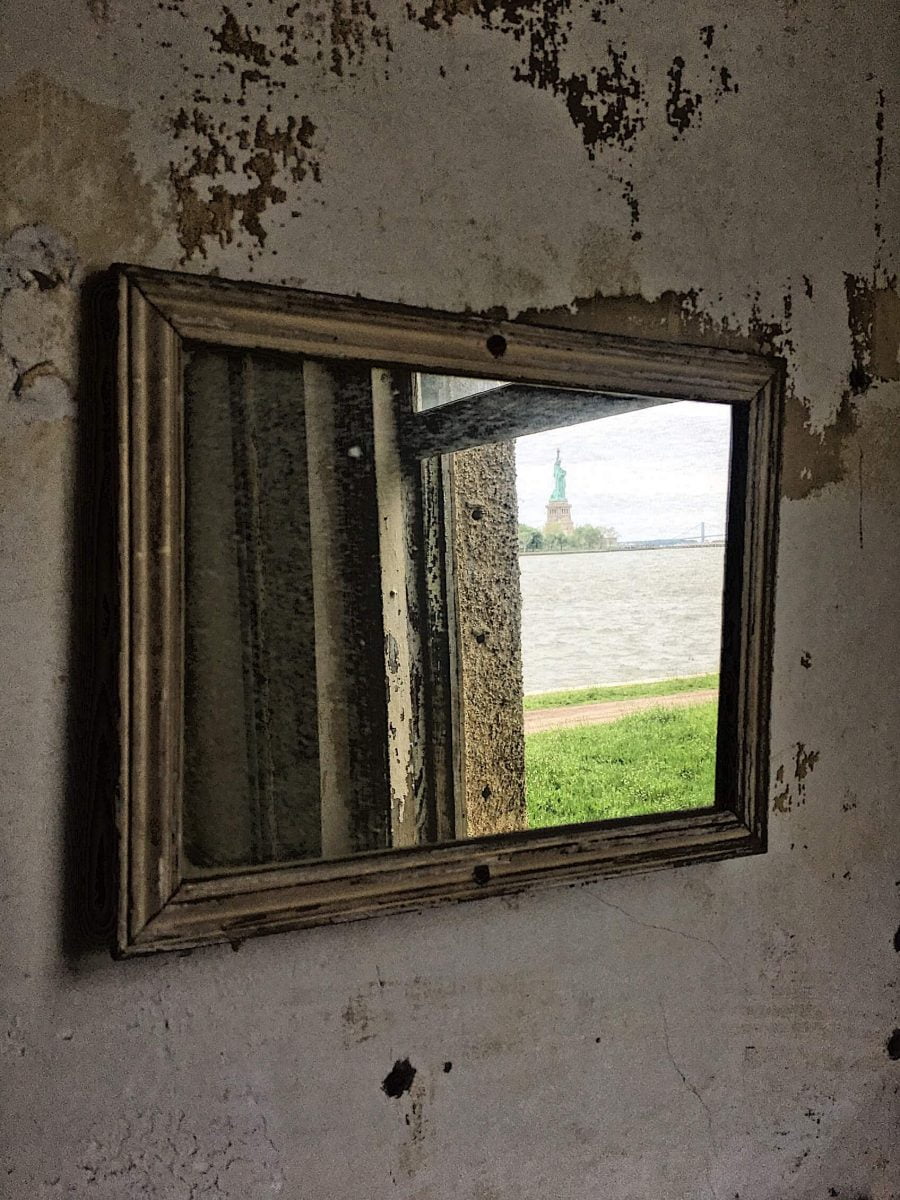
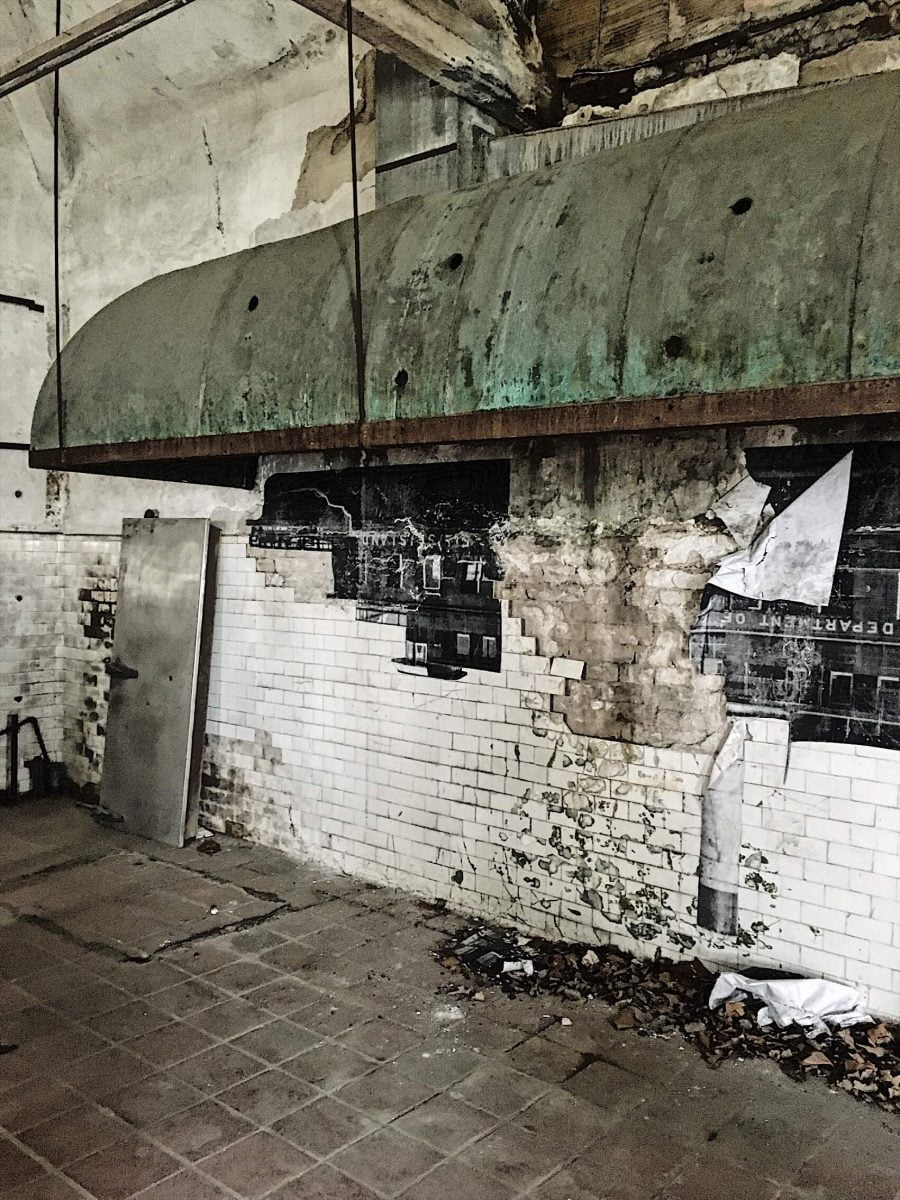
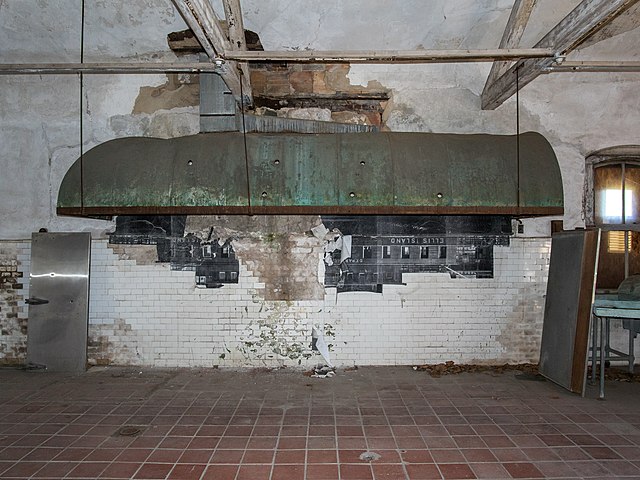
Starting October 1, 2014, the hospital complex was opened to hard‑hat tours, led by Save Ellis Island. These 90‑minute tours take visitors through the restored laundry, morgue, contagious disease wards, autopsy theater, kitchen, and staff quarters—often in their unrestored “arrested‑decay” condition.
By 2019, tours had drawn over 165,000 visitors across 7,000 tours, highlighting sustained interest in the site and providing funding for preservation.
Art and Interpretation
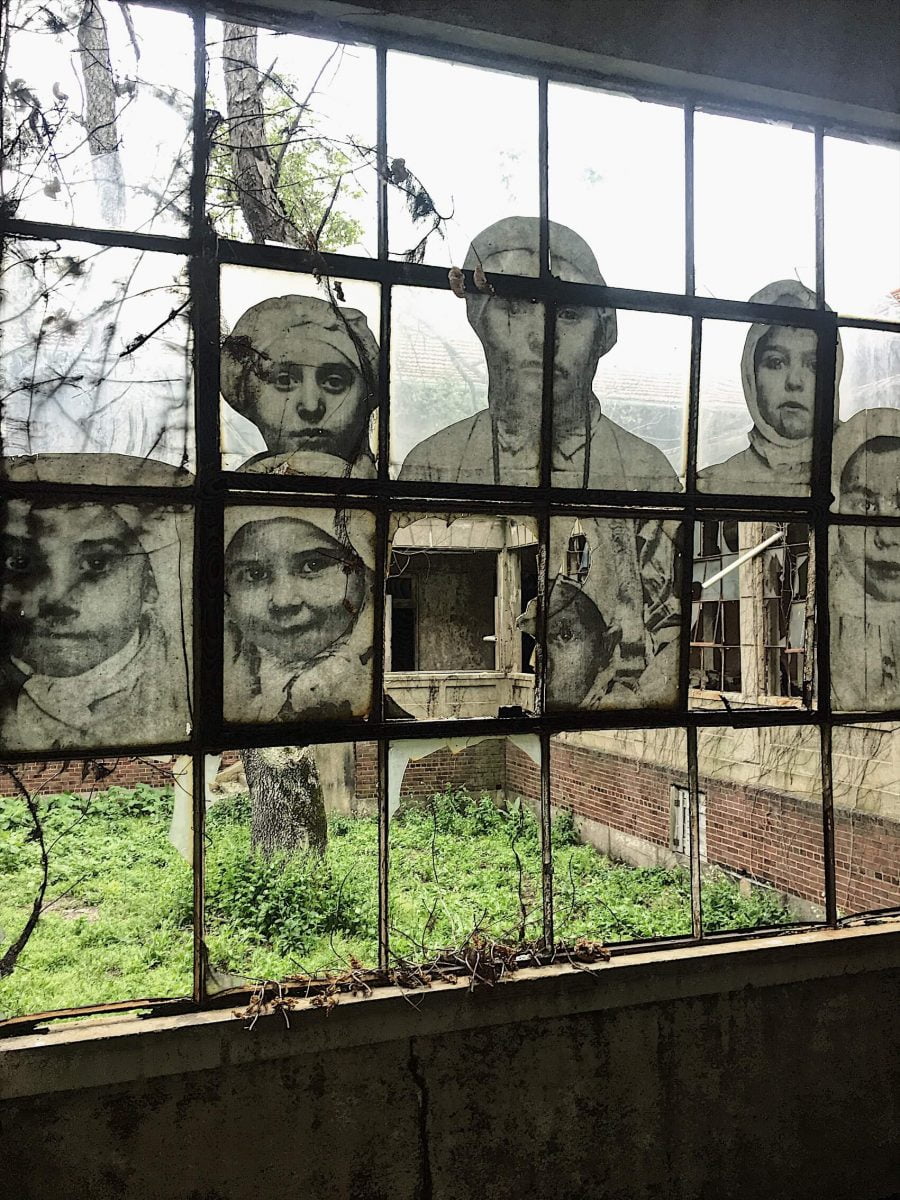
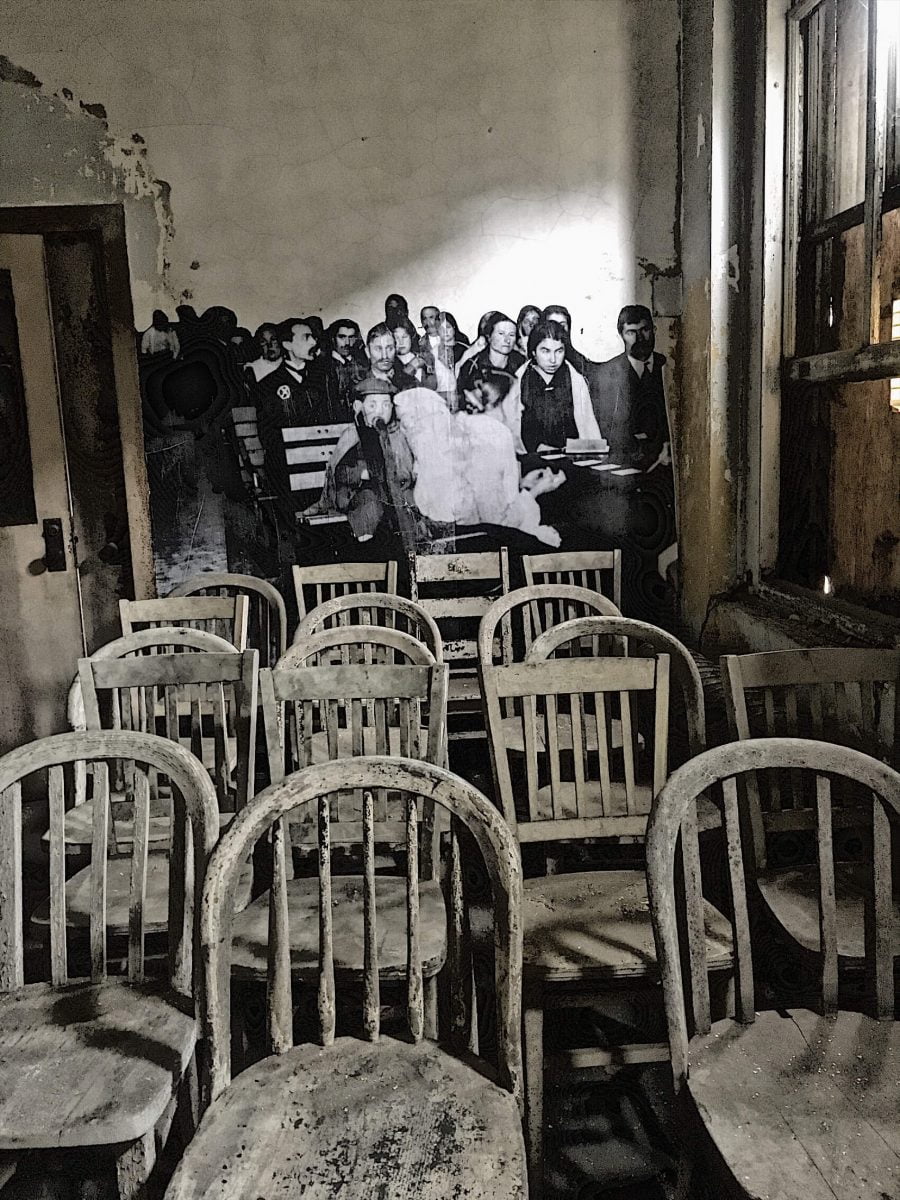
In 2019, French artist JR installed “Unframed – Ellis Island”, a multimedia photo exhibit pasted into the abandoned interiors. Life‑size faces of immigrants appear on walls, floors, and furnishings, hauntingly evoking their histories and experiences in the facility.
Preservation Efforts & Future Plans
Funding and Restoration
Save Ellis Island has raised over \$70 million in grants and donor money. Recent funding from the NJ Historic Trust and others supports structural stabilization, window repair, roof replacement, and interpretive planning.
Future Uses
Key goals include:
- Fully restoring the Contagious Disease Hospital for stable visitation.
- Reviving the entertainment/recreation building as a lecture hall or event venue.
- Restoring the chief medical officer’s residence for interpretive use or revenue generation.
- Expanding educational programming for schools and academic groups in history, health, and preservation.
Legacy and Significance
The South Side Hospitals encapsulate a vital chapter of public health and immigration in early 20th‑century America. With cutting‑edge medical architecture, humane care, and scale unmatched in its time, this complex processed and treated over a million immigrants, shaping countless first experiences of America. Its preservation reflects national values around immigration, public health history, and architectural heritage.
And the stories of tourists standing amid decaying wards, seeing past lives reflected in JR’s art, remind us: this was no ordinary hospital—it was an intersection of hope, fear, healing, and new beginnings.
Conclusion
The Ellis Island South Side Hospitals remain a powerful testament to the scale and ambition of early public health infrastructure in the United States. From its expansion to handle immigrant health needs, to its advanced infection control design, to its eventual decay and gradual resurgence, the site reflects both promise and neglect.
Today, thanks to the efforts of Save Ellis Island and the National Park Service, the complex is slowly being stabilized, interpreted, and shared. A blend of preservation, public education, and arts engagement is helping this forgotten world regain a voice—one that speaks to immigration, medicine, resilience, and the stories remembered within its walls.