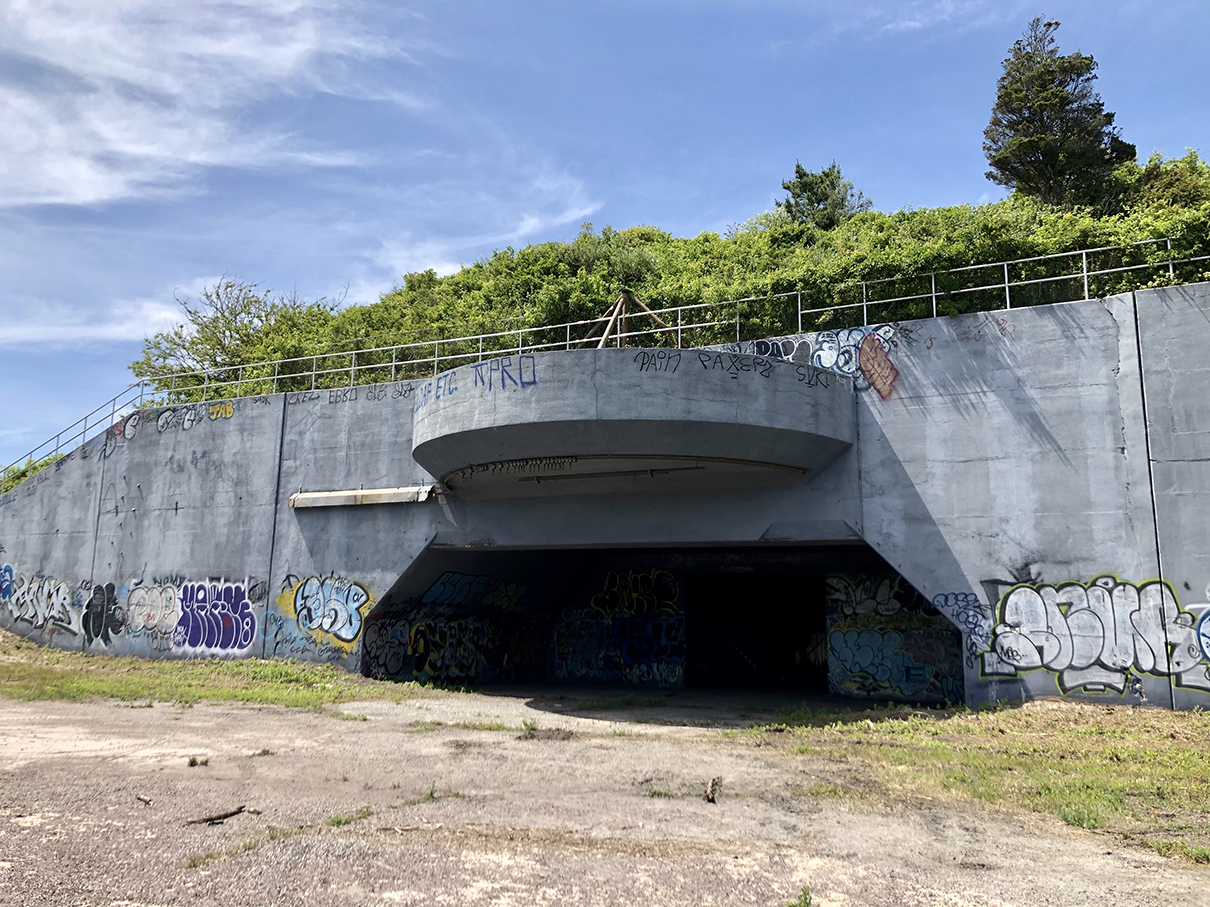
Nestled amid dunes and scrubland on Queens’ Rockaway Peninsula, the abandoned concrete bunkers at Fort Tilden stand as silent sentinels of America’s coastal defense history. Built for war, then repurposed and ultimately reclaimed by nature, these massive structures trace a century of evolving military strategy—from World War I artillery to Cold War missile sites—and today offer visitors a haunting glimpse into the past.
Origins: Camp Rockaway to Fort Tilden
Established in 1917 as Camp Rockaway and renamed Fort Tilden later that year to honor Samuel J. Tilden, the site was part of the Harbor Defenses of Southern New York . Initially, temporary emplacements housed 12-inch mortars and 6-inch M1900 guns in Battery Kessler and its companion east battery, meant to deter naval threats to New York Harbor.
World War II: Casemated Giants
As global war loomed, Fort Tilden underwent massive expansion. Under the Works Progress Administration in the 1930s and early 1940s, more than 90 new buildings—barracks, offices, magazines—were constructed in reinforced concrete.
Battery Harris
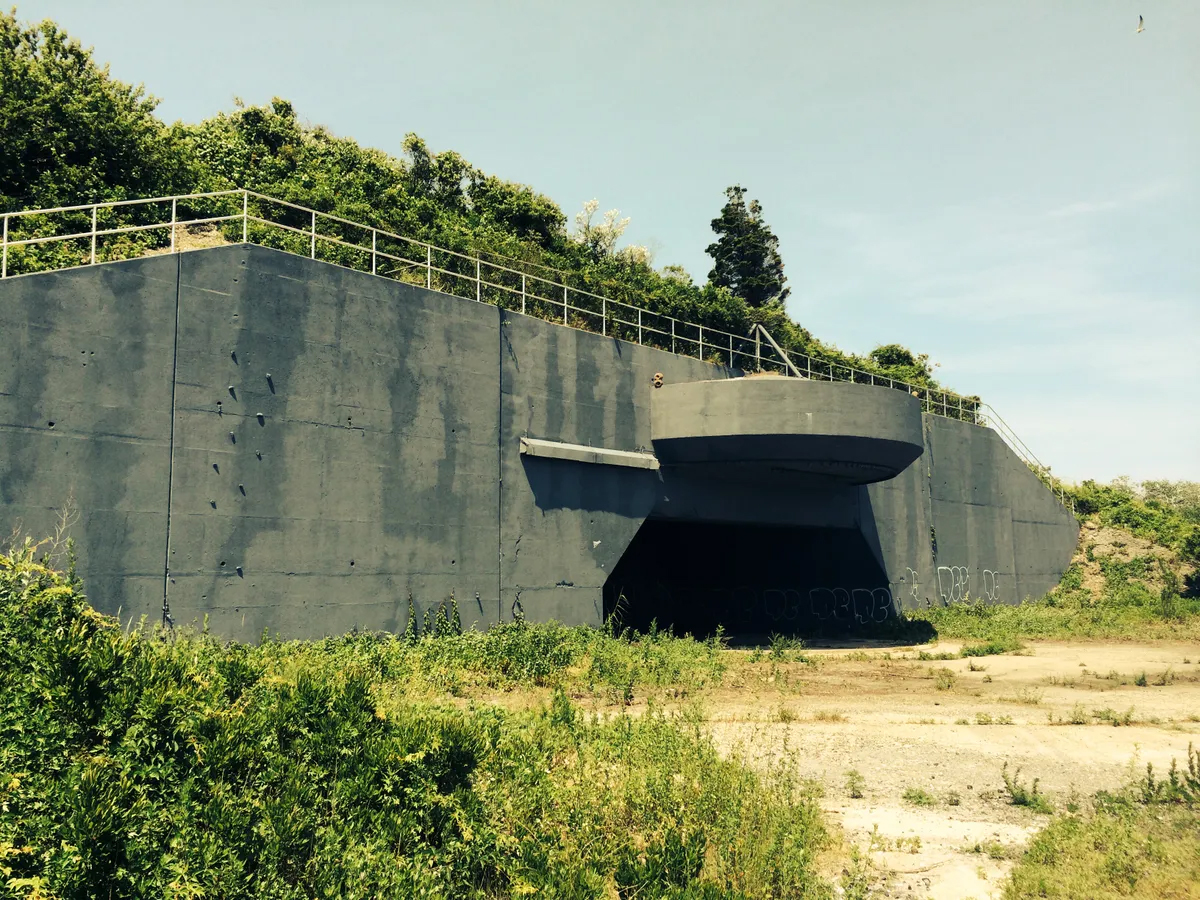
In the early 1920s, two 16″/50 caliber M1919 guns, the largest coastal armament at the time, were installed at Harris East and West batteries. By 1943, these guns were encased in thick concrete casemates to protect against aerial attack. Inside, overhead trolley hoists moved one‑ton shells from deep magazines to the gun ports. The firing platforms were surrounded by concrete pads to prevent sand damage when discharged.
Battery Kessler & Battery 220
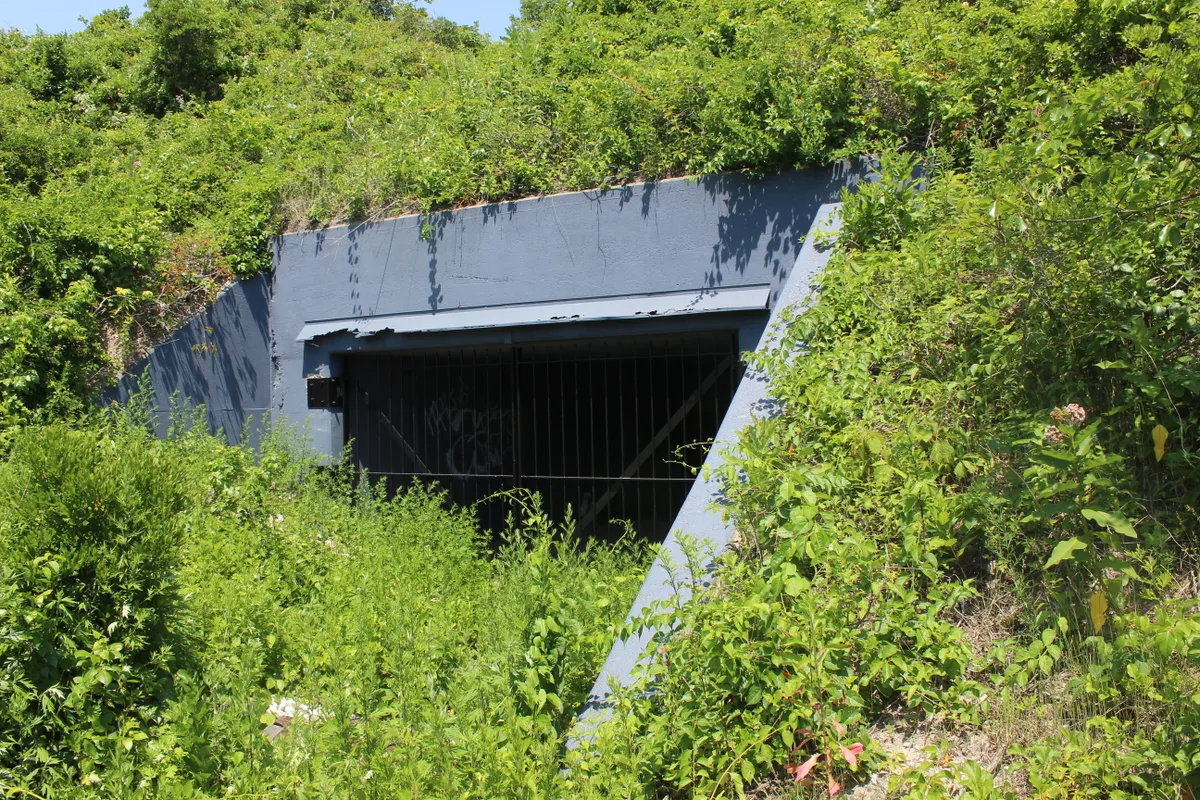
Battery Kessler, originally built in 1917 and modernized in 1942, held two 6-inch guns with bomb-proof magazines, range-finding plotting rooms, radar guidance, and telephone fire-control systems . Battery 220, completed in 1943, served similarly but its guns were reportedly never delivered; the bunker remains intact to this day with central storage and chemical war‑care facilities.
Additional Defenses
Smaller AA gun batteries—3″, 90mm, and later even .50 caliber—spread across the base to tackle air and torpedo-boat threats. Anti‐Motor Torpedo Boat units and evolved 120mm guns further strengthened the site during the mid-war years.
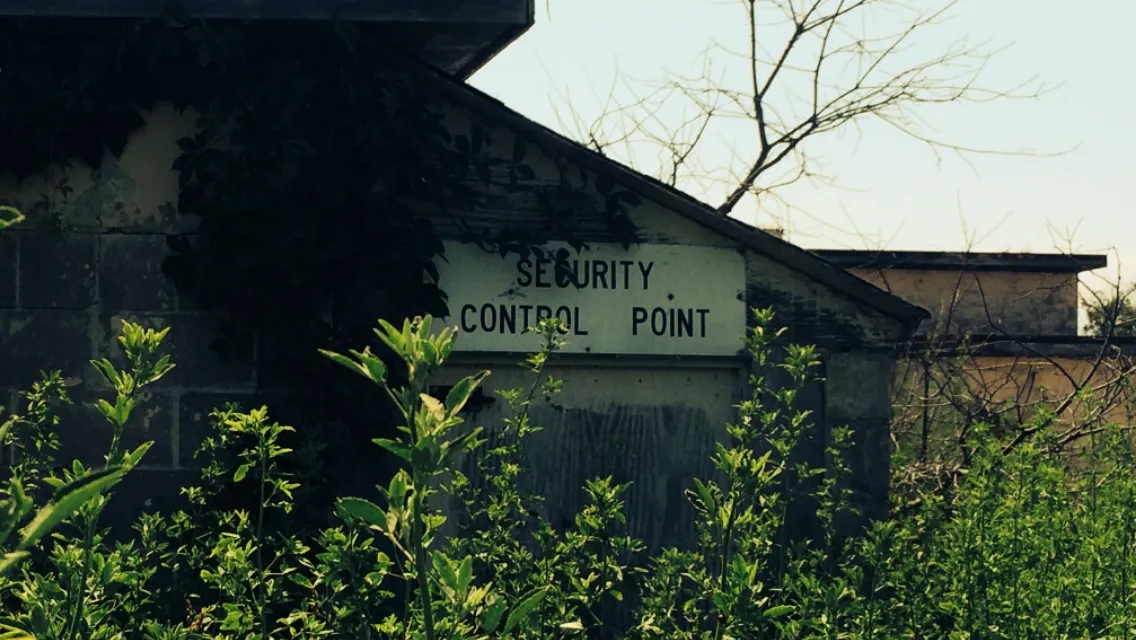
The Harbor Entrance Control Post
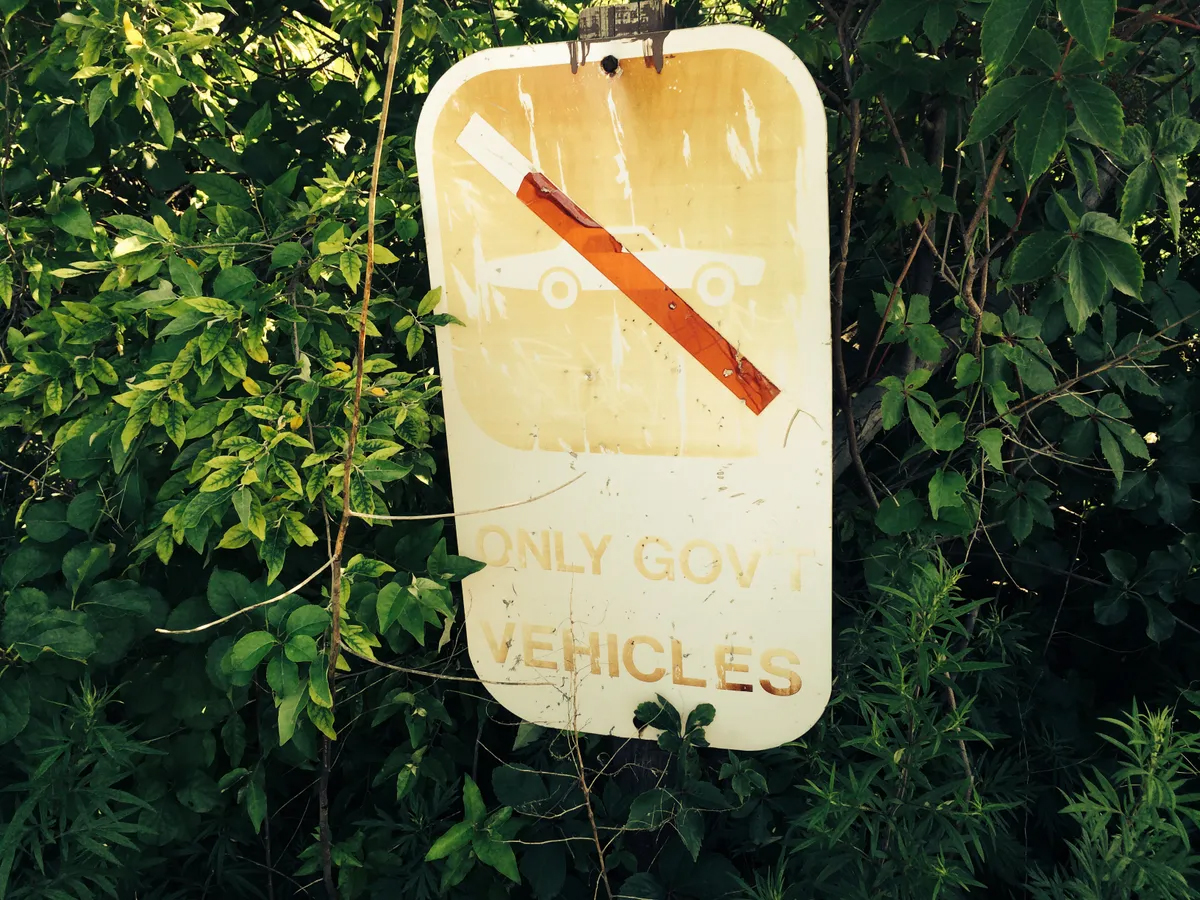
In 1943, Fort Tilden became home to the Advance Harbor Entrance Control Post #2—a bunker‑based command tasked with identifying and regulating vessels entering Ambrose Channel. Built between August and December 1943, the HECP featured a 50‑foot observation tower with electrically heated wooden superstructure and a narrow catwalk for 360° surveillance. The post coordinated US Army and Navy efforts to deny enemy action at the port entrance.
Cold War & Decommission
By 1948, advances in warfare rendered coastal artillery obsolete. Fort Tilden was disarmed and all major guns scrapped. But it reemerged in the Cold War era as Site NY‑43, a hub for anti-aircraft defense. In 1955 Nike‑Ajax missile batteries were installed; by 1958 the site hosted nuclear-capable Nike‑Hercules systems until their deactivation in 1972. Reserve units occupied the post through the 1970s and even into the 1990s before the fort was permanently decommissioned in 1995.
Anatomy of the Bunkers
Concrete Casemates
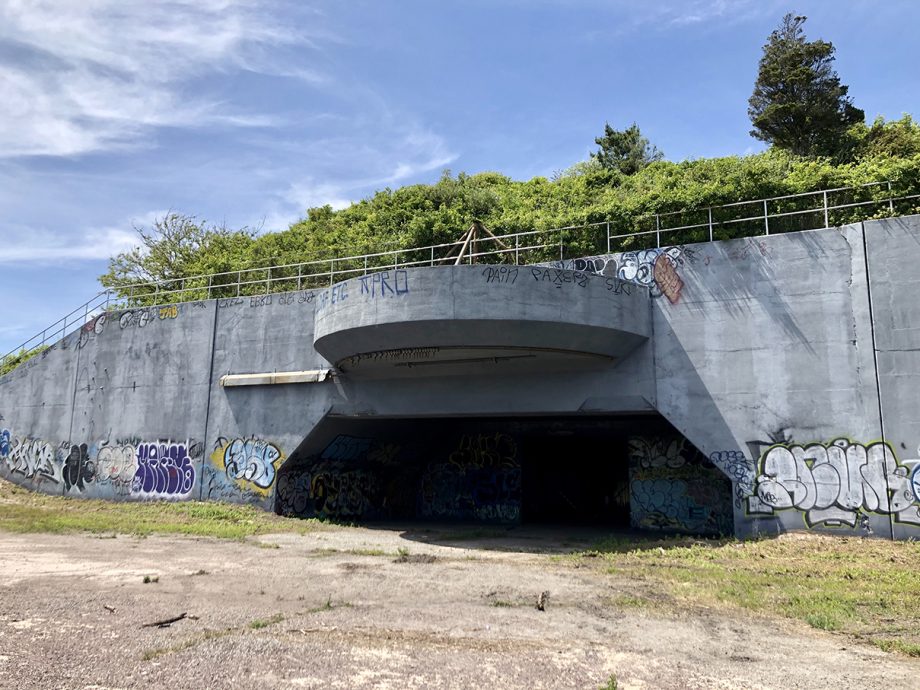
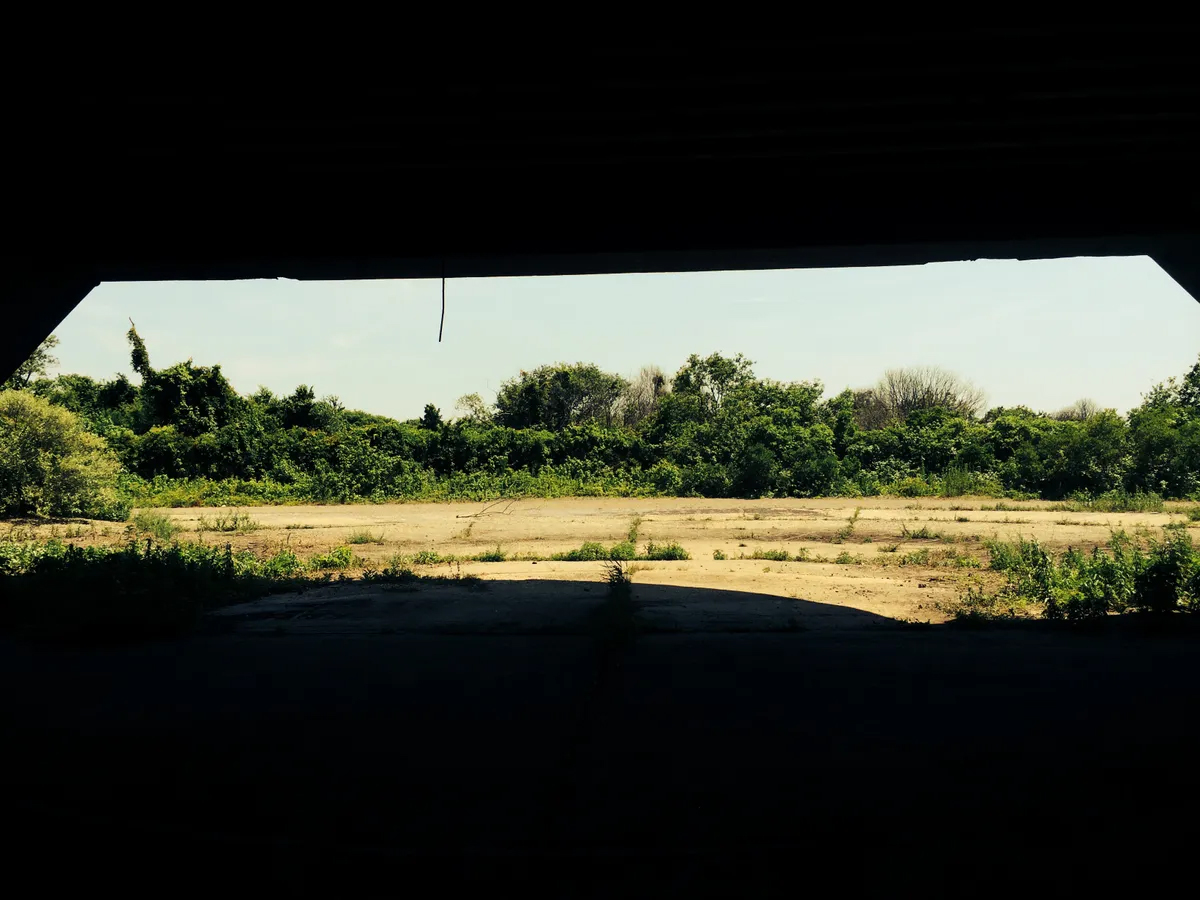
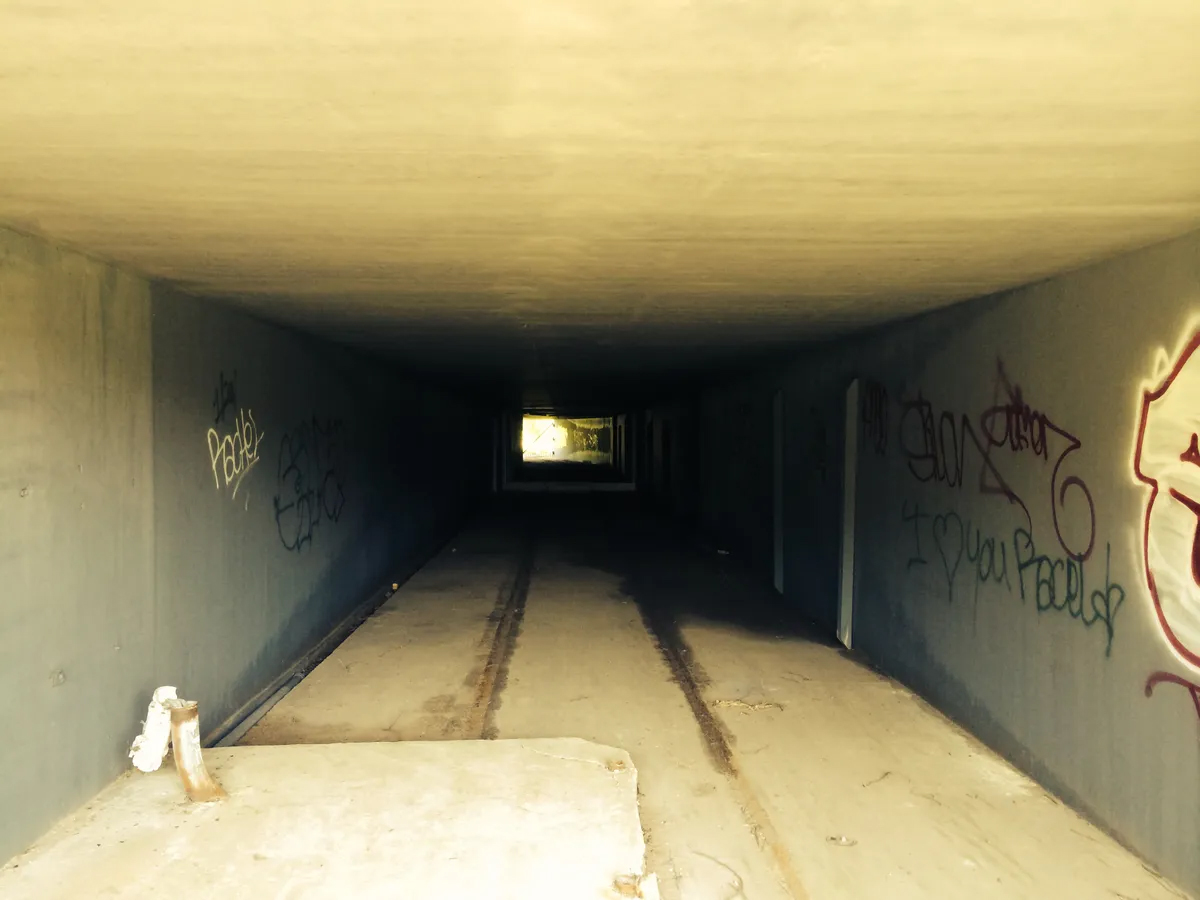
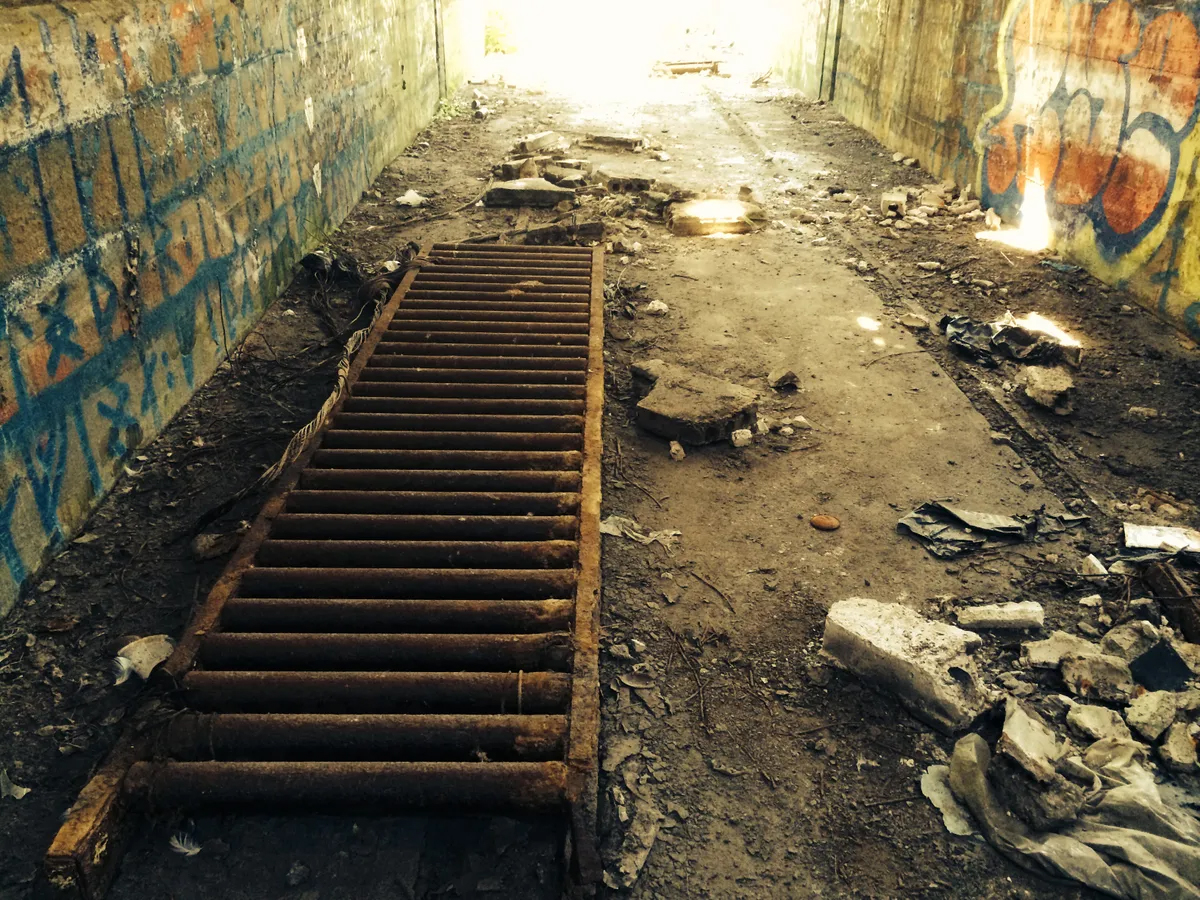
The massive bunkers at Harris and Kessler were buried into dunes, with only thick cutouts revealing their interiors. Walls and ceilings measure several feet of reinforced concrete. Inside, empty magazines, rusted rails, graffiti, and shards of tile evoke the bustle of wartime operations.
Overhead Ammo Delivery
Trolley rails hung from ceilings inside the casemates to carry shells and powder to the gun mounts. In the Harris bunker, the script remains visible where crates were hoisted into position.
Plotting Rooms & Radar
Battery Kessler’s bunker held a double‐story plotting room: an upper level with rangefinder optics and radar, and a lower command room with plotting boards, telephones, and fire-control equipment. These served an integrated system of detection, tracking, and firing.
Post‑Military Era: Nature Reclaims
After closure, the land was transferred to the National Park Service and integrated into the Gateway National Recreation Area; most structures have been left standing as ruins, slowly overtaken by dunes and vegetation. The interior spaces, now tagged and echoing with wind, attract adventurous urban explorers, bird‑watchers, and beachgoers.
Battery Harris East hosts a viewing platform atop its casemate, offering panoramic views over the Atlantic, New York Harbor, and the city skyline.
Visiting the Bunkers Today
- Access: Trails run through dunes and scrub connecting the old batteries. No official tours lead inside, and interior exploration is at one’s own risk.
- Safety: Interiors contain steep stairs, rust, low ceilings and uneven floors. Wear sturdy footwear, watch for sharp debris, and avoid touching questionable surfaces.
- Photography: The graffiti-ridden walls framed by concrete evoke a post-industrial aesthetic. Early morning light around dawn or golden hour highlights textures and shadow.
- Ecology: Shorebird nesting habitat, dune grass restoration, and coastal forests offer a refuge for wildlife around the bunkers.
Legacy of Fort Tilden’s Bunkers
- Military Innovation: The bunkers represent the transition from open artillery to fortified casemates. In wartime, the guns were never fired in anger—but they stood ready to protect one of America’s most vital ports .
- Architectural Features: Thick concrete construction, internal trolley systems, ammo magazines, plotting rooms, fire control radar installations—typical of mid‑20th century coastal defense architecture.
- Historical Continuity: Fort Tilden reflects three eras—World War I defense buildup, World War II modernization, and Cold War missile-age deterrence.
- Cultural Resonance: Now reclaimed by nature, these structures call to urban explorers and conservationists alike, preserving a tangible link to military past amid city beaches.
Though hidden behind dunes and slowly crumbling, Fort Tilden’s bunkers still stand as monumental reminders of a bygone era. From the ramparts of Battery Harris to the plotting chambers of Battery Kessler, these reinforced structures tell a layered story of technological advance, shifting strategy, and coastal vigilance. Today, the site seamlessly merges military relics with natural landscape—a coastal fortress ghosted by time, beckoning the curious to explore and reflect.