Hidden among the trees in Medina County, Ohio, lie the haunting remains of Chippewa Lake Park, one of America’s longest-running amusement parks—and one of its most mysterious abandonments. Opened in the 1870s and shuttered nearly a century later in 1978, the park was once a bustling lakeside destination filled with laughter, music, and roller coaster screams. But after its closure, it faded into obscurity, swallowed by nature and slowly rotting into a ghost of its former self.
This is the strange, sad, and fascinating story of Chippewa Lake Park—a place where history lingers in the rust and vines.
Origins: A Picnic Spot Turned Amusement Haven
The story begins in 1875, when entrepreneur Edward Andrews established a modest picnic ground on the shores of Chippewa Lake, about 40 miles south of Cleveland. At the time, America was in the midst of a leisure revolution. Railroads made travel easier, and public appetite for lakeside resorts was growing.
By the turn of the century, the picnic ground had evolved into a full-fledged amusement park. Under new ownership, rides were added, including a wooden roller coaster, carousel, and Ferris wheel. Live bands, dance halls, and boat rentals rounded out the attractions. The park quickly became a favorite for families, couples, and thrill-seekers from Cleveland and Akron.
The Golden Years: 1920s to 1950s
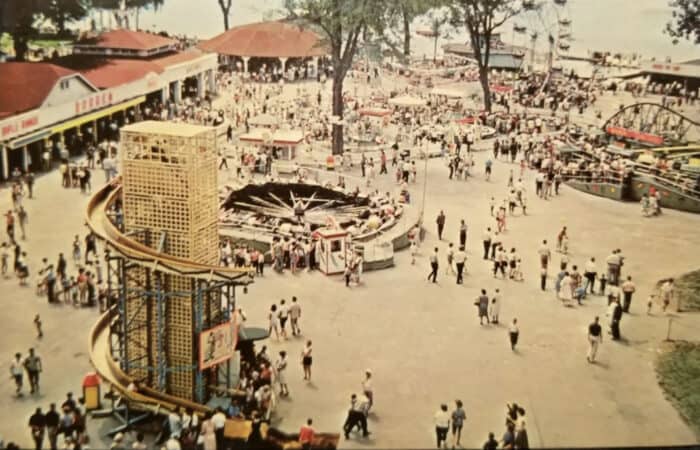
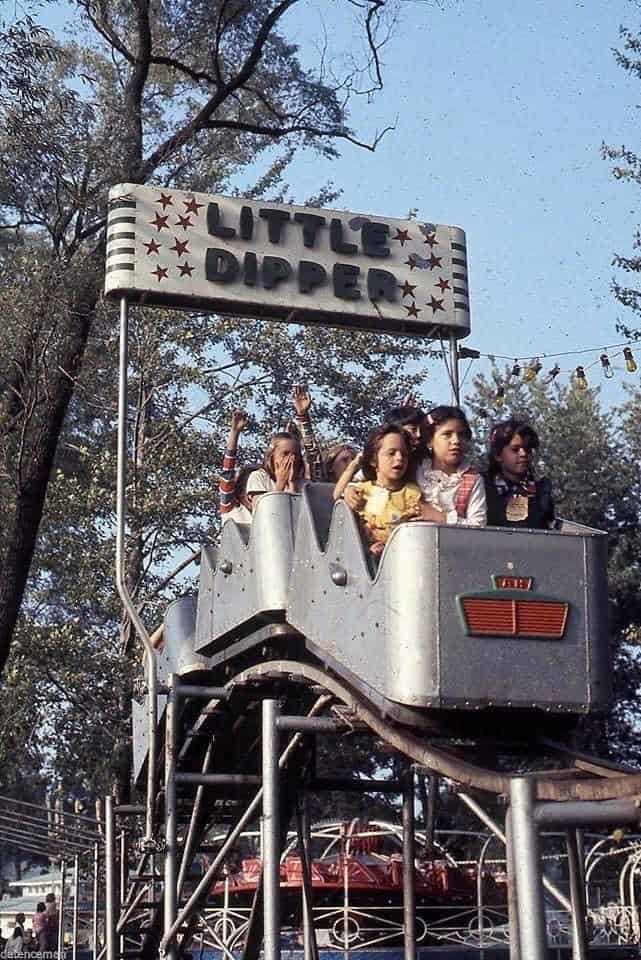
Chippewa Lake Park hit its peak in the mid-20th century. In the 1920s and 1930s, the park expanded rapidly, and its ballroom—hosting acts like Tommy Dorsey and Guy Lombardo—became a regional hotspot. In the postwar boom of the 1950s, the park was still thriving, even as larger, flashier parks like Cedar Point gained popularity.
The centerpiece was the park’s classic wooden coaster, known locally as “The Big Dipper,” built in 1924 by coaster designer John A. Miller. It wasn’t massive by today’s standards, but it was fast, thrilling, and beloved.
Decline: The Long Goodbye
Despite its charm and loyal visitors, Chippewa Lake Park began to struggle in the 1960s and 1970s. The reasons were familiar: aging infrastructure, lack of reinvestment, rising competition, and the end of the “local amusement park” era.
In 1969, Continental Business Enterprises bought the park, hoping to modernize it. They made modest updates, but never enough to compete with larger parks like Cedar Point and Geauga Lake. Attendance dwindled.
Finally, in 1978, the owners pulled the plug. Without fanfare, without public announcement, Chippewa Lake Park closed its gates. No farewell event. No final ride. Just silence.
Abandonment: Nature Takes Over
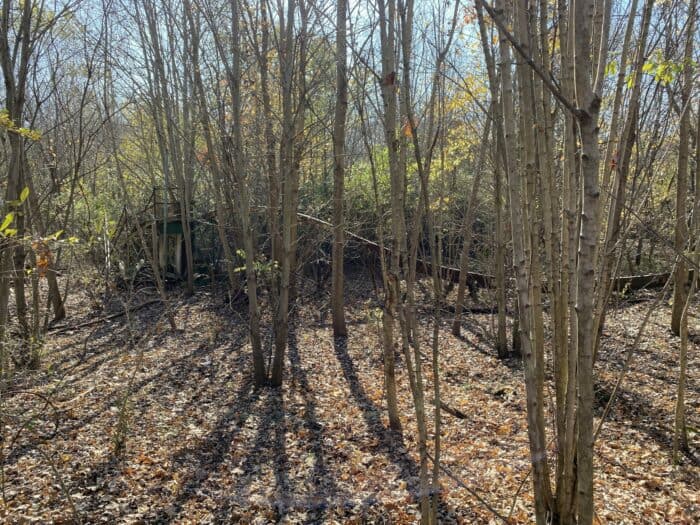
What followed was one of the strangest chapters in amusement park history: the park was left untouched for decades. No demolition. No redevelopment. No repurposing. Just abandonment.
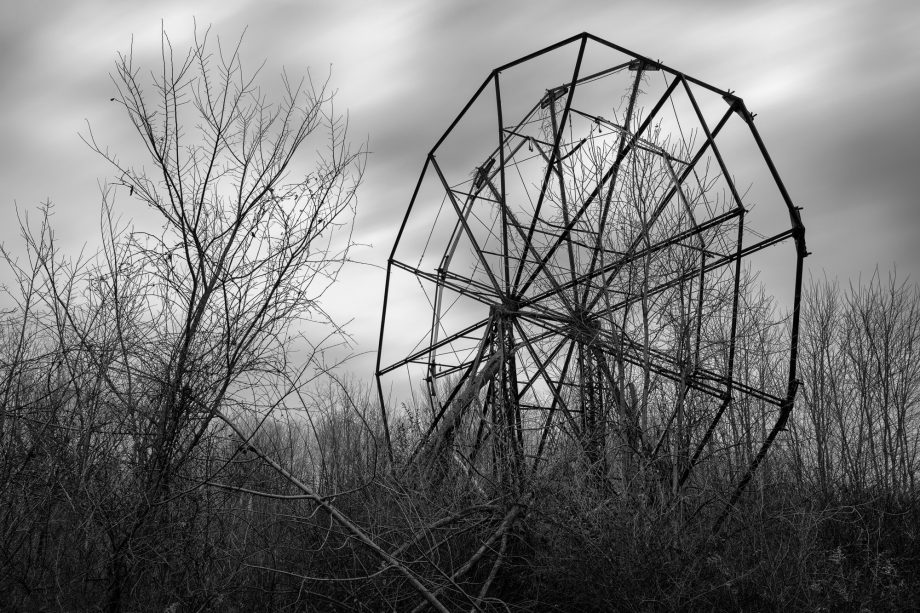
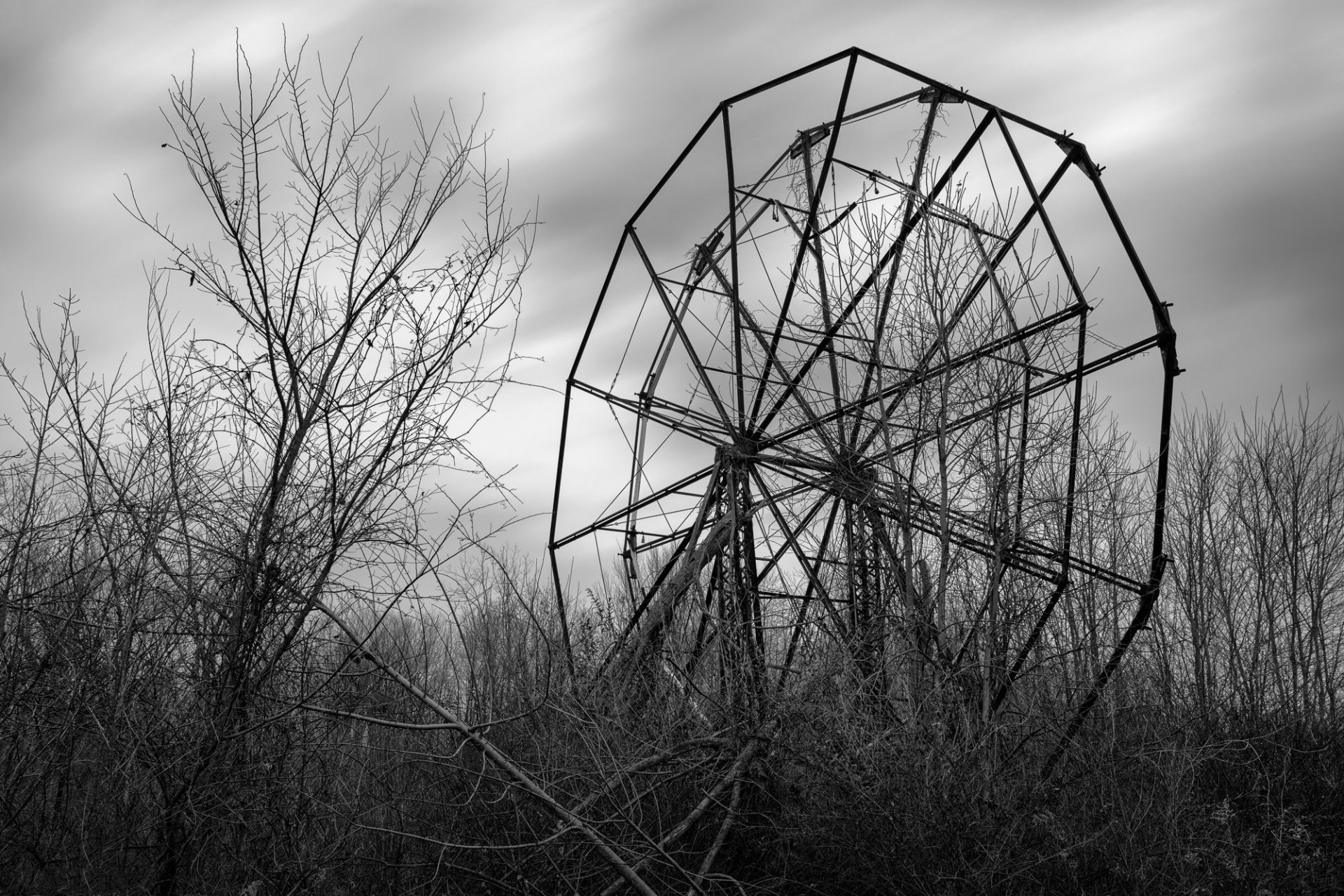
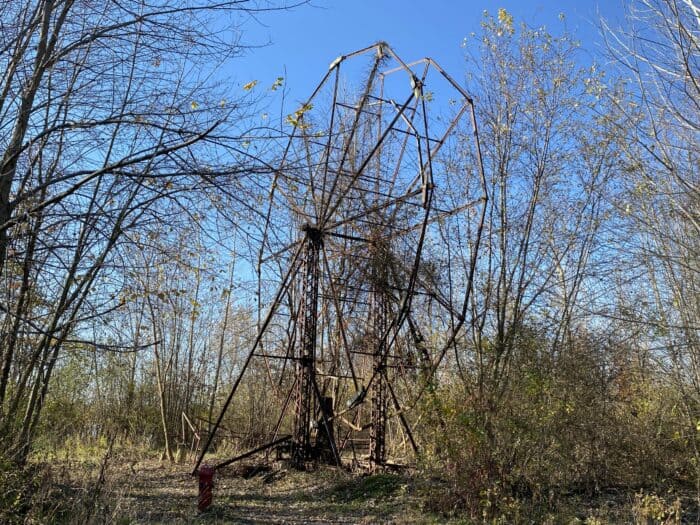
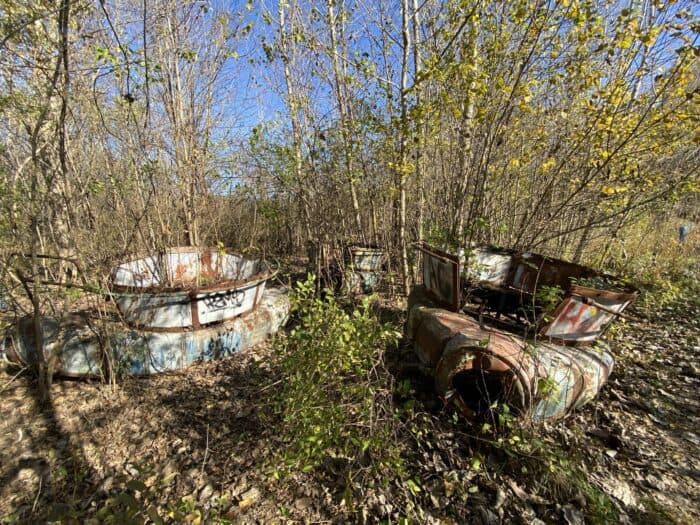
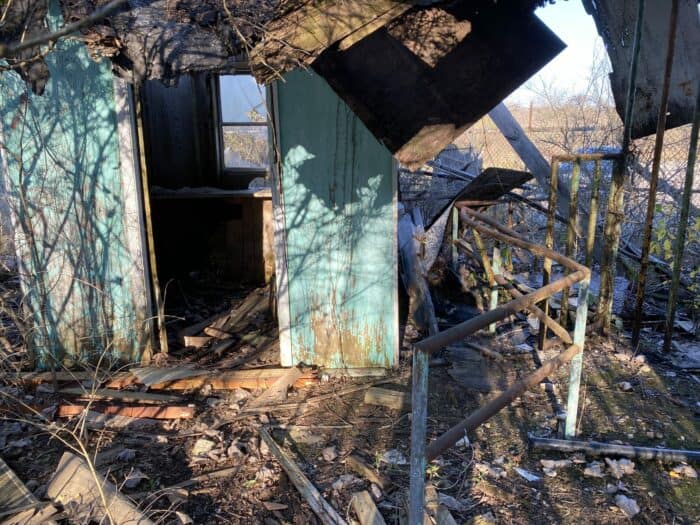
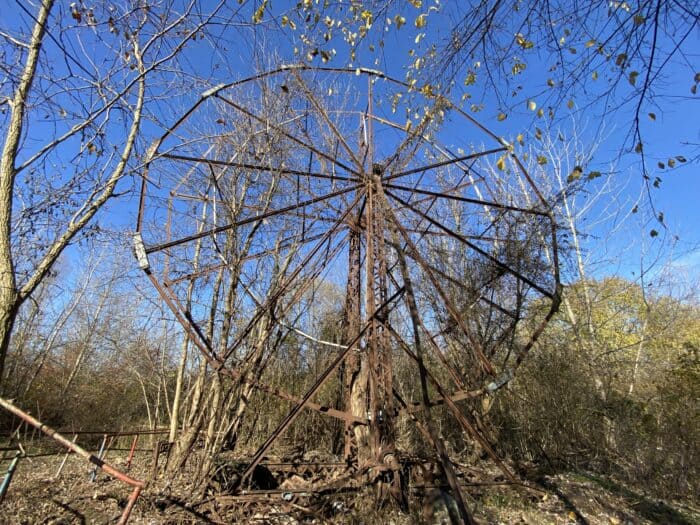
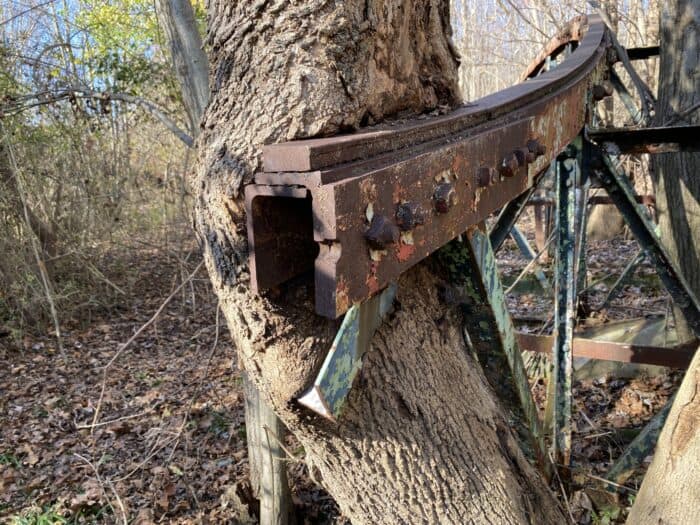
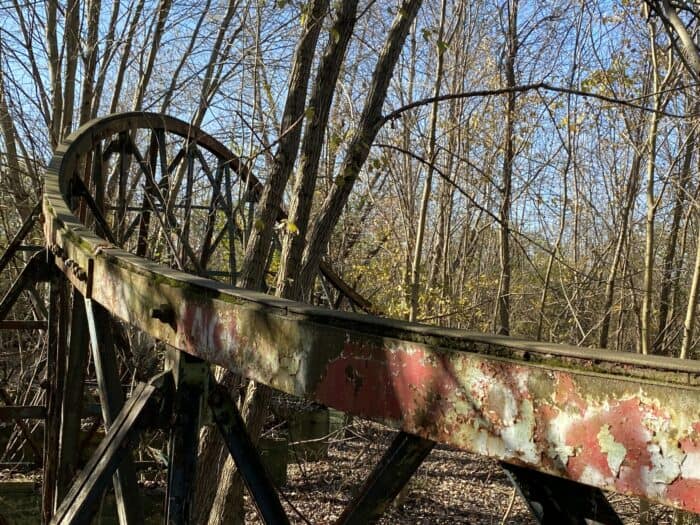
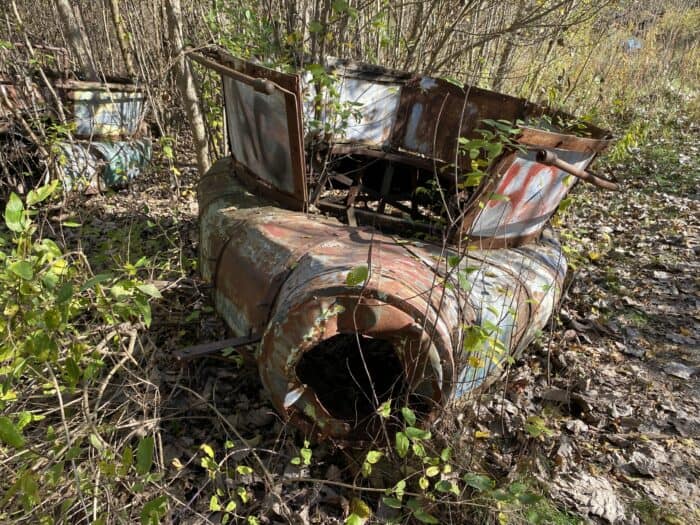
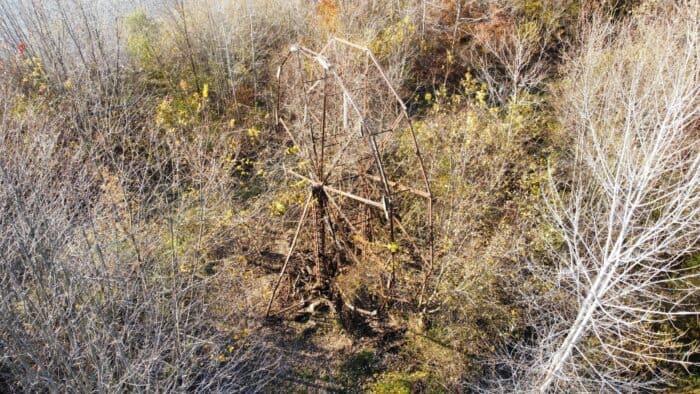
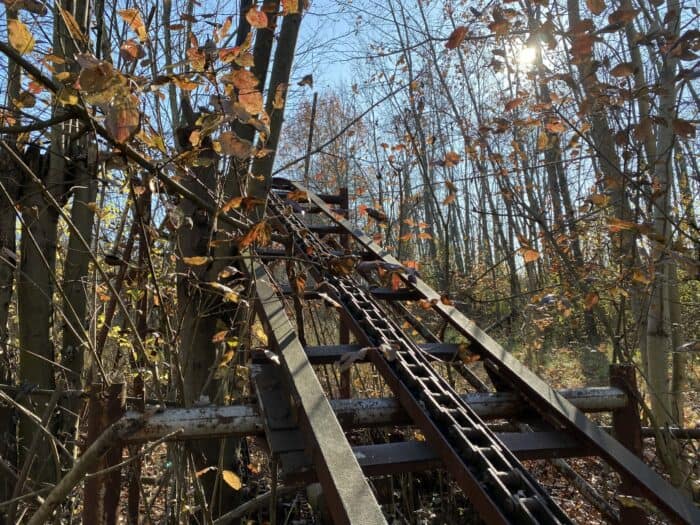
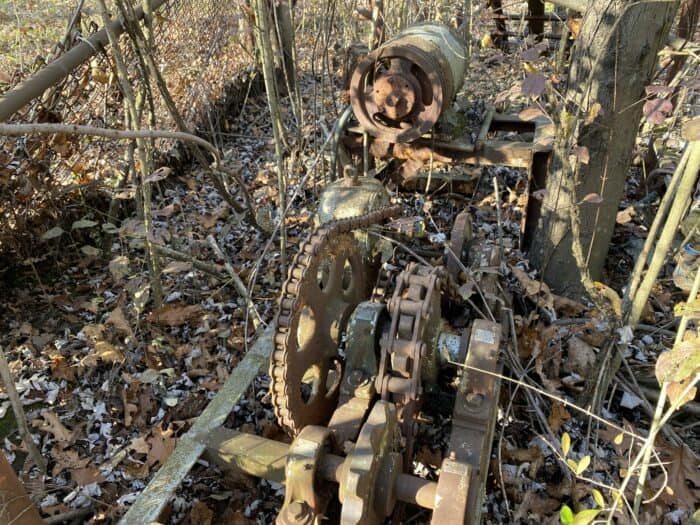
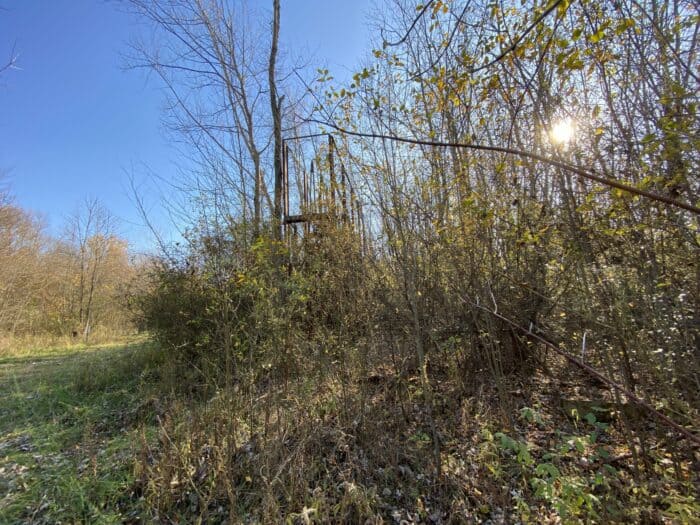
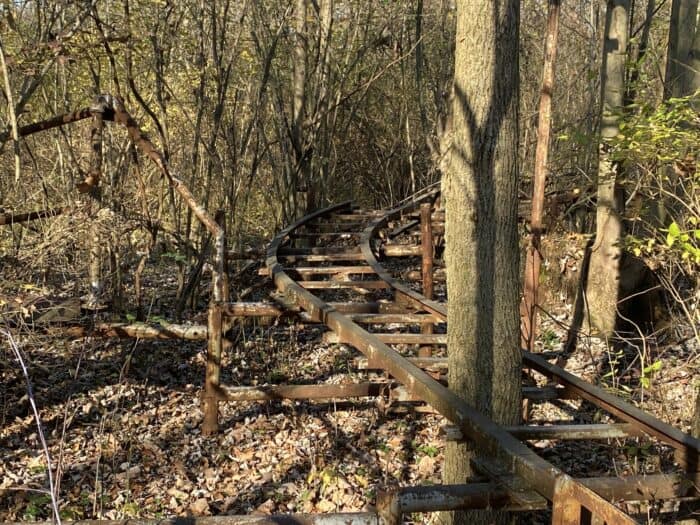
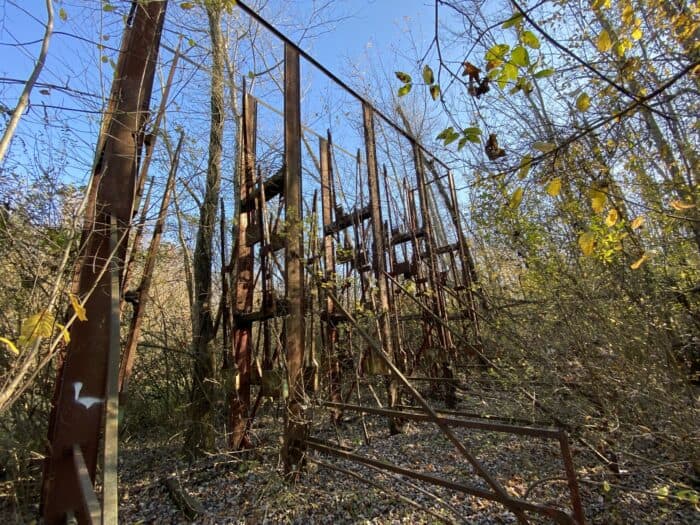
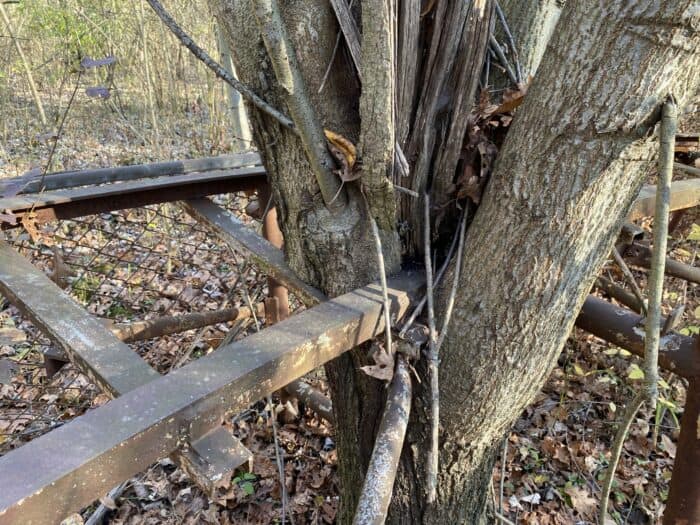
Rides remained standing, many still intact. The wooden coaster, Ferris wheel, and carousel were overtaken by trees and vines. Ticket booths sat idle. A rusting rocket ride pointed at the sky like a tombstone for forgotten fun.
Urban explorers, photographers, and paranormal enthusiasts discovered the site in the 2000s. Its eerie stillness and preserved decay turned it into a cult attraction online. Unlike most abandoned parks, Chippewa had a haunting purity—no redevelopment, no reuse, just slow, natural reclamation.
Attempts at Revival
Over the years, there were several efforts to bring the park back to life. In the 2000s, developers floated plans for a luxury resort and housing development. Nothing materialized. The decaying buildings and overgrowth remained untouched.
In 2017, parts of the park were demolished, including the remains of the roller coaster. In 2018, local officials announced plans to redevelop the land as a public park and nature preserve, aiming to honor the site’s history while making it safe and accessible again.
The Legacy: A Time Capsule of Lost Americana
Chippewa Lake Park wasn’t the biggest or the boldest, but it was personal. It was local. Generations of Ohioans grew up there, fell in love there, made memories under its neon lights and lake breezes.
What made Chippewa different was how it died—not with a bang, but a whisper. And how it remained—unspoiled by commercial reinvention, left to rust and rot as if time had stopped.
Today, it stands as a rare piece of preserved nostalgia and a powerful reminder of how even the happiest places can disappear if no one’s looking.
Final Thought
Chippewa Lake Park is a ghost story without the ghosts. It’s a story of joy, decay, and memory, frozen in time. It reminds us that places—just like people—can fade not from catastrophe, but from quiet neglect. And sometimes, that’s the eeriest ending of all.